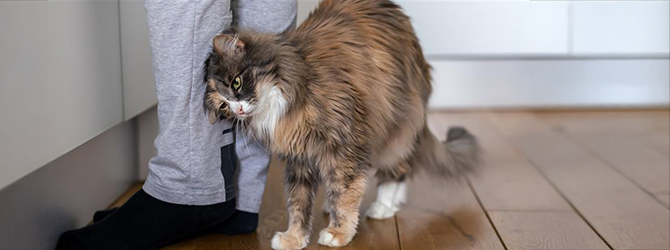
Have you ever noticed your cat gently rubbing her head against her toys and wondered why she does it? It’s a simple action, but it tells you a lot about how your furry friend feels and what she’s trying to communicate.
Understanding this behavior can help you deepen the bond with your cat and keep her happy and comfortable. Keep reading, and you’ll discover the surprising reasons behind this sweet gesture—and what it means for your cat’s world.
Cat Head Rubbing Behavior
Cats often rub their heads on toys, people, or furniture. This behavior shows comfort and connection. Head rubbing is a natural way cats communicate. It helps them mark their space and feel safe. Understanding this behavior reveals much about your cat’s feelings.
Common Head Rubbing Actions
- Pressing the forehead against objects or people
- Rubbing cheeks along edges or toys
- Gently bumping with the top of the head
- Rolling the head side to side while touching
These actions show affection or ownership. Cats also use head rubbing to explore new items. Toys get scented with their unique smell, making them familiar.
How Cats Use Their Heads
Cats have scent glands on their heads. These glands release pheromones during rubbing. The scent marks territory and signals comfort. It helps cats feel more secure in their environment.
Head rubbing also builds social bonds. Cats use it to greet others or show trust. When your cat rubs her head on toys, she treats them like part of her family.

Credit: www.reddit.com
Scent Marking And Territory
When your cat rubs her head on her toys, she’s not just being playful or affectionate. This behavior is deeply connected to scent marking and establishing her territory. Cats use scent as a way to communicate ownership and comfort, especially over objects that matter to them.
Role Of Facial Glands
Your cat’s head holds special scent glands, especially around the cheeks, chin, and forehead. When she rubs her head on toys, these glands release pheromones that carry her unique scent.
This scent acts like a personal signature. It tells other cats and even you that this toy belongs to her. Have you noticed your cat doing this after you bring home a new toy? It’s her way of making it familiar and safe.
Marking Toys As Personal Property
By rubbing her head on her toys, your cat marks them as her own territory. This helps reduce stress and creates a sense of security in her environment. It’s similar to how you might arrange your belongings to feel at home.
You might see her head-butting the same toy repeatedly, reinforcing her scent over time. This behavior also discourages other pets from claiming the toy, maintaining her control over her favorite playthings.
Have you ever wondered why your cat prefers some toys over others? The scent marking might explain her strong attachment. Try observing which toys she marks most often—it can reveal what she truly values.
Affection And Bonding
Cats use head rubbing as a way to show affection and build bonds. This behavior is not random. It is a meaningful way your cat connects with her toys and environment. Understanding this can help you appreciate your cat’s feelings and needs better.
Expressing Attachment To Toys
When a cat rubs her head on a toy, she marks it with her scent. Cats have scent glands on their heads. This scent marking signals ownership and comfort. Toys become special because they carry your cat’s unique smell. This act shows your cat feels safe and attached to the toy. The toy is more than an object; it is a source of emotional comfort.
Mimicking Social Interactions
Head rubbing is similar to how cats greet each other. They use this gesture to say hello and show friendship. When your cat rubs her head on toys, she mimics these social actions. It’s a way to express friendliness and warmth. This behavior helps your cat feel connected and less alone. Toys can become companions in your cat’s world.
Comfort And Security
Cats have quirky behaviors, and one that leaves many owners puzzled is when their feline friends rub their heads against toys. This seemingly simple act is deeply rooted in the need for comfort and security. Understanding this behavior can deepen the bond between you and your cat, offering insights into their world.
Self-soothing Behavior
When your cat rubs her head on toys, she’s engaging in self-soothing behavior. This action releases endorphins, which help her feel calm and relaxed. It’s similar to how humans might hug a pillow or wrap themselves in a cozy blanket.
Think of it as your cat’s way of wrapping herself in her own little comfort zone. Does your cat have a favorite toy she always returns to? That’s her version of a security blanket.
Toys As Safe Objects
Toys aren’t just playthings; they’re safe objects in your cat’s environment. By rubbing her head on them, she’s marking them with her scent, reinforcing that they belong to her. This territorial marking is a sign that she feels secure in her space.
Have you noticed your cat rubbing her head on other objects in the house? This behavior extends to anything she considers part of her safe haven, including you. Her toys are an extension of her territory, giving her a sense of ownership and peace.
Understanding these actions can help you create an environment where your cat feels even more secure. Consider rotating toys to keep her engaged, but ensure her favorites are always available for those moments she needs comfort.
Exploration And Play
When your cat rubs her head on her toys, it’s often a sign of curiosity and enjoyment. Cats use their heads to investigate and interact with new objects in their environment. This behavior is part of how they learn about the world and stay mentally active.
Checking New Objects
Your cat’s head rubbing is a way to gather information. Cats have scent glands located on their cheeks and forehead, so when they rub their heads on toys, they leave their unique scent behind. This helps them mark the toy as familiar and safe.
Have you noticed your cat sniffing a new toy before rubbing her head on it? This combination of smelling and rubbing allows her to feel more comfortable with the object. It’s her method of “checking it out” in a thorough and personal way.
Engaging With Toys
Head rubbing isn’t just about marking territory—it’s also a form of play and bonding. When your cat rubs her head on toys, she’s showing interest and inviting interaction. This behavior often leads to more active play, like batting or carrying the toy around.
Try observing your cat’s behavior after she rubs her head on a toy. Does she start pawing or pouncing on it? This sequence shows how head rubbing is the first step in engaging with her playthings. You can encourage this by offering a variety of toys with different textures and scents.
Health And Sensory Reasons
Your cat rubbing her head on her toys isn’t just a cute habit; it often has important health and sensory reasons behind it. This behavior can reveal how your cat manages discomfort and interacts with her surroundings. Understanding these reasons helps you better care for her wellbeing and enrich her environment.
Relieving Itches Or Discomfort
Sometimes your cat rubs her head on toys to soothe an itch or irritation. Cats can’t always reach every spot easily, so they use objects to scratch or massage sensitive areas.
If you notice your cat doing this frequently, check her skin for signs of irritation, fleas, or dryness. You might also want to observe if she’s rubbing against toys more than usual, which could indicate discomfort that needs attention.
Stimulating Sensory Receptors
Rubbing her head activates sensory receptors in your cat’s skin, especially around the cheeks and forehead. These receptors are linked to nerve endings that help your cat feel textures and scents.
By pressing her head against toys, your cat gathers information about her environment, which can be calming and satisfying. Have you ever felt relaxed by touching a familiar object? Your cat experiences something similar, using her toys to engage her senses.
When To Be Concerned
Not all head rubbing is harmless, and knowing when to be concerned can protect your cat’s health. Cats often use head rubbing to mark their space or show affection, but excessive or unusual rubbing might signal discomfort or illness. Watching for specific signs helps you decide when to take action.
Excessive Head Rubbing Signs
Pay attention if your cat rubs her head on toys or other objects more than usual, especially if it seems compulsive. Look for bald patches, redness, or sores on her head and face, which could indicate irritation or allergies. Also notice if she seems distressed, scratches frequently, or if the rubbing happens alongside other odd behaviors like lethargy or loss of appetite.
Think about how often your cat used to rub her head compared to now. Has it suddenly increased? Are her favorite toys now the focus of constant rubbing? These changes could mean underlying issues needing attention.
Consulting A Veterinarian
If you see any signs of excessive head rubbing, don’t wait to get professional advice. A veterinarian can check for skin infections, parasites like mites, or dental problems that might cause discomfort. Early diagnosis can prevent worsening conditions and help your cat feel better faster.
Be ready to describe your cat’s behavior in detail during the visit. Mention when the rubbing started, how often it happens, and any other changes you’ve observed. This information helps your vet provide the best care possible for your furry friend.
Credit: www.pawaii.com

Credit: www.kinship.com
Frequently Asked Questions
Why Does My Cat Rub Her Head On Toys?
Cats rub their heads on toys to mark them with scent glands. This behavior signals ownership and comfort. It also helps cats bond with their environment and feel secure. Head rubbing releases pheromones, which are calming for cats.
Is Head Rubbing A Sign Of Affection In Cats?
Yes, head rubbing shows affection and trust. Cats use this behavior to bond with objects or people. It indicates they feel safe and comfortable around the toy or person.
Can Head Rubbing Help Reduce My Cat’s Stress?
Absolutely. Head rubbing releases calming pheromones that reduce stress. It provides comfort and familiarity, helping cats feel more relaxed and secure in their space.
Do All Cats Rub Their Heads On Toys?
Most cats exhibit this behavior, but some may not. It depends on their personality and comfort level. Head rubbing is a common way cats interact with objects they like.
Conclusion
Cats rub their heads on toys to show love and mark territory. This action helps them feel safe and happy. It also spreads their scent, making toys familiar. Understanding this behavior can improve your bond with your cat. Watch closely and enjoy these sweet moments together.
Your cat’s head rubs say more than you think. Keep providing toys and affection to keep her content. Simple actions build trust and comfort every day.



Leave a Reply