Have you ever caught your cat placing toys inside their litter box and wondered why? It might seem strange or even a little gross, but your furry friend has a reason for this curious behavior.
Understanding why your cat does this can help you connect better with them and keep their space happy and healthy. Keep reading to discover the surprising reasons behind this habit and what it means for your cat’s mind and environment.
You’ll be amazed at what your pet is trying to tell you!
Cat Behavior And Instincts
Understanding why your cat puts toys in the litter box means looking deeper into their natural behavior and instincts. Cats don’t just act randomly—they follow patterns shaped by thousands of years of evolution. Their actions often reflect hunting skills, territorial needs, or ways to communicate with you and other animals.
Hunting Instincts In Domestic Cats
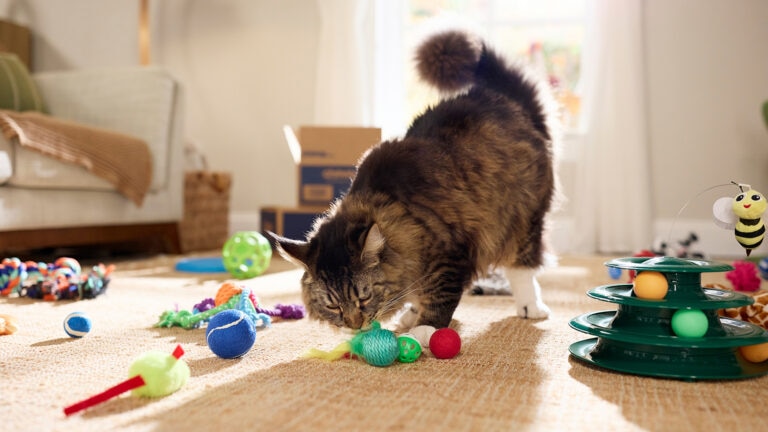
Even indoor cats keep their hunting instincts alive. Bringing toys to the litter box mimics how wild cats handle their prey. They may “stash” their catch in a safe place, which in your home becomes the litter box.
Think about how your cat plays with toys—batting, carrying, then dropping them somewhere. This behavior echoes real hunting sequences. Have you noticed your cat carefully placing toys instead of just tossing them around? That’s their natural way of managing “prey.”
Territorial Marking Habits
Cats use scent to mark their territory, and litter boxes are heavily scented areas for them. Placing toys in the litter box could be a way of mixing their scent with the toy, signaling ownership. It’s their way of saying, “This is mine.”
Sometimes, your cat might be testing boundaries or signaling to other pets. Have you observed if this behavior increases when new animals or people enter your home? Toys in the litter box might be subtle messages in your cat’s language.
Credit: www.chewy.com
Toy Placement In The Litter Box
Noticing your cat placing toys in the litter box can be puzzling. This behavior might seem strange, but it often reveals interesting insights about your cat’s instincts and habits. Understanding why and how cats choose specific toys for the litter box can help you better interpret their actions and respond thoughtfully.
Many cat owners find that certain toys consistently end up in the litter box. This isn’t random; cats are deliberate in their choices and actions. Watching closely, you might spot patterns that tell you more about your cat’s mood or preferences.
Common Toys Cats Choose
- Small plush mice:These mimic prey and are easy for cats to carry around.
- Feather wands:Cats often drag these to the litter box, possibly linking play and territory.
- Crinkle balls:Their noise attracts cats and may make the litter box a preferred toy spot.
- Rubber or plastic balls:Lightweight and easy to bat, these toys often end up “hidden” in the litter box.
Think about the toys your cat favors. Are they soft, noisy, or easy to grab? These qualities might explain why your cat chooses to stash them in the litter box.
Patterns In Toy Deposits
Your cat may place toys in the litter box after play sessions or during grooming times. Sometimes, the litter box acts as a secure place to “hide” toys from other pets or even you.
Notice if your cat deposits toys in a specific corner or buries them under the litter. This could be a sign of instinctual behavior, similar to how wild cats hide their prey. Have you observed if this happens more after certain activities or times of the day?
Understanding these patterns can help you create a more enriching environment. Try providing alternative “safe spots” for toy storage. This might reduce litter box deposits and keep your cat happier.
Possible Reasons Behind The Behavior
When your cat places toys in the litter box, it might seem puzzling at first. This behavior often signals something deeper about your cat’s instincts, emotions, or needs. Understanding the possible reasons can help you respond in a way that supports your feline friend’s well-being.
Mimicking Natural Hunting
Cats are natural hunters, even if they live indoors. Bringing toys to the litter box can mimic how wild cats handle their prey, often moving or burying it. Your cat might be trying to replicate this instinctual behavior in a safe environment.
Have you noticed your cat carrying toys around before placing them down? This is a clue that your cat sees the toy as a “catch” to be stored or hidden.
Safe Spot For Valuables
The litter box can seem like a secure place for your cat to store prized possessions. It’s often quiet, enclosed, and smells familiar, which might make your cat feel their treasures are protected there. This behavior is similar to how cats hide food or objects in the wild.
Check if your cat chooses other unusual spots for their toys. This might reveal a pattern of seeking safety for their belongings.
Attention-seeking Signals
Sometimes, your cat puts toys in the litter box to get your attention. If you react by picking up the toy or interacting with your cat, they learn this behavior works. It’s a way for them to communicate that they want to play or be noticed.
Try observing how your cat behaves before and after placing toys in the litter box. Could this be their way of asking for more engagement from you?
Stress And Anxiety Causes
Stress can cause unusual behaviors in cats, including moving toys to the litter box. Changes in the household, new pets, or disruptions to their routine might make your cat feel insecure. Placing toys in the litter box may be a coping mechanism to regain a sense of control.
If your cat’s behavior changes suddenly, consider what environmental factors might be affecting them. Providing a calm, stable space could reduce this anxious behavior.
Credit: pethelpful.com
How To Respond To This Behavior
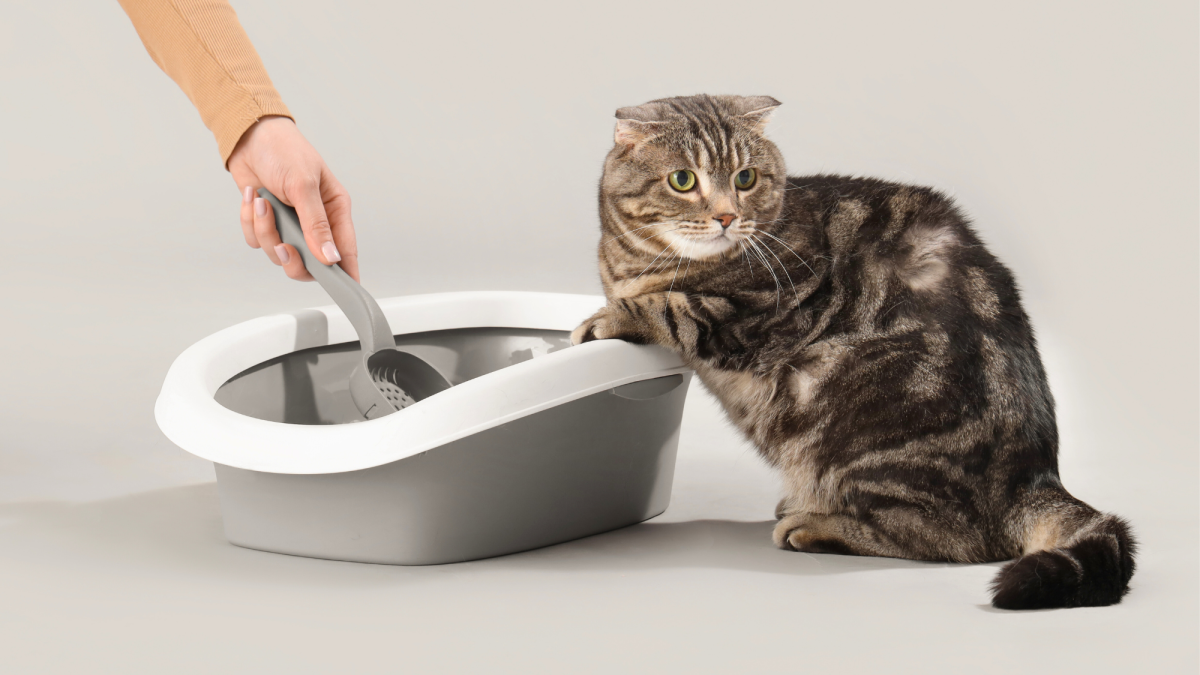
Cats may place toys in the litter box to mark them with their scent or keep them safe. Gently redirect your cat by providing more playtime and separate toy areas. Keep the litter box clean to discourage this habit.
Responding to your cat placing toys in the litter box requires understanding. Cats often have unique behaviors, and this can be one of them. Addressing it effectively involves a few strategies that enhance their environment and reduce stress.Redirecting Playtime
Engage your cat with interactive toys. A wand toy or feather teaser can captivate their interest. Offer them these toys away from the litter box. This shifts their focus and discourages placing toys in undesirable spots. Consistent play sessions help too. They provide an outlet for their energy and instincts.Enhancing Environmental Enrichment
Create a stimulating environment for your cat. Introduce puzzle feeders or treat-dispensing toys. These keep their mind active. Place scratching posts and climbing trees around the home. They offer cats a chance to explore and relax. Ensure they have a variety of toys. Rotate them weekly to maintain novelty and interest.Managing Stress Factors
Identify possible stressors in your cat’s environment. Changes in routine, new pets, or loud noises can be triggers. Provide a quiet, safe space for your cat to retreat. A cozy bed or covered area can help. Use calming pheromone diffusers to reduce anxiety. They create a more relaxed atmosphere for your feline friend.When To Consult A Veterinarian
Sometimes, a cat placing toys in the litter box signals more than playfulness. This action might point to stress, illness, or other concerns needing a veterinarian’s advice. Knowing when to seek professional help ensures your cat stays happy and healthy.
Behavioral Changes To Watch For
- Sudden loss of appetite or eating less than usual
- Increased hiding or avoiding people and other pets
- Excessive vocalization or unusual sounds
- Changes in grooming habits, like over-grooming or neglect
- Aggression or sudden irritability
- Repeated litter box avoidance or unusual elimination patterns
These signs may accompany toy placement in the litter box and suggest stress or discomfort.
Health Issues Linked To Litter Box Habits
- Urinary tract infections causing pain during urination
- Bladder stones or crystals leading to litter box changes
- Digestive problems affecting elimination behavior
- Arthritis or pain making litter box use difficult
- Parasites or skin conditions causing discomfort
Veterinarians can diagnose and treat these problems early. Prompt care can prevent worsening health and improve your cat’s quality of life.

Credit: aminpetshop.com
Frequently Asked Questions
Why Does My Cat Hide Toys In The Litter Box?
Cats hide toys in the litter box due to instinct. It mimics burying prey or saving treasures. This behavior shows their natural hunting and guarding instincts.
Is Putting Toys In The Litter Box Normal Cat Behavior?
Yes, it is normal. Cats often stash toys in safe spots like the litter box. It provides them comfort and security for their prized items.
How Can I Stop My Cat From Putting Toys In The Litter Box?
Provide alternative hiding spots like toy baskets or cozy beds. Regular playtime reduces boredom. Clean the litter box often to discourage toy storage there.
Does Toy Hiding Indicate Stress Or Health Issues In Cats?
Not usually. Toy hiding is mostly playful or instinctual. However, sudden changes or excessive behavior might signal stress. Consult a vet if unsure.
Conclusion
Cats put toys in the litter box for several simple reasons. They may want to keep their favorite things safe or mark their territory. Sometimes, it is a playful behavior or a way to show curiosity. Understanding this habit helps you connect better with your pet.
Watching your cat closely reveals its unique personality. Try to provide safe toys and a clean litter box. This small act can strengthen your bond and keep your cat happy. Keep learning about your cat’s habits for a peaceful home.



Leave a Reply