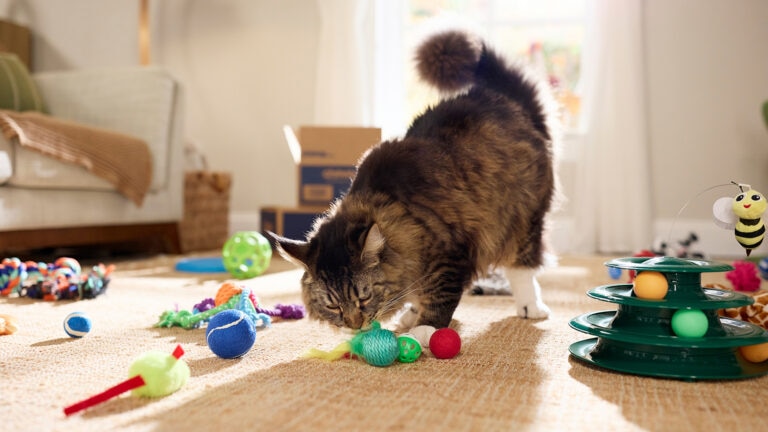
Have you ever bought a toy for your cat, only to watch it ignore the new gift completely? It can be confusing and even a bit disappointing when your furry friend shows no interest in the toys you thought they’d love.
You might wonder, “Why does my cat not like toys? ” Understanding the reasons behind your cat’s behavior can help you find the right way to engage them. Keep reading, because discovering what truly sparks your cat’s curiosity could change playtime for both of you.

Credit: www.kittyhelpdesk.com
Common Cat Toy Preferences
Many cats show clear preferences for certain toys. Understanding these preferences helps explain why some cats ignore toys. Cats have unique ways of playing that affect their interest in toys. Recognizing these patterns can help owners find toys their cats will enjoy.
Types Of Toys Cats Usually Enjoy
- Feather wands that mimic birds
- Small balls that can be chased
- Laser pointers for quick movements
- Catnip-filled toys for extra excitement
- Interactive puzzle toys that challenge their mind
- Soft plush toys to carry and cuddle
Many cats prefer toys that move unpredictably. Toys that simulate prey catch their natural hunting instincts. Textures also matter; some cats like soft toys, others prefer crinkly or noisy ones.
How Cats Play Differently
Each cat has a unique play style. Some cats enjoy chasing and pouncing. Others prefer batting or swatting toys gently. Older cats may like calm, slow play. Kittens often want fast, energetic games.
Understanding your cat’s play style helps pick the right toys. Observing how your cat interacts with toys gives clues about their preferences. Matching toys to their style improves engagement and fun.
Reasons Cats Reject Toys
Cats may ignore toys for several reasons. Understanding these reasons helps improve their playtime. Toys may not always match your cat’s preferences or needs.
Lack Of Interest Or Stimulation
Some cats find certain toys boring or dull. Toys without movement or scent may fail to attract their attention. Cats need toys that mimic prey behavior to spark interest.
Changing toys often can keep your cat curious and engaged. Different textures and sounds can also increase stimulation. Sometimes, cats prefer simple objects like paper balls or string.
Past Negative Experiences
Cats may avoid toys linked to fear or discomfort. Loud noises or sudden movements during play can scare them. A bad experience can make cats wary of similar toys.
Building positive associations slowly helps your cat feel safe. Use gentle play and praise to encourage interaction. Patience is key to changing their mindset.
Health Issues Affecting Play
Illness or pain can reduce a cat’s desire to play. Conditions like arthritis or dental problems cause discomfort. Older cats may lose interest due to lower energy levels.
Regular vet checks can detect health issues early. Treating pain or illness can restore your cat’s playfulness. Always observe changes in behavior and activity.
Impact Of Environment On Play
Cats may ignore toys if their environment feels unsafe or boring. Quiet, calm spaces encourage play, while loud or cluttered areas can deter it. Each cat prefers different surroundings to feel comfortable and curious.
The environment your cat lives in plays a crucial role in their interest in toys. A cat’s surroundings can significantly influence their play behavior. If your feline friend seems uninterested in toys, it might be time to examine their environment.Stress And Anxiety Factors
Cats are sensitive creatures. High stress levels can deter them from engaging in play. Consider if there are any recent changes at home, such as new pets or family members. Loud noises or a chaotic environment can also contribute to anxiety, making your cat less inclined to play. Simple adjustments, like creating a quiet space or maintaining a routine, can help reduce stress. If you notice your cat is anxious, calming aids or pheromone diffusers might also be beneficial.Space And Safety Considerations
The amount of space your cat has can impact their play behavior. Cats need room to explore and feel safe. If the area is cramped or cluttered, it may discourage them from playing. Ensure the play area is free from hazards. Look for sharp objects or unstable surfaces that might make your cat feel unsafe. Providing a secure environment can encourage more active play. Have you tried observing where your cat feels most comfortable? This might be the perfect spot to introduce new toys and see if there’s a change in their interest.:strip_icc()/spruce-pets-is-cat-tv-bad-017dba2c722e441596b2da9aca328616.png)
Credit: www.thesprucepets.com
Age And Personality Influences
Your cat’s age and personality play a huge role in how they react to toys. Some cats simply don’t find certain toys interesting, and understanding why can help you choose better options. Let’s look closer at how age and personality differences shape your cat’s play preferences.
Kittens Vs. Adult Cats
Kittens are natural explorers. They love chasing small objects, pouncing, and anything that moves quickly. Their high energy and curiosity make toys almost irresistible.
Adult cats often slow down. They might prefer quieter, slower play or simply less playtime. A toy that excites a kitten might bore an older cat.
Consider your cat’s life stage when picking toys. A feather wand might thrill a kitten but leave an adult cat indifferent. Have you noticed your cat’s play style change over time?
Introverted Vs. Active Cats
Not every cat is a bundle of energy. Some cats are introverted and shy, preferring calm environments. They may ignore noisy or flashy toys because it overwhelms them.
Active cats seek stimulation. They enjoy toys that challenge their hunting skills, like laser pointers or puzzle feeders. These toys keep their minds sharp and bodies moving.
If your cat avoids toys, try observing their personality. Do they hide when you bring out new toys, or do they eagerly approach? Tailoring toys to their temperament can make playtime more enjoyable for both of you.
Improving Toy Appeal
Improving a cat’s interest in toys can take patience and creativity. Cats have unique tastes and instincts that shape their play. Enhancing toy appeal means matching toys to these natural behaviors. Small changes can bring big results in your cat’s playtime enjoyment.
Choosing The Right Toys
Select toys that mimic natural prey. Look for items that move, make noise, or have interesting textures. Feather wands, small balls, and crinkly toys often attract cats. Avoid toys with strong scents or materials your cat dislikes. Observe your cat’s preferences to find the best fit.
Introducing Toys Effectively
Present new toys in a calm, quiet space. Let your cat explore at their own pace. Use gentle encouragement by moving the toy slowly. Play alongside your cat to build interest. Rotate toys regularly to keep excitement fresh and avoid boredom.
Incorporating Play Into Routine
Set specific times for play sessions daily. Short, frequent playtimes work better than long ones. Use toys to engage your cat before meals or naps. Consistent play helps build positive habits. Watch for signs of tiredness or disinterest and stop play gently.
Alternative Engagement Methods
Some cats do not enjoy traditional toys. This does not mean they don’t want to play or be active. There are other ways to keep them engaged and happy. Alternative engagement methods offer different types of stimulation. These methods often involve more interaction or changes to their environment.
Interactive Play With Owners
Cats often respond well to play that involves their owners. Using simple items like a string or laser pointer can spark their interest. Moving the toy slowly mimics prey and triggers their natural hunting skills. Short, frequent play sessions work best. This strengthens the bond between you and your cat. It also keeps them physically and mentally active.
Environmental Enrichment Ideas
Changing your cat’s surroundings can make a big difference. Add climbing shelves or perches near windows for bird watching. Place puzzle feeders to challenge their mind during mealtime. Rotate toys regularly to keep things fresh. Introduce new scents or safe plants like catnip or cat grass. These enrichments reduce boredom and promote exploration.
:strip_icc()/GettyImages-475355341-7acb7b34374e4afa94e9a3006389080a.jpg)
Credit: www.thesprucepets.com
Frequently Asked Questions
Why Does My Cat Ignore New Toys?
Cats may ignore new toys due to unfamiliarity or lack of interest. They prefer toys that mimic prey or match their hunting style. Gradual introduction and using interactive play can increase their engagement.
Can A Cat Dislike Toys Due To Age?
Yes, older cats may lose interest in toys as their energy declines. They prefer calm activities and less vigorous play. Choosing softer, quieter toys can help maintain their interest.
Does My Cat’s Personality Affect Toy Preference?
Absolutely. Some cats are naturally less playful or more independent. Personality influences their interest in toys, so tailor choices to your cat’s unique behavior for better results.
How Can I Make Toys More Appealing To My Cat?
Use toys that mimic prey sounds or movements. Incorporate treats or catnip to attract attention. Engage your cat with interactive play to stimulate their hunting instincts.
Conclusion
Cats have unique tastes and moods that affect their play. Some prefer quiet time over toys. Their past experiences can shape what they enjoy. Trying different toys may help find their favorite. Patience and observation reveal what your cat likes best.
Respecting their choices keeps them happy and stress-free. Play is not always about toys; sometimes, it’s about bonding. Understanding your cat helps build a stronger relationship. Keep exploring gently, and enjoy your time together.

Leave a Reply