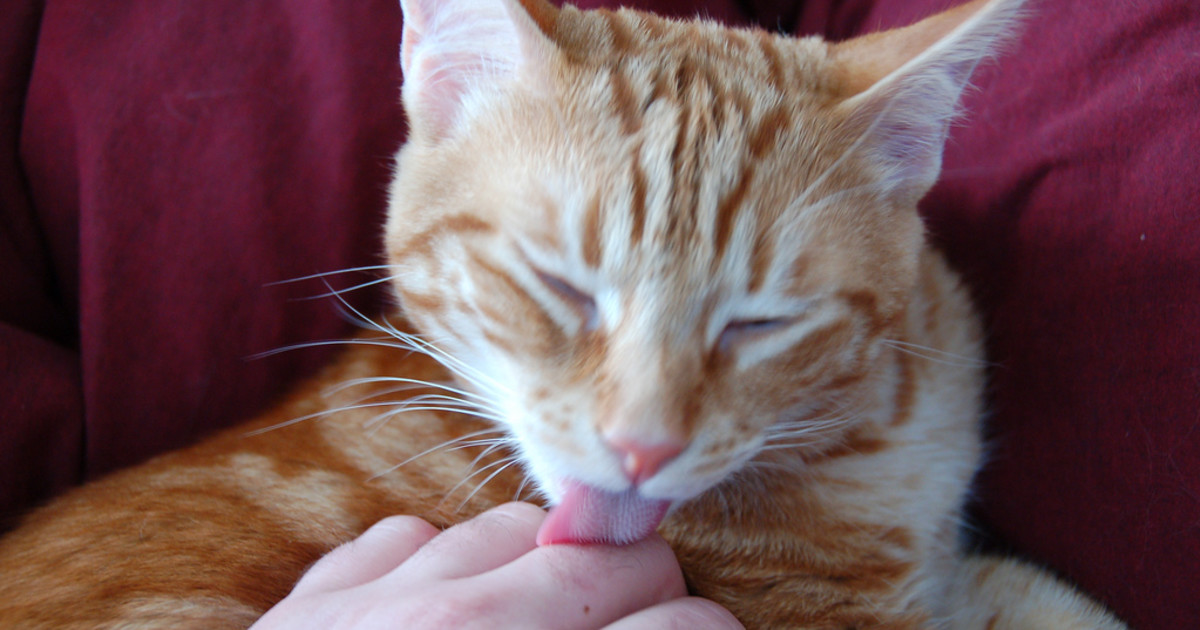
Have you ever wondered why your cat licks themselves but never tries to groom you? It can feel confusing and even a little disappointing when your furry friend doesn’t return the affection in the way you expect.
You might ask yourself, “Why does my cat not groom me? ” Understanding this behavior can bring you closer to your pet and help you appreciate the unique ways cats show love. Keep reading to discover the surprising reasons behind this and how you can strengthen your bond with your cat.
Cat Grooming Behavior
Cats are known for their meticulous grooming habits, but have you ever wondered why your cat doesn’t groom you the same way? Understanding cat grooming behavior can shed light on this curious question. Grooming is an essential part of a cat’s daily routine, serving multiple purposes beyond cleanliness.
How Cats Groom Themselves
Cats use their tongues, teeth, and paws to keep their fur clean and untangled. Their rough tongues help remove dirt and loose hair while spreading natural oils across their coat.
Grooming also helps cats regulate their body temperature and reduce stress. When you see your cat licking its fur, it’s not just about staying clean—it’s about feeling comfortable and calm.
Grooming Among Cats
When cats groom each other, it’s called allogrooming. This behavior builds social bonds and establishes trust within their group.
Interestingly, cats usually groom those they feel close to, like family members or close companions. So, if your cat isn’t grooming you, it might mean they see you differently than another cat.
Have you noticed your cat grooming certain people or pets but not you? This could reflect the unique relationship your cat has with each individual.
Credit: pethelpful.com
Grooming And Bonding
Cats use grooming to build strong bonds. It is a key way they show trust and friendship. Grooming helps cats feel close and safe with each other. This behavior sometimes extends to humans, but not always. Understanding why cats groom each other can explain their actions towards people.
Grooming As Social Bonding
In the wild, cats groom to keep clean and connect. They lick each other’s fur to share scent and comfort. This act shows acceptance and peace within the group. It lowers stress and strengthens ties between cats. Grooming signals that they are friends, not foes.
Mother cats groom their kittens to care for them. Kittens learn grooming as a way to interact and stay close. Adult cats also groom friends to reinforce their social bonds. Grooming is a peaceful, friendly gesture.
When Cats Groom Humans
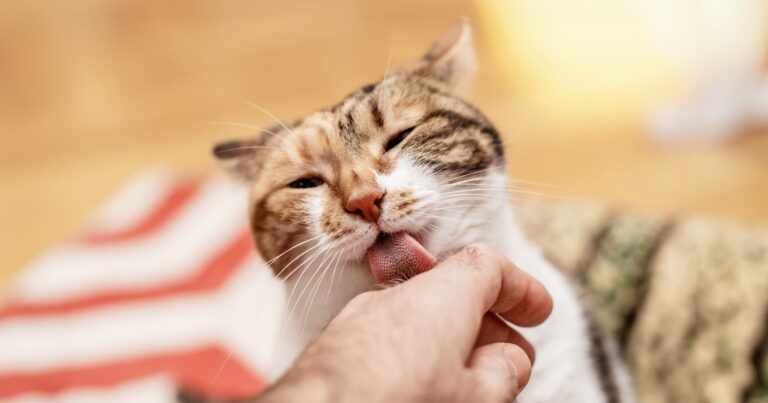
Some cats groom their owners to show love and trust. They may lick your skin or hair gently. This behavior is a sign they feel safe and part of your family. Not all cats groom humans though. Some prefer to show affection in other ways.
Cats may not groom you because:
- They don’t see you as a fellow cat.
- They use other ways to bond, like rubbing or purring.
- They might be shy or unsure.
Understanding these points helps explain why your cat may or may not groom you. Their ways of bonding can be different but still strong.
Reasons Cats Avoid Grooming You
As a cat owner, you might wonder why your feline friend doesn’t groom you the way you’ve seen cats groom each other. While cats are known for their meticulous grooming habits, they may not extend this behavior to their human companions. Understanding the reasons behind this can help deepen your bond with your cat and ensure their well-being.
Lack Of Familiarity
Cats usually groom those they feel close to, and if your relationship with your cat is still developing, they might not see you as part of their grooming routine yet. Building familiarity takes time and patience. Spend quality time with your cat, and soon they might start including you in their grooming circle.
Stress And Anxiety
A stressed or anxious cat is less likely to groom themselves, let alone their human. If your cat is experiencing stress due to changes in their environment, this could be a reason for their reluctance. Consider their surroundings and try to identify any stressors that might be affecting them.
Scent And Taste Differences
Cats are sensitive to scents and tastes, and your skin might carry unfamiliar or unpleasant smells for your feline. Your soap, lotion, or even natural body odor might be off-putting. Try using unscented products to see if this makes a difference in their behavior.
Health Issues
Health problems can also be a reason your cat avoids grooming you. Issues like dental pain or arthritis can make grooming uncomfortable. If you suspect a health problem, consult your vet to rule out any underlying conditions.
Personality And Preferences
Just like people, cats have unique personalities and preferences. Some cats are more solitary and prefer not to engage in grooming rituals with others. Respecting your cat’s individuality is key to a harmonious relationship.
Credit: www.diamondpet.com
How To Encourage Grooming
Encouraging your cat to groom you can deepen the bond you share and make your interactions more rewarding. Grooming is a sign of affection and trust in the feline world, but not every cat naturally extends this behavior to humans. Understanding how to foster this habit requires patience and the right approach tailored to your cat’s comfort and personality.
Building Trust
Trust is the foundation of any close relationship with your cat. Spend quiet moments near your cat without forcing interaction. Let your cat approach you on their own terms to feel safe and secure.
Try gentle petting in areas your cat enjoys, like behind the ears or under the chin. Notice how your cat reacts and respect their limits. Your cat is more likely to groom you if they see you as a calm and trustworthy companion.
Creating A Calm Environment
A noisy or chaotic space can make your cat anxious and less likely to groom. Keep the environment peaceful and free from sudden loud sounds or movements. Soft lighting and a comfortable temperature also help your cat relax.
Consider playing soft music or white noise if your home is usually busy. A calm cat is more open to bonding behaviors like grooming.
Using Positive Reinforcement
Reward your cat when they show any grooming-related behavior, like licking your hand or rubbing against you. Use treats, gentle praise, or soft petting immediately after they engage in these actions.
This positive feedback helps your cat connect grooming with pleasant experiences. Over time, they may groom you more often as they seek your approval and rewards.
Regular Play And Interaction
Active play strengthens your bond and increases your cat’s comfort around you. Use toys that mimic prey, like feather wands or laser pointers, to engage your cat in fun and stimulating activity.
After playtime, your cat may feel more relaxed and affectionate, making them more likely to groom you. How often do you take time to play with your cat daily? Increasing this can improve your overall relationship.
When To Seek Vet Advice
Not grooming you can mean your cat is uncomfortable or unwell. Knowing when to seek vet advice is important. Early action can prevent serious problems.
Signs Of Discomfort
Your cat may show discomfort in many ways. Watch for:
- Excessive scratching or licking themselves
- Flinching when touched
- Hiding more than usual
- Growling or hissing unexpectedly
These signs suggest your cat might be in pain. A vet can check for causes.
Behavioral Changes
Sudden changes in behavior can be a red flag. Notice if your cat:
- Stops grooming altogether
- Loses interest in playing
- Eats less or more than usual
- Becomes unusually aggressive or withdrawn
Such changes may indicate stress or illness. A vet visit helps identify the problem.
Physical Health Concerns
Physical issues can stop grooming. Look for:
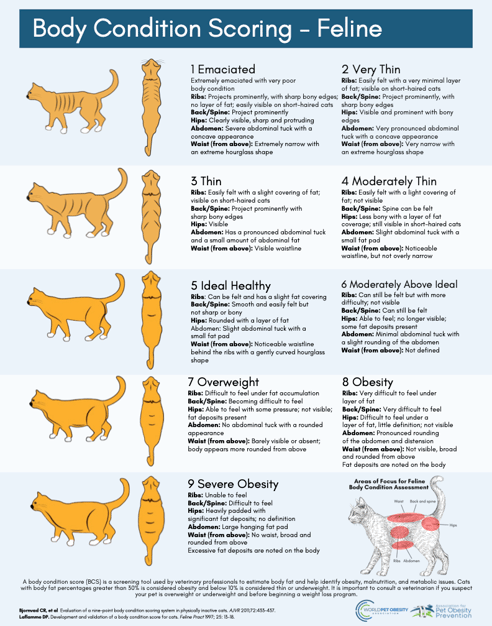
- Weight loss or gain
- Visible wounds or swelling
- Hair loss or dull coat
- Difficulty moving or jumping
These signs need prompt veterinary attention. The vet can diagnose and treat underlying health problems.
Credit: www.preventivevet.com
Frequently Asked Questions
Why Doesn’t My Cat Groom Me Like Itself?
Cats groom themselves for hygiene and comfort. Grooming humans is less natural and depends on their bond and trust with you.
Can A Cat Refuse Grooming Its Owner?
Yes, cats may avoid grooming owners if stressed, uncomfortable, or unfamiliar with the person’s scent or behavior.
Does A Cat Grooming Me Mean Affection?
Yes, grooming you is a sign of trust and affection. It shows your cat sees you as family.
How Can I Encourage My Cat To Groom Me?
Build trust by spending quality time, petting gently, and maintaining a calm environment to encourage grooming behavior.
Conclusion
Cats show love in many ways, not just grooming. Each cat has its own style of bonding. They may lick themselves more than others. Sometimes, they just prefer quiet affection. Understanding your cat’s behavior builds a stronger bond. Patience and care help your cat feel safe.
Watch for small signs of trust and love. Your cat’s way is unique, just like them. Keep enjoying your time together every day.

Leave a Reply