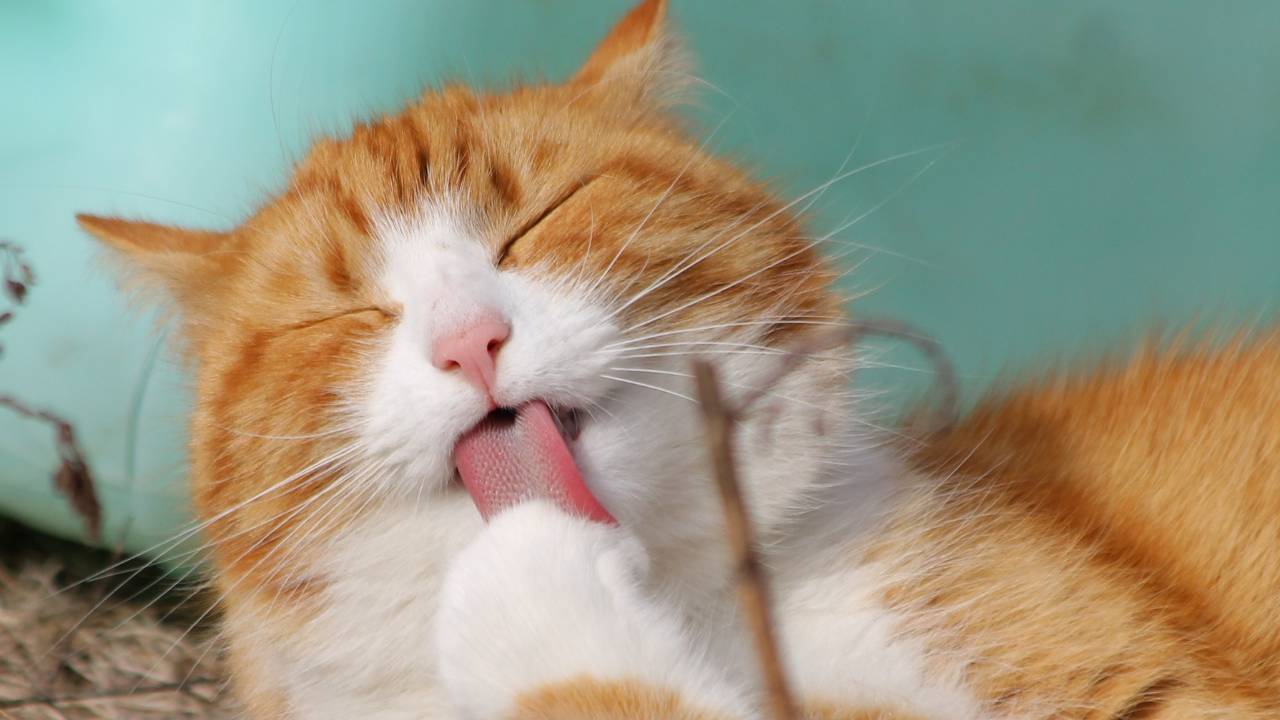
Have you ever noticed your cat nibbling at its fur while grooming and wondered why? It might seem odd or even a little worrying.
Understanding this behavior can help you connect better with your furry friend and ensure their health and happiness. You’ll discover the surprising reasons behind your cat’s nibbling, what it means for their well-being, and when it might be time to take action.
Keep reading to learn what your cat is really trying to tell you.
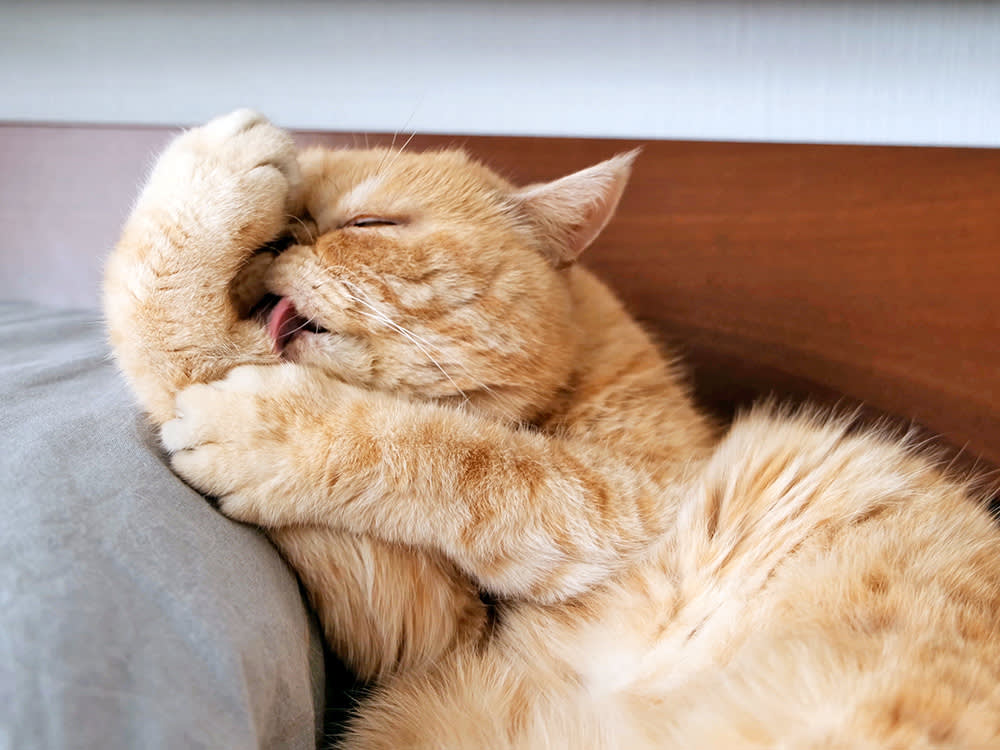
Credit: www.kinship.com
Common Grooming Behaviors
Understanding your cat’s grooming habits can reveal a lot about their mood and health. Cats don’t just clean themselves; they communicate through their grooming behaviors. Recognizing these patterns helps you respond better to their needs and strengthens your bond.
Licking Patterns
Licking is the core of a cat’s grooming routine. You might notice your cat licking certain spots repeatedly, especially around the face, neck, and paws. This is not just about cleanliness—it’s a way for cats to soothe themselves or cool down.
Sometimes, your cat will lick you gently too. This can be a sign of affection or an invitation to groom you back. Pay attention to how long and how often they lick; excessive licking in one area could signal stress or skin irritation.
Gentle Biting Vs. Nibbling
Nibbling during grooming often confuses cat owners. Is it playful or aggressive? Usually, gentle biting or nibbling is part of grooming etiquette among cats. It’s a way for them to remove loose fur or dirt that licking alone can’t handle.
Watch your cat’s body language to tell if the nibbling is friendly. Relaxed eyes and slow blinks mean your cat is comfortable. But if the nibbling turns hard or your cat stiffens, it might be a sign to give them some space.

Credit: tryfurgo.com
Reasons Behind Nibbling
Cats nibbling while grooming might seem odd at first, but it’s a common behavior with several underlying reasons. Understanding why your cat nibbles can help you respond appropriately and strengthen your bond. Let’s look at the main reasons behind this nibbling habit and what it might mean for your furry friend.
Affection And Bonding
Nibbling is often a sign of affection. Cats groom each other as a way to bond, and when your cat nibbles you, it’s a gesture of trust and closeness. Think about how your cat gently nibbles your hand after petting—this shows they feel safe and connected to you.
Have you noticed your cat nibbling more when you spend time together? This behavior helps deepen your relationship and communicates love without words.
Skin Irritation Or Discomfort
Sometimes nibbling signals that your cat is trying to soothe an itch or irritation. Your cat might have dry skin, fleas, or even an allergy causing discomfort. When you see nibbling paired with scratching or licking a specific spot, it’s a good idea to check for skin issues.
Ignoring these signs could lead to more serious problems. If your cat constantly nibbles or bites, consider visiting a vet to rule out any health concerns.
Playfulness And Attention Seeking
Nibbling can also be a playful gesture or a way to grab your attention. Cats use gentle nibbles during play to engage with you. If your cat feels ignored, nibbling might be their way of saying, “Hey, look at me!”
Next time your cat nibbles, observe their body language. Are they relaxed and playful, or restless? Responding with a toy or some attention can satisfy their need for interaction and prevent unwanted biting.
Health Concerns To Watch For
Cats often nibble while grooming for various reasons. Sometimes, it signals health issues. Observing your cat’s behavior helps identify potential problems early.
Parasites And Allergies
Parasites like fleas or ticks can irritate your cat’s skin. This leads to excessive grooming and nibbling. Allergies also cause itchiness, prompting your cat to nibble. Common allergens include pollen and certain foods. Regular vet check-ups can prevent these issues.
Dental Issues
Your cat might nibble due to dental pain. Gum disease or tooth decay can cause discomfort. Cats may groom more often to relieve the pain. Check your cat’s mouth for redness or swelling. Regular dental care is essential for your cat’s health.
Stress And Anxiety Indicators
Stress can cause unusual grooming habits. A cat may nibble more when anxious. Changes in their environment can trigger stress. New pets or moving homes are common stressors. Providing a calm space helps reduce anxiety in cats.
How To Respond To Nibbling
Nibbling during grooming can catch you off guard. It’s your cat’s way of communicating or exploring, but it might not always feel pleasant. Knowing how to respond calmly can help you strengthen your bond and make grooming a positive experience for both of you.
Redirecting Behavior
If your cat starts nibbling, gently redirect their attention. Offer a favorite toy or a soft brush to focus their energy elsewhere. This teaches your cat that nibbling isn’t part of grooming, but play or gentle touch is welcome.
Try to notice early signs of nibbling, like a twitch in their whiskers or a sudden pause in licking. Stopping the grooming session briefly can prevent escalation. Have you noticed your cat’s subtle cues before nibbling begins?
Providing Proper Grooming Tools
Using the right tools can reduce nibbling. Some cats prefer soft-bristled brushes or grooming gloves that mimic the sensation of a mother cat’s tongue. Experiment with different textures to find what your cat enjoys most.
Tools that make grooming feel less like a chore can keep your cat calm. For example, a grooming glove lets your cat feel more in control. Are you using grooming tools that suit your cat’s unique preferences?
Consulting A Veterinarian
If nibbling turns into biting or seems aggressive, a vet visit is important. Sometimes, nibbling signals discomfort or an underlying health issue. A professional can check for skin problems or dental pain that you might not see.
Don’t hesitate to ask your vet about behavioral advice. They might suggest calming techniques or recommend a specialist. How often do you think about your cat’s health when they show unusual behaviors?
Preventive Measures
Preventive measures help reduce your cat’s nibbling during grooming. They keep your cat healthy and relaxed. Knowing these steps improves your cat’s comfort. It also strengthens your bond with your pet.
Regular Health Checks
Regular vet visits catch health problems early. Pain or irritation can cause nibbling while grooming. Your vet can check for skin issues, teeth problems, or infections. Treating these conditions stops discomfort and nibbling. Keep a schedule for routine checkups and vaccinations.
Interactive Playtime
Playtime helps your cat release energy and stress. A tired cat grooms calmly without nibbling. Use toys like feather wands or balls to engage your cat. Short, frequent play sessions work best. This keeps your cat happy and less anxious.
Creating A Calm Environment
A peaceful space helps your cat feel safe. Loud noises or sudden movements can cause stress. Choose a quiet area for grooming sessions. Soft lighting and gentle voices calm your cat. Use a soft brush and move slowly to avoid startling your cat.

Credit: www.reddit.com
Frequently Asked Questions
Why Does My Cat Nibble During Grooming?
Cats nibble during grooming to remove dirt and loose fur. This behavior also stimulates blood flow and helps them relax. Nibbling can be a sign of affection or a way to bond with their owner or other cats.
Is Cat Nibbling A Sign Of Affection?
Yes, nibbling can indicate affection. Cats often nibble gently to show love and trust. It’s a way to bond and communicate comfort and safety with their human or other pets.
Can Cat Nibbling Mean Irritation Or Pain?
Sometimes, nibbling may signal irritation or pain. If your cat nibbles excessively on one spot, check for skin issues or discomfort. Consult a vet if the behavior is persistent or aggressive.
How To Stop My Cat From Nibbling Too Hard?
To stop hard nibbling, gently redirect your cat with toys or treats. Avoid rough play that encourages biting. Consistent, calm training helps teach your cat appropriate nibbling behavior.
Conclusion
Cats nibble during grooming to clean and bond with you. This gentle nibbling shows trust and care. Sometimes, it helps remove loose fur or dirt. Watching your cat’s nibbling can strengthen your connection. Pay attention to their mood to understand their needs.
Always respond kindly to keep grooming positive. Enjoy these small moments that show love. Your cat’s nibbling is a natural and sweet habit. It tells a story of comfort and friendship.

Leave a Reply