Have you ever noticed your cat meowing while chasing a toy and wondered why? It’s a curious sound that can leave you puzzled.
Your furry friend isn’t just making noise for no reason—there’s a deeper meaning behind those playful meows. Understanding why your cat vocalizes during play can help you connect with them on a whole new level. Keep reading, and you’ll discover surprising reasons that will change how you see your cat’s playful moments forever.

Credit: moderncat.com
Cat Vocalizations During Play
Cats use sounds to express themselves during play. These vocalizations show excitement, curiosity, or alertness. Understanding these sounds helps you connect better with your cat. Playtime meows differ from regular meows used for communication.
Types Of Meows Cats Use
- Short meows: Quick and light, showing interest or invitation to play.
- Chirps and trills: Happy and playful, often when cats are excited.
- Low-pitched meows: Can mean focus or mild frustration during play.
- Repeated meows: Asking for attention or encouraging interaction.
Differences Between Play And Communication Meows
Play meows are usually higher in pitch and softer. They express joy or curiosity. Communication meows tend to be clearer and more direct. These can signal hunger, discomfort, or a call for attention.
During play, meows are often mixed with purring or chirping. Communication meows stand alone or are more urgent. Recognizing these differences improves your understanding of your cat’s mood.
Credit: www.rd.com
Instincts Behind Meowing
Understanding why your cat meows while playing with a toy reveals a lot about their natural instincts. These vocalizations are not random noises but meaningful sounds rooted deeply in their behavior. Your cat’s meow during play reflects an ancient survival skill linked to hunting and communication.
Hunting And Predatory Behaviors
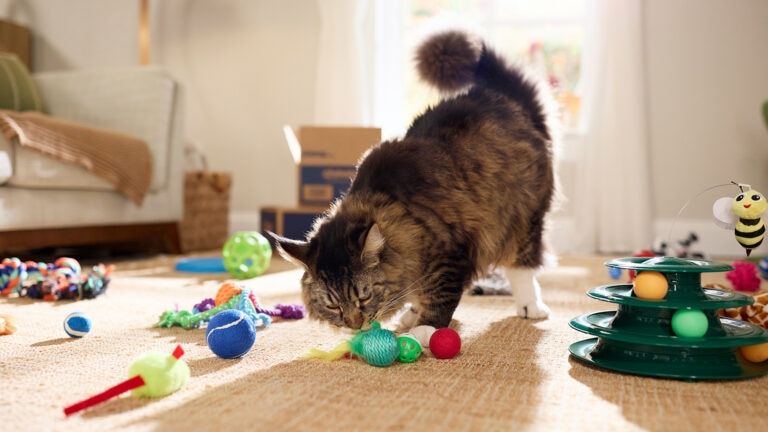
Cats are natural hunters, even if their prey is just a toy. When your cat meows during play, it often mimics the sounds they make while stalking or catching prey. This behavior taps into their predatory instincts, helping them practice skills needed for survival.
Think about how your cat’s eyes focus intensely and their body tenses before a quick pounce. The meow adds to this hunting ritual, signaling excitement or frustration. Have you noticed if your cat’s meows change when the toy “escapes” or when they catch it?
Mimicking Prey Sounds
Some cats meow to imitate the sounds their prey might make. This can lure the “prey” closer or confuse it, making the hunt easier. Your cat’s meowing during play might be an attempt to recreate this natural strategy.
This mimicry is a clever way for cats to engage with their toys more realistically. It also shows how deeply their instincts are wired, even in a safe home environment. Next time your cat meows at a toy, listen carefully—are they trying to trick it like real prey?
Emotions Expressed Through Meowing
Cats are fascinating creatures, and their meowing can be a window into their emotions. When your cat meows while playing with a toy, it’s not just random noise. These vocalizations often reflect a range of emotions your feline friend is experiencing during playtime.
Excitement And Joy
Have you ever noticed your cat’s eyes widening as they pounce on their favorite toy? This is a sign of excitement and joy. When your cat meows in these moments, they are likely expressing their happiness and enthusiasm.
Think about the last time you saw your cat chasing a feather or batting at a ball. The meows during these activities are similar to a child giggling during a game. It’s their way of sharing their delight with you, inviting you to enjoy the moment alongside them.
Frustration Or Overstimulation
On the flip side, meowing can sometimes indicate frustration or overstimulation. If a toy is too challenging or if play becomes too intense, your cat might vocalize their discomfort. This is not a cause for alarm but an opportunity to assess the situation.
Consider whether the toy is too difficult to catch or if playtime has gone on a bit too long. Sometimes, a simple change, like switching to a different toy or giving your cat a short break, can help ease their frustration. Listening to these cues can enhance your bonding time and ensure your cat’s playtime remains enjoyable.

Credit: moderncat.com
Attention-seeking Behavior
Cats meow during play to get attention from their owners. This behavior shows their desire to connect and engage. When your cat vocalizes while playing, it often means they want you to join the fun or respond to their actions.
Engaging Owners During Playtime
Meowing helps cats involve their owners in play. They want you to notice their moves and react. Your response encourages them to keep playing and exploring.
Some cats meow to invite you to chase or pounce with them. This vocalization acts like a call for shared activity. It strengthens the bond between you and your pet during play.
Requesting Interaction Or Feedback
Cats use meows to ask for more attention or guidance. They may seek your hand to pet or a change in toy motion. Your feedback helps them understand how to play better.
When your cat meows, they expect a response. This could be a gentle touch, words, or a new toy movement. It makes playtime more rewarding and fun for them.
Health And Comfort Signals
Cats use meowing to communicate many feelings during playtime. Their sounds can show health and comfort signals. Understanding these signals helps keep cats happy and safe. Sometimes meowing means something is wrong.
Pain Or Discomfort Indicators
A cat meowing while playing might signal pain. Sharp or unusual sounds can show discomfort. Watch for limping or avoiding certain movements. Persistent meowing during play suggests injury or soreness. Check paws, joints, and muscles for problems. Early action prevents serious health issues.
Stress And Anxiety Cues
Meowing can also show stress or anxiety. Loud or frequent meows may indicate nervousness. New toys or changes in environment might upset cats. They use sounds to ask for reassurance. Calm your cat and provide a safe space. Stress relief improves playtime and overall well-being.
How To Respond To Your Cat’s Meows
Understanding how to respond to your cat’s meows during playtime can strengthen your bond and make play more enjoyable for both of you. Your cat uses meows as a way to communicate excitement, frustration, or even a request for interaction. Paying attention to these vocal signals helps you tailor your responses and create a positive play environment.
Encouraging Positive Play
When your cat meows while playing, it’s often a sign of enthusiasm or an invitation to keep the fun going. Respond by using toys that mimic prey movements, such as feather wands or laser pointers, to keep your cat engaged and stimulated.
Try to match your cat’s energy by moving the toy unpredictably, encouraging her natural hunting instincts. Praise your cat gently or offer a small treat after a successful play session to reinforce good behavior. This not only makes playtime rewarding but also teaches your cat that meowing during play leads to positive outcomes.
Managing Overstimulation
Sometimes, meowing signals that your cat is becoming overstimulated or frustrated. Watch for signs like rapid tail flicking, dilated pupils, or sudden aggression, which often accompany vocalizations.
If you notice these signs, pause the play immediately and give your cat a moment to calm down. Offering a quiet space or a favorite toy to chew on can help reduce stress.
Have you noticed your cat’s meows changing tone during play? Recognizing this can help you prevent overstimulation and keep playtime fun and safe.
Frequently Asked Questions
Why Does My Cat Meow During Toy Play?
Cats meow during play to express excitement and engagement. It’s their way to communicate joy or to invite interaction. This vocalization mimics hunting behavior, making playtime more stimulating and fun for your cat.
Is Meowing While Playing A Sign Of Stress?
Not usually. Meowing during play typically shows excitement, not stress. However, if the meow sounds distressed or is constant, it might indicate discomfort or overstimulation. Observe your cat’s body language to better understand their feelings.
Can Meowing Mean My Cat Wants More Play?
Yes. Cats often meow to signal they want to continue playing. It’s their way of requesting more interaction and attention from their owner. Responding to these meows helps strengthen your bond and keeps your cat happy.
Do All Cats Meow When Playing With Toys?
No. Some cats are naturally quieter and may not meow during play. Vocalization depends on the cat’s personality and breed traits. Each cat expresses excitement differently, either through sounds or body language.
Conclusion
Cats meow during play to express excitement and communicate. This behavior shows they enjoy the toy and feel engaged. Listening to your cat’s sounds helps you understand their mood better. Playtime is a chance for cats to practice hunting skills and stay active.
Offering toys that spark meowing can strengthen your bond with your pet. Every cat is unique, so watch their cues closely. Enjoy these special moments—they reveal your cat’s playful spirit.

Leave a Reply