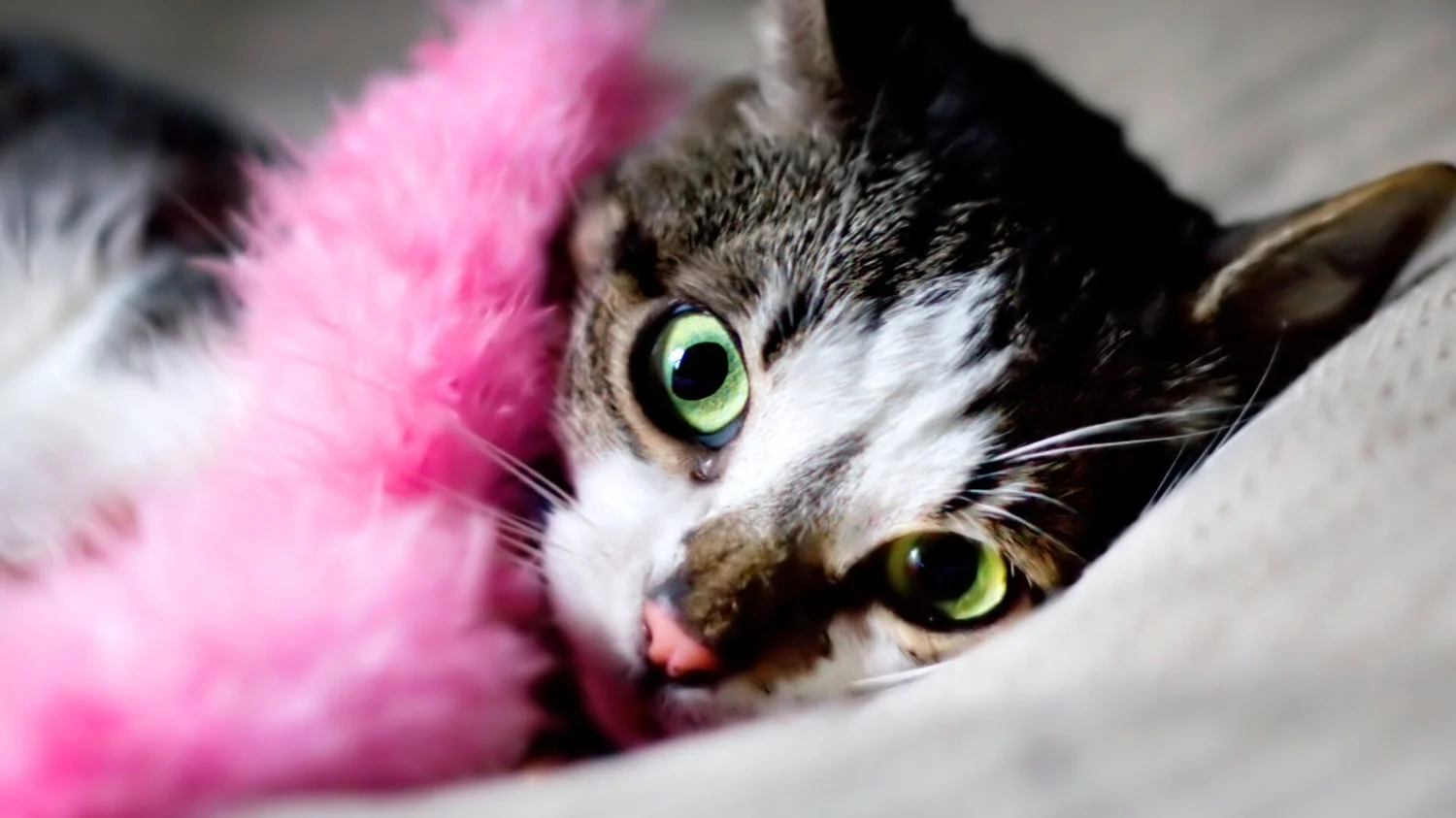
Have you ever noticed your cat meowing at her toy and wondered why she does it? It’s a curious behavior that can leave you scratching your head.
Your furry friend isn’t just making noise for no reason—there’s a fascinating story behind those meows. Understanding why your cat talks to her toy can help you connect with her better and even make playtime more enjoyable. Keep reading, and you’ll discover the surprising reasons behind this quirky habit and what it means for your bond with your cat.
Cat Vocalizations And Behavior
Cats use sounds to express feelings and needs. Their vocalizations show a range of emotions. Understanding these sounds helps decode their behavior. Cats meow for many reasons, including attention or play. When a cat meows at her toy, she might be trying to communicate something specific.
Common Cat Sounds
- Meow:A typical sound to get attention or express needs.
- Purr:Often a sign of contentment or comfort.
- Hiss:A warning or sign of fear and discomfort.
- Chirp or Trill:Usually a happy greeting or excitement.
- Growl:Indicates anger or a threat.
Meowing As Communication
Meowing is mainly for talking to humans, not other cats. Cats learn that meowing gets a response from people. A cat meowing at her toy may act like it is alive. This behavior shows her hunting instincts and playfulness. The meow can express excitement or frustration during play. Sometimes, cats use meows to invite interaction or attention.
Interaction With Toys
Cats often treat their toys as more than just objects. They see them as companions or challenges. This interaction leads to vocal sounds like meowing. Understanding why your cat meows at her toy helps you know her better.
Toys As Playmates
Your cat may see the toy as a friend or rival. She talks to it as if it understands her. Meowing shows her excitement or curiosity. It also invites interaction, hoping you join the play. This behavior reflects her social nature. Toys become a way to express feelings and energy.
Stimulating Hunting Instincts
Meowing at toys can mimic hunting communication. Cats use sounds to signal during a hunt. The toy represents prey, and meowing shows focus and alertness. It helps her stay engaged and sharp. This vocalization is part of her natural instincts. It keeps her mind active and body ready.
Seeking Attention
When your cat meows at her toy, she might be trying to get your attention. Cats quickly learn that vocalizing can bring you closer or prompt interaction. This behavior often shows her desire to engage with you rather than just playing alone.
How Cats Use Meows To Engage
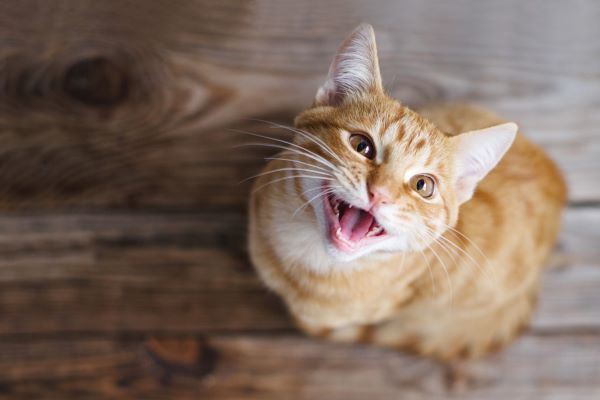
Cats don’t meow at each other much; they mostly use meows to communicate with humans. When your cat meows at her toy, she might be inviting you to join the play. It’s her way of saying, “Look what I found! Will you play with me?”
Pay attention to the tone and frequency of the meows. A soft, repetitive meow usually means she wants gentle attention, while louder, persistent meows can signal frustration or impatience. Your cat is using her voice as a tool to connect and involve you.
Signs Your Cat Wants Interaction
Besides meowing, your cat may show other signs that she wants you to engage with her and her toy:
- Pawing at the toy while looking at you
- Bringing the toy to you or dropping it near your feet
- Following you around with the toy in her mouth
- Rubbing her head or body against you after meowing
Have you noticed your cat’s body language matching her meows? Recognizing these cues helps you respond better. Offering a few minutes of playtime when she signals can strengthen your bond and reduce her vocal demands.

Credit: moderncat.com
Expressing Frustration Or Excitement
Cats use meowing to share their feelings with you. When your cat meows at her toy, she might be showing excitement or frustration. These sounds help her express what she feels during playtime.
Excitement happens when your cat is focused on catching or chasing her toy. Frustration can arise if she can’t catch it or if the toy moves too fast. Understanding these feelings helps you respond better to her needs.
Meowing During Play
Your cat’s meow often grows louder or more frequent while playing. She may vocalize to encourage herself or get your attention. Sometimes, the sounds mimic hunting calls she would use in the wild.
Meowing can also mean she is thrilled by the chase. Her excitement builds as she stalks and pounces on the toy. This noise is a sign of engagement and fun.
Frustration Signals
Sharp, short meows may indicate frustration. If your cat struggles to catch the toy, she might express annoyance. This happens when the toy moves too fast or unpredictably.
Other signs of frustration include pawing at the toy without success or suddenly stopping play. Watch for tense body language and focused eyes. These clues show she wants to catch the toy but finds it difficult.
Mimicking Real Prey
Cats often meow at their toys because they mimic real prey. This behavior is instinctual, stemming from their hunting instincts. It adds excitement to their playtime.
Cats are fascinating creatures, often leaving us puzzled by their quirky behaviors. One such behavior is when your cat meows at her toy. This might seem like a simple act of play, but it is deeply rooted in instinctual behavior. Cats are natural hunters, and their toys often mimic the movements and sounds of real prey, triggering their hunting instincts.Toy Movement And Sound
The way a toy moves can captivate a cat’s attention. Toys that wiggle, bounce, or roll mimic the erratic movements of small animals. This can trigger a cat’s instinctual desire to hunt, pounce, and capture. Sound plays a crucial role too. Toys that squeak, rustle, or jingle can create an auditory stimulus that further mimics prey. Have you ever noticed your cat going into a crouch when a toy makes a sudden noise? This is a classic hunting posture, showing how deeply ingrained these instincts are.Triggering Vocal Responses
Why does your cat meow at her toy while playing? This vocalization can be a response to excitement or frustration. Much like a hunter might call out, your cat might vocalize as a way to communicate her focus or alertness. It’s also possible that your cat is seeking your attention. Does she want you to join in the fun or admire her prowess? By meowing, she might be inviting you to share in her playful world.Bonding And Emotional Expression
Understanding why your cat meows at her toy can open a window into her emotional world. Cats use vocalizations to express feelings and deepen connections. When your cat interacts vocally with her toy, she is often sharing her emotions and strengthening her bond with you through play.
Affection Through Vocalization
When your cat meows at her toy, she may be expressing affection. Cats often use meows to communicate with their favorite humans and sometimes with objects that hold emotional significance. This vocal behavior can show that your cat feels comfort and attachment during play.
Have you noticed your cat making different sounds for different toys? She might be “talking” to her favorite one, showing a unique connection. Responding with gentle encouragement can build her confidence and happiness.
Building Trust With Toys
Your cat’s meowing at her toy also reflects trust-building. Toys often act as stand-ins for social interaction, helping shy or cautious cats practice communication. This vocalizing helps them feel safer and more connected to their environment.
Try observing which toys get the most meows. These toys might be helping your cat feel secure and emotionally supported. Encouraging playtime with these favored toys can nurture your bond and provide emotional comfort for your cat.
When To Consult A Vet
Noticing your cat meowing at her toy can be charming or puzzling. But how do you know when this behavior is normal or when it signals a need for veterinary advice? Understanding when to consult a vet helps you ensure your cat’s health and happiness.
Excessive Meowing Concerns
If your cat’s meowing becomes louder, more frequent, or persistent, it might be a sign of discomfort or stress. Cats rarely meow without reason, so excessive vocalization can hint at pain or illness.
Think about how often your cat meows at her toy compared to before. Has the tone changed? Does she seem restless or unable to settle down? These changes are worth discussing with your vet.
Behavioral Changes To Watch
Alongside meowing, observe any shifts in your cat’s behavior. Is she eating less, hiding more, or acting unusually aggressive or withdrawn?
Sometimes, subtle changes like reduced grooming or altered sleep patterns accompany unusual meowing. These signs together can indicate that your cat needs a health check.
Have you noticed any changes like these? Sharing these details with your vet can help pinpoint the issue quickly and get your cat the care she deserves.
Credit: bowwowinsurance.com.au

Credit: moderncat.com
Frequently Asked Questions
Why Does My Cat Meow At Her Toy?
Cats meow at toys to communicate play interest or excitement. It mimics hunting behavior and expresses curiosity or frustration. Meowing helps engage owners and signals the cat’s emotional state during playtime.
Is My Cat Meowing At Toys A Sign Of Stress?
Occasional meowing at toys is normal and not usually stress-related. However, excessive meowing may indicate frustration or anxiety. Monitor your cat’s behavior to ensure she is relaxed and enjoys playtime.
Can Meowing At Toys Mean My Cat Wants Attention?
Yes, meowing at toys can be a way for your cat to seek attention. Cats use vocalizations to engage owners and invite interaction during play.
Does Meowing At Toys Indicate Hunting Instincts?
Meowing at toys reflects your cat’s natural hunting instincts. Toys simulate prey, and vocalizing mimics communication used during hunting or capturing prey.
Conclusion
Cats meow at their toys to express curiosity and playfulness. This behavior shows they see toys as something alive or interesting. It helps them practice hunting skills in a safe way. Paying attention to these meows can deepen your bond with your cat.
Remember, your cat’s sounds are their way of sharing feelings. Enjoy these moments—they reveal your cat’s unique personality. Understanding why cats meow at toys makes playtime more fun. Keep watching and listening to learn what your cat tries to tell you.

Leave a Reply