Have you ever noticed your cat meowing right after using the litter box and wondered why? It can be surprising or even a little confusing when your furry friend suddenly vocalizes at that moment.
Understanding the reasons behind this behavior can help you ensure your cat is comfortable and healthy. You’ll discover the common causes of post-litter box meowing and what it might be trying to tell you. Keep reading to learn how to respond and keep your cat happy and at ease.
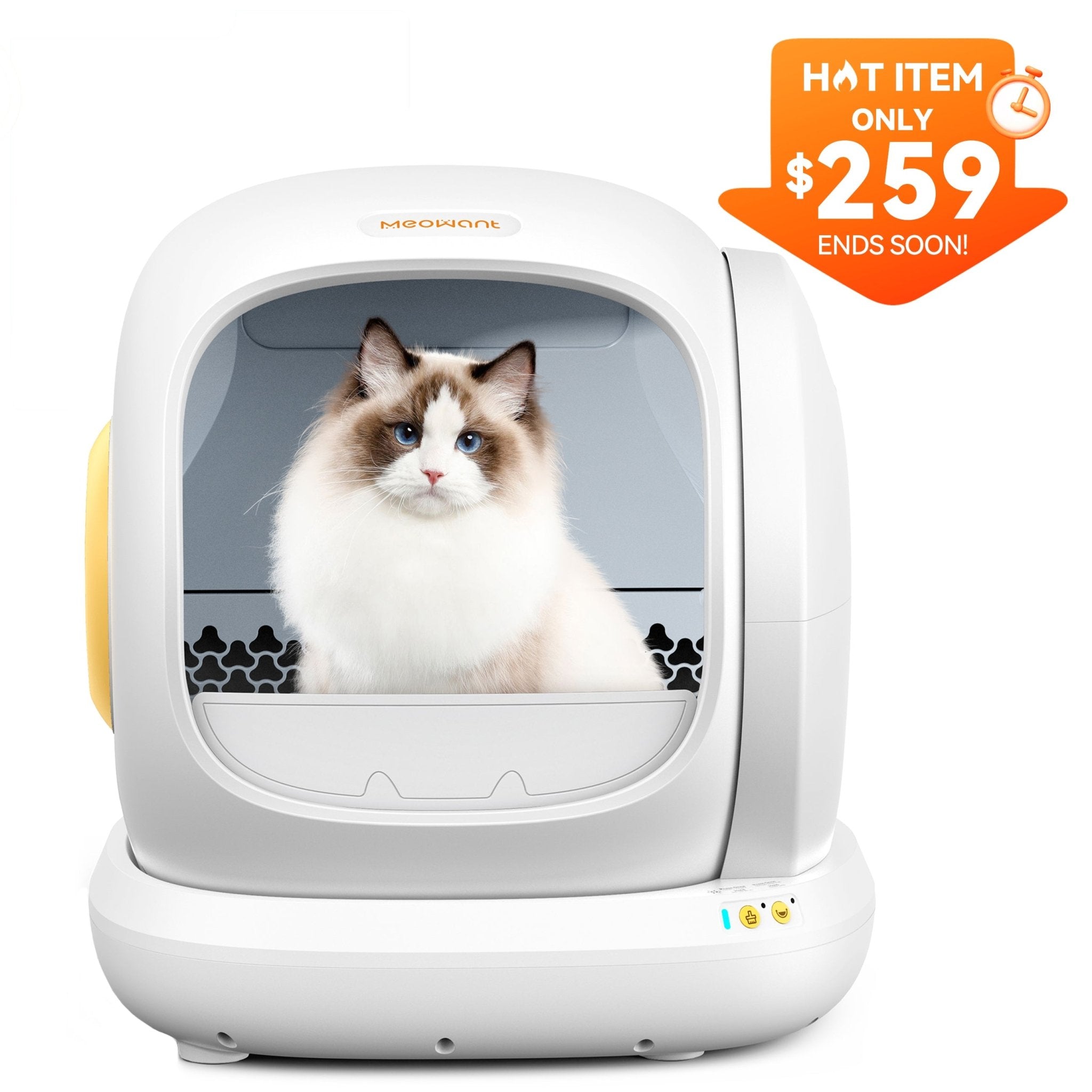
Credit: meowant.com
Common Reasons Cats Vocalize After Litter Box Use
Noticing your cat meow right after using the litter box can be puzzling. Cats don’t usually vocalize without a reason, so their meowing could be a form of communication. Understanding why your cat does this helps you respond appropriately and keep your feline friend comfortable.
Seeking Attention
Your cat might meow after using the litter box simply to get your attention. Maybe they want you to notice them or interact. If your cat is usually quiet but suddenly becomes vocal, ask yourself: have you been spending enough quality time together lately?
Sometimes, a quick pet or gentle praise after they finish can satisfy their need for connection. You could also try adding playtime after litter box use to make it a positive routine.
Expressing Discomfort
Meowing after using the litter box might signal that your cat feels discomfort or pain. This could point to urinary tract infections or digestive issues. Watch for other signs like frequent attempts to urinate, blood in the litter, or changes in litter box habits.
If you notice these, a visit to the vet is necessary. Addressing health issues early prevents complications and eases your cat’s distress.
Communicating Anxiety
Cats often use vocalization to express anxiety or stress. Changes in their environment, new pets, or loud noises near the litter box can make them uneasy. If your cat’s meowing started after a big change, consider what might be triggering their anxiety.
Providing a quiet, clean, and safe litter box area can help reduce their stress. You might also try calming sprays or pheromone diffusers to make your cat feel more secure.

Credit: www.yahoo.com
Medical Causes Behind Post-litter Box Meowing
Noticing your cat meow after using the litter box can be worrying. Sometimes, this behavior points to medical issues that need your attention. Understanding these causes helps you respond quickly and keep your feline friend comfortable.
Urinary Tract Infections
Urinary tract infections (UTIs) are common in cats and often cause discomfort when urinating. Your cat might meow because it feels pain or burning during or after using the litter box. If you see your cat frequently visiting the litter box or straining to urinate, a vet visit is essential.
Left untreated, UTIs can lead to serious complications. You might notice blood in the urine or your cat licking its genital area more than usual. Catching this early can save your cat from unnecessary pain.
Bladder Stones
Bladder stones form when minerals crystallize in your cat’s bladder. These stones can irritate the bladder wall, causing pain and making your cat vocalize after urination. If your cat suddenly becomes restless after litter box trips, bladder stones might be the reason.
Sometimes the stones block urine flow, which is a medical emergency. Watch for signs like frequent attempts to urinate with little output or crying out loudly. Quick action can prevent life-threatening situations.
Digestive Issues
Digestive problems such as constipation or diarrhea can also cause your cat to meow after using the litter box. Straining to defecate or feeling discomfort can make your cat vocalize to get your attention. If your cat’s stool is hard, very soft, or there’s blood, these are red flags.
Digestive issues might also be linked to diet or stress. You can try adjusting your cat’s food or environment, but persistent problems need professional advice. How closely do you watch your cat’s litter box habits and stool quality?
Behavioral Factors Influencing Meowing
Understanding why your cat meows after using the litter box involves looking closely at their behavior. Cats often communicate through sounds, and meowing in this context can reveal important messages tied to their instincts and feelings. Let’s explore the key behavioral reasons behind this curious habit.
Territorial Marking
Meowing after using the litter box can be your cat’s way of marking territory. Although cats use scent to claim their space, vocalizing adds another layer to their communication. Your cat might be signaling to other pets or even you that this is their spot.
Have you noticed if the meowing increases when new animals or people enter the home? This could mean your cat feels the need to assert control over their environment more loudly.
Litter Box Preferences
Your cat’s meow might reflect dissatisfaction with their litter box setup. Cats are particular about cleanliness, texture, and even the location of their box. If they meow after using it, they could be telling you something isn’t quite right.
Try experimenting with different types of litter or moving the box to a quieter place. Small changes often lead to big improvements in your cat’s comfort and reduce their need to vocalize.
Stress And Environmental Changes
Stress often triggers unusual behavior in cats, including meowing after bathroom trips. Changes like moving to a new home, adding a pet, or even rearranging furniture can unsettle your cat. Their meow might be a way to express anxiety or seek reassurance from you.
Think about recent changes around your home. Offering extra attention and maintaining a consistent routine can help ease your cat’s stress and reduce these vocal cues.
How To Observe And Interpret Your Cat’s Signals
Understanding your cat’s signals is key to addressing their meowing after using the litter box. Cats communicate through various sounds and behaviors. Observing these can provide insights into their needs and well-being. Let’s explore the signs and signals your cat may show.
Monitoring Frequency And Tone
Pay attention to how often your cat meows. Frequent meowing might indicate discomfort or a health issue. Listen to the tone of their meow. A high-pitched or urgent meow can signal pain or distress. A soft, relaxed meow may simply mean they want attention or reassurance. Identifying these nuances helps address their needs effectively.
Noticing Physical Symptoms
Look for any physical changes in your cat. Check if they are grooming excessively or seem lethargic. Notice any changes in their appetite or weight. These can be signs of an underlying health problem. Addressing these symptoms early can prevent more serious issues.
Tracking Litter Box Habits
Observe how your cat uses the litter box. Note any changes in their routine. If your cat spends more time in the box or avoids it, this could indicate a problem. Ensure the litter box is clean and accessible. A dirty or hard-to-reach box can cause stress and behavioral changes.
Steps To Address Your Cat’s Post-litter Box Meowing
If your cat meows after using the litter box, it’s important to understand the reasons behind this behavior and take appropriate actions. Addressing this can improve your cat’s comfort and prevent potential health or stress issues. Here are practical steps you can take to help your feline friend feel secure and happy.
Veterinary Checkups
Start by scheduling a vet visit to rule out any medical problems. Cats often meow after using the litter box if they feel pain or discomfort due to urinary tract infections, bladder stones, or constipation.
During the checkup, mention the meowing behavior specifically. Your vet can perform tests and suggest treatments if necessary, giving you peace of mind about your cat’s health.
Improving Litter Box Setup
Check if your cat’s litter box is clean and comfortable. Cats prefer a clean, quiet spot with easy access. Dirty or smelly litter boxes can cause distress, leading to meowing.
Try different types of litter and boxes to find what your cat likes best. Some cats prefer covered boxes, while others want open ones. Adding an extra litter box in your home can also reduce stress and competition if you have multiple cats.
Reducing Stress Factors
Stress can make your cat vocalize more after using the litter box. Look around your home for things that might be stressing your cat, like loud noises, new pets, or changes in routine.
Provide quiet, cozy spaces where your cat can retreat. Interactive toys and regular playtime can help reduce anxiety. Have you noticed if your cat meows more during certain times or after specific events? Tracking this can help you identify and minimize stress triggers.
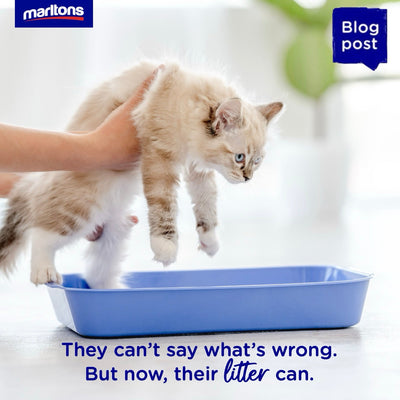
Credit: marltons.co.za
Frequently Asked Questions
Why Does My Cat Meow After Using The Litter Box?
Cats meow after using the litter box to communicate discomfort or seek attention. It may signal pain, stress, or a health issue. Observing their behavior helps identify if a vet visit is needed to rule out urinary tract infections or other problems.
Is My Cat’s Meowing After Litter Box Normal?
Occasional meowing after using the litter box can be normal. However, frequent or loud meowing may indicate pain or stress. Monitor your cat’s habits and consult a vet if meowing persists or is accompanied by other symptoms like straining or blood in urine.
Can Litter Box Issues Cause My Cat To Meow?
Yes, litter box problems like dirty litter or wrong type can cause meowing. Cats are sensitive to cleanliness and may vocalize discomfort. Regular cleaning and using preferred litter can reduce meowing and encourage healthy litter box habits.
When Should I Take My Cat To The Vet For Meowing?
Take your cat to the vet if meowing after litter box use is frequent, loud, or paired with signs like straining, blood, or changes in urination. These symptoms may indicate infections or urinary problems requiring prompt veterinary care.
Conclusion
Cats meow after using the litter box for many reasons. Sometimes, they want your attention or feel uncomfortable. They might also be telling you about pain or stress. Watching their behavior closely helps you understand them better. A clean, quiet litter box makes cats feel safe.
Always check for health problems if meowing lasts long. Patience and care build trust with your cat. Listening to their signals keeps them happy and healthy. Small changes can make a big difference. Your cat’s meow is their way to communicate.



Leave a Reply