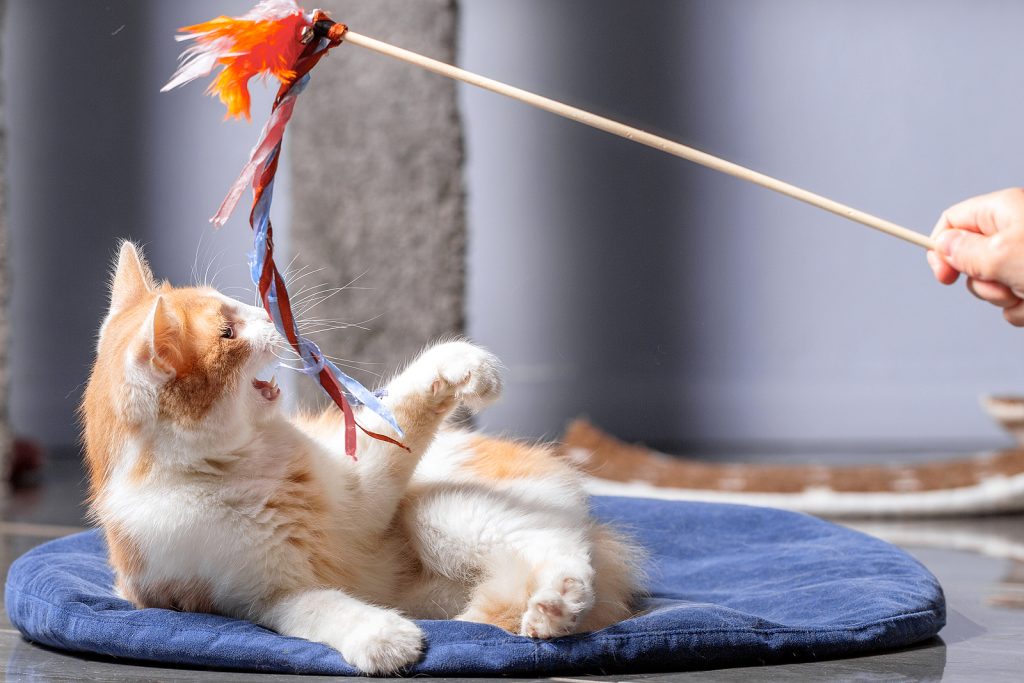
Have you ever noticed your cat meowing right after she catches her toy? It can be a bit puzzling.
Why does she make noise after the hunt is over? Understanding this behavior can help you connect better with your furry friend. You’ll discover the surprising reasons behind your cat’s meows and what they mean. Keep reading to learn how this small sound reveals big things about your cat’s feelings and instincts.

Credit: www.reddit.com
Cat Meowing Behavior
Have you ever noticed your cat meowing right after she catches her toy? This behavior can seem puzzling at first. Understanding why your cat uses meows in this moment gives you a clearer insight into her feelings and needs.
Common Cat Vocalizations
Cats use a range of sounds to express themselves, and meowing is just one of them. You might hear purring, hissing, chirping, or growling depending on the situation. Each sound carries a different meaning, so paying attention helps you respond better.
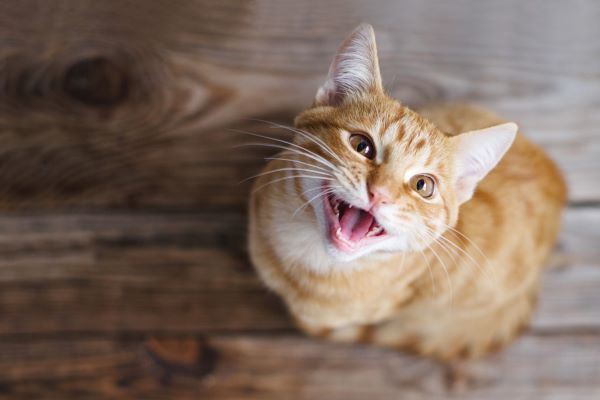
Meowing is unique because adult cats usually meow only to communicate with humans. Your cat’s meow after hunting her toy might signal excitement, frustration, or a call for your attention. Have you ever noticed if the tone changes when she meows after a successful “hunt”?
Meowing As Communication
When your cat meows after catching her toy, she could be trying to share her “catch” with you. It’s like she’s saying, “Look what I got!” This behavior reflects her natural hunting instincts combined with a desire to interact.
Sometimes, the meow might be a request for praise or encouragement. Your response teaches her what meowing gets her—attention, petting, or playtime. Try observing how your cat reacts when you talk back or praise her after she meows post-hunt.
Think about your own cat’s meows. Are they loud and urgent, or soft and inviting? This can guide you in understanding if she’s inviting you to join the fun or simply expressing her thrill.
Credit: bowwowinsurance.com.au
Hunting Instincts In Cats
Cats have strong hunting instincts that shape much of their behavior. These instincts come from their wild ancestors. Even indoor cats keep these natural drives alive through play and interaction. Understanding these instincts helps explain why cats meow after catching a toy. It shows their excitement and need to communicate their success.
Natural Predatory Drive
Cats are born hunters. Their senses are sharp to spot movement and sound. They use stalking, pouncing, and grabbing to catch prey. This drive is not just about food. It is about practice and survival skills. Meowing after a hunt can signal a cat’s alertness or a call to others. It reflects their natural urge to share their achievement.
Toy Hunting And Play
Toys mimic the movement of real prey. They trigger a cat’s hunting behavior in a safe way. Cats stalk and pounce on toys with great focus. Meowing after catching a toy may express excitement or frustration. It also invites interaction with their human companions. Play is essential for mental and physical health in cats.
Reasons For Meowing After Hunting
After your cat successfully hunts her toy, you might notice her meowing. This behavior can seem puzzling at first, but it often carries important meanings. Understanding why your cat vocalizes after play can help you connect better and respond to her needs effectively.
Seeking Attention Or Praise
Sometimes, your cat meows after catching her toy because she wants you to notice her achievement. She’s looking for your reaction—maybe a pet, a smile, or some verbal praise. Think about how you respond when she meows; positive feedback can encourage this behavior.
Have you ever caught your cat staring at you after a successful hunt? That’s her way of saying, “Look what I did!”
Expressing Excitement Or Frustration
Meowing can show excitement when your cat is thrilled about the chase and the catch. On the flip side, it might signal frustration if she feels the hunt wasn’t entirely satisfying. If the toy slips away too soon or the game ends abruptly, those meows may be her way of asking for more playtime.
Try observing the tone of her meow—is it sharp and urgent or soft and happy? This can give you clues about her feelings.
Mimicking Real Hunting Scenarios
Cats often replicate their natural hunting behaviors, and meowing can be part of that. In the wild, some cats vocalize to communicate with their kittens or other cats during a hunt. Your indoor cat might be instinctively mimicking this behavior, even if she’s just playing with a toy.
This makes you wonder: is your cat practicing her hunting “calls” as part of her natural instincts?
Communicating Success Or Ownership
After securing her “prey,” your cat’s meow can be a way to claim ownership. She might be telling you that the toy belongs to her now, much like a wild cat would with its catch. This vocalization can also signal pride and satisfaction in her accomplishment.
Next time your cat meows post-hunt, try offering her a gentle acknowledgment—it strengthens your bond and respects her little victory.

Credit: www.kittyhelpdesk.com
Emotional Connection To Toys
Cats often form emotional bonds with their toys. This connection can be similar to how they bond with humans. Toys serve more than just entertainment. They can be a source of comfort and security.
Attachment To Favorite Toys
Cats sometimes show strong attachment to specific toys. These favorites become like companions. The texture, color, or sound might be appealing. This attachment can lead to vocal expressions after play.
Comfort And Security Factors
Toys can provide a sense of security for cats. They mimic the comfort of a familiar environment. After hunting a toy, a cat might meow to express contentment. This behavior shows they feel safe and reassured.
How To Respond To Post-hunt Meowing
Knowing how to respond to your cat’s meowing after hunting her toy can shape her behavior and deepen your bond. Your reaction sends a clear message about what you expect and enjoy. Handling these moments thoughtfully can keep playtime fun and reduce any confusion your cat might have about her actions.
Encouraging Positive Interaction
When your cat meows after catching her toy, it’s often a call for attention or praise. Respond with gentle petting or soft words to let her know you appreciate her effort. This positive feedback encourages her to keep engaging in healthy play.
Try adding a quick game or a treat right after she meows. This links her vocalization with a rewarding experience and makes playtime more interactive. Have you noticed how your cat’s meows change when she’s excited or pleased?
Avoiding Reinforcement Of Unwanted Behavior
Sometimes, meowing can become a way to demand constant attention, which might get tiring. Ignoring persistent meows that come off as demanding helps prevent encouraging excessive vocalization. Instead, wait for quieter moments to offer affection or play.
If your cat meows loudly or insistently after hunting, avoid immediately giving her what she wants. This teaches her that calm behavior gets better results. Have you ever noticed a difference in your cat’s meowing when you stay calm and consistent?
Enhancing Playtime Experience
Enhancing your cat’s playtime makes their hunting instincts more satisfying. Cats meow after catching toys to express excitement or seek attention. Improving play sessions helps your cat stay happy and active. Engaging them with the right techniques and toys keeps their mind sharp and body fit.
Interactive Play Techniques
Use toys that mimic real prey movements. Move feathers or strings slowly, then quickly to catch your cat’s attention. Pause sometimes to let them “catch” the toy. This creates a rewarding hunting experience. Speak softly to encourage your cat’s meows. Play in short, frequent sessions to maintain interest.
Providing Variety In Toys
Offer different types of toys to prevent boredom. Rotate toys every few days to keep them fresh. Include:
- Wand toys
- Small balls
- Mouse-shaped toys
- Crinkle toys
Variety stimulates your cat’s senses and hunting skills. New textures and sounds invite more play and meowing. Keep some toys hidden and swap them regularly for excitement.
Frequently Asked Questions
Why Does My Cat Meow After Catching Toys?
Cats meow after catching toys to communicate excitement or seek attention. It mimics hunting behavior and expresses satisfaction.
Is Meowing After Hunting A Sign Of Cat Stress?
No, meowing after hunting toys usually shows playfulness, not stress. It’s a natural way cats express emotions during play.
How Can I Respond To My Cat’s Post-hunt Meows?
Respond with gentle praise or play more. This encourages bonding and keeps your cat mentally stimulated and happy.
Does Meowing Mean My Cat Wants More Playtime?
Often, yes. Meowing after hunting signals your cat wants more interaction or play. Engage to satisfy their hunting instincts.
Conclusion
Cats meow after hunting their toys to communicate and express feelings. They may want attention, show pride, or ask for playtime. This behavior reflects their natural hunting instincts and social nature. Understanding why your cat meows helps build a stronger bond.
Pay attention to their sounds and body language. Enjoy these moments—they show your cat’s personality and needs. Keep playing and interacting to keep your cat happy and healthy. Simple actions can deepen your connection with your furry friend.



Leave a Reply