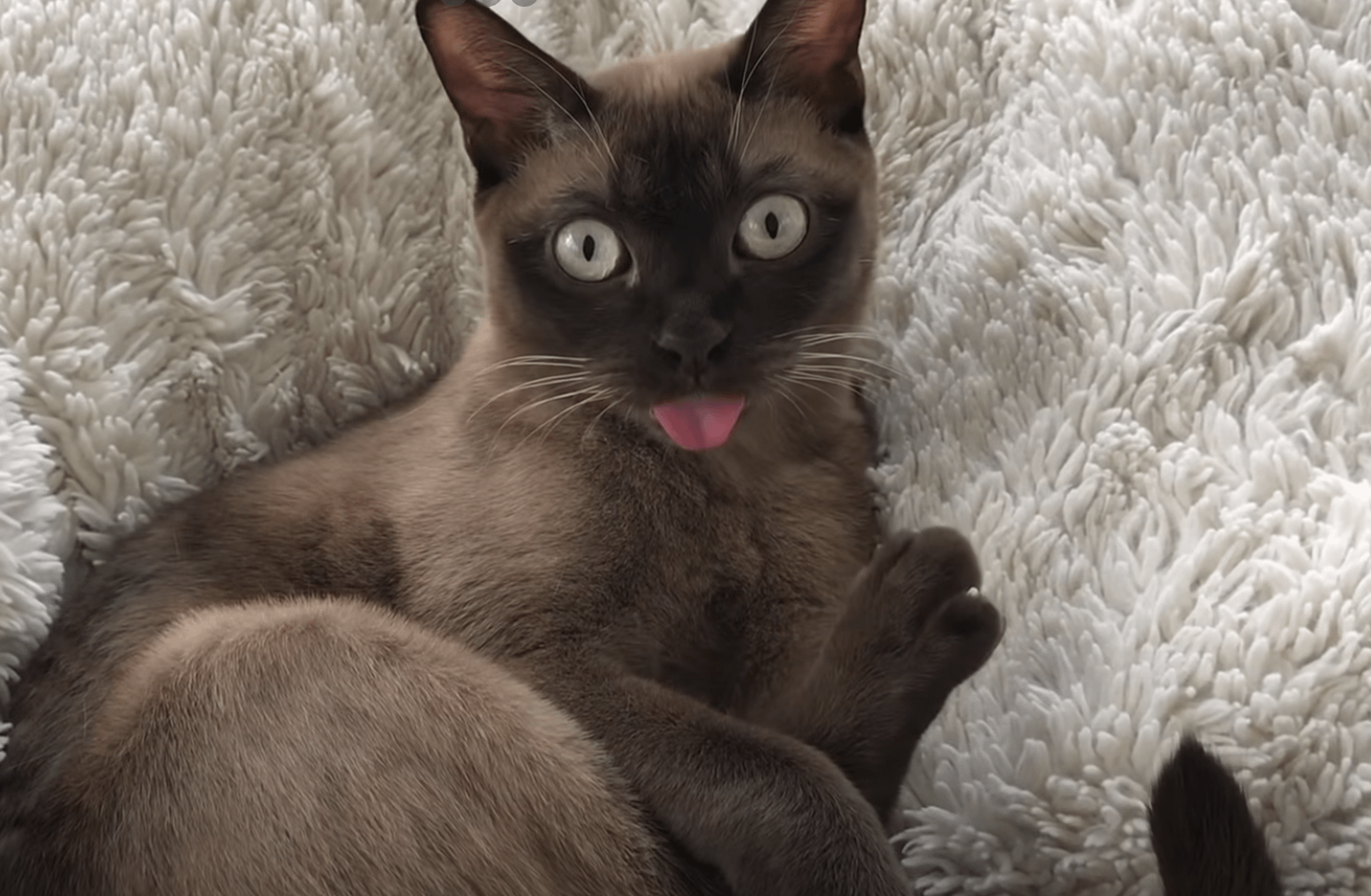
Have you ever noticed your cat making strange noises while grooming? You might wonder if it’s normal or if something is wrong.
These sounds can be surprising, even a little puzzling. But understanding why your furry friend vocalizes during grooming can help you connect with them on a deeper level. Keep reading to discover the reasons behind these curious noises and what they mean for your cat’s health and happiness.
Common Grooming Sounds
Have you ever noticed your cat making unexpected sounds while grooming? Those noises are more common than you might think. Understanding these sounds can give you a glimpse into your cat’s mood and health.
Types Of Noises Cats Make
Cats produce a variety of sounds during grooming, ranging from soft purring to sharp chirps. Some typical noises include:
- Purring:A sign your cat is relaxed and comfortable.
- Chirping or chattering:Often happens when they spot something interesting or when they’re focused.
- Soft meows or trills:These can be your cat’s way of expressing contentment while grooming.
- Snorts or sneezes:Sometimes grooming stirs up dust or irritants, causing these brief sounds.
Have you ever caught your cat softly meowing mid-groom? This usually means they’re enjoying the process and feeling safe around you.
When Grooming Becomes Vocal
Occasionally, your cat might make louder or unusual noises during grooming. This could indicate discomfort or irritation in a specific area.
If your cat hisses, growls, or yowls while grooming, it’s a clear sign something is wrong. Maybe they found a painful spot or a skin problem.
Pay attention to repeated vocalizations tied to grooming. It might be time to check their skin or consult your vet if the behavior continues.
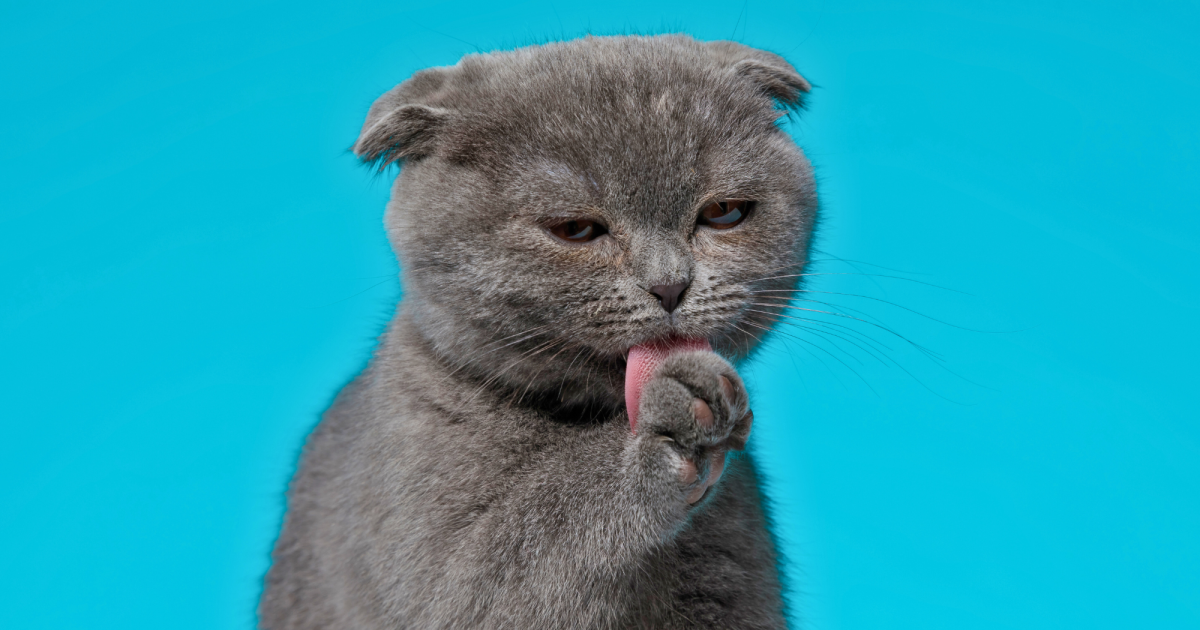
Credit: pethelpful.com
Physical Reasons For Noises
When you hear your cat making noises during grooming, it’s not just random sounds. These noises often have physical reasons tied to how your cat feels in that moment. Understanding these can help you better interpret your cat’s behavior and respond to its needs.
Comfort And Pleasure Signals
Many cats purr or make gentle chirping sounds while grooming themselves. These noises usually mean they feel relaxed and happy. Your cat might even emit soft meows or trills, showing it enjoys the process.
Think about the last time you saw your cat licking its fur calmly. The soothing sounds are a clear sign that your pet is comfortable and content. You can encourage this by offering a quiet, safe space where your cat can groom without interruptions.
Pain Or Discomfort Indicators
Sometimes, noises during grooming are a red flag. If your cat hisses, growls, or makes sharp meows, it might be feeling pain or irritation. These sounds often come from sensitive spots or areas with injury.
Watch closely if your cat suddenly stops grooming or seems distressed. It could have skin issues, parasites, or an injury causing discomfort. You should gently check for redness, swelling, or wounds and consult a vet if you notice anything unusual.
Emotional Triggers
Cats use grooming not just to clean but also to express feelings. The noises they make often reveal their emotional state. Understanding these sounds helps you connect better with your pet. Emotional triggers play a big role in how your cat behaves during grooming. These triggers can show if your cat feels safe, stressed, or happy.
Stress And Anxiety During Grooming
Some cats feel uneasy while grooming. Strange noises might mean they are stressed or anxious. Grooming can remind them of past discomfort or fear. Loud licking sounds or sudden meows often show tension. Your cat may also make growling or hissing noises. These sounds warn that they want to stop or need space.
Signs of stress include:
- Rapid breathing
- Flattened ears
- Tense muscles
- Tail flicking
Watching these signs can help you calm your cat. Use gentle strokes and a quiet voice to soothe them. Giving breaks during grooming reduces stress and builds trust.
Contentment And Relaxation Sounds
Many cats purr softly or make gentle chirps while grooming. These sounds show they feel calm and happy. Grooming is a comforting ritual that helps cats relax. The quiet noises mean your cat enjoys the moment.
Content cats often:
- Close their eyes
- Stretch comfortably
- Slowly blink
- Stay still
Such behaviors indicate your cat is secure and peaceful. These positive noises strengthen your bond. Your cat trusts you and feels safe in your care.
Communication Through Grooming
Cats use grooming noises as a way to communicate feelings and intentions. These sounds are subtle signals to others nearby. They show comfort, trust, or sometimes mild stress. Understanding these noises helps deepen your bond with your cat and other pets around.
Bonding With Owners
When cats groom themselves and make noises, they often feel relaxed and safe. Soft purring or gentle meows during grooming show contentment. Cats may also use these sounds to get your attention. This invites you to join or watch their quiet moment.
Grooming noises create a peaceful connection between you and your cat. They say, “I trust you,” and “I feel calm here.” Responding with gentle petting or speaking softly strengthens this bond further.
Interacting With Other Pets
Grooming sounds also help cats interact with other animals in the house. These noises can signal calmness or friendliness. A cat grooming with soft sounds may invite another pet to join or stay nearby.
Sometimes, grooming noises warn others to keep distance if the cat feels uneasy. Pets learn to read these signals to avoid conflicts. This quiet communication helps keep peace in multi-pet homes.
Health Concerns To Watch
As a cat owner, you might find it endearing when your feline friend makes noises while grooming. However, these sounds can sometimes indicate underlying health concerns that need your attention. Understanding these issues can help you ensure your cat is healthy and happy.
Dental Issues Affecting Grooming
Dental health is crucial for cats, and problems in this area can affect their grooming habits. If your cat has dental issues, such as gingivitis or broken teeth, grooming can become painful. You might hear them make noises because they’re trying to clean themselves while dealing with discomfort.
Regularly check your cat’s mouth for signs of redness, swelling, or bad breath. These could indicate dental problems. Consider scheduling regular dental check-ups with your vet to keep your cat’s mouth healthy and pain-free.
Skin Problems And Irritation
Skin issues can also lead to unusual grooming sounds. Cats with skin conditions like allergies, parasites, or infections might groom more aggressively, resulting in noises. They could be trying to relieve itching or irritation, which can be quite uncomfortable.
Observe your cat for signs of excessive scratching, redness, or bald patches. These are clues that your cat might have a skin problem. Consult your vet to identify the cause and find a suitable treatment.
Have you ever noticed your cat making strange noises while grooming? Paying attention to these sounds can be a great way to catch health issues early. Your cat relies on you to help them stay comfortable and healthy. By addressing these concerns, you can ensure your furry friend continues to enjoy their grooming routine without any pain or irritation.

Credit: justcatsclinic.com
When To Consult A Vet
Not all grooming noises are normal. Sometimes, they signal a problem. Knowing when to consult a vet helps protect your cat’s health. Early attention can prevent serious issues. Watch your cat closely for unusual sounds or actions during grooming. Your vet can check for pain, illness, or discomfort. Acting fast keeps your cat happy and safe.
Signs Of Distress Or Pain
Pay attention to your cat’s body language and sounds. Look for signs like:
- Hissing or growling during grooming
- Sudden stops or flinching
- Excessive licking or biting one area
- Whining or unusual vocal sounds
- Avoiding grooming altogether
These signs often mean your cat feels pain. It could be due to skin issues or injury. A vet can find the cause and offer relief.
Changes In Grooming Behavior
Notice any changes in how your cat grooms. These may include:
- Grooming less or more than usual
- Ignoring certain body parts
- Making different or louder noises
- Becoming more restless or anxious
Changes might indicate health problems like allergies or dental pain. Your vet can help diagnose and treat these problems early.
Tips To Support Your Cat
Supporting your cat during grooming helps reduce any stress or discomfort they might feel. Understanding their needs and environment can make grooming a positive experience for both of you. Let’s look at some practical tips to help your cat feel safe and comfortable while grooming.
Creating A Calm Grooming Environment
Choose a quiet spot free from loud noises and distractions. Cats are sensitive to sounds, so a peaceful space helps them relax.
Use soft lighting instead of harsh, bright lights. This can make your cat feel more at ease and less on edge.
Keep grooming sessions short and gentle. If your cat seems restless or anxious, pause and try again later.
Have your grooming tools ready and within reach. This helps keep the session smooth and prevents interruptions that might stress your cat.
Regular Health Checks
Sometimes, grooming noises come from discomfort or pain. Regular vet visits can catch issues like dental problems or skin conditions early.
Watch for changes in your cat’s grooming sounds or habits. If your cat suddenly becomes noisy or aggressive during grooming, it might be a sign to consult your vet.
Check your cat’s skin and coat regularly for redness, bumps, or irritation. These signs might explain why your cat makes noises and needs extra care.
Remember, healthy cats usually groom quietly. If you notice unusual sounds, it’s worth investigating to keep your cat comfortable and happy.

Credit: www.reddit.com
Frequently Asked Questions
Why Does My Cat Make Sounds While Grooming?
Cats make noises during grooming to communicate contentment or mild discomfort. These sounds can indicate relaxation or help them focus on cleaning.
Are Grooming Noises Normal For Cats?
Yes, grooming noises are normal. They often purr, chirp, or make soft meows while cleaning themselves. It shows they feel safe.
Can Grooming Sounds Indicate Health Issues?
Sometimes, unusual grooming sounds may signal pain or dental problems. If noises seem distressed or excessive, consult a vet promptly.
Do All Cats Make Noises When Grooming?
Not all cats vocalize while grooming. Some remain silent, while others express themselves with soft sounds. It depends on their personality.
Conclusion
Cats make noises while grooming to communicate and stay comfortable. These sounds show they feel relaxed or alert. Understanding your cat’s grooming noises helps you know their mood better. It also strengthens the bond between you and your pet. Pay attention to changes in these sounds, as they might signal health issues.
Enjoy these small moments—they reveal a lot about your cat’s world. Keep observing and caring for your furry friend every day.




Leave a Reply