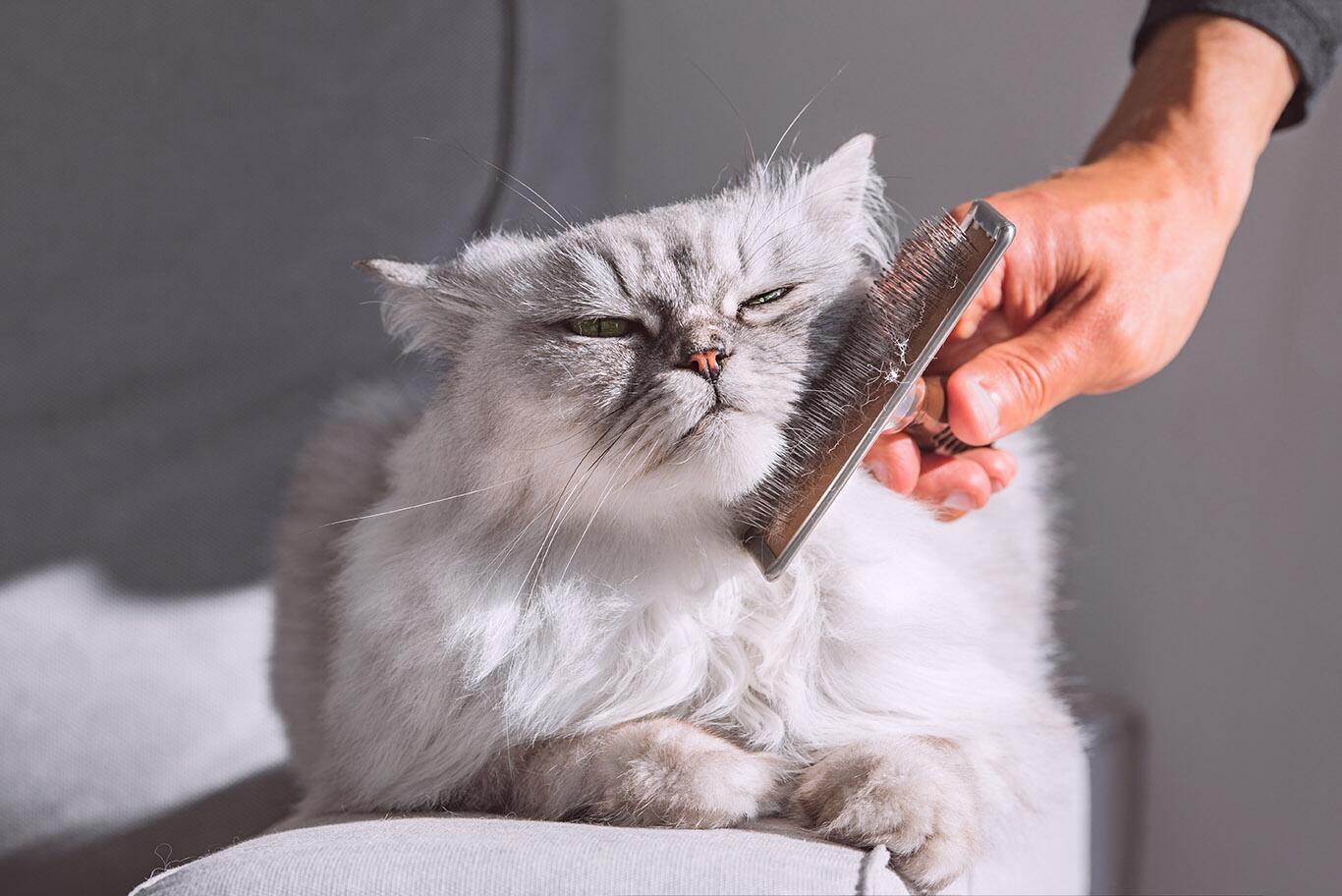
Have you noticed your cat spending more time licking and cleaning itself than usual? You might be wondering, “Why does my cat keep grooming so much?”
Understanding your cat’s grooming habits can reveal a lot about its health and emotions. You’ll discover the surprising reasons behind this behavior and learn how to tell if your furry friend needs help. Keep reading to uncover what your cat’s grooming really means and how you can make sure your pet stays happy and healthy.

Credit: www.angiesmobilepetstyling.com
Normal Grooming Habits
Cats spend a lot of time cleaning themselves. This behavior is natural and important for their health. Grooming helps cats stay clean and comfortable. It also plays a role in their social and emotional well-being.
Daily Grooming Routine
Cats groom themselves several times a day. They use their tongues to lick their fur and paws. This action removes dirt and loose hair. Cats also nibble at tangles or debris in their coat. Grooming includes cleaning their face and ears too.
Short-haired cats usually need less grooming. Long-haired cats may groom more to manage their thick fur. Kittens learn grooming by watching their mother. Grooming becomes a calming and habitual activity for cats.
Benefits Of Grooming
Grooming helps cats regulate body temperature. It spreads natural oils across their fur. These oils keep the coat shiny and waterproof. Grooming also removes parasites like fleas.
This behavior reduces stress and anxiety. It helps cats feel safe and relaxed. Grooming can also prevent skin infections and matting.
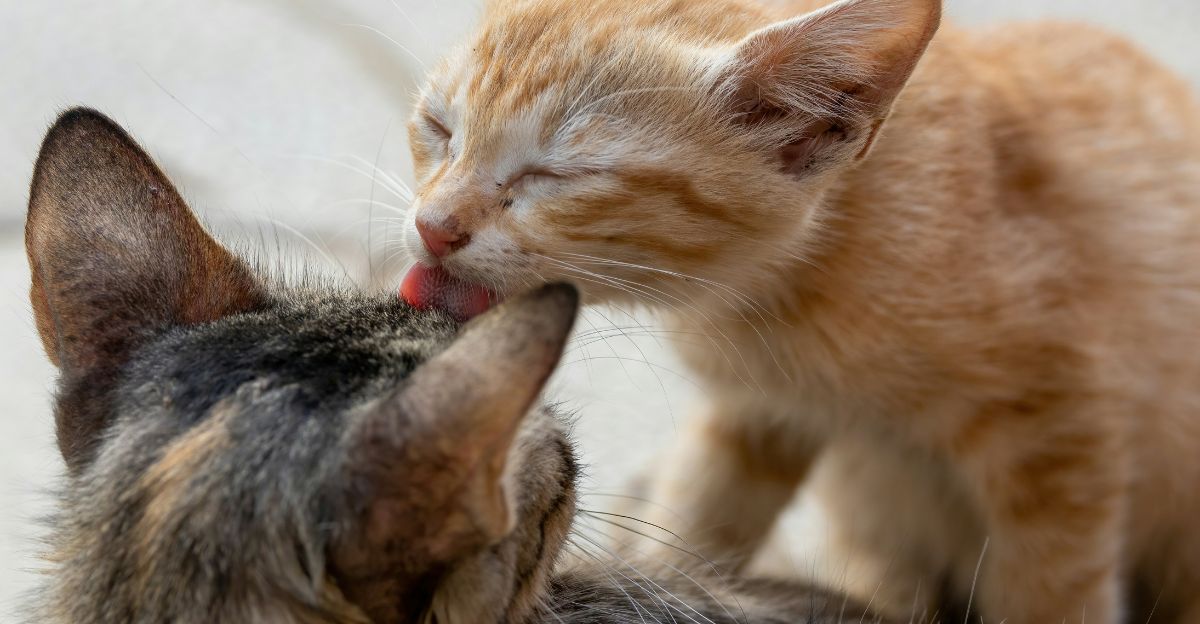
When cats groom each other, it builds social bonds. It shows trust and friendship among cats. Overall, grooming is a vital part of a cat’s daily life.
Stress And Anxiety
Stress and anxiety affect cats just like humans. These feelings can cause your cat to groom more than usual. Grooming helps cats manage their emotions and find comfort. Understanding this behavior can help you support your pet better.
Signs Of Stress In Cats
- Hiding more than usual
- Loss of appetite
- Excessive vocalization
- Changes in litter box habits
- Restlessness or pacing
- Sudden aggression or fear
Grooming As A Coping Mechanism
Cats groom to calm themselves during stress. It releases endorphins that reduce anxiety. Grooming also distracts them from uncomfortable feelings. Sometimes, grooming becomes excessive and leads to hair loss. This behavior signals that the cat needs help and comfort.
Skin Problems
Cats groom to clean their fur and feel comfortable. Excessive grooming may signal skin irritation or allergies. Watch for redness, bumps, or hair loss as signs of skin problems.
Skin problems can be a significant reason why your cat might be over-grooming. Just like humans, cats can experience discomfort and itchiness due to various skin issues. When your feline friend is constantly grooming, it might be trying to soothe an underlying problem. Understanding these potential issues can help you better address your cat’s needs and ensure its comfort.Allergies And Irritations
Cats can develop allergies to a variety of substances, including food, pollen, or even cleaning products. These allergens can lead to skin irritations, causing your cat to groom excessively in an attempt to relieve the itchiness. Have you recently changed your cat’s diet or introduced a new cleaning product at home? Such changes might be the culprits behind your cat’s grooming frenzy. Keep an eye out for red or inflamed patches on your cat’s skin, which might indicate an allergic reaction.Parasites And Infections
Parasites such as fleas, ticks, and mites are common skin irritants for cats. Even a few fleas can cause significant discomfort, leading to relentless grooming. A friend of mine discovered her cat’s grooming was due to a flea infestation, despite her regular cleaning routine. It’s crucial to check and treat your pet for parasites regularly. Infections, whether bacterial or fungal, can also be a problem. These infections can make the skin sensitive, prompting your cat to groom more than usual. If you notice any unusual odors or discharge, it might be time to consult your vet for a thorough check-up. Always ensure your cat’s grooming habits are healthy by staying alert to any signs of skin problems. By doing so, you can help your furry friend live a happier, itch-free life.
Credit: www.latimes.com
Boredom And Attention Seeking
Cats groom themselves to stay clean and healthy. Sometimes, they groom more than usual. This behavior can signal boredom or a need for attention. When cats feel unstimulated, they may turn to grooming to pass time. Grooming can also be a way to get noticed by their owners.
Lack Of Stimulation
Cats need mental and physical activity every day. Without enough play or interaction, they feel bored. Boredom can cause them to groom excessively. This grooming helps them feel busy and calm. Toys, climbing spaces, and playtime reduce boredom. A well-stimulated cat grooms less out of restlessness.
How Grooming Attracts Attention
Cats learn that grooming can get a reaction from owners. Excessive grooming may cause you to pet or talk to them. This attention feels rewarding to the cat. They may groom more to keep getting your focus. Watching your cat’s grooming habits helps you understand their needs. Responding with play or affection can reduce over-grooming caused by attention seeking.
Medical Conditions
Excessive grooming in cats can sometimes signal underlying medical issues rather than just a simple hygiene habit. If you notice your cat grooming more than usual, it’s important to consider possible health problems. Understanding these medical conditions helps you decide when to seek veterinary advice and how to support your furry friend effectively.
Pain And Discomfort
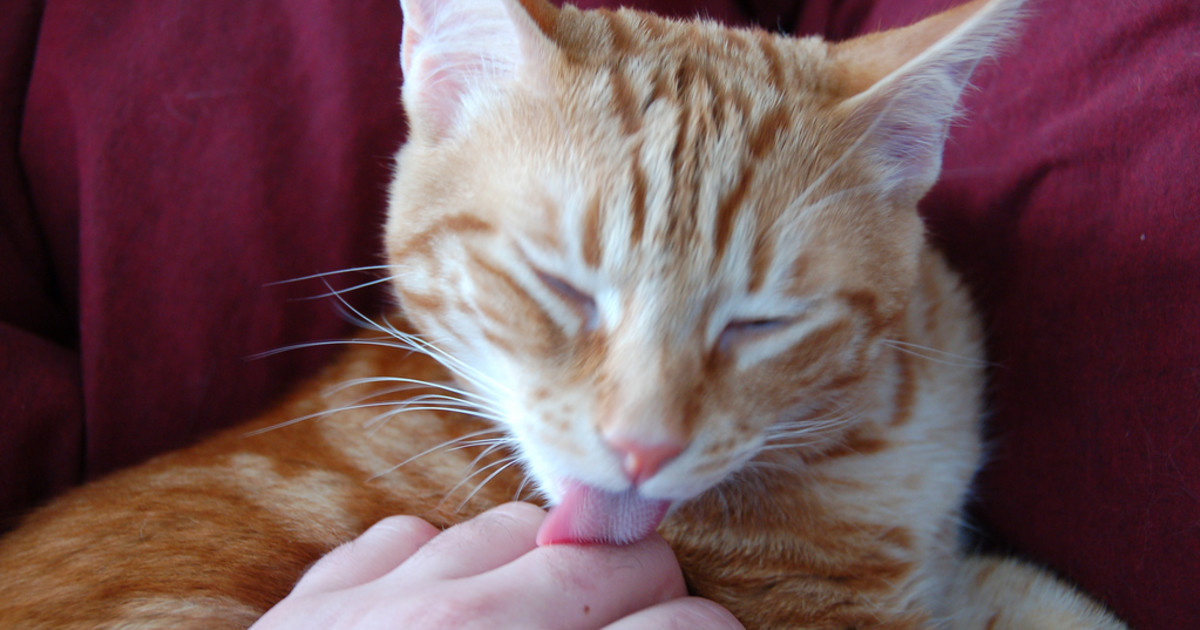
Cats often groom themselves to soothe pain or discomfort in specific areas. If your cat repeatedly licks or bites a spot, it could be trying to relieve irritation from wounds, arthritis, or skin infections.
Have you noticed your cat favoring one paw or avoiding certain movements? These signs might indicate joint pain or injury. Checking with your vet can help identify the cause and provide relief through treatment or medication.
Hormonal Imbalances
Hormonal changes can also lead to increased grooming. Conditions like hyperthyroidism or adrenal gland disorders may make your cat restless and prone to over-grooming.
Is your cat’s coat thinning or showing bald patches? Hormonal imbalances often cause these symptoms alongside excessive grooming. A simple blood test by your vet can reveal if hormones are the culprit and guide proper treatment.
Credit: pethelpful.com
When To Visit The Vet
Knowing when to visit the vet is important if your cat grooms too much. Excessive grooming may signal health problems. Early vet visits can prevent serious issues and keep your cat happy.
Signs Of Excessive Grooming
Watch for bald patches or red skin. Your cat may lick or bite one area often. Look for scabs, sores, or swelling. Changes in behavior, like restlessness, also matter. These signs suggest your cat needs medical care.
Preparing For The Vet Visit
Write down how often your cat grooms. Note any changes in eating or sleeping. Take pictures of affected skin areas. Bring your cat’s medical history and current diet info. Keep your cat calm before the visit to reduce stress.
Reducing Excessive Grooming
Excessive grooming in cats can signal stress or boredom, but you can help your feline friend feel more comfortable and balanced. Reducing this behavior often requires making changes to your cat’s environment and daily routine. By paying attention to their needs, you can create a happier, healthier space that naturally decreases over-grooming.
Environmental Enrichment
Adding new toys, scratching posts, or climbing trees can keep your cat engaged and mentally stimulated. Cats often groom excessively when they feel bored or understimulated, so changing their surroundings helps distract them.
Try rotating toys regularly to maintain your cat’s interest. Even simple items like paper bags or cardboard boxes can provide entertainment.
Have you noticed your cat spends hours staring out the window? Setting up a cozy perch by a window can provide hours of natural entertainment and reduce grooming caused by restlessness.
Behavioral Interventions
Behavioral changes can encourage your cat to stop over-grooming by addressing anxiety or stress triggers. Positive reinforcement works well—reward your cat with treats or affection when they engage in healthy behaviors.
Try redirecting your cat’s attention when you see them starting to groom excessively. Offer a favorite toy or initiate a play session to break the cycle.
Consider establishing a consistent daily routine. Cats thrive on predictability, and knowing when to expect meals, playtime, and rest can reduce stress-related grooming.
Frequently Asked Questions
Why Does My Cat Groom Excessively?
Excessive grooming in cats can signal stress, allergies, or skin problems. It might also indicate fleas or anxiety. Monitoring your cat’s behavior and consulting a vet can help identify the cause and provide appropriate treatment.
Can Grooming Be A Sign Of Cat Anxiety?
Yes, grooming often helps cats self-soothe during anxiety. Over-grooming or bald patches can indicate stress. Identifying triggers and creating a calm environment can reduce anxiety-related grooming in cats.
How Often Should A Cat Groom Itself Daily?
Cats usually groom themselves for about 30-50% of their waking time daily. Regular grooming maintains their coat and skin health. Excessive or minimal grooming may require vet evaluation.
Does Grooming Help Cats Stay Healthy?
Grooming removes dirt, loose fur, and parasites, keeping cats clean and healthy. It also stimulates blood flow and distributes natural oils. Proper grooming supports overall cat well-being.
Conclusion
Cats groom to stay clean and healthy. Sometimes, they groom more when stressed or bored. Watch for signs of skin problems or fleas. If grooming seems excessive, a vet visit helps. Understanding your cat’s behavior keeps them happy. Gentle care and attention make a big difference.
Your cat’s grooming tells you how they feel. Stay patient and keep observing their habits closely.

Leave a Reply