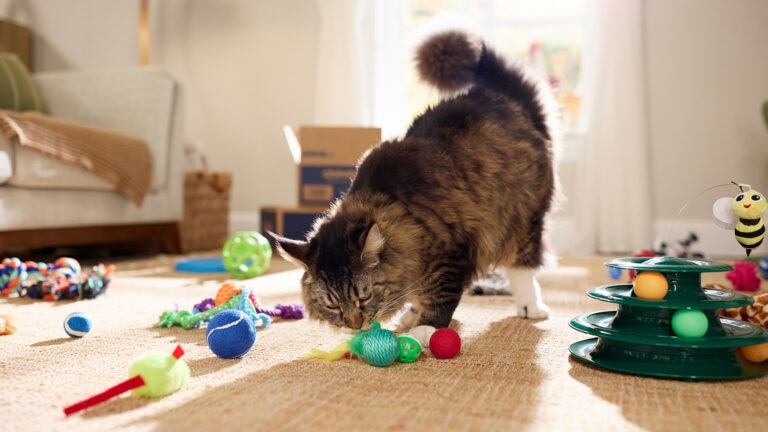
Have you ever noticed your cat sneaking her toys into your bedroom and stashing them away? It might seem strange, but there’s a good reason behind this curious behavior.
Understanding why your cat hides her toys can help you connect with her on a deeper level and make your home a happier place for both of you. Keep reading, and you’ll discover the surprising reasons behind this habit—and how it reveals your cat’s unique personality.
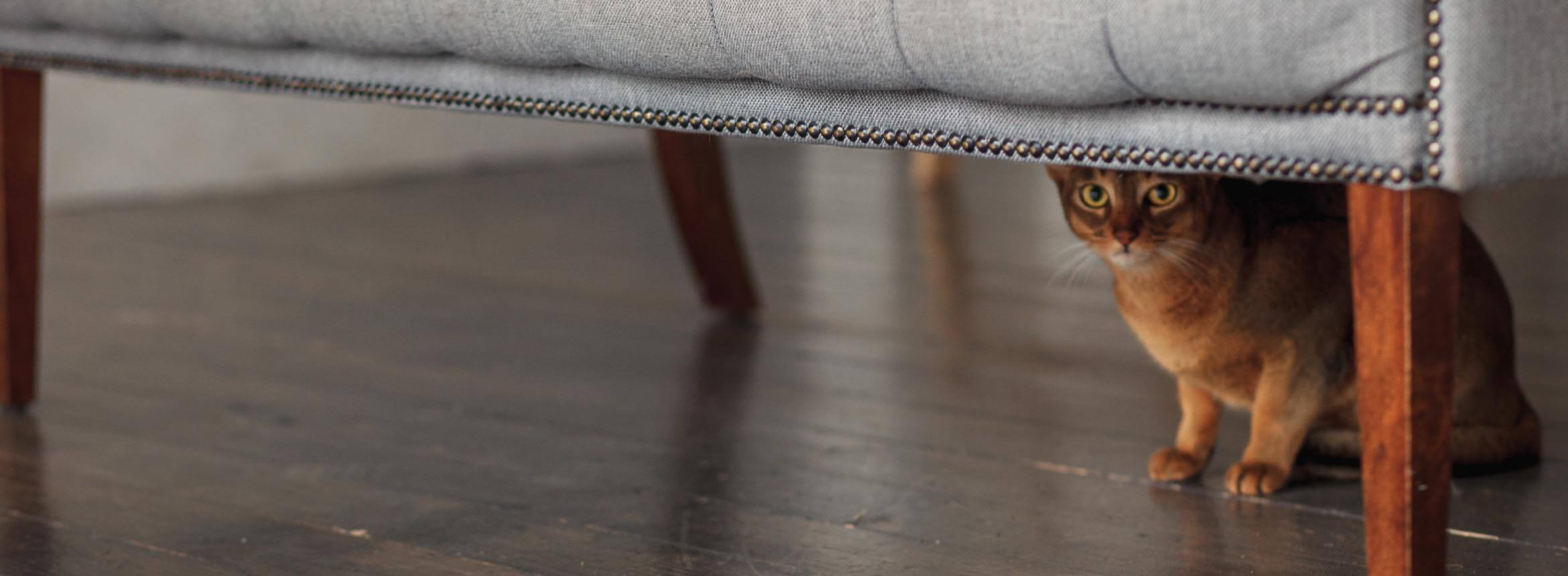
Credit: www.bluebuffalo.com
Cat Toy Hoarding Behavior
Have you ever noticed your cat quietly carrying her toys into your bedroom and tucking them away? This curious habit is more than just a quirky behavior—it’s a window into your cat’s natural instincts and emotional world. Understanding why cats hoard toys can help you create a more enriching environment for your feline friend.
Natural Instincts Behind Toy Hiding
Cats are wired to collect and protect valuable items, and toys often represent prey or treasured possessions in their eyes. This behavior links back to their wild ancestors who needed to stash food safely away from competitors.
When your cat hides toys in your bedroom, she might be choosing a safe, quiet spot where she feels secure. Bedrooms often have softer surfaces and less foot traffic, making them ideal “storage” areas.
Have you noticed if your cat prefers certain toys over others? This preference can indicate which “prey” she values most, revealing her unique personality.
Hunting And Stashing Connections
Hiding toys mimics the hunting and food-stashing practices of wild cats. After a successful hunt, wild cats often hide their catch to eat later or protect it from scavengers.
Your cat’s toy hoarding is a way to satisfy this instinct safely indoors, especially if she doesn’t have opportunities to hunt real prey. This can be a sign of mental engagement and contentment.
Consider providing interactive toys or puzzle feeders to complement this behavior. It channels her hunting drive into positive activities and reduces the urge to hoard excessively.
Bedroom Appeal For Cats
Cats choose special spots to hide their toys. The bedroom often becomes a favorite place. This area offers a unique appeal that draws cats to stash their treasures there. Understanding why the bedroom attracts your cat helps you appreciate her behavior better.
Safety And Comfort Factors
The bedroom is a quiet and cozy space. Cats feel safe in calm environments. Your bedroom often has soft bedding and low noise. This comfort makes it an ideal place to hide toys. It acts like a small refuge where your cat can relax.
Hiding toys here means your cat trusts the space. She believes her belongings are protected from others. Bedrooms usually have fewer disturbances, which adds to the safety. Your cat feels secure and at ease.
Scent And Familiarity Influence
Bedrooms carry your unique scent. Cats use smell to identify safe zones. Your scent comforts your cat and makes the area familiar. Toys hidden here absorb your smell too, linking them to safety.
Familiar scents reduce stress and create bonding. Your cat prefers hiding toys where she feels connected to you. This sense of closeness encourages her to keep her favorite items nearby. The bedroom becomes a scent-rich sanctuary for her.
Emotional Reasons For Toy Hiding
Cats hide their toys for many emotional reasons. This behavior often shows how your cat feels inside. Toys are not just playthings. They can represent comfort, security, or a way to connect with you. Understanding these emotional reasons helps you bond with your cat better.
Seeking Attention Or Interaction
Your cat may hide toys in your bedroom to get your attention. This spot is special because you spend time there. By placing toys near you, your cat invites you to play or interact. Cats want to feel close to their owners. Hiding toys can be a quiet way to ask for attention without meowing loudly.
Stress And Anxiety Responses
Stress can cause cats to hide toys in safe places like your bedroom. Changes in the home or loud noises may upset them. Toys become a source of comfort during stressful times. Keeping them close helps reduce anxiety. This behavior shows your cat feels safer near you and familiar items.

Credit: www.goodhousekeeping.com
Environmental Triggers
Environmental triggers often influence why your cat chooses to hide her toys in your bedroom. Cats are sensitive creatures, and changes or specific factors in their surroundings can prompt unusual behaviors. Understanding these triggers can help you create a more comfortable space for your furry friend and reduce such hiding habits.
Changes In Household Dynamics
Have you noticed your cat suddenly stashing toys in your bedroom after a big change at home? Cats respond strongly to shifts like new family members, visitors, or even rearranged furniture. These changes can make them feel insecure, leading them to hide toys as a way to reclaim control and create a safe zone.
Imagine your cat’s favorite play area becomes less accessible or unfamiliar. She might start bringing toys to your bedroom because it feels quieter and more predictable. Pay attention to any recent changes and try to maintain familiar routines to ease her stress.
Presence Of Other Pets
Introducing a new pet into your home can stir up competition and territorial behavior in your cat. If she feels threatened or wants to protect her possessions, hiding toys in your bedroom can be a way to keep them away from other animals. This behavior helps her feel more secure and in charge.
Have you noticed if your cat’s toy hiding increases when another pet is around? This could signal she’s trying to avoid sharing or losing her treasured items. Offering separate play areas and plenty of attention can help her feel less pressured and reduce the need to hide.
What Your Cat’s Behavior Means
Cats hide toys in bedrooms to keep them safe and close. This behavior shows trust and a sense of comfort with their owner. Your cat treats the bedroom as a secure place for their treasures.
Understanding why your cat hides her toys in your bedroom can reveal fascinating insights into her behavior. Cats are known for their quirky habits, and this one might seem puzzling at first. Unraveling these actions can help you connect more deeply with your feline friend and even improve your living environment.Bonding And Trust Signals
Cats often show affection in subtle ways. When your cat brings her toys to your bedroom, it might be a sign of trust and bonding. She sees your personal space as safe and comforting, much like how she would treat her own territory. Think about the times she has snuggled next to you or purred on your lap. These actions are similar trust signals. By bringing her toys, she is sharing her world with you, showing that she feels secure in your presence.Territory Marking Insights
Cats are territorial creatures, and your bedroom might be part of her claimed domain. By placing her toys there, she could be marking the area with her scent, asserting that this space belongs to her too. Consider the way cats rub their faces on furniture or scratch surfaces. These are ways they mark territory. The toys in your bedroom carry her scent, reinforcing her claim to this shared space. Have you noticed if she does this more when guests are over or if there’s been a change in the household? Changes in the environment can prompt cats to reassert their territory. Understanding these behaviors can help you create a more harmonious home for you and your cat.
Credit: www.reddit.com
Managing Toy Hiding Habits
Managing your cat’s habit of hiding toys in your bedroom can feel like a challenge, but it’s also an opportunity to understand her better. Cats often hide toys as a way to feel secure or to claim a favorite spot. By gently guiding her play habits, you can create a more harmonious space for both of you.
Encouraging Playtime Outside Bedroom
Try offering exciting toys and playtime sessions in other parts of your home. Use interactive toys like feather wands or laser pointers to catch her interest away from your bedroom. You might notice she prefers certain spots—focus play there to build positive associations.
Consider setting a daily routine for play outside the bedroom. Cats thrive on predictability, and a consistent schedule can make other areas more appealing. Have you noticed how your cat reacts when you bring new toys to the living room or kitchen?
Creating Safe Play Zones
Designate specific areas as “safe play zones” where your cat can freely bring and hide toys. Include cozy beds, scratching posts, and soft blankets to make these zones inviting. Adding a few hidden spots or boxes can satisfy her natural desire to stash toys securely.
Make these zones attractive by placing them near windows or quiet corners where she feels comfortable. You could even place some of her hidden toys there to encourage her to use the space. How might changing the environment affect her hiding habits?
Frequently Asked Questions
Why Does My Cat Hide Toys In My Bedroom?
Cats hide toys in bedrooms because they see the space as safe. Bedrooms are quiet and private, making them perfect for their “stash. ” This behavior mimics natural instincts to protect valuable items from others.
Do Cats Hide Toys To Show Affection?
Yes, hiding toys in your bedroom can be a sign of affection. Cats often bring their favorite toys to you or your space. It shows they trust you and want to share their “treasures. ”
Can Hiding Toys Indicate Stress In Cats?
Sometimes, hiding toys may signal stress or anxiety. Cats seek secure places during discomfort. If hiding increases suddenly, observe for other stress signs and consult a vet if needed.
Should I Be Concerned If My Cat Hides Many Toys?
No, hiding many toys is usually normal behavior. It reflects their playful and hunting instincts. However, ensure the toys are safe and your cat isn’t hiding due to fear.
Conclusion
Cats hide their toys to feel safe and keep them close. Your bedroom feels like a quiet, secure place for your cat. This behavior shows trust and comfort with you. Watching your cat’s little hiding spots can be fun and sweet.
Remember, this habit is natural and shows your cat’s unique personality. Give her space and enjoy these small moments together. Understanding why cats hide toys helps you bond better. Keep her toys clean and safe to encourage play. Your cat’s hiding ways add charm to your home life.



Leave a Reply