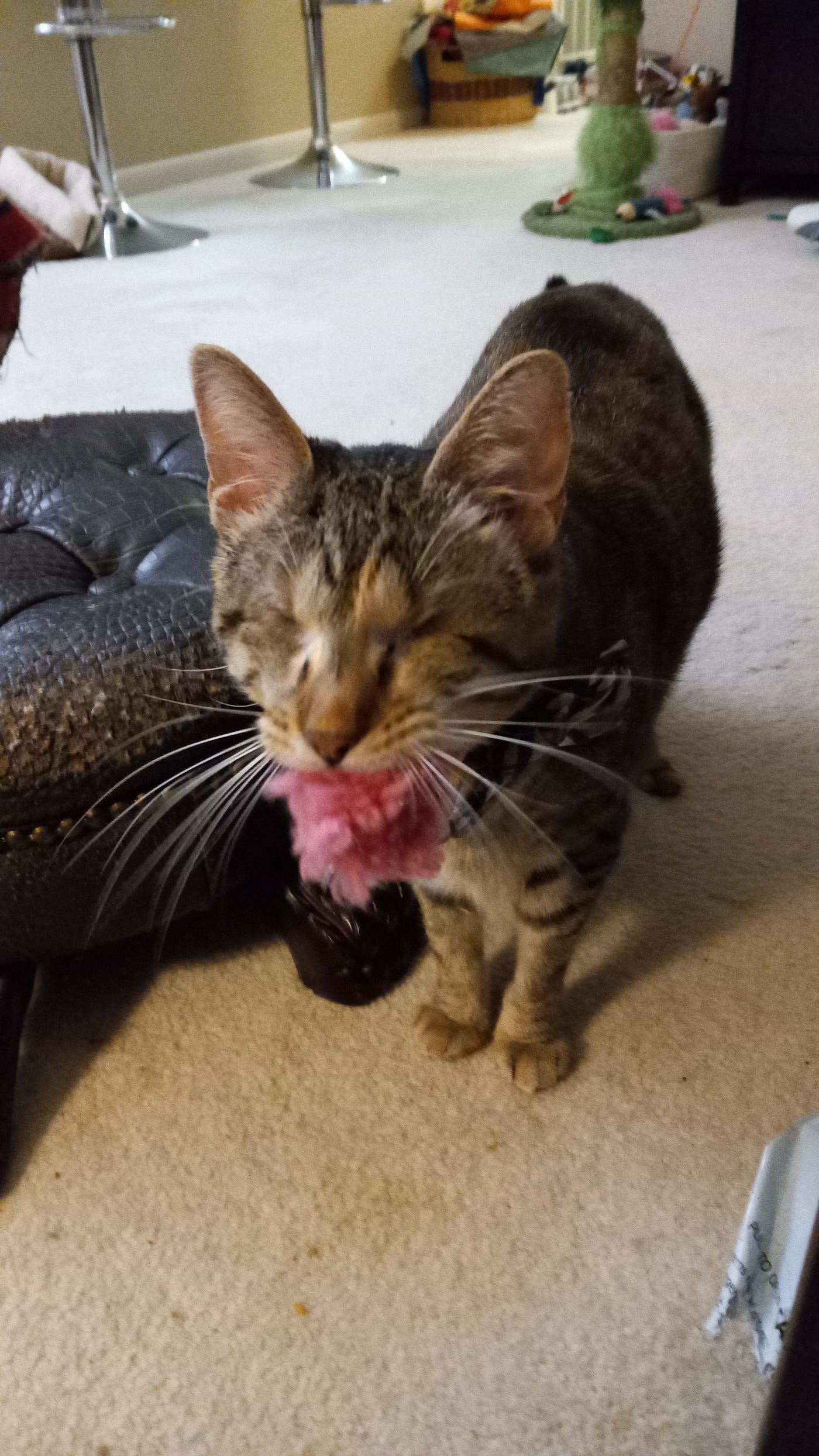
Have you ever noticed how your cat always goes back to the same toy, no matter how many others you bring home? It’s not just a coincidence or a simple preference.
Your cat’s favorite toy holds a special place in their heart—and understanding why can help you connect with your furry friend on a whole new level. If you’ve ever wondered why your cat is so attached to that one toy, keep reading.
You’re about to discover surprising reasons behind this behavior and learn how to make playtime even more rewarding for your pet.
Cat Play Behavior
Cats love to play. Play is not just fun for cats. It helps them stay healthy and sharp. Playing mimics hunting and exploring. It keeps their instincts alive. Their favorite toy often reflects these natural behaviors.
Instincts Behind Play
Play comes from a cat’s hunting instincts. Hunting is a skill cats need to survive. Even indoor cats keep these instincts strong. They chase, pounce, and stalk during play. Toys that move or make noise trigger these instincts. This is why cats prefer certain toys. They remind them of prey animals.
How Cats Choose Toys
Cats pick toys based on texture, size, and movement. Soft toys are easy to carry and bite. Small toys fit their paws for batting and tossing. Toys that mimic small animals catch their attention. Some cats like toys that make sounds or have feathers. Their choice depends on their personality and mood.

Credit: www.reddit.com
Emotional Attachment
Have you ever wondered why your cat prefers one toy over all the others? This preference often goes beyond simple play; it’s deeply tied to emotional attachment. Cats, much like humans, develop bonds with objects that make them feel safe and happy.
Comfort And Security
Your cat’s favorite toy might act like a small comfort zone. It offers a sense of familiarity in an ever-changing environment. When your cat curls up with that toy, it’s not just playing—it’s seeking a cozy feeling of security.
Think about times when you’ve held onto a cherished item during stressful moments. Your cat does the same. That toy could remind them of positive experiences or your presence when you’re away.
Stress Relief Through Play
Playtime is more than just fun; it’s a way for your cat to manage stress. Engaging with a favorite toy lets them focus their energy and emotions. It’s a healthy outlet that reduces anxiety and keeps their mind sharp.
Have you noticed how your cat’s mood improves after a play session with their go-to toy? This isn’t a coincidence. The toy helps them relax and feel in control, even during unsettling situations.
Scent And Texture Preferences
Cats have strong preferences for the toys they choose. Two key factors are scent and texture. These senses guide their interest and comfort. Understanding these preferences helps explain why a cat favors one toy over another.
Role Of Scent In Toy Selection
Smell is one of the most powerful senses for cats. Their toys often carry scents that attract or comfort them. A toy might smell like their owner, another animal, or even food. These familiar smells provide security and excitement.
Cats may prefer toys with natural scents or those that hold their own scent after play. Synthetic smells can be less appealing. Some cats like toys with catnip, which triggers their hunting instincts and pleasure centers.
Preferred Textures And Materials
Cats enjoy toys with textures that feel good to bite, scratch, or carry. Soft, fuzzy toys can mimic prey like mice or birds. Rougher textures may satisfy their urge to claw and chew.
Common favorite materials include:
- Felt or fleece for softness
- Rubber for chew resistance
- Feathers for lightness and movement
- Crinkly fabric for sound and texture
Each cat has unique preferences. Some like plush toys. Others prefer firm or noisy ones. The texture helps create a realistic and engaging play experience.

Credit: www.reddit.com
Age And Development Factors
Age plays a big role in why cats choose certain toys as favorites. As cats grow, their play style and interests change. Their development shapes what kind of toys they like the most. Understanding these age and development factors helps explain their toy choices.
Kittens Vs Adult Cats
Kittens are full of energy and curiosity. They prefer toys that move fast or make noise. Small balls, feathers, and string toys attract their attention. These toys help kittens learn hunting skills.
Adult cats have calmer play habits. They often pick toys that match their mood. Soft stuffed toys or laser pointers are common favorites. Adults enjoy toys that let them relax and have fun.
Changing Toy Preferences
As cats grow older, their favorite toys can change. Young cats may lose interest in some toys quickly. Older cats might prefer comfort over excitement.
Health and energy levels also affect toy choices. A cat with less energy may like gentle toys. A playful cat will chase fast-moving toys more.
Owner Interaction Impact
Understanding why your cat has a favorite toy often leads back to a critical factor: owner interaction. How you engage with your cat during playtime significantly impacts their attachment to certain toys. It’s not just about the toy itself but the shared moments it creates.
Bonding Through Play
Playtime isn’t just fun for your cat—it’s a bonding experience. When you actively participate, your cat associates that toy with your presence and affection. Each playful moment strengthens your connection.
Consider the times you’ve dangled a feather toy, watching your cat leap with joy. Those shared moments build trust and deepen your relationship. Does your cat’s favorite toy remind them of your companionship?
Encouraging Toy Interest
Your enthusiasm can ignite your cat’s interest in a toy. When you show excitement, your cat picks up on it. They are more likely to engage with a toy when they see you are involved.
Rotate toys to maintain interest. Introduce new ones during playtime to see which ones your cat gravitates towards. Have you noticed how a once-ignored toy becomes a favorite when you join the fun?
Remember, it’s the interaction that matters. Your involvement turns ordinary toys into special ones, creating cherished memories for both you and your cat.

Credit: www.reddit.com
Health And Well-being
Your cat’s favorite toy is more than just a source of entertainment. It plays a crucial role in keeping your feline friend healthy and happy. Understanding this connection can help you support your cat’s overall well-being effectively.
Physical Exercise Benefits
Playing with a favorite toy encourages your cat to move and stay active. Regular physical activity helps maintain a healthy weight, preventing issues like obesity and joint problems.
Think about how your cat pounces, chases, and bats at that one special toy. These movements strengthen muscles and improve coordination. When your cat engages in this kind of play, you’re supporting their heart health and boosting energy levels.
Have you noticed your cat becoming more lively after a play session? That’s a sign their body is benefiting from the exercise.
Mental Stimulation Needs
Mental stimulation is just as important as physical exercise for your cat’s health. A favorite toy provides a focus for problem-solving and curiosity, which keeps their brain sharp.
When your cat figures out how to catch or retrieve their toy, they’re exercising their mind. This can reduce stress and prevent boredom, which often leads to destructive behavior.
Ask yourself, does your cat seem restless or uninterested in play? Introducing new textures or movements in toys could spark their interest and challenge their mental skills.
Frequently Asked Questions
Why Does My Cat Prefer One Toy Over Others?
Cats prefer one toy due to its texture, size, and movement. It often mimics prey, stimulating their natural hunting instincts. Familiarity and comfort also play roles, making the toy more appealing than others.
How Does A Favorite Toy Benefit My Cat?
A favorite toy provides mental stimulation and physical exercise. It reduces stress, prevents boredom, and encourages natural behaviors like hunting and pouncing. This improves overall cat health and happiness.
Can A Cat’s Favorite Toy Change Over Time?
Yes, cats can change favorite toys as their interests or needs evolve. New toys, changes in environment, or aging can influence their preferences.
What Makes A Toy Safe For My Cat?
Safe cat toys are non-toxic, free of small parts, and durable. They should not pose choking hazards or cause injury during play.
Conclusion
Cats choose favorite toys for many reasons. They like toys that feel safe and fun. These toys give comfort and keep them busy. Watching your cat play helps you understand them better. Giving different toys can keep your cat happy and healthy.
Remember, your cat’s choice shows their unique personality. Enjoy their playtime and bond with them more. Toys are not just for fun; they build trust. Keep their favorite toy close and watch them smile.

Leave a Reply