
Have you ever caught your cat carefully licking and cleaning their toys, just like they do with themselves? It might seem odd at first, but there’s more to this behavior than meets the eye.
Understanding why your cat grooms their toys can reveal a lot about their feelings, habits, and even their health. If you want to know what’s behind this curious habit and what it means for your furry friend, keep reading—you’ll discover surprising insights that will deepen the bond you share with your cat.
Cat Grooming Basics
Understanding the basics of cat grooming helps explain why your feline friend might be grooming their toys. Grooming is more than just a cleaning routine; it’s a vital behavior that affects your cat’s health and emotional well-being.
How Cats Groom Themselves
Cats use their tongues to clean their fur, removing dirt and loose hair. Their tongues have tiny, hook-like structures that help catch debris and spread natural oils across their coat.
Grooming also helps cats regulate their body temperature and stimulate blood flow. You might notice your cat licking their paws and then rubbing their face—this is a common part of their grooming process.
Grooming Instincts In Cats
Grooming is an instinctive behavior passed down from wild ancestors. It helps cats stay safe by masking their scent from predators and prey.
Have you ever caught your cat grooming their toys? This happens because the toy becomes a stand-in for prey, triggering their natural hunting and grooming instincts. Your cat is practicing behaviors that feel familiar and comforting.
Pay attention to how often your cat grooms—they use it to relieve stress and feel secure. If grooming becomes excessive, it might signal anxiety or health issues, so knowing the basics lets you better understand your cat’s needs.

Credit: www.feliway.co.uk
Grooming Toys Behavior
Cats often treat their toys like real prey. Grooming toys is one way they show care and ownership. This behavior helps them feel calm and connected. Grooming toys mimics how cats clean themselves or their kittens. It also keeps their toys soft and ready for play.
Common Grooming Actions On Toys
Cats use several grooming actions on their toys. These include:
- Licking the surface gently
- Nibbling or biting softly
- Rubbing their face and head against the toy
- Using their paws to hold and clean the toy
These actions resemble how cats groom themselves or others. It shows affection and care for their favorite items.
When Grooming Goes Beyond Cleaning
Sometimes grooming toys is not about cleanliness. It can be a sign of comfort or stress relief. Cats may groom toys to calm down or feel safe. This behavior can also show their strong bond with the toy.
In rare cases, excessive grooming might mean anxiety. Watch for signs like constant licking or damage to the toy. If this happens, offer more playtime or attention to your cat.
Emotional Connections
Understanding why your cat grooms his toys can reveal a lot about the emotional world of your furry friend. Cats don’t just see toys as playthings; these objects often become important parts of their emotional landscape. Grooming toys is one way cats express comfort, attachment, and even stress relief, much like how they care for themselves and their close companions.
Toys As Comfort Objects
Your cat might treat a favorite toy like a security blanket. Grooming the toy mimics the way a cat would groom a littermate or mother, creating a sense of familiarity and safety.
Think about a time when your cat seemed anxious—did he turn to a specific toy afterward? This behavior shows how toys can serve as emotional anchors, helping cats feel grounded in uncertain moments.
You can support this by making sure your cat’s toys are always accessible. Having a consistent comfort object can reduce anxiety and boost your cat’s emotional well-being.
Stress Relief Through Grooming
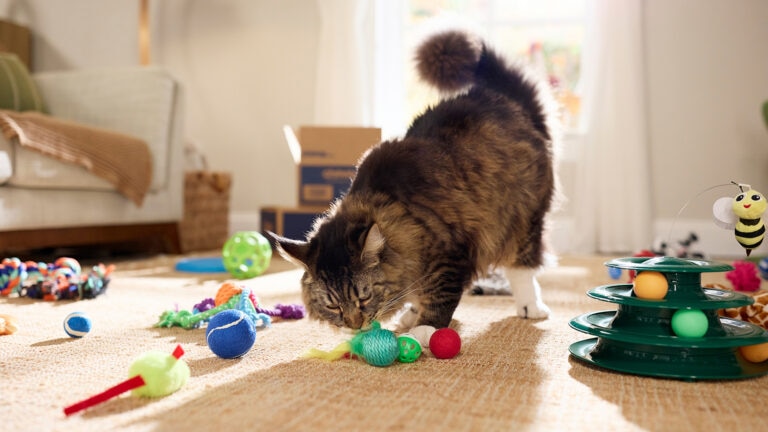
Grooming is a natural way cats calm themselves. When your cat grooms his toy, he may be releasing tension and soothing nerves.
Have you noticed your cat licking or chewing a toy more during times of change, like moving to a new home or when there’s loud noise? This self-soothing behavior helps them manage stress.
Encouraging this can be as simple as offering soft, plush toys that your cat enjoys grooming. It’s a harmless habit that provides emotional comfort and helps your cat feel safe in his environment.
Credit: www.chewy.com
Territory And Scent Marking
Cats are fascinating creatures with behaviors that often leave us puzzled. One such behavior is when they groom their toys. This isn’t just a quirky habit; it serves a deeper purpose related to their instinctual need to mark their territory. By understanding this behavior, you can gain insights into your cat’s world and its connection to its environment.
How Cats Use Grooming To Mark Toys
Cats are territorial animals, and they use various methods to claim their space. Grooming is one of those methods. When your cat grooms its toys, it’s actually marking them as part of its territory. This action sends a clear message to other animals that these items belong to them.
Have you ever noticed how your cat spends a lot of time grooming a specific toy? This could be because your cat has formed an attachment to it. By grooming, your cat is reinforcing its ownership over the toy, making it feel more secure in its environment.
Scent Transfer And Familiarity
When your cat grooms its toys, it’s transferring its scent onto them. This scent is unique to each cat and acts as a comforting signal. It helps your cat feel connected to its belongings and environment.
The scent transfer makes the toys feel familiar, which can be especially comforting when your cat is stressed or anxious. Imagine your cat’s toys as a security blanket; the familiar scent provides reassurance and comfort.
Next time you see your cat grooming its toys, think about the underlying reasons. Is it marking territory or finding comfort in familiar scents? Observing these behaviors can deepen your bond with your cat and help you understand its needs better.
Play And Hunting Instincts
Cats have strong play and hunting instincts. These instincts guide many of their behaviors, including how they interact with toys. Grooming toys is part of this natural behavior. It helps cats practice skills needed for hunting and caring for prey.
Simulating Prey Behavior
Cats treat toys like real prey. They bite, paw, and carry toys around. Grooming the toy mimics how cats clean their catch in the wild. This action helps prepare the prey for eating.
By grooming toys, cats feel closer to their natural hunting habits. It also gives them a sense of satisfaction and control.
Grooming As Part Of Play
Play is more than fun; it is practice for survival. Grooming toys is part of this play cycle. It helps cats calm down after intense activity. Grooming also marks the toy with their scent, claiming it as theirs.
This behavior strengthens the bond between the cat and its toy. It makes playtime feel complete and rewarding for the cat.
Health And Hygiene Factors
Understanding why your cat grooms his toys can reveal a lot about his instincts and well-being. Grooming isn’t just about looking good; it’s closely tied to health and hygiene. Cats often treat their toys as extensions of themselves or as important objects in their environment, so keeping them clean matters.
Removing Dirt Or Debris
Have you noticed your cat licking or biting his toys after playing outside or rolling on the floor? This behavior helps remove dirt, dust, or tiny particles that might stick to the surface. Just like your cat grooms his fur to stay clean, he uses his tongue and teeth to keep his favorite toys free from grime.
This natural cleaning process can prevent bacteria buildup that might cause infections. If you’ve ever skipped washing your cat’s toys, you might have seen him doing extra grooming to compensate. It’s a sign that your cat is trying to maintain a hygienic environment for himself.
Checking For Damage Or Changes
Another reason your cat grooms his toys is to inspect them closely. Grooming allows him to feel for any changes like tears, loose threads, or broken parts that could be harmful. Cats rely on their sense of touch and taste during grooming to detect these small details.
Think about it—if your cat finds a sharp edge or a missing piece, he might stop playing with the toy or alert you indirectly. This careful examination helps prevent injuries from damaged toys, showing how attentive cats are to their playthings.
Have you ever caught your cat spending extra time licking a specific toy? Next time, check that toy for any signs of wear or dirt. You might just be saving your feline friend from discomfort or illness.
When Grooming Signals Issues
Cats grooming their toys is usually normal and cute behavior. It shows their natural instincts. Sometimes, though, grooming can signal a problem. Recognizing when grooming becomes a concern helps protect your cat’s health and happiness.
Excessive Grooming Patterns
Grooming is healthy, but too much is not. Excessive grooming of toys may mean stress or boredom. Cats may lick or bite their toys for long periods. This behavior can cause wear on the toy and irritation on the cat’s paws or mouth.
Watch for these signs:
- Repeated licking or biting of the same toy
- Ignoring other activities or interactions
- Developing bald spots or skin sores
These signs often mean your cat is using the toy as a coping tool. It may point to deeper issues.
Possible Behavioral Or Medical Concerns
When grooming is intense, consider behavioral or medical causes. Stress, anxiety, or lack of stimulation can trigger this habit. Cats feeling lonely or anxious may focus on toys for comfort.
Medical problems can also cause excessive grooming. Skin allergies, parasites, or pain make cats lick more. A vet check can rule out health issues.
Behavioral or medical concerns often overlap. Treating the root cause improves your cat’s well-being. Provide mental stimulation and a calm environment. Seek veterinary advice if grooming seems abnormal or harmful.
Encouraging Healthy Grooming
Encouraging healthy grooming helps your cat stay clean and happy. Grooming toys can be part of their routine. It supports their natural habits and reduces stress. You can help by providing the right environment and watching their actions closely.
Providing Safe And Clean Toys
Choose toys made from non-toxic materials. Avoid small parts that can break off and cause harm. Clean toys regularly to remove dirt and germs. This keeps your cat safe and healthy. Rotate toys to keep your cat interested and engaged. A clean toy encourages your cat to groom it properly.
Monitoring Your Cat’s Behavior
Observe how your cat interacts with their toys. Notice if grooming is gentle or excessive. Excessive grooming may signal stress or health issues. Watch for signs like bald spots or skin irritation. If you see these, consult a veterinarian. Healthy grooming keeps your cat comfortable and calm.

Credit: www.reddit.com
Frequently Asked Questions
Why Does My Cat Groom His Toys Regularly?
Cats groom their toys as a way to mimic self-grooming. It shows affection and comfort. This behavior also reflects their natural hunting instincts and territorial marking.
Is Grooming Toys A Sign Of Stress In Cats?
Grooming toys is usually not a stress sign. It’s often a comforting and playful behavior. However, excessive grooming may indicate anxiety and should be monitored.
Do Cats Treat Toys Like Real Prey When Grooming?
Yes, cats often treat toys like real prey. Grooming mimics cleaning their catch after hunting. It’s a natural behavior rooted in their instincts.
Can Grooming Toys Strengthen My Cat’s Bond With Me?
Yes, grooming toys can indicate contentment and trust. It shows your cat feels safe and relaxed in your home, strengthening your bond.
Conclusion
Cats grooming their toys shows their natural care and comfort. This behavior helps them feel safe and relaxed. It also means your cat trusts its toys like real friends. Watching this habit can deepen your bond with your pet. Remember, each cat is unique and expresses love differently.
Keep providing soft, clean toys for your cat’s happiness. Enjoy these small moments—they reveal your cat’s gentle side. Understanding this helps you care better for your furry friend. Your cat’s grooming is a sign of contentment and trust. Simple, sweet, and natural.



Leave a Reply