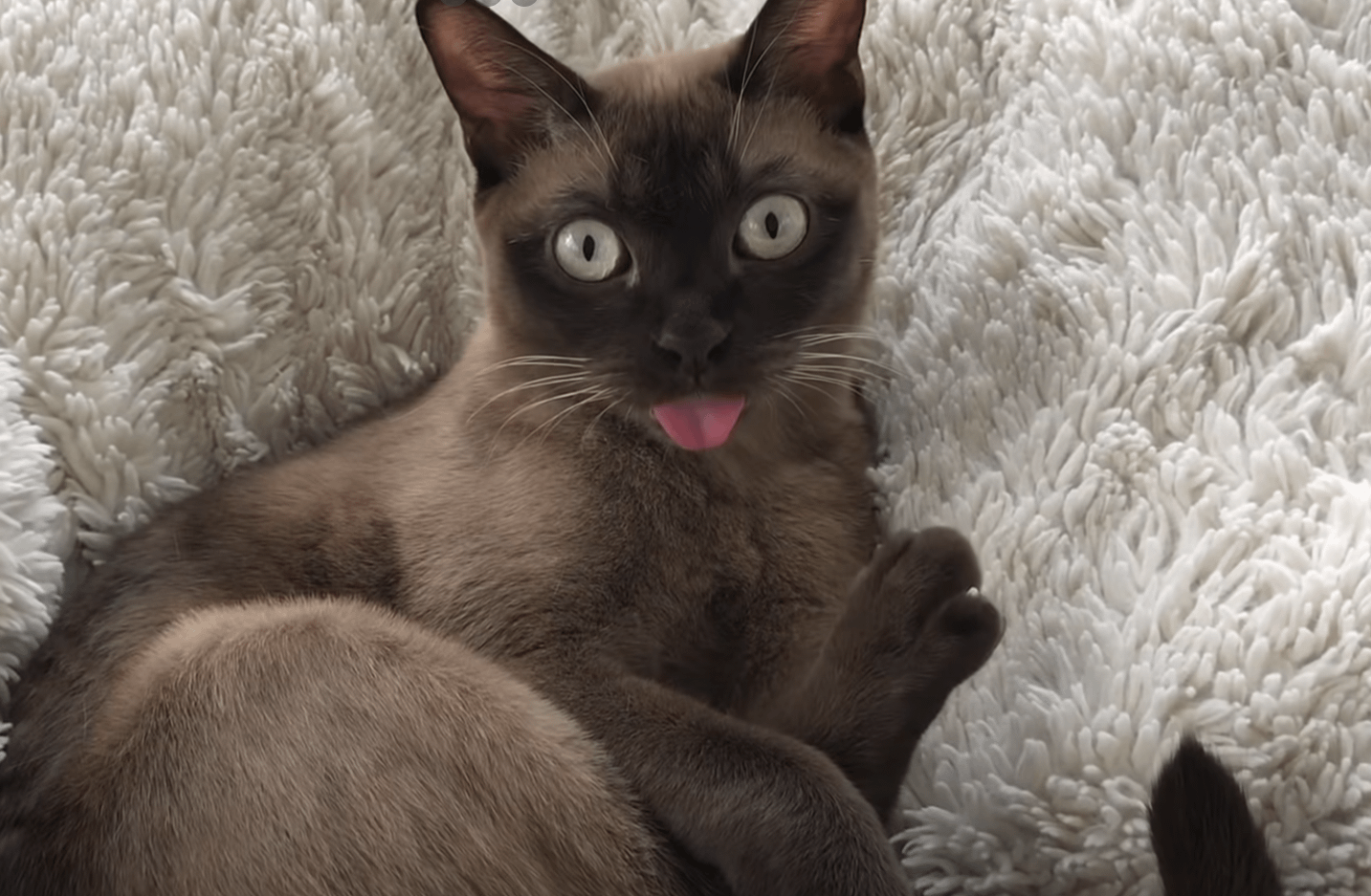
Have you ever noticed your cat suddenly start grooming himself right when you’re petting him? It can feel confusing or even a little frustrating.
You’re showing affection, and instead of relaxing, your furry friend begins licking and cleaning. Why does this happen? Understanding this curious behavior can help you connect better with your cat and make your petting time even more enjoyable. Keep reading to discover the surprising reasons behind your cat’s grooming during your special moments together.

Credit: www.reddit.com
Cat Grooming Basics
Understanding the basics of cat grooming helps you see why your feline friend might start cleaning himself while you pet him. Grooming is more than just cleanliness for cats; it’s a complex behavior that serves several important roles. Getting to know these fundamentals can improve your bond and make petting time more enjoyable for both of you.
How Cats Groom Themselves
Cats use their rough tongues like little brushes to clean their fur. They lick their coat to remove dirt, loose hair, and even parasites. Their paws act like washcloths, which they lick and then use to scrub hard-to-reach spots.
You might notice your cat twisting and bending in seemingly awkward positions. This flexibility helps them reach every part of their body. Sometimes, they even nibble gently on their fur to tackle stubborn tangles or dirt.
Purpose Of Grooming
Grooming goes beyond hygiene. It helps regulate body temperature by spreading natural oils through their fur. These oils keep the coat shiny and waterproof.
Grooming also calms cats down. When your cat cleans himself during petting, it might be a sign he feels relaxed but also needs to stay alert. Have you ever felt the urge to tidy up when you’re nervous? Cats might be doing something similar.
Another purpose is social bonding. Cats groom each other to build trust and friendship. When your cat grooms himself while you pet him, it can be his way of mixing self-care with the pleasure of your touch.

Credit: www.reddit.com
Grooming During Petting
Noticing your cat grooming himself while you pet him can feel puzzling. This behavior is more common than you think and reveals a lot about how your cat feels during those moments. Understanding grooming during petting can help you connect better with your furry friend.
Common Grooming Behaviors When Petted
Many cats respond to petting by licking their paws or face. You might see them rubbing their face vigorously or licking their fur in a focused way. These actions often follow a gentle scratch or stroke, almost like they’re trying to maintain their clean, comfortable state.
Some cats might even nibble or bite their fur lightly during petting. This doesn’t always mean irritation; sometimes, it’s a self-soothing method or a way to manage excitement. Have you noticed if your cat’s grooming intensifies when you pet a specific spot? That could be a clue to their comfort level.
Body Areas Cats Focus On
Cats tend to groom areas they can’t easily reach themselves, such as behind the ears or around the neck. When you pet these spots, your cat may follow up by grooming to extend that feeling of care. It’s their way of reinforcing comfort in those areas.
Another common focus is the belly or chest, which can be sensitive spots. Grooming here after petting might mean your cat is calming themselves or dealing with mixed feelings about being touched there. Pay attention to whether grooming feels relaxed or tense—it’s a good indicator of how your cat truly feels.
Reasons Behind Grooming While Being Petted
Noticing your cat grooming himself while you pet him can feel puzzling. This behavior isn’t random; it serves several purposes that relate to your cat’s emotional and physical well-being. Understanding these reasons can deepen your bond and help you respond better to your furry friend’s needs.
Self-soothing Mechanism
Your cat might groom himself as a way to calm down. Grooming releases endorphins, which act like natural stress relievers. When you pet your cat, it can stir up mixed feelings, and grooming helps him feel safe and relaxed.
Have you noticed your cat licking his paws or cleaning his fur right after you touch a certain spot? That’s his way of soothing himself, especially if he’s unsure about the attention.
Marking Territory
Grooming also plays a role in scent marking. Cats have scent glands in their skin, and when they groom, they spread their unique scent all over themselves. This scent acts like a personal ID card, signaling to others that this body belongs to them.
When your cat grooms during petting, he might be reinforcing his scent on you too. It’s a subtle way of saying, “You’re part of my territory now.” Have you ever felt that special connection when your cat stays close after grooming?
Redirected Attention
Sometimes grooming is a way to redirect focus. If your cat feels overwhelmed or overstimulated by petting, he might start grooming to shift his attention away. It’s like hitting a mental pause button.
If you notice grooming starts suddenly during play or petting, try adjusting your touch or giving your cat a break. Have you ever seen your cat suddenly stop enjoying petting and start licking himself instead?
Stress Or Anxiety Response
Grooming can be a sign of stress or anxiety. If your cat is anxious or uncomfortable, he might groom excessively to cope with those feelings. This behavior can look like repetitive licking or nibbling.
Pay attention to your cat’s environment and body language. Is there something new or unfamiliar that could be causing stress? Recognizing this can help you create a more comforting space.
Communication And Social Bonding
Grooming also serves as a social signal. Cats often groom each other to build trust and strengthen bonds. When your cat grooms himself while you pet him, it can be a way of communicating comfort and acceptance.
Think about moments when your cat pauses grooming to look at you with soft eyes. It’s his way of saying he trusts you. Have you felt this silent conversation during your quiet petting sessions?

Credit: www.reddit.com
When Grooming Signals Discomfort
Cats use grooming to feel calm and clean. Sometimes, grooming during petting shows they feel uneasy. This behavior helps them cope with stress or discomfort. Knowing when grooming signals discomfort helps you understand your cat better.
Overgrooming As A Sign
Overgrooming means your cat cleans itself too much. It can cause bald spots or skin irritation. This behavior often shows anxiety or pain. Overgrooming during petting may mean your cat feels overwhelmed. Watch for repeated licking or biting at the same spot.
Recognizing Stress Triggers
Stress triggers can make cats groom more when petted. Loud noises, sudden movements, or unfamiliar people cause stress. Too much or rough petting may also trigger discomfort. Notice if your cat tries to move away or hides. Understanding these triggers helps you avoid stressing your cat.
How To Respond To Grooming During Petting
Understanding how to respond when your cat starts grooming himself during petting can improve your bond and make these moments more enjoyable for both of you. Grooming in this context is often a sign your cat is processing the interaction, and your response can either encourage or discourage this behavior. Paying attention to his signals and adjusting accordingly helps create a positive petting experience.
Adjusting Petting Style
If your cat begins grooming while you pet him, try changing your approach. Cats have different preferences for pressure and petting spots.
- Slow down your strokes and use softer touches.
- Avoid sensitive areas like the belly or tail if your cat reacts by grooming.
- Focus on favorite spots such as behind the ears or under the chin.
Have you noticed your cat relaxing more with gentle, slow petting? This small change can reduce his need to self-soothe through grooming.
Creating A Comfortable Environment
Your cat’s grooming during petting might signal mild stress or overstimulation. Make sure your surroundings support calm interactions.
- Choose a quiet room without loud noises or sudden movements.
- Keep petting sessions brief and positive rather than long and overwhelming.
- Offer a cozy spot like a soft blanket or your lap to help your cat feel secure.
Notice how your cat behaves in different environments. Does he groom less when he feels safe and relaxed?
Observing Your Cat’s Preferences
Every cat is unique. Observing his reactions during petting helps you understand what he enjoys and what triggers grooming.
- Watch for signs like tail flicking, ear movement, or sudden grooming.
- Try petting at different times of the day to see when he is most receptive.
- Note if grooming happens more with certain people or touch patterns.
Have you thought about keeping a simple petting journal? Recording these details can reveal patterns that improve your petting sessions.
When To Consult A Veterinarian
Cats often groom themselves when petted to show comfort or reduce stress. Consult a veterinarian if grooming becomes excessive or skin looks irritated. This may signal allergies, pain, or other health issues needing attention.
When you pet your cat, grooming is usually normal. Yet, sometimes it indicates something more. Knowing when to consult a veterinarian can help. Cats have sensitive skin and emotions. Sudden changes in behavior or skin issues can be concerning. Below are signs that suggest a vet visit may be necessary.Signs Of Skin Problems
Observe your cat’s skin while grooming. Look for redness or sores. Excessive scratching or licking can cause these issues. Check for bald patches or flaky skin. These might signal allergies or parasites. Cats with skin problems often feel uncomfortable. A vet can diagnose and treat these conditions.Behavioral Concerns
Notice any changes in your cat’s behavior. Increased grooming might indicate stress or anxiety. Cats often groom to self-soothe. If your cat grooms excessively, it could be a problem. Look for other signs of stress, like hiding or aggression. Behavioral changes warrant a vet’s attention. They can provide solutions to help your cat.Frequently Asked Questions
Why Does My Cat Groom After I Pet Him?
Cats groom after petting to calm themselves and reduce stress. It’s a self-soothing behavior that helps them feel safe and relaxed. Grooming also reinforces their scent, marking comfort and bonding with you.
Is Grooming A Sign Of Cat Affection?
Yes, grooming can show affection and trust. When your cat grooms after petting, it often means they feel secure and connected to you. It’s a positive sign of their emotional bond with you.
Can Grooming Mean My Cat Feels Anxious?
Sometimes, grooming indicates mild anxiety or overstimulation. If your cat grooms excessively after petting, it could be a way to cope with stress. Watch for other signs like restlessness or avoidance.
Does Grooming Help Cats Manage Petting Overstimulation?
Yes, grooming can help cats manage overstimulation. Petting may trigger sensory overload, and grooming helps them regain calmness. It’s their natural way to reset and feel comfortable again.
Conclusion
Cats grooming themselves while you pet them shows comfort and trust. It helps them relax and feel safe near you. Grooming also keeps their fur clean and healthy. Sometimes, cats groom to calm down or express happiness. Watching this behavior helps you understand your cat better.
Enjoy these quiet moments of bonding and care. Your cat’s grooming is a small but meaningful way to connect. Keep petting gently and cherish your special friendship.


Leave a Reply