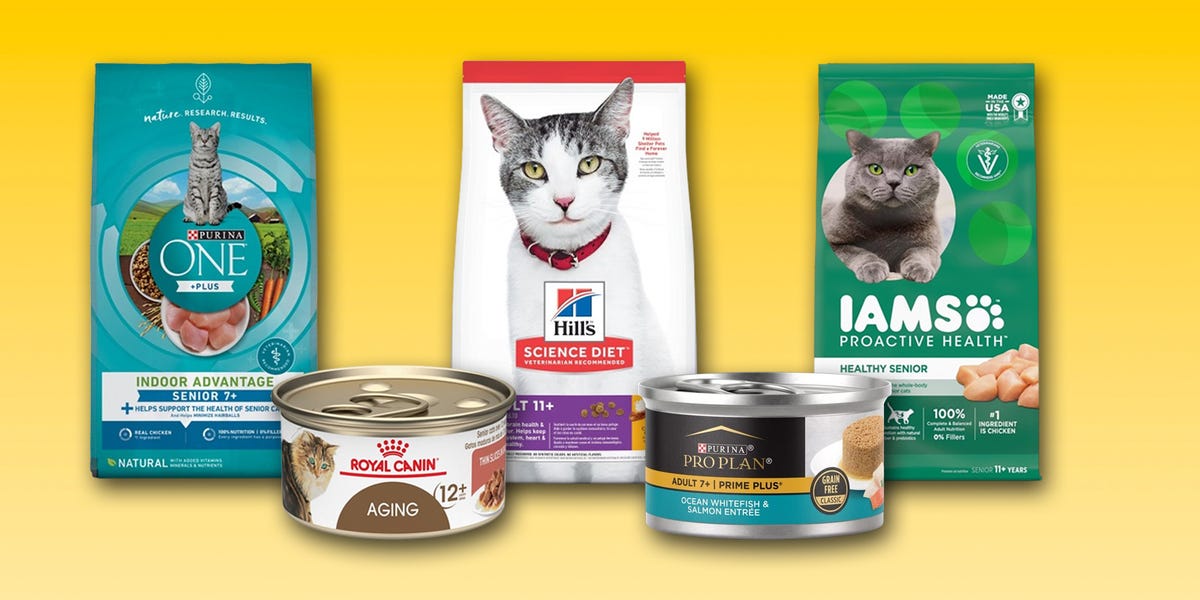
Choosing the right food for your adult cat can feel overwhelming. You want to make sure your furry friend stays healthy, happy, and full of energy.
But with so many options on the market, how do you know which pet food is truly good for your cat? This guide will help you understand what to look for in adult cat food. By the end, you’ll feel confident about picking the best nutrition for your pet’s needs.
Keep reading to discover simple tips that can make a big difference in your cat’s health.
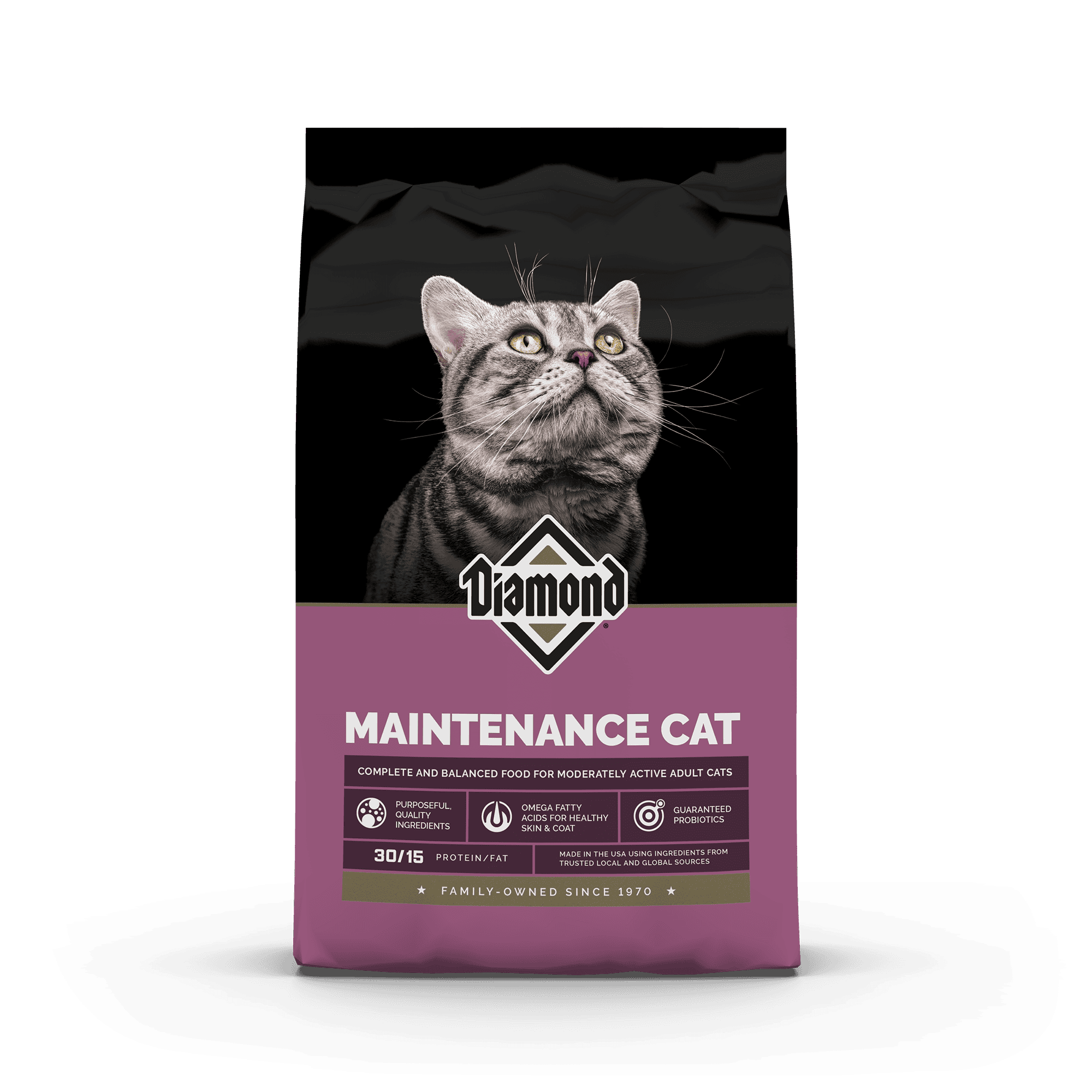
Credit: www.diamondpet.com
Nutritional Needs Of Adult Cats
Understanding the nutritional needs of adult cats is key to keeping your feline friend healthy and active. Adult cats have specific dietary requirements that differ from kittens or senior cats. Providing the right nutrients, calories, and hydration can make a significant difference in their overall well-being.
Essential Nutrients
Your adult cat needs a balanced mix of proteins, fats, vitamins, and minerals to thrive. Protein is especially important because cats are obligate carnivores; they rely heavily on animal-based proteins like chicken, fish, or beef. Taurine, an amino acid found in meat, is vital for heart and eye health and must be included in their diet.
Besides protein, fats supply energy and support skin and coat health. Look for foods rich in omega-3 and omega-6 fatty acids. Vitamins such as A, D, and E, along with minerals like calcium and phosphorus, help maintain strong bones and a healthy immune system.
Caloric Requirements
Adult cats typically need around 20 calories per pound of body weight daily, but this varies based on activity level and health. Overfeeding can lead to obesity, which causes joint problems and diabetes, so portion control is essential. You might need to adjust your cat’s food intake if they’re less active or have gained weight recently.
Have you noticed your cat gaining weight even on the same food? This could mean their calorie needs have decreased, and you should consult your vet to tailor their diet. Feeding measured portions rather than free-feeding helps you control calorie intake effectively.
Hydration Importance
Cats often don’t drink enough water on their own, which can lead to urinary tract problems or kidney issues. Wet cat food is a great way to add moisture to their diet and improve hydration. If your cat eats mostly dry food, make sure fresh water is always available and encourage drinking by adding water bowls in different locations.
Think about how often you see your cat drinking water daily. If it’s less than you’d expect, try mixing wet food into their meals or offering broth (without onions or garlic). Keeping your cat hydrated supports kidney function and overall health, especially as they age.
Types Of Cat Food
Choosing the right type of food is key for adult cats. Different foods offer unique benefits that support their health and happiness. Understanding these options helps you pick what suits your cat best. Cats need balanced nutrition, so knowing food types matters.
Dry Food Benefits
Dry cat food is easy to store and serve. It helps keep teeth clean by reducing plaque. This food type usually costs less and lasts longer once opened. Dry food often contains more calories, which is good for active cats. It also offers a crunchy texture many cats enjoy.
Wet Food Advantages
Wet cat food contains more moisture, helping cats stay hydrated. It has a soft texture that is easier to chew. Wet food often smells stronger, which can attract picky eaters. It usually has fewer carbohydrates and more protein. This type of food mimics a cat’s natural diet closely.
Raw And Homemade Options
Raw and homemade diets allow full control over ingredients. These foods can be fresh and free from fillers. They often include raw meat, organs, and bones. Homemade meals let you avoid artificial additives and preservatives. Careful preparation is needed to ensure balanced nutrition and safety.
Ingredients To Look For
Choosing the right pet food for your adult cat is crucial for its health and happiness. Cats are obligate carnivores, which means their diet should primarily consist of meat. But what specific ingredients should you look for when picking out their food?
High-quality Protein Sources
Protein is the cornerstone of your cat’s diet, and the source matters. Look for foods that list real meat, like chicken, turkey, or fish, as the first ingredient. This ensures your cat gets the essential amino acids they need for muscle maintenance and overall health.
Avoid meat by-products or vague terms like “meat meal,” which can be a mix of less desirable parts. Have you ever noticed how your cat’s coat shines with a high-quality protein-rich diet? That’s a sign you’re on the right track!
Healthy Fats
Healthy fats are vital for your cat’s energy and coat health. Ingredients like fish oil or chicken fat provide necessary fatty acids such as omega-3 and omega-6.
These fats not only enhance the flavor but also support your cat’s brain function and immune system. Ever wondered why your cat seems more playful after a meal? It might be those healthy fats at work!
Vitamins And Minerals
Vitamins and minerals are the unsung heroes in your cat’s diet. Look for foods fortified with taurine, an essential amino acid that cats cannot produce on their own. It’s crucial for heart health and vision.
Calcium and phosphorus are also important for bone health, while vitamins A and E support vision and immune function. Take a peek at the ingredients list next time—are these nutrients present to keep your feline friend thriving?
Choosing the right cat food involves more than just picking a pretty package. By focusing on these key ingredients, you ensure your adult cat enjoys a balanced and nutritious diet, leading to a happier and healthier life. What changes can you make today to enhance your cat’s diet?
Ingredients To Avoid
Choosing the right food for your adult cat means knowing which ingredients to avoid. Some components can harm their health or provide little to no nutritional value. Understanding these harmful ingredients helps you make smarter choices for your furry friend’s diet.
Fillers And By-products
Fillers like corn, wheat, and soy are often added to pet food to cut costs. These ingredients add bulk but offer limited nutritional benefits for cats, who need protein, not grains. By-products, such as unspecified meat parts, can be low-quality and hard to digest.
When I switched my cat’s food away from fillers, I noticed her coat became shinier and she had more energy. Doesn’t your cat deserve food that fuels them properly rather than just fills their stomach?
Artificial Additives
Artificial colors, flavors, and preservatives might make pet food look and smell appealing, but they can cause allergies and digestive issues. These chemicals provide no real health benefits and can build up toxins over time.
Look for labels free from artificial additives. Your cat’s health is worth food made with natural ingredients. Have you ever checked how many chemicals are in your cat’s daily meal?
Excessive Carbohydrates
Cats are obligate carnivores, meaning their bodies thrive on meat, not carbs. Too many carbohydrates can lead to weight gain and diabetes in cats. Ingredients like potatoes, peas, and rice are often overused in commercial pet foods.
My cat struggled with weight until I switched to a low-carb diet rich in real meat. Have you noticed your cat gaining weight despite regular exercise? Cutting carbs might be the key to better health.
Special Dietary Needs
Adult cats have different health needs that affect their diet. Special dietary needs help maintain their well-being and energy. Choosing the right food supports their unique conditions and keeps them healthy.
Weight Management
Maintaining a healthy weight is vital for adult cats. Overweight cats face risks like diabetes and joint problems. Foods with controlled calories and balanced nutrients help manage weight. High protein and low fat formulas support lean muscle. Feeding smaller portions often keeps cats satisfied without gaining excess weight.
Sensitive Stomachs
Cats with sensitive stomachs need gentle, easy-to-digest foods. Limited ingredient diets reduce stomach upset and vomiting. Ingredients like rice or pumpkin soothe digestion. Avoiding fillers and artificial additives lowers irritation risk. Probiotics in food improve gut health and nutrient absorption. Regular feeding schedules also help stabilize digestion.
Allergies And Intolerances
Food allergies or intolerances cause itching, hair loss, or digestive trouble. Common allergens include beef, dairy, and grains. Hypoallergenic diets use novel proteins like duck or venison. Grain-free options reduce reactions for some cats. Reading ingredient labels carefully avoids triggers. Consulting a vet for allergy testing guides the right diet choice.
Reading Cat Food Labels
Reading cat food labels can feel like deciphering a secret code. But knowing what to look for helps you choose the best nutrition for your adult cat. It’s not just about picking the tastiest option; it’s about understanding what your cat really needs to stay healthy and happy.
Understanding Ingredient Lists
The ingredient list tells you what’s actually in the food. Ingredients are listed by weight, from highest to lowest. So, the first few ingredients matter most.
Look for real meat or fish named specifically, like “chicken” or “salmon,” rather than vague terms like “meat by-products.” Some labels might say “corn” or “wheat” near the top, which means fillers are taking up a big part of the food.
Think about your cat’s natural diet. Cats are obligate carnivores, so they need protein from animal sources. If you see too many carbohydrates or plant-based ingredients, it might not be the best choice.
Nutritional Information
Check the guaranteed analysis section for protein, fat, fiber, and moisture content. Adult cats usually need at least 26% protein and 9% fat in their food.
Fiber isn’t a big priority for cats but can help with digestion. Moisture content is important too—wet food has more water, which supports hydration.
Some labels also include added vitamins and minerals. These ensure your cat gets all essential nutrients. Ask yourself: Does this food meet your cat’s specific health needs, like weight control or allergies?
Expiration Dates
Always check the expiration or “best by” date on the package. Freshness affects both safety and nutritional value. Feeding your cat expired food can lead to health problems or spoilage issues.
Once opened, cat food can spoil quickly. Wet food should be refrigerated and used within a couple of days. Dry food lasts longer but still needs to be stored properly in a cool, dry place.
Have you ever noticed your cat turning away from a food? Sometimes it’s a sign the food is past its prime or the ingredients don’t agree with them. Paying attention to dates helps avoid these problems.
Feeding Tips For Adult Cats
Feeding your adult cat the right way is just as important as choosing the right food. Small changes in how you serve their meals can make a big difference in their health and happiness. Let’s look at some key tips that can help you feed your cat smarter and more effectively.
Portion Control
Overfeeding is a common mistake that can lead to weight gain and health problems. Measure your cat’s food using a kitchen scale or measuring cup to avoid guesswork.
Check the feeding guidelines on the cat food package, but remember that these are just starting points. Adjust portions based on your cat’s activity level, age, and body condition.
Have you noticed your cat begging for more food even after a full meal? Try dividing their daily portion into smaller servings spread throughout the day to keep them satisfied.
Meal Frequency
Adult cats typically do well with two meals a day, but some may prefer smaller, more frequent feedings. Observe your cat’s behavior and energy levels to find what works best.
Scheduled meals help regulate your cat’s metabolism and reduce the chance of overeating. Free feeding (leaving food out all day) can lead to excessive weight gain.
If you switch to multiple small meals, make sure to adjust the total daily food amount to prevent overfeeding.
Transitioning Foods
Switching your cat’s food too quickly can cause digestive upset or refusal to eat. Gradually mix the new food with the old over 7 to 10 days.
Start with a small amount of the new food mixed into their current diet, then slowly increase the new food portion while decreasing the old.
Have patience during this process and watch how your cat reacts. If your cat shows signs of distress, slow down the transition even more or consult your vet.
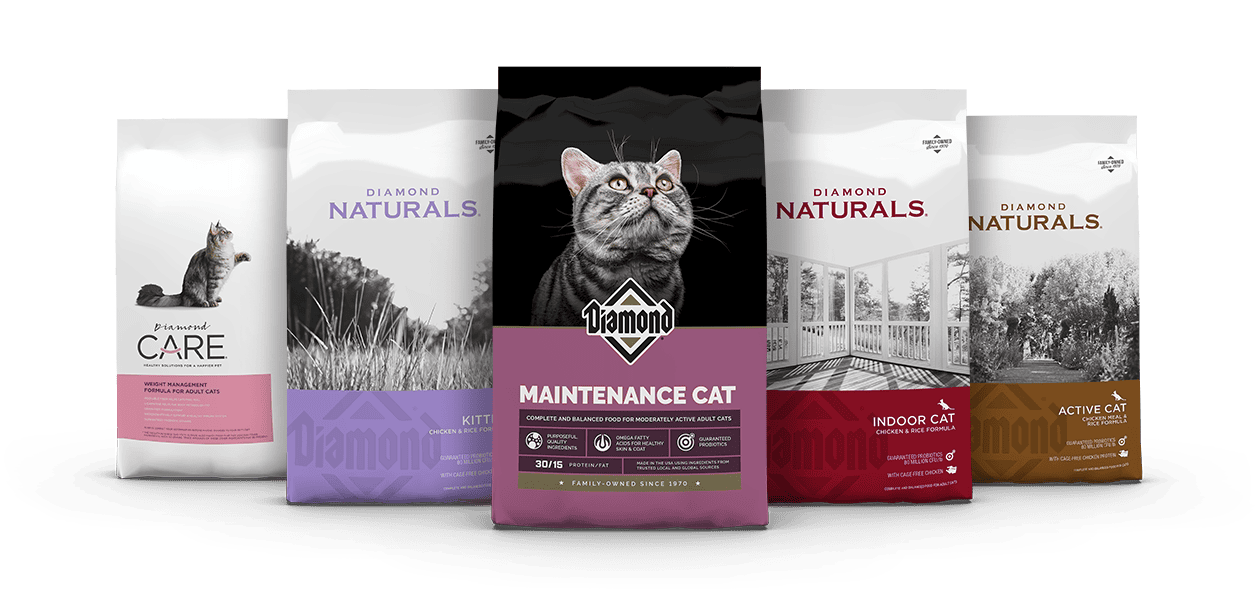
Credit: www.diamondpet.com
Popular Cat Food Brands
Choosing the right food brand for your adult cat can make a big difference in their health and happiness. Popular cat food brands offer a variety of options tailored to different needs, preferences, and budgets. Knowing which brands consistently deliver quality ingredients and balanced nutrition helps you make confident choices for your feline friend.
Top-rated Dry Foods
Dry cat food is convenient and helps with dental health by reducing plaque buildup. Brands like Hill’s Science Dietand Royal Caninare well-regarded for their scientifically formulated recipes targeting adult cats’ specific nutritional needs.
Another favorite is Blue Buffalo, known for using real meat and wholesome grains. You might wonder if your cat prefers texture over flavor—dry food offers a satisfying crunch that many cats love.
Best Wet Foods
Wet food keeps your cat hydrated and is often more palatable, especially for picky eaters. Wellness COREand Fancy Feastprovide a range of flavors with high protein content and no artificial fillers.
In my experience, cats switching from dry to wet food showed improved coat shine and energy levels. Have you noticed how your cat reacts differently to wet food textures and tastes? It’s worth trying a few brands to see what excites your cat’s appetite.
Organic And Natural Brands
If you prioritize clean ingredients, brands like Natural Balanceand Castor & Polluxoffer organic and natural cat food options. These brands avoid artificial preservatives, colors, and by-products.
Choosing organic food can be especially beneficial if your cat has allergies or sensitivities. Do you think the extra cost is justified by the peace of mind that comes with feeding your cat natural ingredients?
Common Myths About Cat Food
Many people believe certain things about cat food that are not true. These myths can affect how you feed your adult cat. Knowing the facts helps you choose the best food. Let’s clear up some common misunderstandings about cat food.
Grain-free Myths
Many think grain-free food is always better for cats. Cats can digest some grains well. Grains provide energy and fiber. Grain-free diets are not always healthier. Some grain-free foods use more fats and proteins. These can cause other health issues. Always check the ingredients and nutrition, not just grains.
Raw Food Risks
Raw food diets seem natural to some owners. Raw meat can carry bacteria like Salmonella and E. coli. These bacteria can harm cats and humans. Raw diets need careful preparation and hygiene. Many vets warn about feeding raw food regularly. Cooked or commercial food is safer for most cats.
Overfeeding Concerns
Feeding too much is a common problem. Overfeeding causes obesity and health issues. Cats need the right amount of calories daily. Treats and snacks add up quickly. Use feeding guidelines on cat food packages. Monitor your cat’s weight and adjust food amounts. Healthy weight means a happier cat.

Credit: www.amazon.ca
Frequently Asked Questions
What Ingredients Should I Look For In Adult Cat Food?
Look for high-quality animal protein, essential fatty acids, and balanced vitamins. Avoid fillers like corn, wheat, and soy. Ensure the food supports healthy digestion and immune function.
How Much Wet Vs Dry Food Should Adult Cats Eat?
A mix of wet and dry food is ideal. Wet food helps hydration and urinary health. Dry food maintains dental health and is convenient for portion control.
Can Adult Cats Eat Grain-free Pet Food Safely?
Yes, grain-free food can be safe if it meets nutritional needs. Ensure it contains sufficient protein and essential nutrients. Always consult your vet for specific dietary advice.
Is It Necessary To Feed Adult Cats Specialized Diet Food?
Special diets are needed only for health issues like allergies or kidney disease. Otherwise, a balanced, high-quality adult cat food is sufficient for healthy cats.
Conclusion
Choosing the right food helps keep adult cats healthy and happy. High protein and balanced nutrients support their energy and growth. Avoid fillers like corn or excessive grains. Wet food can add moisture to their diet. Always check labels for quality ingredients.
Fresh water should be available all the time. Regular feeding times help maintain a good routine. A well-fed cat shows better mood and activity. Healthy food leads to a longer, more comfortable life. Simple steps make a big difference in your cat’s health.



Leave a Reply