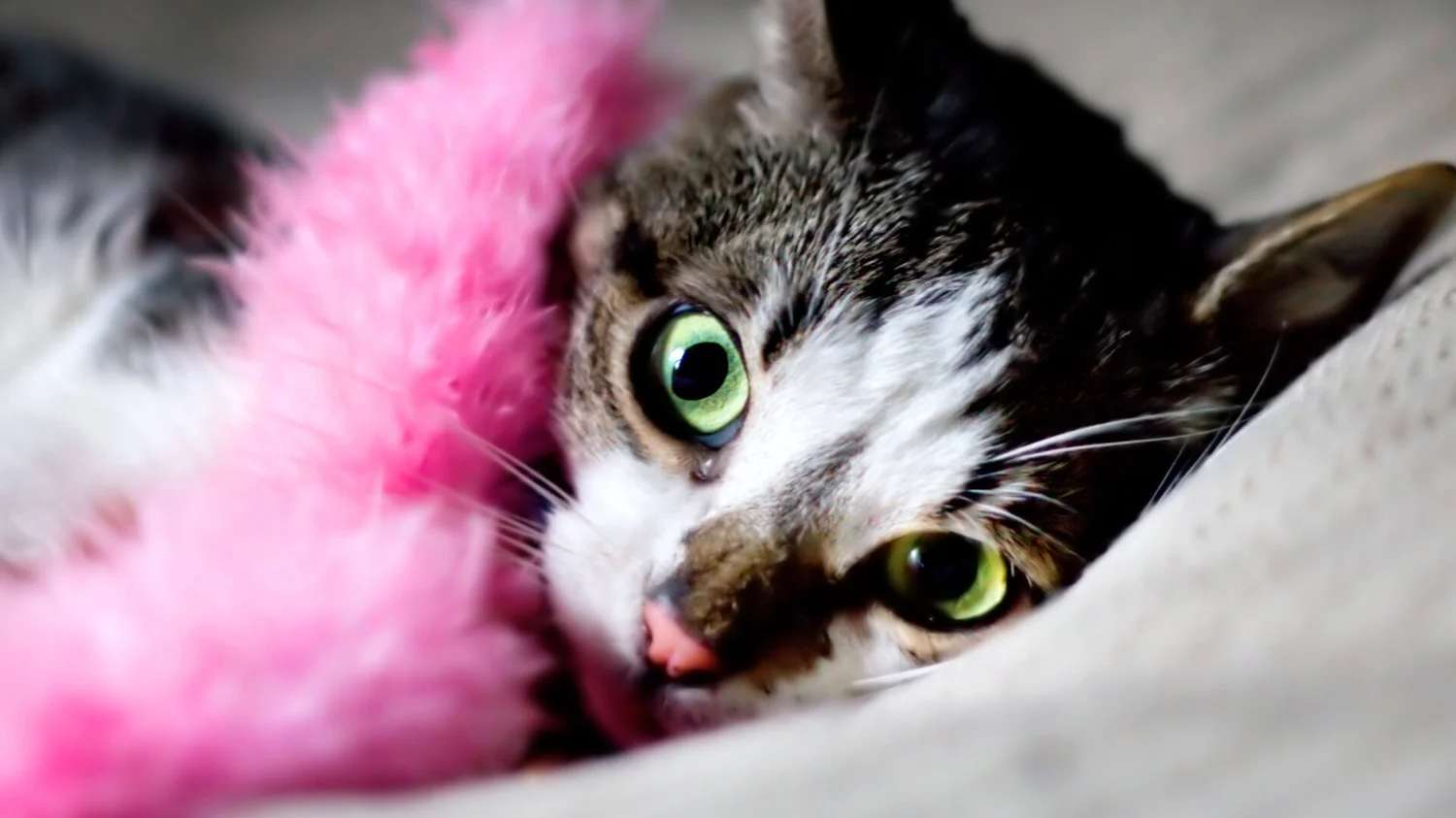
Have you ever caught your cat carefully licking or nibbling on her toys and wondered why she’s doing it? It might seem odd at first, but this behavior is more common than you think.
Understanding why your cat grooms her toys can give you a deeper glimpse into her personality and needs. Keep reading to discover the surprising reasons behind this cute habit and how it connects to your furry friend’s world. You’ll never look at her playtime the same way again!
Cat Grooming Habits
Understanding your cat’s grooming habits can shed light on why she might groom her toys. Grooming is more than just keeping clean; it’s a vital part of a cat’s daily routine and emotional well-being. Observing these habits helps you connect with your cat and notice what’s normal versus what might need attention.
Normal Grooming Behavior
Cats spend a significant amount of time grooming themselves. They lick their fur to remove dirt, loose hair, and to regulate body temperature. Grooming also helps cats relax and reduce stress after a busy or stimulating day.
You might notice your cat using her tongue to clean hard-to-reach spots like behind the ears or under the chin. This is typical self-care behavior that keeps her coat shiny and skin healthy. Have you ever seen your cat pause mid-grooming to stare at you? It’s like she’s saying, “I’m taking care of myself, don’t worry.”
Grooming Beyond The Self
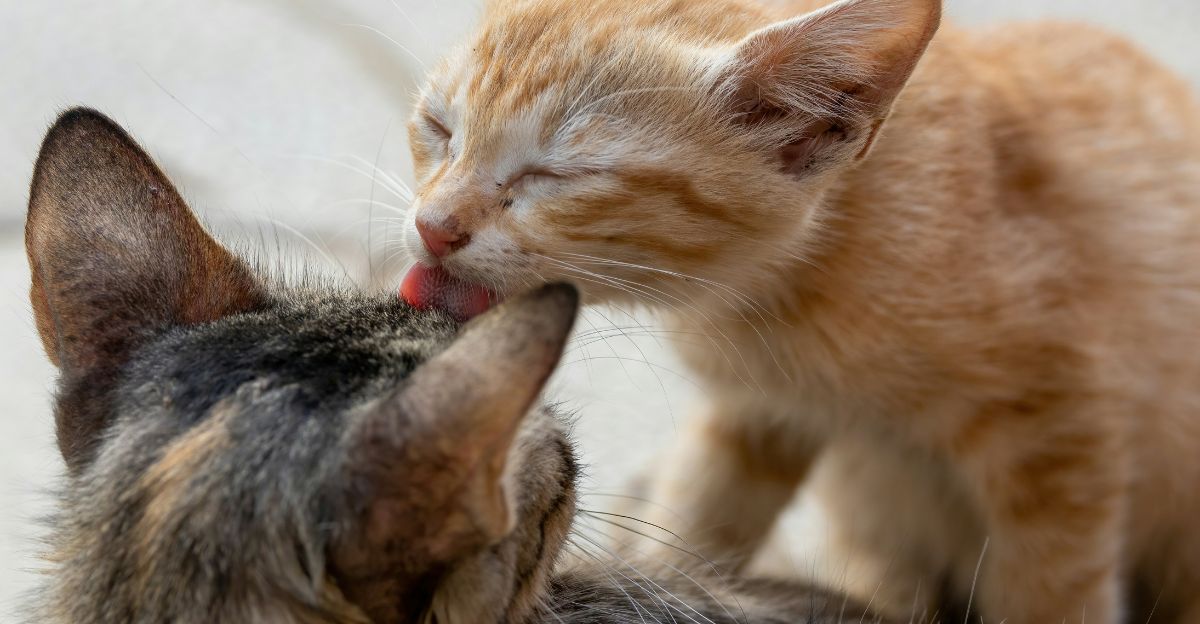
Sometimes your cat extends grooming to others or even objects like her toys. Grooming her toys can be a sign of affection or a way to transfer her scent, marking them as part of her territory. This behavior often mimics the way cats groom their kittens or other cats they trust.
Grooming toys might also help your cat feel comforted and secure, especially if you’re not around. It’s a reminder that she is in a safe space. If you’ve noticed your cat carefully licking or nibbling on a favorite toy, consider it a compliment—she treats it like a friend or family member.

Credit: www.goodhousekeeping.com
Toys As Grooming Targets
Have you ever noticed your cat licking or nibbling on her favorite toy as if she’s grooming it? This behavior might seem odd at first, but it reveals a lot about how cats interact with their surroundings. Toys often become more than just playthings; they turn into grooming targets, reflecting your cat’s instincts and emotional state.
Selecting Favorite Toys
Cats don’t just pick any toy to groom. They usually choose one that feels comforting or reminds them of something familiar, like a small stuffed animal that resembles prey. Your cat might favor a toy with a particular texture, scent, or size that makes it perfect for grooming.
Think about the toys your cat returns to repeatedly. Are they soft and plush? Do they carry your scent or the scent of other pets? These favorites often become substitute companions, giving your cat a sense of security.
How Cats Treat Their Toys
When your cat licks or bites her toy, she’s often transferring natural grooming habits onto it. This can be a way to keep the toy “clean” or simply a comforting ritual that mimics how she would groom herself or another cat. It’s also a sign that she feels safe and relaxed in her environment.
Have you noticed your cat rubbing her face on the toy before grooming it? This deposits her scent, marking the toy as hers. Such actions reinforce her bond with the toy, turning it into a cherished object rather than just a plaything.
Next time your cat grooms her toy, watch closely. It’s a window into her world—her preferences, her instincts, and even her emotions. What might your cat’s favorite toy be telling you about her personality?
Reasons Behind Grooming Toys
Cats often groom their toys to show comfort and care, similar to how they clean themselves. This behavior can also help them feel safe and reduce stress. Grooming toys mimics natural instincts and strengthens their bond with favorite objects.
Cats have a curious habit of grooming their toys, leaving many cat owners puzzled. Understanding why your cat does this can deepen the bond between you and your feline friend. Let’s unravel the reasons behind this peculiar behavior.Scent Marking And Territory
Cats rely heavily on scent to communicate and establish their territory. When your cat grooms her toys, she is likely marking them with her scent. This act of scent marking reassures her that the toys are part of her domain. Every time she licks or rubs against a toy, she’s leaving a little bit of herself behind. You might notice this behavior more if there are other pets in the house. It’s her way of saying, “This is mine!”Comfort And Stress Relief
Grooming can be a soothing activity for cats, much like a warm bath is for humans. When your cat grooms her toys, it might be a method of self-soothing. This can be especially true in stressful environments or when there are changes in the household. Have you ever seen your cat groom her toys after a loud noise or an unexpected visitor? It’s her way of finding calm amidst chaos. This behavior provides her with a sense of security and relaxation.Mimicking Maternal Instincts
Cats are natural caregivers, and grooming is part of their nurturing instinct. Female cats, in particular, may groom toys as if they are kittens. This behavior can be a sign of affection and mimics the way they would care for their young. Think of it as practice for motherly duties or a way to express that nurturing side. Even if your cat has never had kittens, these instincts are deeply ingrained.Play And Hunting Practice
Cats are natural hunters, and grooming toys can be part of their play and hunting practice. After a bout of playtime, your cat might groom the toy as a way to simulate grooming prey. This behavior can also be seen as a way to “clean” the toy after a successful hunt. Does your cat give her toy a good lick after a playful tussle? She might be treating it like a freshly caught mouse. This behavior is just another way she keeps her hunting skills sharp. Understanding why your cat grooms her toys can provide insight into her world. Does your cat exhibit any of these behaviors? Observing her closely might reveal more than you expect.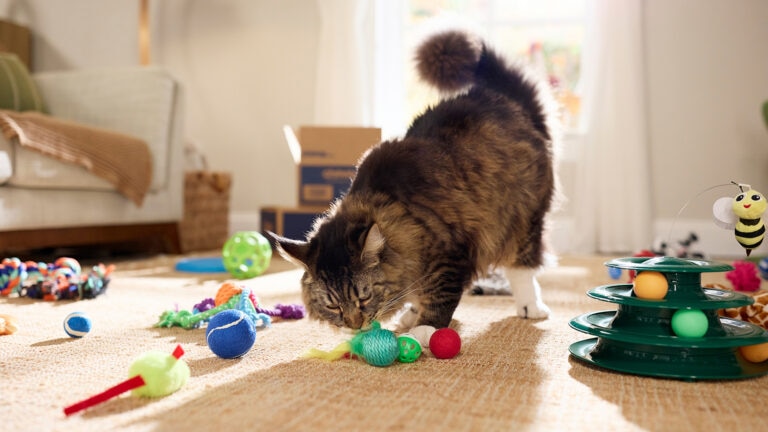
Credit: www.chewy.com
When Toy Grooming Signals Issues
Not all toy grooming is harmless. Sometimes, it can signal that your cat is dealing with underlying problems. Watching closely can help you spot when playtime behavior turns into a sign of distress.
Obsessive Grooming Signs
If your cat grooms her toys for long periods without breaks, it might be obsessive. Look for repeated licking, biting, or even chewing that seems hard to stop. Notice if she ignores you or other activities because she’s focused only on the toy.
Does your cat groom other objects with the same intensity? Are there bald spots or sores on the toy from constant attention? These signs suggest the behavior has gone beyond normal play.
Behavioral And Health Concerns
Obsessive toy grooming can point to anxiety or stress. Changes in your home like new pets, visitors, or moving furniture may trigger this behavior. It could also be a way for your cat to comfort herself when she feels insecure.
Health issues such as skin allergies or dental pain might cause your cat to seek relief by grooming toys. If she avoids grooming herself or seems uncomfortable, a vet check can rule out medical causes. Addressing these problems early can prevent more serious issues.
Have you noticed your cat’s grooming habits shift suddenly? Observing when and how she grooms can help you understand her needs better and decide if professional advice is needed.
Encouraging Healthy Grooming
Encouraging healthy grooming helps keep cats happy and clean. Grooming their toys shows they feel comfortable and safe. Supporting this behavior is good for their well-being. It also prevents stress and boredom that can lead to bad habits.
Providing Suitable Toys
Choose soft toys that feel nice to touch. Toys with different textures invite grooming and play. Avoid toys with small parts that can fall off. Replace old toys often to keep interest high. Clean toys regularly to keep them safe and fresh.
Managing Stress And Boredom
Stress can make cats groom too much or too little. Give your cat quiet time and cozy spaces. Play with your cat daily to keep them active. Rotate toys to keep their curiosity alive. A calm environment helps healthy grooming habits develop.

Credit: catit.ca
Frequently Asked Questions
Why Does My Cat Groom Her Toys Often?
Cats groom their toys as a way to show affection and mimic grooming behavior. It helps them feel comforted and secure.
Is Toy Grooming A Sign Of Stress In Cats?
Not necessarily. Grooming toys can be a calming activity, but excessive grooming may indicate stress or anxiety.
Do Cats Treat Toys Like Real Prey When Grooming?
Yes, cats often treat toys like prey. Grooming toys mimics natural hunting and caring behaviors seen in the wild.
Can Grooming Toys Affect My Cat’s Health?
Grooming toys is generally safe. However, ensure toys are clean and free of small parts to avoid choking hazards.
Conclusion
Cats groom their toys to show comfort and care. This behavior helps them feel safe and calm. Grooming also mimics how they clean themselves and others. Toys become like friends or family in their eyes. Understanding this can help you bond with your cat more.
Watch your cat’s actions to learn what she likes. Simple acts reveal a lot about her feelings. Enjoy these moments—they show trust and affection.

Leave a Reply