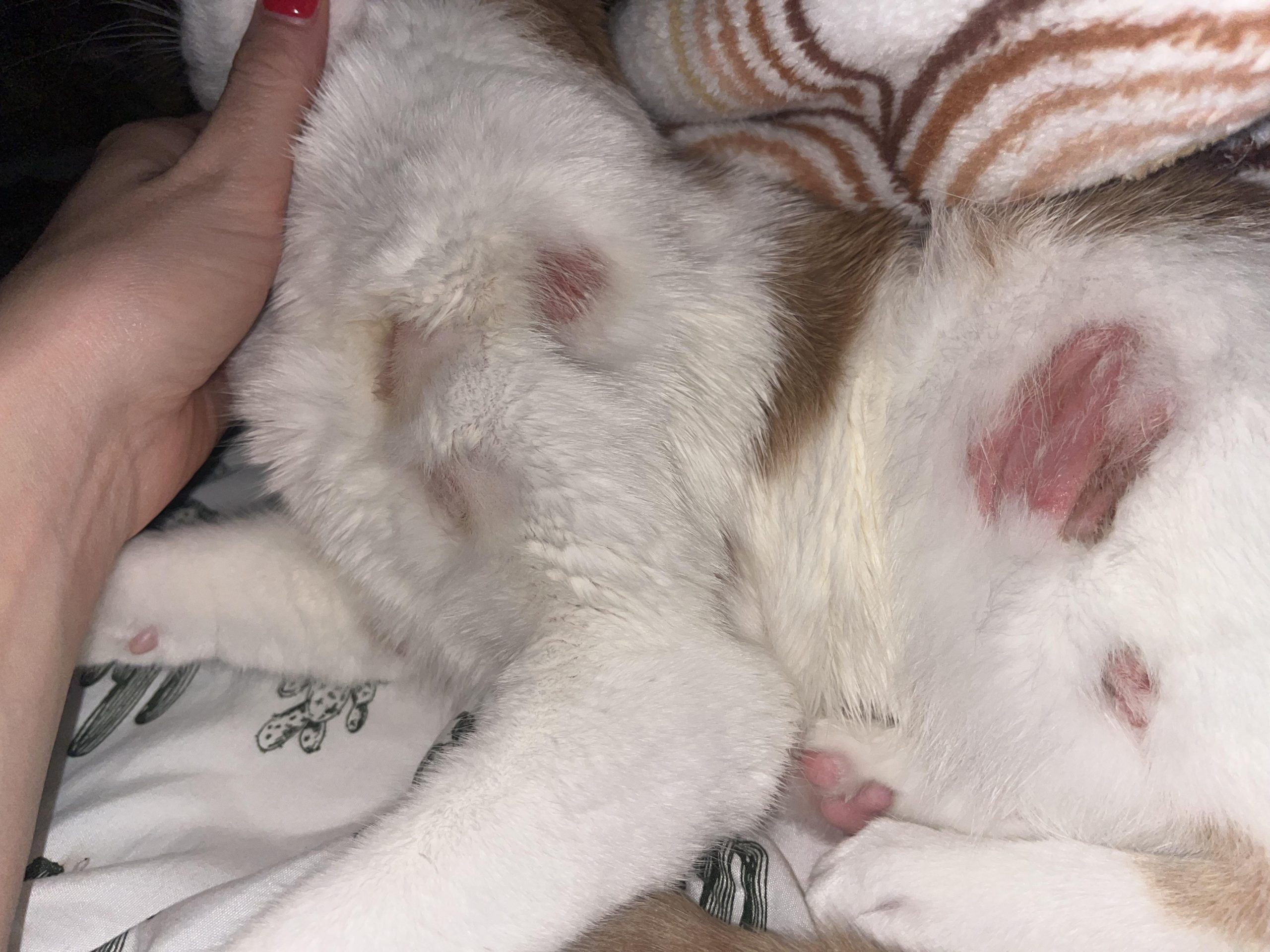
Have you noticed your cat licking or biting its belly and arms more than usual? Excessive grooming can be more than just a quirky habit.
It might be your cat’s way of telling you something is wrong. You may wonder why your furry friend spends so much time on these spots and if it’s something to worry about. You’ll discover the surprising reasons behind this behavior and what you can do to help your cat feel comfortable again.
Keep reading to learn how to spot the signs and take action before it becomes a bigger problem.

Credit: www.reddit.com
Common Reasons For Excessive Grooming
Excessive grooming on your cat’s abdomen and arms can be worrying. It’s important to understand the common reasons behind this behavior so you can help your feline friend feel comfortable and happy. Identifying the cause allows you to address the issue effectively and prevent further discomfort.
Stress And Anxiety Triggers
Cats often groom excessively when they feel stressed or anxious. Changes in their environment, such as moving to a new home or adding a new pet, can trigger this behavior. Have you noticed if your cat grooms more after loud noises or when left alone for long periods?
This grooming acts as a coping mechanism, similar to how humans might bite their nails when nervous. Providing a calm, stable environment can reduce your cat’s anxiety and help lower excessive grooming.
Allergies And Skin Irritations
Allergies are a frequent cause of skin irritation and excessive grooming. Your cat might be reacting to something in their food, environment, or even grooming products. Watch for redness, bumps, or flaky skin along with the grooming to spot allergies early.
Switching to hypoallergenic food or changing cleaning routines might ease your cat’s discomfort. Have you tried noticing if grooming spikes during certain seasons or after specific meals?
Parasite Infestations
Fleas, mites, and other parasites cause intense itching, prompting your cat to groom excessively. Even a single flea can make your cat scratch and lick persistently. Check your cat’s fur carefully for tiny moving dots or black specks.
Treating parasites quickly with vet-approved products is key to stopping the cycle of irritation and grooming. Could your cat’s environment be a source of reinfestation?
Pain And Discomfort
Sometimes grooming targets a specific area because of underlying pain or discomfort. Arthritis, injuries, or internal issues can lead your cat to lick certain spots repeatedly. If your cat seems sensitive or avoids being touched in those areas, it’s a red flag.
Consulting your veterinarian can help identify hidden health problems causing the grooming. Have you noticed any limping or changes in movement alongside the grooming?
Boredom And Behavioral Issues
Boredom can drive cats to groom excessively as a way to entertain themselves. Without enough playtime or mental stimulation, your cat might overgroom simply to pass the time. Does your cat have enough toys or interactive play sessions daily?
Introducing new games or puzzle feeders can redirect their energy and reduce grooming. What activities does your cat enjoy that you could do more often?
Health Conditions Linked To Over-grooming
Excessive grooming in cats, especially on the abdomen and arms, often signals underlying health problems. Understanding these health conditions can help you identify the cause and seek appropriate care. Let’s look at some common medical issues linked to over-grooming that might be affecting your feline friend.
Dermatitis And Eczema
Dermatitis and eczema cause inflammation and itchiness, prompting your cat to lick or scratch those irritated areas. These skin problems can result from allergies, parasites, or irritants in the environment.
If you notice redness, scabs, or hair loss alongside excessive grooming, dermatitis might be the cause. Have you checked if your cat’s bedding or food could be triggering this reaction?
Fungal And Bacterial Infections
Infections like ringworm or bacterial overgrowth can make your cat’s skin uncomfortable and painful. Cats tend to groom more to soothe the irritation caused by these infections.
Look for signs like flaky skin, sores, or a foul odor. Prompt treatment is essential because these infections can spread to other pets or even people in your home.
Hormonal Imbalances
Hormones play a big role in your cat’s skin and coat health. Conditions like hyperthyroidism or Cushing’s disease can lead to excessive grooming as your cat tries to manage discomfort or changes in skin texture.
Is your cat also experiencing weight changes or changes in energy levels? These clues can help your vet diagnose a hormonal issue behind the over-grooming.
Arthritis And Joint Pain
It might sound surprising, but pain from arthritis or joint problems can cause your cat to lick certain areas more. Grooming can act as a way to soothe aching limbs.
Watch if your cat avoids jumping or seems stiff. This behavior, combined with over-grooming on the limbs, could indicate joint pain that needs medical attention.
Identifying Signs Of Over-grooming
Is your cat spending more time than usual grooming its abdomen and arms? This behavior might seem harmless at first, but excessive grooming can be a sign of underlying issues. Recognizing the signs of over-grooming early can help you address potential problems and ensure your feline friend stays healthy and happy. Let’s explore some key indicators to watch for.
Visible Hair Loss Patterns
Hair loss in specific areas, especially the abdomen and arms, can be a clear sign of over-grooming. If you notice bald patches or thinning hair in these regions, it might be time to consult a vet. Sometimes, the pattern of hair loss can indicate where your cat is focusing its grooming efforts.
Skin Redness And Sores
Excessive grooming can lead to skin irritation, resulting in redness or even sores. Check your cat’s skin regularly for these signs, especially if they seem more irritable or are frequently licking the same spots. Untreated skin issues can lead to infections, so it’s important to address them promptly.
Changes In Behavior
Have you noticed any shifts in your cat’s behavior? Cats might groom excessively due to stress, anxiety, or boredom. Pay attention to any changes in their routine or environment that could be causing distress. Sometimes, a small adjustment in their daily life can make a big difference.
Monitoring Grooming Frequency
Keeping track of how often your cat grooms can help you identify excessive behavior. Consider setting aside a few minutes each day to observe your cat’s grooming habits. Is there a particular time of day they groom excessively? This insight can be invaluable when discussing concerns with your veterinarian.
:strip_icc()/the-kitty-1011094438-5c3d1af5c9e77c00015e66a6.jpg)
Credit: www.thesprucepets.com
Diagnostic Steps For Excessive Grooming
Excessive grooming on your cat’s abdomen and arms can signal underlying health or behavioral issues. Pinpointing the exact cause requires a thorough diagnostic process. These steps help you and your veterinarian understand why your cat is over-grooming and what can be done to ease their discomfort.
Veterinary Examination
The first step is a detailed veterinary examination. Your vet will check your cat’s skin, coat, and overall health. They look for signs of irritation, wounds, or parasites that might cause itching or discomfort.
During this exam, your vet may also ask about changes in your cat’s environment, diet, or behavior. This background helps identify triggers you might not have noticed.
Skin Scrapings And Tests
If the vet suspects skin problems, they will perform skin scrapings or other tests. These help identify mites, fungal infections, or bacterial causes of irritation.
Lab tests can reveal if there’s an infection or parasite that needs treatment. Getting accurate results can prevent unnecessary treatments and speed up your cat’s recovery.
Allergy Testing
Excessive grooming can stem from allergies—whether from food, pollen, or flea bites. Allergy testing pinpoints specific allergens affecting your cat.
This testing can involve blood tests or elimination diets. Understanding allergies helps you adjust your cat’s environment or diet to reduce symptoms.
Behavioral Assessment
Sometimes, grooming is a stress response rather than a medical issue. A behavioral assessment looks at your cat’s routine, environment, and interactions.
Stress, boredom, or anxiety can lead to over-grooming. Identifying these factors allows you to make changes, such as adding playtime, enrichment, or calming aids.
Treatment Options And Management
Excessive grooming on your cat’s abdomen and arms needs careful treatment. Managing this behavior helps your cat feel better and prevents skin damage. Treatment usually combines medicine, environment changes, diet, and stress control. Understanding these options can improve your cat’s health and happiness.
Medications And Topical Therapies
Veterinarians often prescribe medications to reduce itching and inflammation. These may include antihistamines or steroids. Topical creams can soothe irritated skin. Antibiotics might be needed if infections develop. Always follow your vet’s instructions carefully to avoid side effects.
Environmental Enrichment
Providing a stimulating environment helps reduce grooming caused by boredom. Toys, scratching posts, and climbing trees keep cats busy. Play sessions with you can strengthen your bond and distract from over-grooming. Rotate toys regularly to maintain interest and prevent monotony.
Dietary Adjustments
Food allergies may cause skin irritation and excessive grooming. Switching to hypoallergenic or limited-ingredient diets can help. Omega-3 fatty acids support healthy skin and reduce inflammation. Consult your vet before changing your cat’s diet to ensure proper nutrition.
Stress Reduction Techniques
Stress often triggers excessive grooming in cats. Create quiet, safe spaces for your pet to relax. Use pheromone diffusers that mimic natural calming scents. Maintain a consistent daily routine to reduce anxiety. Gentle petting and soft talking can comfort your cat during stressful times.
Preventing Excessive Grooming
Excessive grooming can be stressful for both you and your cat. It often signals discomfort or anxiety, but with careful attention, you can help reduce this behavior. Preventing excessive grooming involves a combination of health care, environmental management, and mental engagement to keep your cat happy and comfortable.
Regular Parasite Control
Parasites like fleas and mites often cause itching that leads to over-grooming, especially on the abdomen and limbs. Make sure to check your cat regularly for signs of parasites, even if you don’t see any. Using veterinarian-recommended flea treatments on a consistent schedule can keep these pests at bay and prevent your cat from constant scratching and licking.
Maintaining A Calm Environment
Stress is a common trigger for excessive grooming. Cats are sensitive to changes, loud noises, or new pets, which can make them anxious. Creating a calm and predictable environment—through quiet spaces and gentle routines—helps reduce stress-related grooming. Have you noticed if your cat grooms more during busy or noisy times?
Routine Health Check-ups
Regular vet visits are essential to catch skin conditions, allergies, or other health problems early. Sometimes, excessive grooming points to pain or discomfort that isn’t obvious at home. Keep track of any changes in your cat’s behavior or skin condition and share these details with your vet for better diagnosis and treatment.
Providing Mental Stimulation
Boredom can make a cat over-groom to pass the time or self-soothe. Providing toys, puzzle feeders, and interactive play sessions offers healthy outlets for your cat’s energy. Try rotating toys regularly to keep your cat interested and engaged—have you seen your cat’s grooming drop when they’re more active and entertained?

Credit: www.reddit.com
Frequently Asked Questions
Why Does My Cat Groom Its Abdomen Excessively?
Excessive grooming on the abdomen often signals skin irritation, allergies, or stress. Cats may lick to soothe discomfort or anxiety. Identifying the cause early helps prevent skin damage and ensures your cat’s comfort.
Can Stress Cause My Cat To Groom Its Arms A Lot?
Yes, stress or anxiety can lead to over-grooming on the arms. Cats use grooming as a coping mechanism. Reducing stressors and providing a calm environment can help minimize this behavior.
Could Allergies Cause My Cat To Groom Its Abdomen And Arms?
Allergies are a common cause of excessive grooming in these areas. Cats react to food, fleas, or environmental allergens. Treating allergies can reduce itching and prevent hair loss or skin wounds.
When Should I See A Vet For My Cat’s Grooming Habits?
Visit a vet if your cat grooms excessively for more than a few days. Look for hair loss, redness, or sores. Professional evaluation ensures proper diagnosis and treatment for underlying issues.
Conclusion
Excessive grooming on your cat’s abdomen and arms may signal health issues. Stress, allergies, or skin problems often cause this behavior. Watch your cat closely for other signs like redness or hair loss. A vet visit can help find the exact cause.
Early care prevents further discomfort for your pet. Keep your cat calm and clean to support healing. Understanding why your cat grooms helps you provide better care. Stay attentive to changes in behavior for a happy, healthy cat.



Leave a Reply