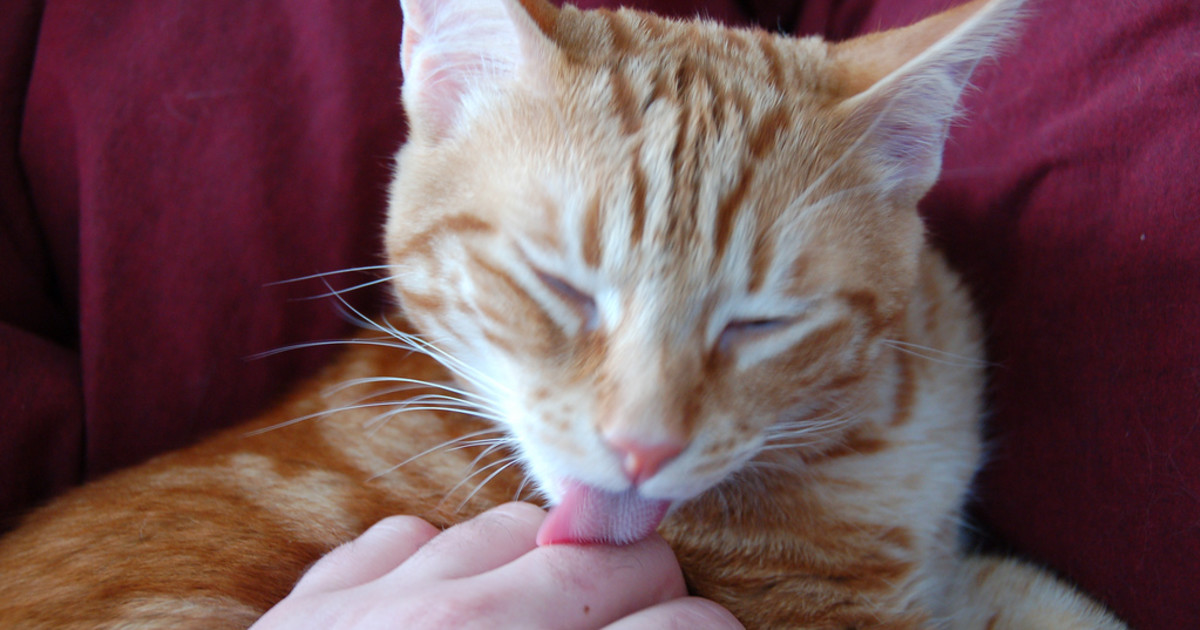
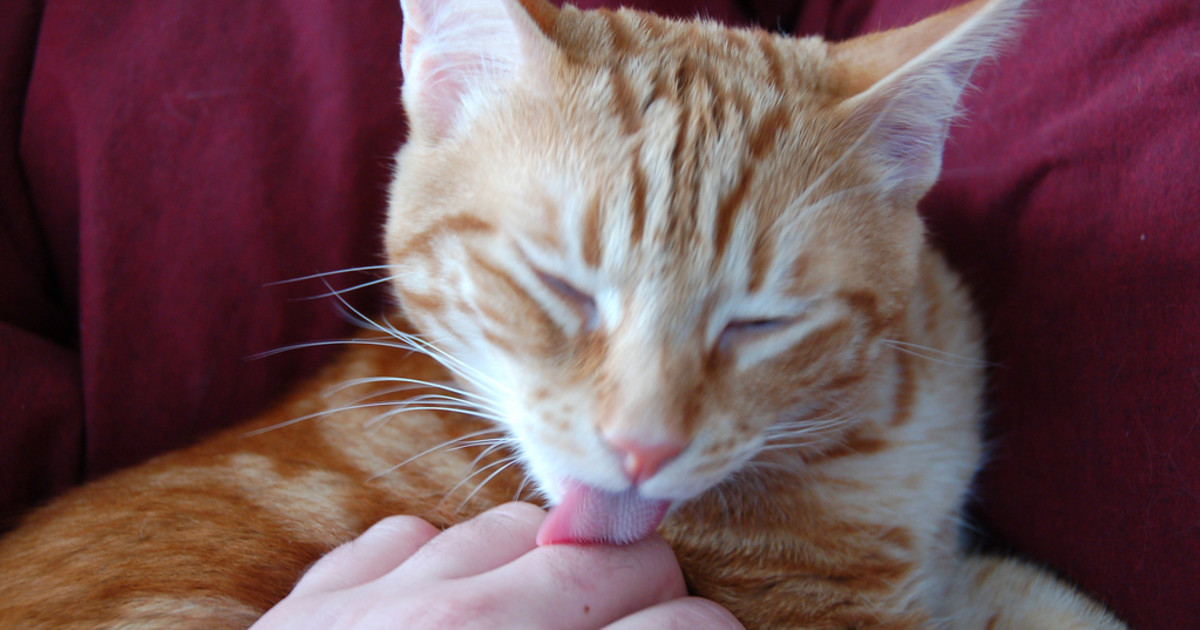
Have you ever noticed your cat start grooming herself right after you pet her? It might seem a bit strange or even confusing.
You probably wonder, “Why does my cat do that? ” Understanding this behavior can help you connect better with your furry friend. You’ll discover the surprising reasons behind your cat’s grooming habits and what it means for your relationship. Keep reading to unlock the secrets your cat is trying to share every time she cleans herself after your touch.

Credit: www.reddit.com
Cat Grooming Basics
Understanding the basics of cat grooming helps you see why your feline friend might start cleaning herself right after you pet her. Grooming is more than just keeping clean; it’s a vital part of a cat’s daily routine. Knowing how and why cats groom can deepen your bond with your pet and help you respond better to her behaviors.
How Cats Groom Themselves
Cats use their tongues to groom, which are covered with tiny, hook-like structures called papillae. These hooks act like a comb, removing dirt, loose fur, and parasites while spreading natural oils across their coat.
They also use their paws as tools—licking them and then wiping their face and head. This combination of licking and pawing keeps their fur smooth and clean.
Have you noticed your cat spending a lot of time licking after you pet her? This could be her way of resetting her scent or calming herself after the interaction.
Purpose Of Grooming
Grooming helps cats control their body temperature by removing dirt and excess fur, which keeps their coat effective in insulation.
It’s also a stress reliever. When your cat grooms after you pet her, she might be soothing herself or processing new scents.
Besides hygiene, grooming strengthens social bonds. Cats often groom each other in a behavior called allogrooming, which shows trust and friendship.
Does your cat start grooming more when she’s around you? This could mean she feels safe and comfortable in your presence.
Grooming After Petting
Cats often groom after being petted to clean their fur and feel comfortable. This behavior also helps them relax and show contentment. Grooming resets their scent, marking a peaceful moment after your touch.
Grooming After Petting Have you ever noticed your cat immediately licking her fur after you’ve just given her a loving pet? This behavior might seem puzzling at first, but it’s quite common among our feline friends. Understanding why your cat does this can strengthen your bond and enhance your petting sessions.Physical Reaction To Touch
When you pet your cat, you’re not just making her feel loved—you’re also stimulating her skin and fur. This physical interaction can trigger a grooming response as a way to soothe or process the sensation. Some cats might find the touch a bit overwhelming and use grooming as a way to calm down. Consider how you feel after a long hug or a tickling sensation. Just like you might adjust your clothes or hair afterward, cats groom to regain their sense of comfort and control.Scent Marking Behavior
Cats have scent glands all over their bodies, especially around their faces. When you pet your cat, you’re transferring your scent onto her fur. Grooming after petting could be your cat’s way of redistributing her own scent back onto her body. This scent marking behavior is vital for her to feel secure in her environment. It’s a cat’s unique way of saying, “This is me, and this is my space.” Next time you see your cat groom after petting, remember she’s not just cleaning her fur. She’s reacting to the touch and scent, reaffirming her identity in her space. What other behaviors have you noticed that seem like quirky cat habits?Emotional Signals
When your cat starts grooming right after you pet her, she might be sending you emotional signals that go beyond just cleanliness. Grooming is a complex behavior tied closely to how cats manage their feelings and communicate with those around them.
Stress Relief Through Grooming
Grooming helps cats calm down. If your pet suddenly licks herself after you touch her, she might be trying to reduce any stress or overstimulation caused by petting. Cats don’t always show stress the way dogs do, so grooming becomes a quiet way to soothe themselves.
Think about the last time you felt a bit anxious and found comfort in a simple routine or habit. Grooming serves a similar purpose for cats, letting them regain control over their emotions. Have you noticed if your cat grooms more after long petting sessions or when you pet a sensitive spot?
Showing Affection And Bonding
Sometimes grooming after petting is your cat’s way of returning affection. Cats often groom each other to build and maintain social bonds. When your cat grooms herself after you pet her, it could mean she feels safe and connected to you.
This behavior might be your cat’s subtle way of saying, “I trust you.” You can strengthen this bond by paying attention to her body language and giving her space when she needs it. Have you ever tried gently petting your cat in different areas to see how her grooming response changes?

Credit: www.reddit.com
Health And Sensory Factors
When your cat starts grooming herself right after you pet her, it might be more than just a habit. Health and sensory factors play a big role in this behavior. Understanding these reasons can help you better care for your furry friend and notice if something feels off to her.
Skin Irritation Or Sensitivity
Your touch can sometimes cause mild skin irritation or awaken sensitive spots on your cat’s body. Even if you don’t see redness or bumps, your cat might feel a slight itch or discomfort. Grooming helps her soothe these sensations and restore comfort.
Have you noticed your cat avoiding certain petting areas? It could signal sensitivity or a hidden skin issue. Try observing where she grooms most after being touched to identify any problem spots early.
Response To New Scents
When you pet your cat, you transfer your scent onto her fur. This new smell might be unfamiliar or surprising to her. Grooming is her way of mixing your scent with her own, helping her feel more secure and balanced.
Think about the last time you used a new lotion or soap before petting your cat. Did she groom more than usual afterward? This reaction shows how sensitive cats are to changes in smells around them.
Environmental Influences
Environmental factors play a big role in why your cat might start grooming right after you pet her. Cats are very sensitive to changes around them, and grooming is one way they process those changes. Understanding these influences can help you connect better with your furry friend.
Changes In Surroundings
When you pet your cat, it might trigger her awareness of small changes in her environment. She could be picking up on new smells, sounds, or even shifts in lighting. Grooming helps her feel more secure and calm amid these subtle changes.
Think about the last time you entered a new room or rearranged furniture. Your cat might have started grooming to reassure herself in the altered space. Have you noticed if her grooming spikes when guests visit or if you move to a different spot on the couch?
Impact Of Owner’s Scent
Your scent on your hands or clothes after petting can be unfamiliar or strong to your cat. Grooming helps her either mix your smell with her own or reduce the intensity of a scent she finds strange. This way, she maintains her personal scent boundaries.
Many cat owners find that their pets groom more after petting sessions, especially if they have been outside or handled other pets. Does your cat seem to groom less when you’ve been home all day? This could show how your scent influences her comfort level.
When Grooming May Indicate Issues
Sometimes, your cat grooming herself after you pet her isn’t just about cleanliness or comfort. It can be a sign that something is bothering her. Knowing when grooming crosses the line from normal to excessive can help you spot potential health or emotional issues early.
Excessive Grooming Signs
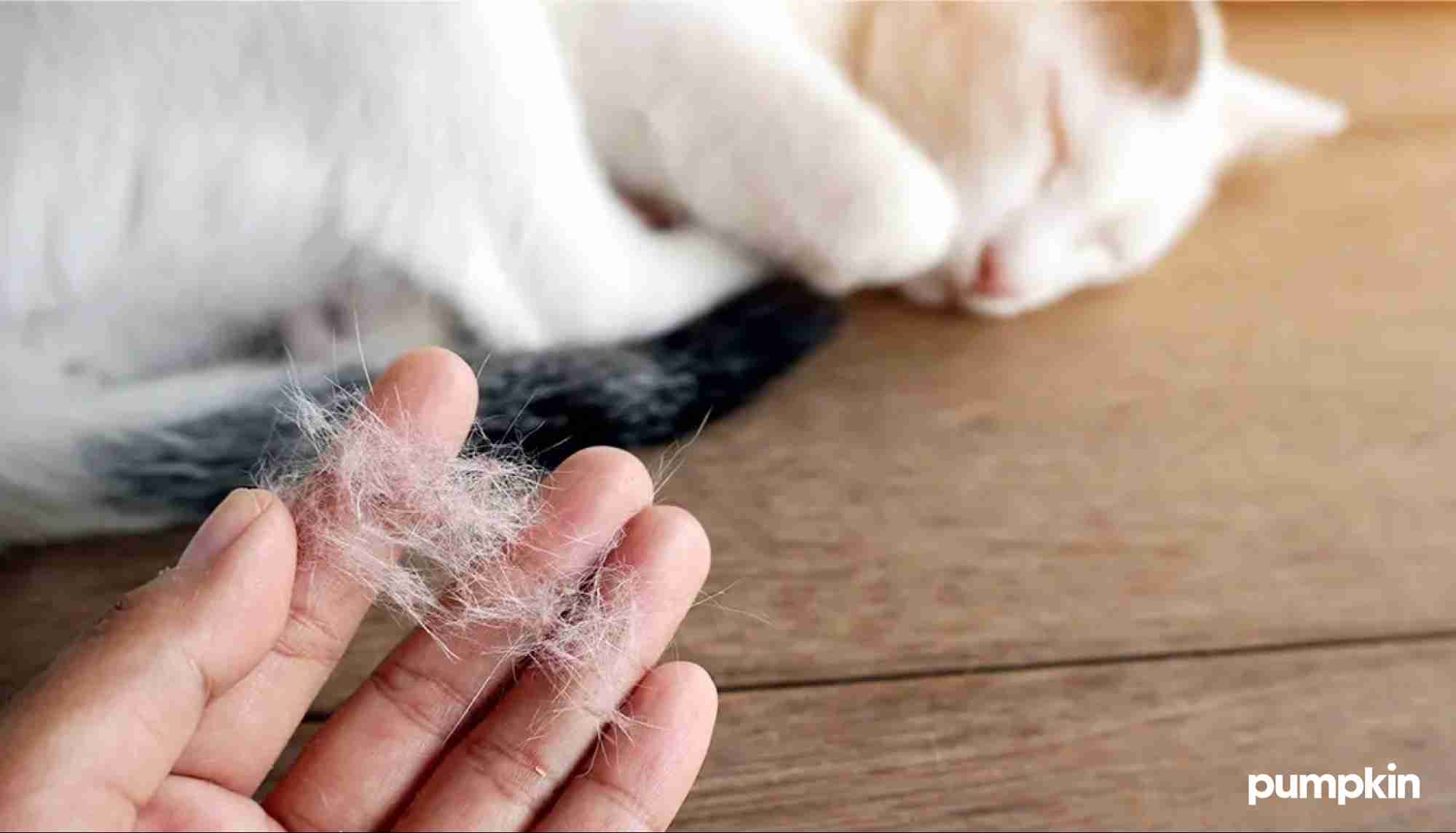
Watch for areas where your cat licks repeatedly, causing hair loss or red, irritated skin. This can be a sign of stress, allergies, or even pain.
Other signs include:
- Constant licking that interrupts her normal activities
- Chewing or biting at her fur or skin
- Visible wounds or scabs developing from over-grooming
- Sudden changes in grooming habits, either more or less than usual
Has your cat ever started grooming so much that it looked like she was trying to “wash away” discomfort? This behavior might be her way of coping with something you can’t see.
When To Consult A Vet
If you notice your cat’s grooming is causing skin problems or she seems anxious and restless, it’s time to get professional advice.
Your vet can check for allergies, parasites, or underlying medical conditions that might trigger excessive grooming.
Don’t wait if your cat’s behavior changes suddenly or she’s hurting herself. Early intervention can prevent more serious issues and help your cat feel better faster.
Remember, grooming is natural, but when it becomes obsessive, it’s a clue your cat needs help.
Credit: www.pumpkin.care
Frequently Asked Questions
Why Does My Cat Groom After I Pet Her?
Cats groom after petting to reset their scent. It helps them maintain their personal smell and feel secure.
Is Grooming After Petting A Sign Of Stress?
Sometimes, yes. Grooming can be a calming behavior if your cat feels overwhelmed or anxious.
Does Grooming Indicate My Cat Enjoys Petting?
Not always. Grooming shows comfort but can also mean your cat wants to clean off unfamiliar scents.
Can Grooming Mean My Cat Wants More Attention?
Occasionally, yes. Grooming might be a subtle way for your cat to communicate she wants more interaction.
Conclusion
Cats groom after petting to feel calm and clean. It helps them relax and bond with you. Grooming also shows comfort and trust. Your cat may want to keep her fur neat. This behavior is natural and healthy. Watching her groom can deepen your connection.
Remember, each cat is different and unique. Enjoy these small moments of love and care.


Leave a Reply