Are you passionate about cats and want to turn that passion into something more? Starting to breed pedigree cats can be a rewarding experience, but it’s not something you should jump into blindly.
You need to know the right steps to ensure your cats are healthy, happy, and meet breed standards. In this guide, you’ll discover exactly what it takes to begin breeding pedigree cats successfully. By the end, you’ll feel confident and ready to create beautiful, healthy litters that make a real difference in the world of cat lovers.
Keep reading—your journey starts here.
Choosing The Right Breed
Choosing the right breed is the first important step in breeding pedigree cats. Each breed has unique traits and care needs. Picking the right one can save time and effort later.
Think about your space, time, and experience level. Some breeds need more grooming or attention. Others are easier to care for and breed.
Popular Pedigree Cat Breeds
- Siamese:Active, vocal, and social cats.
- Persian:Calm, fluffy, and require regular grooming.
- Maine Coon:Large, friendly, and hardy.
- Bengal:Energetic, spotted coat, and playful.
- Ragdoll:Gentle, relaxed, and affectionate.
Traits To Consider
- Temperament: Calm or active? Social or independent?
- Health: Check for breed-related diseases or issues.
- Grooming: Short or long fur? How much care is needed?
- Size: Small or large cats? Space needed varies.
- Breeding difficulty: Some breeds need more care and knowledge.
Finding Reputable Breeders
Start by researching breeders with good reputations. Look for those who follow ethical breeding practices. They provide healthy cats and clear pedigree documents.
Visit breeders if possible. Ask about the cat’s health and behavior. Good breeders answer questions openly and offer support.
Avoid breeders who seem secretive or sell many breeds at once. Trustworthy breeders focus on quality, not quantity.
Preparing Your Home
Preparing your home is the foundation for a successful pedigree cat breeding experience. Creating a space that prioritizes safety, comfort, and organization helps both you and your cats thrive. This preparation shows respect for the cats’ well-being and sets a professional tone for your breeding journey.
Creating A Safe Environment
Your home must be free of hazards that could harm your cats. Remove toxic plants, secure loose wires, and block off areas where cats could get stuck or injured. Pay special attention to small objects that kittens might swallow.
Think about the temperature and ventilation too. Cats need a warm, draft-free spot especially during pregnancy and kitten care. Have you checked if your windows and doors are secure enough to prevent escapes?
Essential Supplies
Stock up on key items before your cats arrive. This includes high-quality cat food, litter boxes, and cleaning products safe for pets. You’ll also need grooming tools like brushes and nail clippers to maintain their health.
Don’t forget medical essentials: a first-aid kit, flea prevention, and contact info for a trusted vet. Having these supplies ready saves time and stress when you need them most.
Setting Up A Breeding Space
Designate a quiet, private area for mating, pregnancy, and raising kittens. This space should have soft bedding, easy access to food and water, and be easy to clean. Avoid high-traffic areas to reduce stress for the cats.
Consider using a separate room or a large cat enclosure. This helps keep the breeding cats isolated from other pets and distractions. How will you ensure this space stays calm and comfortable during the entire breeding cycle?
Selecting Breeding Cats
Choosing healthy, well-tempered cats with strong pedigrees is key to successful breeding. Focus on traits like good health, clear lineage, and temperament. Proper selection helps maintain breed standards and produces quality kittens.
Selecting the right breeding cats is a crucial step in starting your pedigree cat breeding journey. The choices you make here lay the foundation for the health, temperament, and quality of your future litters. It’s not just about picking a pretty face; it’s about understanding the deeper genetic aspects and ensuring long-term success.Health Screening
Before you choose your breeding cats, ensure they undergo comprehensive health screenings. This involves regular vet checks and specific tests for common hereditary diseases. You wouldn’t want to pass on genetic disorders to the next generation, right? Consider asking your vet about the most critical tests for your chosen breed. Some breeds are prone to specific health issues, so being proactive can save future heartache.Temperament And Genetics
Temperament is as important as appearance. A gentle and sociable cat can be an excellent foundation for your breeding program. Observe their behavior closely—does the cat interact well with others, or is it more of a loner? Genetics play a vital role here. Research the family history of your potential breeding cats. Look for any patterns or traits that stand out. Are there any behavioral issues that seem to run in the family?Pedigree Documentation
Ensure all your breeding cats have proper pedigree documentation. This paperwork is not just a formality; it provides detailed insight into the cat’s lineage. It helps you track genetic traits and avoid potential inbreeding. Check for consistency and accuracy in these documents. Sometimes breeders may overlook small details, which can lead to misunderstandings later. Have you ever considered how much a simple paper trail could impact the credibility of your breeding program? By focusing on these aspects, you set a strong foundation for successful cat breeding. Make informed decisions, and your efforts will be rewarded with healthier, more desirable litters.
Credit: thelittlecarnivore.com
Breeding Process
The breeding process in pedigree cats requires careful attention and timing. Understanding the natural cycles and behaviors is essential for success. Proper techniques help ensure safe and effective mating. Monitoring pregnancy closely supports the health of the mother and kittens.
Timing And Heat Cycles
Female cats go into heat several times a year. Each cycle lasts about 7 to 10 days. Signs include increased vocalization, restlessness, and affectionate behavior. Breeding should occur during the peak of the heat cycle for best results. Tracking these cycles helps plan the mating date accurately.
Mating Techniques
Introduce the male and female in a calm environment. Supervise their interaction closely. Allow natural mating without force or stress. The male usually mounts from behind and bites the female’s neck gently. Some cats may need multiple sessions for successful mating. Always keep the cats comfortable and safe.
Monitoring Pregnancy
Pregnancy lasts about 63 to 67 days in cats. Watch for changes in appetite, behavior, and body shape. Provide proper nutrition and a quiet space. Regular vet checkups confirm health and development. Prepare a clean, warm nesting area before the birth. Early attention ensures healthy kittens and mother.
Caring For The Queen And Kittens
Caring for the queen and her kittens is the heart of successful pedigree cat breeding. The queen’s well-being directly affects the health and growth of her kittens. Providing the right care ensures a smooth pregnancy, safe delivery, and strong, healthy babies. Focus on nutrition, birthing preparation, and postnatal care to give them the best start.
Nutrition And Health Care
The queen needs a balanced diet rich in protein and vitamins. Feeding high-quality kitten food supports her energy and milk production. Fresh water must always be available. Regular vet check-ups keep her healthy and monitor pregnancy progress. Vaccinations and parasite control are essential before breeding. Watch for signs of illness or stress and address them quickly.
Birthing Preparation
Create a quiet, warm, and clean nesting area for the queen. Use soft bedding and place the box in a low-traffic spot. Keep supplies nearby, such as clean towels, gloves, and a heating pad. Learn basic signs of labor, like restlessness and nesting behavior. Know when to contact a vet if complications arise. Keep the environment calm to reduce the queen’s anxiety.
Postnatal Care
Check kittens regularly to ensure they nurse and gain weight. Keep the nesting box clean and dry. The queen needs extra calories and water for milk production. Monitor her for signs of infection or distress after birth. Handle kittens gently and avoid disturbing them too much. Keep the area warm, as newborns cannot regulate their temperature well.

Credit: catbreedersensei.com
Record Keeping And Legalities
Keeping detailed records and understanding legal rules are key parts of breeding pedigree cats. Good record keeping helps track family lines and health. Legal knowledge protects breeders from trouble and ensures animal welfare.
Tracking Pedigree Lines
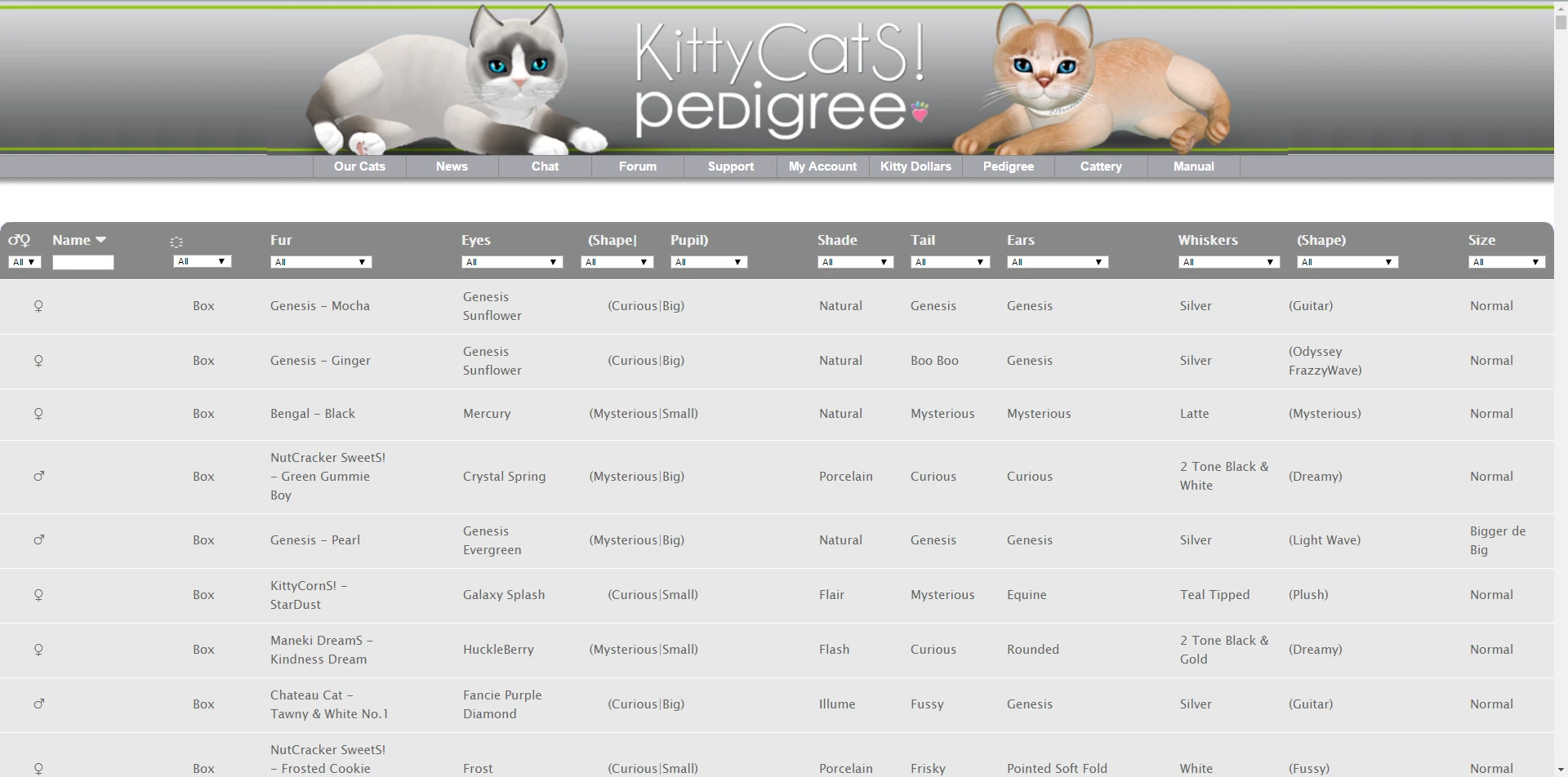
Track each cat’s ancestry carefully. Record names, birth dates, and traits of parents and grandparents. Keep notes on health issues and behavior. Use a clear system, like spreadsheets or breeding software. This helps avoid inbreeding and keeps breed quality high.
Registration With Cat Associations
Register your cats with recognized cat clubs. These groups keep official pedigree records. Registration proves your cats are purebred. It also allows participation in shows and breeding programs. Follow each association’s rules for documentation and fees.
Understanding Breeding Laws
Learn local and national laws about animal breeding. Laws cover animal care, sale, and transport. Some places require licenses or inspections. Know rules about breeding limits and record keeping. Stay updated to avoid fines or legal issues.
Marketing Your Kittens
Marketing your kittens plays a key role in successful pedigree cat breeding. It helps find the right owners who value your cats. Careful marketing builds trust and ensures your kittens get loving homes. Clear information and honest communication attract responsible buyers. Showcasing your kittens’ qualities boosts their appeal and your reputation.
Building A Reputation
Good reputation grows from quality care and transparent dealings. Share photos and stories about your cats’ health and temperament. Participate in cat shows and local pet events. Ask happy buyers to give reviews or testimonials. A strong reputation makes people trust your breeding program more.
Finding Suitable Homes
Screen potential owners carefully. Ask about their experience with cats and their living conditions. Make sure they understand the needs of pedigree cats. Provide detailed information on care, feeding, and grooming. Offer support after adoption to maintain good relationships. Responsible homes keep your kittens safe and happy.
Pricing And Contracts
Set fair prices based on breed, lineage, and care costs. Avoid setting prices too low or too high. Use contracts to protect both parties. Include terms about health guarantees, spaying or neutering, and return policies. Clear contracts prevent misunderstandings and show professionalism in your breeding business.
Credit: cats.fandom.com
Frequently Asked Questions
What Are The First Steps To Start Breeding Pedigree Cats?
Start by researching cat breeds and genetics. Obtain healthy, registered pedigree cats. Prepare a safe, clean breeding environment. Consult a vet for health checks and vaccinations. Learn about breeding ethics and legal requirements before beginning.
How Do I Choose The Right Pedigree Cats For Breeding?
Select cats with strong lineage and desirable traits. Prioritize health, temperament, and breed standards. Avoid inbreeding by checking genetic diversity. Choose cats free from hereditary diseases. Proper selection ensures healthy, quality offspring.
What Are The Essential Health Checks For Breeding Cats?
Conduct comprehensive vet exams before breeding. Test for genetic diseases specific to the breed. Ensure vaccinations and parasite control are up-to-date. Monitor reproductive health and fertility status. Regular health checks prevent complications in breeding.
How Long Is The Gestation Period In Cats?
The gestation period in cats is about 63 to 65 days. This varies slightly by breed and individual cat. Provide proper nutrition and care during pregnancy. Monitor the queen’s health closely throughout gestation for best outcomes.
Conclusion
Starting to breed pedigree cats takes care and planning. Know your cat breeds well. Keep their health as your top priority. Learn about genetics and proper care routines. Find good homes for your kittens. Stay patient and enjoy the process.
Breeding cats can be rewarding with the right effort. Your love for cats will guide you through. Take small steps and keep learning always. Success comes with dedication and respect for the animals.



Leave a Reply