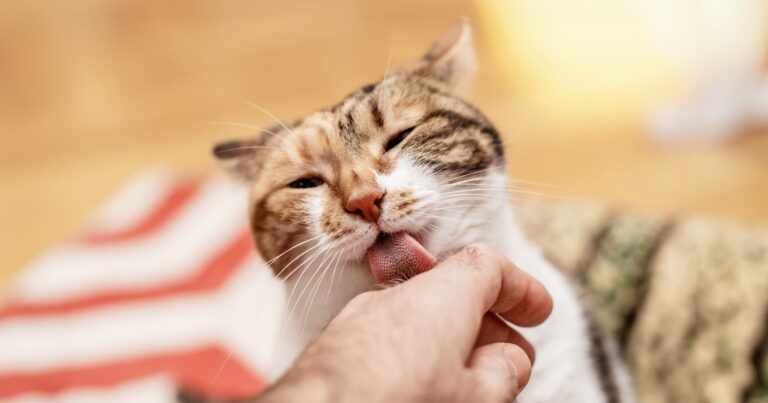
Have you ever noticed your cat cleaning itself right after a meal and wondered why? It might seem like a simple habit, but there’s more behind this behavior than meets the eye.
Understanding why your cat grooms after eating can give you a deeper insight into their health, comfort, and natural instincts. Keep reading to discover the surprising reasons your furry friend keeps themselves so spotless after every bite.
Credit: www.diamondpet.com
Cat Grooming Behavior
Understanding your cat’s grooming behavior can reveal a lot about their health and emotional state. Grooming is more than just keeping clean; it’s a complex activity that serves multiple purposes. When your cat licks itself after eating, it’s part of a natural routine that blends hygiene, comfort, and instinct.
Common Grooming Patterns
Cats typically groom themselves several times a day, especially after meals. You might notice your cat licking its paws and then rubbing its face or neck. This pattern helps remove food particles and keeps their fur tidy.
Grooming often follows a specific order—starting from the face, then moving to the ears, neck, and body. Have you ever observed how focused and deliberate your cat is during this process? It’s almost like they’re checking themselves over for any dirt or discomfort.
Sometimes, grooming can be a calming behavior too. If your cat seems stressed or anxious after eating, licking themselves can help soothe those feelings.
Grooming And Cat Hygiene
Grooming is crucial for a cat’s hygiene. By cleaning their fur, cats remove loose hair, dirt, and even parasites. This keeps their coat healthy and shiny.
After eating, grooming also helps eliminate food smells that might attract predators in the wild. Although your cat is safe at home, this instinct remains strong. It’s interesting how your cat’s natural behaviors still reflect survival tactics from their ancestors.
Regular grooming also stimulates blood flow and helps distribute natural oils across their fur. This keeps the skin moisturized and prevents dryness or irritation. If you notice your cat grooming excessively or in unusual spots, it could signal a skin problem or stress, which might require a vet’s attention.

Credit: www.fullbuckethealth.com
Post-meal Grooming Reasons
Have you noticed your cat diligently licking its fur right after finishing a meal? This common behavior often puzzles many cat owners. Understanding the reasons behind post-meal grooming can help you better appreciate your feline friend’s habits and overall well-being.
Cleaning Food Residue
One main reason cats groom after eating is to clean off any leftover food stuck to their fur. Cats are naturally tidy animals and dislike feeling messy. If your kitty’s whiskers or paws have crumbs or sauce on them, grooming removes these particles quickly.
Think about the last time you ate something sticky—you probably wiped your hands or face right away. Cats do the same with their fur to stay clean and comfortable. Have you ever noticed your cat’s face looking messy after a saucy meal? That’s when grooming kicks in.
Comfort And Relaxation
Grooming after a meal can also be a way for your cat to relax and feel secure. The act of licking releases endorphins, which help reduce stress and promote a sense of calm. This soothing routine helps your cat transition from mealtime to rest.
Imagine how you feel after finishing a satisfying meal—often content and ready to unwind. Your cat experiences a similar comfort through grooming. Next time you see your cat quietly licking its fur post-meal, consider it their way of chilling out.
Temperature Regulation
Another interesting reason for post-meal grooming involves temperature control. Eating raises your cat’s body temperature slightly, and licking helps cool them down. When saliva evaporates from the fur, it creates a cooling effect that keeps your cat comfortable.
This natural cooling system is especially helpful after a warm meal or during hot weather. Have you noticed your cat grooming more on warm days? This behavior might be their way to maintain the perfect body temperature.
Stress And Anxiety Factors
Stress and anxiety play a big role in why cats groom after eating. Cats often feel uneasy in new or noisy places. Grooming helps them manage these feelings. It acts as a way to calm down and feel safe. Understanding these factors helps pet owners create a better environment for their cats.
Grooming As A Calming Mechanism
Grooming releases endorphins, which reduce stress in cats. After eating, cats may groom to soothe themselves. It helps them focus on something simple and familiar. This behavior lowers their heart rate and calms their nerves. Grooming offers comfort when cats feel overwhelmed or anxious.
Environmental Triggers
Certain surroundings can trigger stress after meals. Loud noises, unfamiliar people, or other pets may cause anxiety. Changes in routine or new smells can also upset cats. They groom to block out these stressors and regain control. A quiet, stable environment helps reduce grooming caused by anxiety.
Health Indicators In Grooming
Grooming is more than just a routine for cats. It serves as a key health indicator. Cats often groom after eating to clean their fur and calm themselves. Observing grooming habits can reveal a lot about a cat’s well-being. Changes in grooming patterns can signal health issues early.
Excessive Grooming Signs
Too much grooming can cause problems. Watch for bald patches or red skin. Constant licking or biting may lead to wounds or infections. Cats might groom excessively due to stress, allergies, or pain. Notice if your cat grooms more than usual or targets one spot.
When To Consult A Vet
Seek veterinary advice if grooming changes suddenly. Persistent bald spots or open sores need professional care. If your cat seems restless or unhappy, grooming may be a symptom. A vet can check for skin problems, parasites, or other illnesses. Early diagnosis helps prevent serious health issues.
Enhancing Your Cat’s Grooming Experience
Cats groom after eating to clean their fur and remove food smells. This behavior also helps them relax and feel comfortable. Grooming keeps their coat healthy and free from dirt.
Enhancing your cat’s grooming experience can be a fascinating journey into understanding their post-meal habits. Cats are meticulous creatures, and grooming after eating is a natural behavior. By creating the right environment and diet, you can ensure your cat enjoys this routine even more.Diet And Grooming
The quality of your cat’s diet can significantly impact their grooming habits. A diet rich in essential nutrients not only keeps their fur shiny but also promotes a healthy skin. Consider feeding your cat food with Omega-3 and Omega-6 fatty acids to improve their coat quality. Additionally, a well-balanced diet can reduce excessive shedding, which means less hair for your cat to manage during grooming. You might notice your cat grooming more efficiently with fewer hairballs if their diet is optimal. Have you ever considered if your cat’s diet is truly meeting their grooming needs?Creating A Calm Feeding Environment
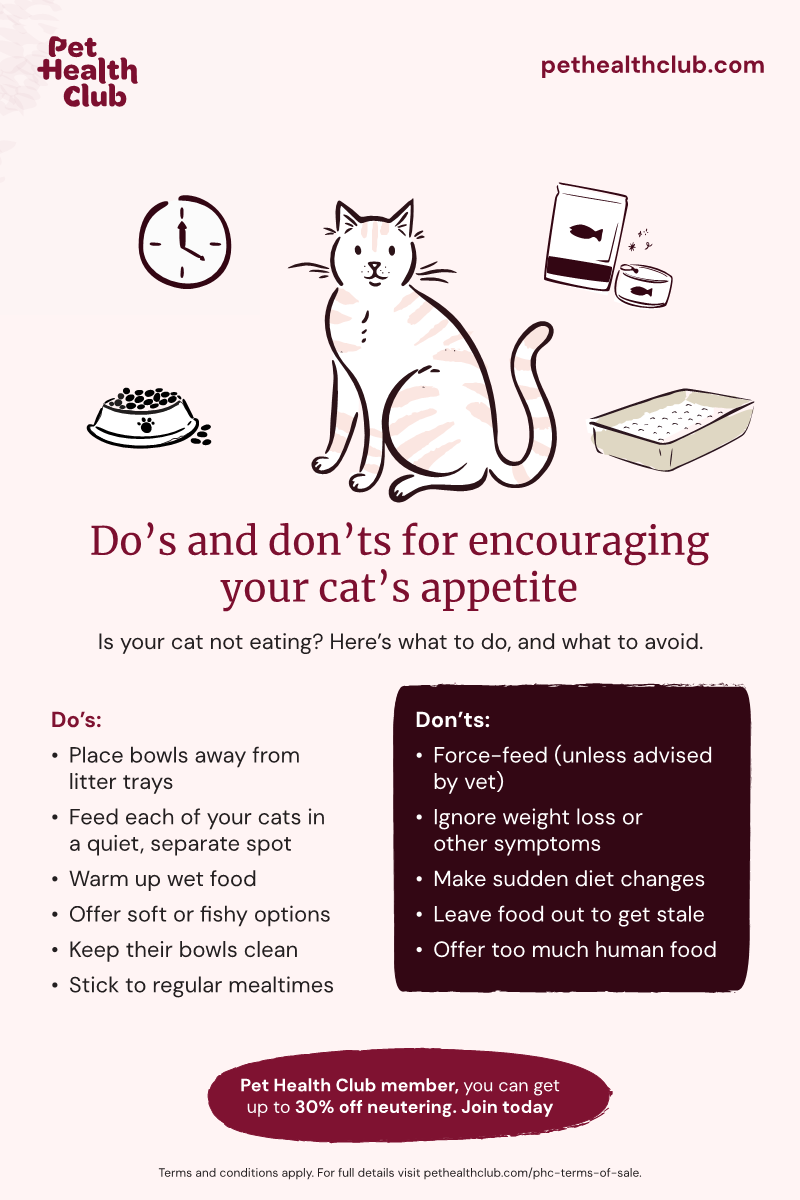
The environment where your cat eats can greatly influence their grooming routine. Cats prefer a quiet, stress-free area to enjoy their meals, which can help them settle into a relaxed grooming session afterward. Ensure the feeding area is away from noisy appliances and high traffic zones in your home. A calm setting not only encourages your cat to eat without hurry but also allows them to groom peacefully afterward. You might observe that a serene environment leads to a more thorough and content grooming session. Have you tried adjusting your cat’s feeding spot to enhance their post-meal grooming experience?
Credit: www.preventivevet.com
Frequently Asked Questions
Why Does My Cat Groom After Eating Food?
Cats groom after eating to clean their fur from food particles. This behavior helps maintain hygiene and prevent odor. It also soothes the cat and aids digestion by promoting relaxation after a meal.
Is Post-meal Grooming Normal For All Cats?
Yes, most cats groom after eating. It’s a natural instinct to keep clean and comfortable. Grooming also signals contentment and helps reduce stress after mealtime.
Does Grooming After Eating Indicate Health Issues?
Usually, no. Grooming after meals is normal and healthy. However, excessive grooming could signal stress or allergies. Monitor your cat if grooming seems obsessive or causes bald spots.
How Does Grooming Help A Cat’s Digestion?
Grooming calms cats, reducing stress that can affect digestion. It stimulates saliva production, aiding the digestive process. Relaxation after eating supports better nutrient absorption.
Conclusion
Cats clean themselves after eating to stay fresh and healthy. Grooming helps remove food smells and dirt from their fur. It also calms them down and aids digestion. Watching this natural habit shows how much cats care about their well-being.
Understanding why cats groom can help you appreciate their behavior more. Next time your cat cleans up, you’ll know it’s normal and good for them. Keep providing a safe, clean space for your furry friend to enjoy these moments.




Leave a Reply