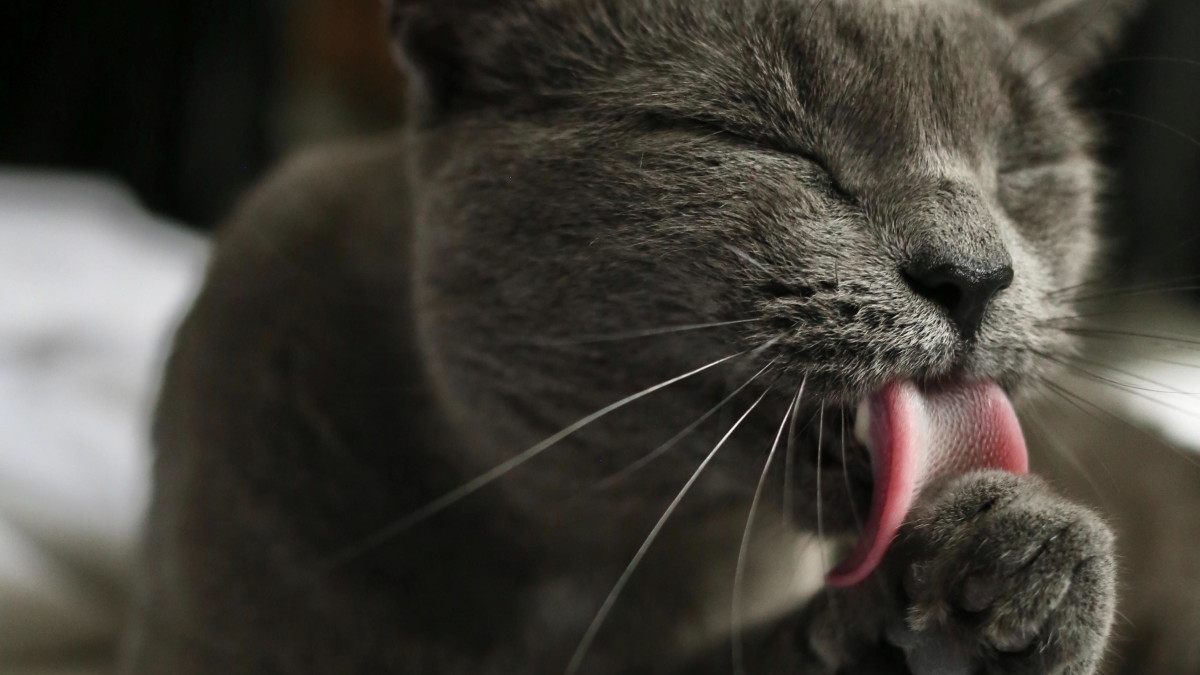
Have you noticed your cat spending hours licking and cleaning itself, more than usual? Excessive grooming can be worrying, especially when it starts to affect your furry friend’s comfort and health.
You might wonder why your cat can’t seem to stop or what this behavior really means. Understanding the reasons behind your cat’s nonstop grooming can help you take the right steps to keep them happy and healthy. Keep reading to discover the surprising causes and what you can do to help your beloved pet.

Credit: pennypaws.com
Reasons For Excessive Grooming
Excessive grooming in cats may signal underlying problems. Understanding the reasons helps address your cat’s needs. This section explores common causes of over-grooming behavior.
Stress And Anxiety
Stress triggers cats to groom more than usual. Changes in environment, loud noises, or new pets can cause anxiety. Grooming acts as a coping mechanism to calm nerves. Constant grooming may indicate your cat feels unsafe or uneasy.
Allergies And Skin Issues
Allergic reactions cause itching and irritation. Cats often lick or bite itchy areas to relieve discomfort. Food allergies, pollen, or chemicals may lead to skin problems. Look for redness, bumps, or hair loss alongside excessive grooming.
Parasites And Infections
Parasites like fleas and mites irritate the skin. Cats groom to remove these pests or soothe bites. Skin infections can also cause itching and discomfort. Check your cat’s fur and skin carefully for signs of parasites or infection.
Pain And Discomfort
Injuries or medical conditions can cause localized pain. Grooming may focus on a specific area to ease discomfort. Arthritis, wounds, or nerve problems might lead to this behavior. Watch for changes in mobility or sensitivity in your cat.
Boredom And Behavioral Factors
Lack of stimulation can cause cats to groom excessively. Bored cats use grooming to fill time and reduce stress. This habit can turn into a compulsive behavior if ignored. Provide toys, playtime, and interaction to prevent boredom.
Signs To Watch For
Excessive grooming in cats can signal underlying issues. Observing your cat’s behavior closely helps identify problems early. Watch for specific signs that show your cat may be stressed or unwell. Knowing these signs supports timely care and comfort for your pet.
Bald Patches And Skin Irritation
Look for areas where fur is missing or thinning. Bald patches often appear on the belly, legs, or neck. Skin may look red, dry, or scaly in these spots. These signs suggest your cat is grooming too much. It may cause pain or discomfort. Immediate attention is important to prevent infection.
Changes In Grooming Patterns
Notice if your cat grooms much more than usual. Grooming sessions may last longer or happen more often. Your cat may lick or chew the same spot repeatedly. This behavior differs from normal cleaning. It often signals stress, allergies, or skin problems. Tracking these changes helps catch issues early.
Aggressive Or Restless Behavior
Excess grooming can come with mood changes. Your cat may become more restless or agitated. Aggression toward people or other pets may increase. Signs of anxiety, like pacing or hiding, might appear. These behaviors show your cat is uncomfortable. Understanding this helps you provide a calm environment.
Home Remedies To Help
Excessive grooming in cats can signal stress, boredom, or health issues. Simple home remedies help soothe your cat and reduce over-grooming. Focus on creating a calm, engaging, and healthy environment for your feline friend.
Environmental Enrichment
Provide toys, scratching posts, and climbing spaces. Change toys regularly to keep your cat interested. Play with your cat daily to reduce boredom. Create quiet resting spots where your cat feels safe. Rotate toys and hide treats to stimulate your cat’s mind.
Calming Products
Use pheromone diffusers that mimic cat calming scents. Try calming collars or sprays designed for cats. Soft, gentle music can create a relaxing atmosphere. Use natural remedies like chamomile or valerian, but check with your vet first. Avoid loud noises and sudden changes in the home.
Proper Nutrition And Hydration
Feed a balanced diet rich in essential nutrients. Provide fresh water in multiple locations. Wet food helps increase hydration and is easier to digest. Avoid food with artificial additives or allergens. Consult your vet to find the best diet for your cat’s needs.

Credit: www.reddit.com
When To See A Vet
Knowing when to see a vet for your cat’s excessive grooming can make a huge difference in their health and happiness. Not all grooming is bad, but when it starts to affect your cat’s skin, fur, or behavior, professional help may be needed. Paying attention to signs and acting quickly can prevent discomfort and underlying issues from getting worse.
Persistent Or Worsening Symptoms
If your cat keeps grooming to the point of bald spots, redness, or sores, it’s time to get a vet involved. Constant licking or scratching that doesn’t improve after a few days can indicate allergies, parasites, or infections. Also, watch if your cat seems more anxious or restless than usual—these can be clues that something deeper is going on.
Possible Medical Treatments
Once at the vet, your cat may receive treatments tailored to the root cause. This could include medications for allergies, antibiotics for infections, or treatments to eliminate fleas and mites. Don’t be surprised if your vet suggests special shampoos or topical creams to soothe irritated skin alongside oral medicines.
Behavioral Therapy Options
Sometimes, excessive grooming is linked to stress or boredom rather than a physical problem. Your vet might recommend changes in your cat’s environment or introduce toys and activities to keep them mentally engaged. In some cases, calming supplements or pheromone diffusers can help reduce anxiety-driven grooming.
Preventing Excessive Grooming
Excessive grooming in cats often signals stress, allergies, or skin problems. Reducing anxiety and visiting a vet can help prevent this behavior. Creating a calm environment supports your cat’s well-being and limits over-grooming.
Preventing excessive grooming in cats can be a manageable task with the right strategies. By understanding the common causes and taking proactive steps, you can help your feline friend maintain a healthy grooming routine. Excessive grooming isn’t just a quirky habit; it can signal underlying health or emotional issues that need addressing.Regular Vet Checkups
Regular visits to the vet are essential. They can help identify health issues early, such as skin infections or allergies, which may be causing your cat to groom excessively. Your vet can provide tailored advice and treatment options to address these issues. Scheduling routine checkups ensures that any potential problems are caught before they escalate.Stress Reduction Techniques
Cats are sensitive creatures, and stress can often lead to excessive grooming. Consider implementing stress reduction techniques like providing a quiet, safe space for your cat to retreat to. Introduce interactive toys or new play routines to keep your cat mentally stimulated. Have you noticed a change in your cat’s environment that could be causing stress?Parasite Control
Parasites like fleas are a common cause of excessive grooming. Regularly check your cat for signs of parasites and use vet-approved treatments to keep them at bay. Maintaining a clean environment and using preventive measures, such as flea collars or topical treatments, can help protect your cat. Are you aware of the seasonal changes that might affect parasite prevalence in your area? By staying attentive and proactive, you can help your cat lead a happier, healthier life.
Credit: tryfurgo.com
Frequently Asked Questions
Why Does My Cat Groom Excessively?
Cats groom excessively due to stress, allergies, or skin irritation. It may also indicate boredom or underlying health problems. Observing your cat’s behavior and environment can help identify the cause. Consult a vet if grooming leads to hair loss or skin damage.
Can Excessive Grooming Harm My Cat’s Skin?
Yes, excessive grooming can cause skin irritation, redness, and hair loss. Over-grooming damages the skin’s protective barrier, increasing infection risks. It is important to address the underlying cause to prevent further harm and keep your cat comfortable and healthy.
How Can I Reduce My Cat’s Excessive Grooming?
Reduce grooming by minimizing stress, providing enrichment, and ensuring a healthy diet. Use calming products or pheromone diffusers if needed. If allergies or parasites cause grooming, treat them promptly. Consult a vet for proper diagnosis and treatment options.
When Should I See A Vet For Grooming Issues?
Visit a vet if your cat grooms excessively for more than a week. Also seek help if you notice hair loss, sores, or behavioral changes. Early vet intervention prevents serious health issues and improves your cat’s quality of life.
Conclusion
Excessive grooming in cats can signal stress or health issues. Watch your cat’s behavior closely to spot changes early. Offer comfort and a calm environment to help reduce stress. Regular vet visits can catch problems before they worsen. Understanding why your cat grooms too much keeps them happy and healthy.
Small steps make a big difference in your cat’s well-being. Stay patient and attentive; your cat needs your care and love.




Leave a Reply