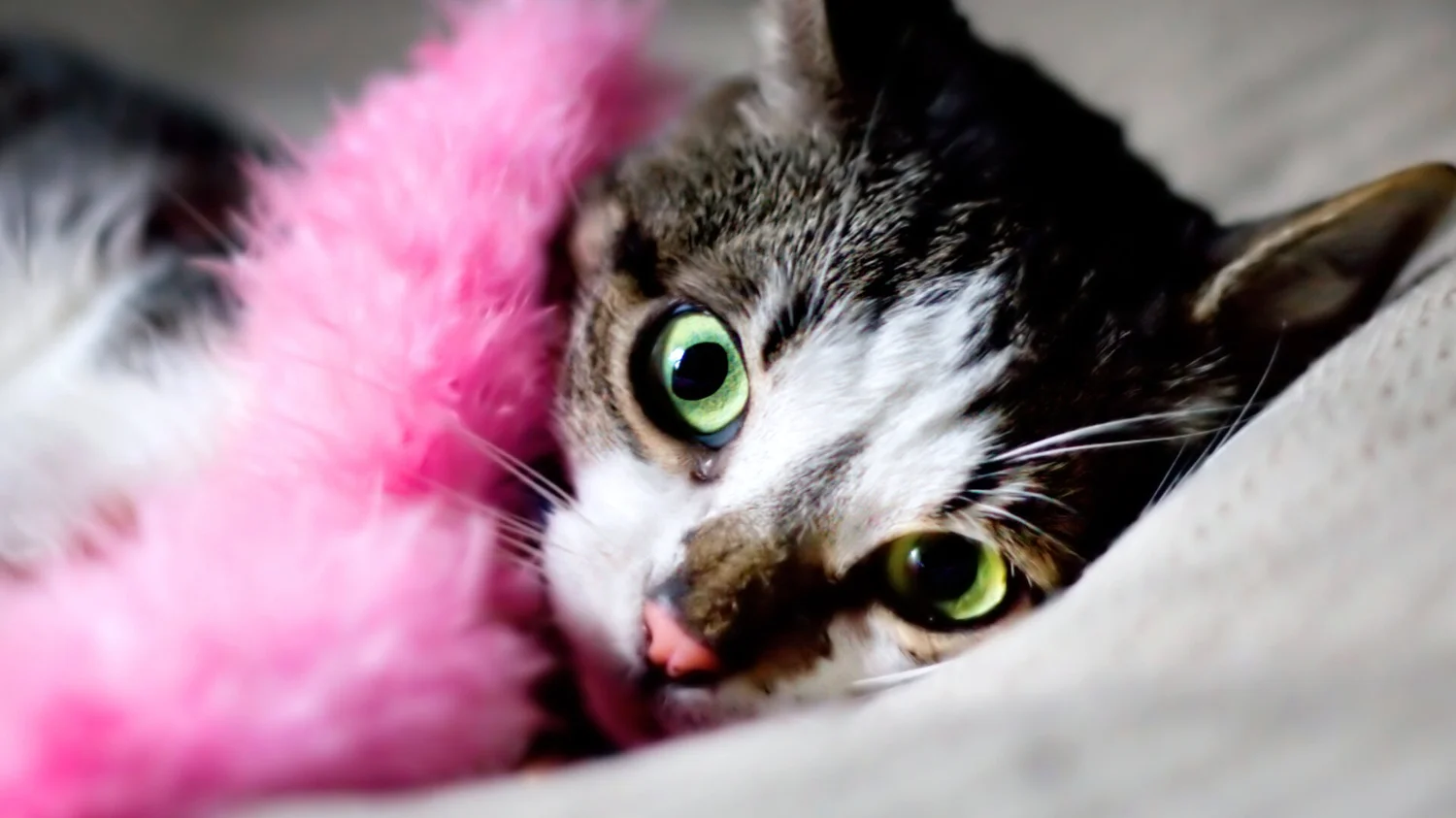
Have you ever noticed your cat crying when she holds her favorite toy? It can be confusing and even a little worrying.
You might wonder if she’s hurt, sad, or trying to tell you something important. Understanding why your cat behaves this way can help you connect with her on a deeper level. Keep reading, because uncovering the reasons behind this unusual behavior will not only ease your mind but also strengthen the bond between you and your furry friend.
Cat Vocalizations And Behavior
Cats use different sounds to communicate their feelings and needs. These vocalizations vary in pitch, length, and intensity. Understanding these sounds helps decode what your cat feels, especially when she clutches her toy and cries.
Each cry can tell a unique story. It might mean happiness, frustration, or even a call for attention. Observing your cat’s body language along with her vocal sounds gives more clues.
Types Of Cat Cries
- Meowing:A common sound to get attention or express needs.
- Purring:Usually a sign of contentment but can also mean pain.
- Yowling:A loud, drawn-out cry indicating distress or territorial behavior.
- Chirping:A short, bird-like sound often made during play or hunting instinct.
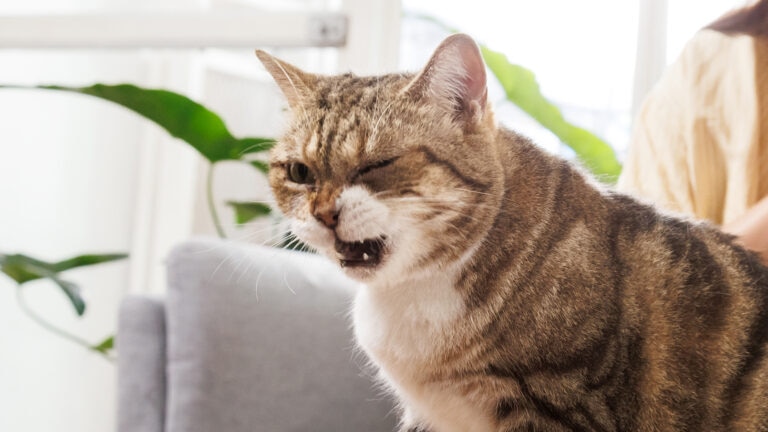
- Hissing:A warning sound when feeling threatened or scared.
Emotions Behind Cat Sounds
When your cat cries while holding a toy, she might feel protective or excited. The toy could represent prey, triggering her hunting instincts.
Sometimes, the crying shows frustration if she cannot “catch” or “kill” the toy. It can also be a way to seek your attention or share her joy.
Understanding these emotions helps you respond better to your cat’s needs. It strengthens your bond and improves communication.
Credit: www.youtube.com
Attachment To Toys
Cats often form strong attachments to their toys. These toys become more than just playthings. They can provide emotional support and comfort. Crying while holding a toy shows how much your cat values it. Understanding this attachment helps you care better for your feline friend.
Why Cats Bond With Objects
Cats bond with objects for many reasons. Toys mimic prey, triggering hunting instincts. This makes the toy special and interesting. The toy also represents a source of fun and exercise. Over time, the toy becomes a familiar companion. Cats may see their toy as a safe and trusted object.
Comfort And Security Factors
Toys offer comfort and a sense of safety. Cats may hold toys to feel calm during stress. The texture and smell of a toy can soothe them. Holding a toy helps reduce anxiety and loneliness. Toys can act like a security blanket for cats. This attachment shows deep emotional needs.
Hunting Instincts Triggered
Cats are natural hunters. Their instincts run deep, even during play. When your cat holds her toy and cries, it often links to these hunting instincts. The toy becomes prey, and your cat reacts as she would in the wild. This reaction shows her drive to catch and control her target.
Play As Practice For Hunting
Play mimics real hunting. Your cat uses toys to sharpen skills like stalking and pouncing. Holding a toy triggers excitement and focus. This practice keeps her sharp and ready for actual hunts. The crying can be a way to express this intense focus and thrill.
Frustration From Unsuccessful Hunts
Sometimes, the hunt feels incomplete. Your cat may cry out of frustration if she cannot fully “kill” or enjoy the toy. This vocalization reflects her desire to finish the hunt successfully. It shows how deeply her instincts influence her behavior during play.
Seeking Attention And Interaction
Cats often cry while holding their toys to get your attention and invite interaction. This behavior shows they want to play or share their excitement with you. It’s their way of communicating and bonding through play.
Cats are fascinating creatures with a unique way of communicating their needs and desires. When your cat cries while holding her toy, she might be seeking attention and interaction. Just like humans, cats crave social connection, and toys can become a medium through which they express this need. This behavior invites you to engage with them, turning a solitary play moment into an interactive session.Using Toys To Communicate
Cats use toys as more than just playthings; they are tools for communication. When your cat cries while holding her toy, she might be trying to tell you something. It could be a request for you to join her playtime or simply an expression of joy. Listen to her cues and observe her body language. Does she bring the toy closer to you or meow in a particular tone? These subtle signals can indicate her desire for interaction.Encouraging Playtime With Owners
Encouraging playtime with your cat not only strengthens your bond but also provides her with the mental and physical stimulation she needs. Set aside a few minutes each day to engage in interactive play. Use toys that mimic prey, like feather wands or small balls, and watch her instincts come alive. Your involvement makes playtime more enriching for your cat. It also helps you better understand her personality and preferences. Next time she cries with her toy, see it as an invitation to share a moment of joy and connection.Health Issues To Consider
When your cat cries while holding her toy, it might be more than just playful behavior. Health issues could be causing discomfort or pain, making her vocalize unexpectedly. Understanding these signals can help you spot problems early and ensure your cat stays healthy and happy.
Pain Or Discomfort Signals
Crying while clutching a toy could indicate your cat is experiencing pain or discomfort. Cats often hide their pain, but vocalizing can be a subtle way to express it.
Look for signs like limping, avoiding certain movements, or sensitivity when you touch specific areas. Your cat might also refuse to play or show less interest in her usual activities.
Could the toy be putting pressure on a sore paw or injured claw? Check her paws and claws carefully for cuts, swelling, or foreign objects.
When To Consult A Vet
If your cat’s crying becomes frequent or is accompanied by changes in appetite, grooming habits, or behavior, it’s time to seek professional advice. Persistent vocalizing can signal underlying health issues like dental problems, arthritis, or infections.
Don’t wait for the situation to worsen. Early vet visits often lead to quicker recovery and less stress for your cat.
Remember, your cat can’t tell you what’s wrong, but her cries are a call for your attention. Are you ready to listen and act on her signals?

Credit: moderncat.com
How To Respond To Your Cat
Understanding how to respond when your cat cries while holding her toy is key to strengthening your bond. This behavior might be her way of communicating feelings or needs. Your reaction can either soothe her or unintentionally add to her stress.
Enhancing Play Sessions
Notice how your cat interacts with her toy. Does she seem frustrated or overly excited? Adjust the playtime by:
- Introducing new toys that mimic prey behavior to keep her engaged.
- Playing in short bursts to prevent overstimulation.
- Using interactive toys that allow her to chase or pounce, satisfying her hunting instincts.
Have you tried changing the type of toys or the way you play? Sometimes, a simple tweak can turn crying into joyful purring.
Providing Emotional Support
Your cat might cry because she feels insecure or lonely. Respond by:
- Offering gentle petting or soft words to calm her down.
- Creating a safe, quiet space where she can retreat with her toy.
- Maintaining a consistent routine to reduce anxiety.
Remember, your presence can be a powerful comfort. Have you observed how your tone or touch affects her mood during these moments?
Credit: www.chewy.com
Frequently Asked Questions
Why Does My Cat Cry While Holding Her Toy?
Cats may cry while holding toys to express excitement or frustration. It mimics hunting behavior and vocalizing helps release emotions. Your cat might be practicing stalking or feeling playful.
Is Crying A Sign Of Pain When Cats Hold Toys?
Crying is usually not pain-related if the cat is active. It is more likely emotional or communicative. Watch for other signs like limping or hiding to rule out pain.
How Can I Stop My Cat From Crying With Toys?
Provide more interactive playtime and different toys to reduce crying. Engage your cat in regular hunting games to satisfy instincts. Consistent attention can calm their vocal expressions.
Do Cats Cry To Get Attention When Playing?
Yes, cats often vocalize to seek attention during play. Crying can be a way to ask for interaction or express excitement. Responding positively reinforces their social bonding.
Conclusion
Cats cry while holding toys for many reasons. Sometimes, they feel happy or excited. Other times, they want your attention or feel lonely. Their cries can also mean they want to play more. Watching your cat closely helps you understand her feelings.
Giving her love and time makes her feel safe. Remember, these sounds are part of how cats talk. Enjoy these moments with your furry friend. They show how much she trusts and loves you.



Leave a Reply