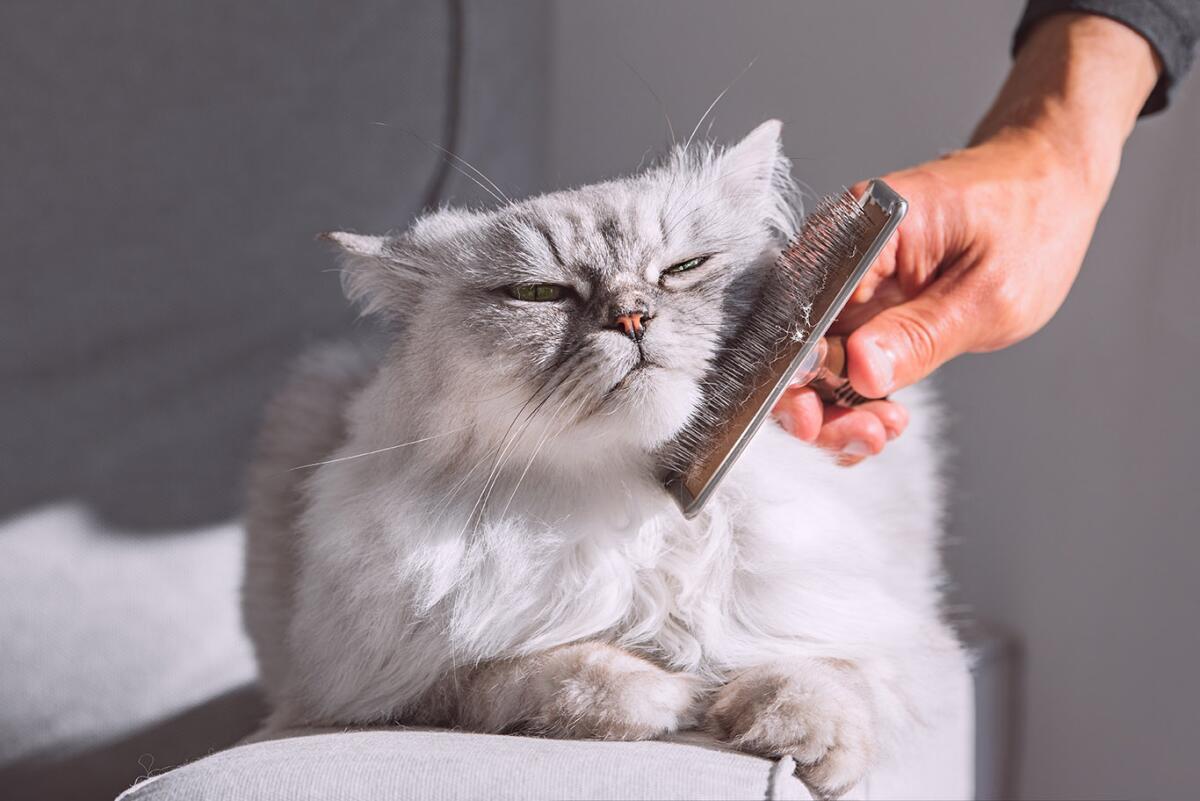
If you have a cat, you’ve probably heard the term “grooming” but might wonder what it really means and why it matters. Grooming your cat isn’t just about keeping them looking nice—it’s about their health, happiness, and comfort.
Understanding what grooming involves can help you build a stronger bond with your furry friend and avoid common problems like mats, hairballs, or skin issues. Ready to discover how simple steps can make a big difference for your cat? Keep reading to learn everything you need to know about grooming your cat the right way.
Credit: hellopetsinc.com
Benefits Of Cat Grooming
Grooming your cat offers more than just a neat appearance. It plays a crucial role in keeping your feline friend healthy and comfortable. Regular grooming sessions can transform your cat’s well-being in several surprising ways.
Improved Coat Health
Brushing your cat removes dirt, loose fur, and dead skin cells. This helps keep their coat shiny and soft, which many cat owners notice right away. Cats with long or thick fur especially benefit, as grooming prevents mats and tangles that can cause pain or skin problems.
Have you ever felt how much smoother your cat’s fur becomes after a good brush? That’s a sign their skin is healthier and better nourished. Plus, grooming evenly spreads natural oils, improving the overall condition of their coat.
Reduced Shedding
Shedding can be frustrating, but grooming helps control it. Regular brushing catches loose fur before it falls all over your home. This means less hair on your clothes and furniture.
Many cat owners find that consistent grooming reduces hairballs too, which can be uncomfortable for your cat. How much easier would your daily cleanup be with less fur flying around?
Early Detection Of Health Issues
Grooming lets you check your cat’s skin and body closely. You can spot lumps, bumps, wounds, or parasites like fleas early on. Finding these problems quickly means faster treatment and less stress for your cat.
During grooming, you might notice changes in your cat’s behavior or discomfort, which can be signs of underlying health issues. Have you ever caught a small problem before it turned serious just by paying close attention during grooming?
Credit: www.zoomzoomgroom.com
Types Of Cat Grooming
Cat grooming includes many activities that keep cats clean and healthy. It is more than just making your cat look good. Grooming helps prevent health problems and makes your cat comfortable. Different types of grooming focus on specific parts of your cat’s body and needs. Understanding these types helps you care for your cat better.
Brushing Techniques
Brushing removes loose fur and dirt from your cat’s coat. Use a brush suited to your cat’s fur length and type. Short-haired cats need soft bristle brushes. Long-haired cats benefit from wide-tooth combs or slicker brushes. Brush gently in the direction of hair growth. Regular brushing reduces hairballs and matting.
Bathing Tips
Bathing is not often needed but helps if your cat is very dirty or has skin issues. Use warm water and cat-safe shampoo only. Wet your cat slowly and apply shampoo gently. Rinse well to avoid irritation. Dry your cat with a towel and keep it warm after the bath. Avoid frequent baths to protect natural oils in their fur.
Nail Trimming
Trimming nails prevents damage to furniture and skin. Use a sharp, small nail clipper designed for cats. Hold your cat’s paw gently and trim only the sharp tip. Avoid cutting the pink part, called the quick, as it causes pain. Trim nails every 1-2 weeks to keep them short and safe.
Ear And Eye Care
Check your cat’s ears for dirt, wax, or infection signs. Use a soft cloth or cotton ball dampened with a vet-approved cleaner to wipe ears carefully. Do not insert anything deep inside. For eyes, wipe away discharge with a damp cloth. Clean around the eyes gently to avoid irritation. Regular checks help spot problems early.
Choosing The Right Grooming Tools
Choosing the right grooming tools for your cat can be a game-changer in maintaining their health and happiness. With so many options available, it’s essential to pick tools that suit your cat’s coat type and personality. By understanding the basic tools and their uses, you can create a grooming routine that both you and your cat will enjoy.
Brushes And Combs
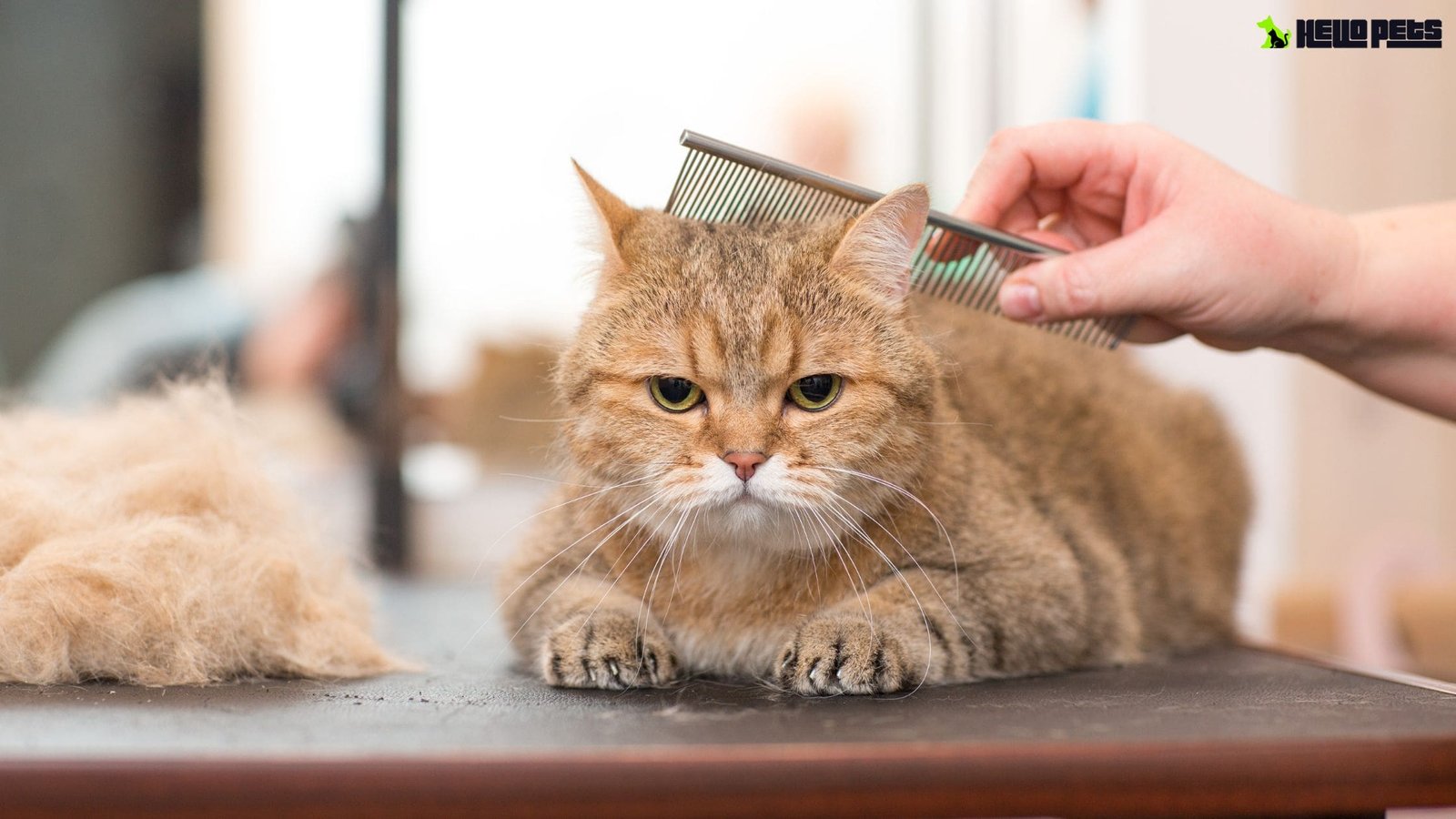
Brushes and combs are essential for keeping your cat’s coat tangle-free and shiny. Short-haired cats may benefit from a soft-bristle brush, while long-haired breeds often need a slicker brush to manage mats. Combs with wide and narrow teeth can help with detangling, ensuring a smooth grooming process.
My cat Max loves his daily brushing with a slicker brush. It keeps his fur manageable and reduces shedding around the house. What type of brush does your feline friend prefer?
Clippers And Scissors
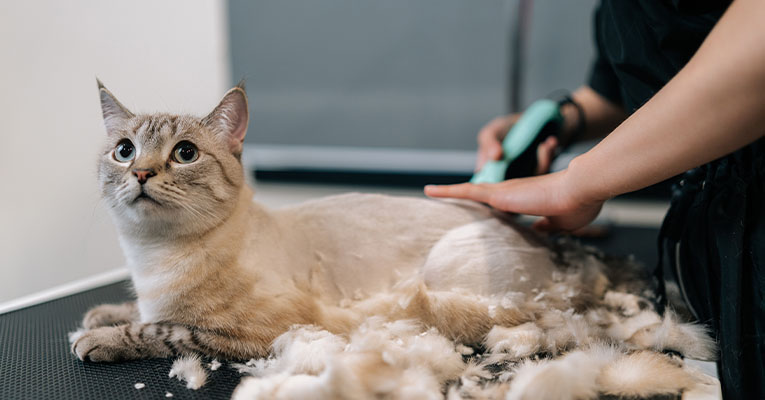
Regular trimming of your cat’s claws can prevent them from becoming too sharp or breaking. Cat clippers are designed to be gentle and safe, reducing the stress on your pet. Scissors can also be used to carefully trim any matted fur that brushing alone can’t handle.
If you’re nervous about using clippers, consider starting with a pair designed for beginners. It makes the process easier and helps you feel more confident in maintaining your cat’s claws.
Special Grooming Products
Special grooming products like detangling sprays or waterless shampoos can simplify your grooming routine. These products can freshen up your cat’s coat without the stress of a full bath. Always choose products specifically formulated for cats to ensure their safety and well-being.
Have you ever tried a detangling spray? It might just become your new go-to for those stubborn knots.
Grooming Frequency And Routine
Keeping your cat well-groomed not only helps them look great but also supports their health and comfort. How often you groom depends on your cat’s coat type and their individual needs. Let’s break down how to create a grooming routine that fits your feline friend perfectly.
Short-haired Cats
Short-haired cats usually need less frequent grooming. Brushing them once a week is often enough to remove loose hair and reduce shedding.
If your cat loves the attention, you can brush more often—this also helps you check for skin issues or parasites. I noticed my short-haired tabby brightened up after a quick brush session; it seemed to reduce her stress and made her fur shinier.
Long-haired Cats
Long-haired cats require more frequent grooming to prevent tangles and mats. Daily brushing is ideal to keep their coat smooth and healthy.
Focus on areas prone to tangles, like behind the ears and under the legs. Missing these spots can lead to painful mats that your cat will hate you for. Have you ever tried brushing a long-haired cat after a bath? It’s a great way to keep their fur soft and free of knots.
Adjusting For Age And Health
Older cats or those with health issues might need a gentler and more tailored grooming schedule. They may groom themselves less, so you’ll want to step in more often.
Pay attention to your cat’s comfort during grooming. If they show signs of pain or irritation, slow down and consult your vet. Could adjusting your routine improve your cat’s wellbeing?
Handling Grooming Challenges
Handling grooming challenges with your cat can be tricky, but it’s a vital part of keeping them healthy and happy. Some cats resist grooming due to fear or discomfort, while others develop mats that are tough to remove. Understanding how to face these obstacles will make grooming easier for both you and your cat.
Dealing With Aggressive Cats
When your cat reacts aggressively during grooming, it’s often because they feel scared or overwhelmed. Try breaking grooming sessions into short, calm periods instead of long ones. Use treats and gentle praise to create a positive association with grooming tools.
If your cat still resists, consider using a grooming glove instead of a brush—it feels less intrusive. Watch their body language closely; if they stiffen or growl, pause and let them relax. Have you noticed what specific triggers make your cat uncomfortable during grooming?
Managing Matting And Tangles
Mats can cause pain and skin problems, so it’s important to address them carefully. Start by using a wide-toothed comb to gently work through smaller tangles. For stubborn mats, apply a detangling spray made for cats to soften the fur.
Never pull on mats forcefully; it can hurt your cat and damage the coat. If mats are severe, you might need to trim them with scissors or visit a professional groomer. How often do you check your cat’s coat for early signs of tangles?
Stress-free Grooming Tips
Creating a calm environment helps reduce stress during grooming. Choose a quiet time and place where your cat feels safe and comfortable. Keep grooming tools within reach to avoid interrupting the session.
- Talk softly to your cat and use slow, gentle strokes.
- Offer treats or play with your cat before and after grooming as a reward.
- Use a comfortable grooming brush that suits your cat’s fur type.
Patience is key—sometimes grooming takes time to become a routine your cat accepts. What small changes can you make today to turn grooming into a pleasant experience for your furry friend?
Nutrition’s Role In Coat Health
Nutrition plays a vital role in keeping a cat’s coat healthy and beautiful. The right diet supports fur growth and prevents dryness or shedding. A balanced intake of nutrients nourishes the skin and fur from within. Healthy skin means less irritation and fewer grooming problems. Feeding your cat well is the first step to a soft, shiny coat.
Essential Nutrients For Fur
Certain nutrients directly affect the quality of a cat’s coat. Proteins provide building blocks for strong fur. Fatty acids, like omega-3 and omega-6, keep the skin hydrated and reduce itchiness. Vitamins A and E protect skin cells and promote repair. Zinc supports healthy hair growth. A diet rich in these nutrients leads to a glossy and smooth coat.
Supplements For Shiny Coats
Supplements can help if a cat’s diet lacks key nutrients. Fish oil capsules add omega-3 fatty acids. Biotin supports hair strength and prevents breakage. Coconut oil improves moisture and shine. Always check with a vet before adding supplements. Proper supplements can boost coat health and reduce grooming needs.
When To Seek Professional Help
Knowing when to get professional grooming for your cat is important. Some grooming needs go beyond simple brushing at home. Professional groomers can handle tough mats, nail trimming, and skin issues safely. They also spot problems you might miss early on. Paying attention to your cat’s behavior and coat condition helps decide when to seek expert help.
Signs Of Grooming Problems
- Your cat has tangled or matted fur that won’t come out.
- There are bald patches or skin redness under the fur.
- Your cat scratches or bites its fur often.
- Nails are very long or causing discomfort.
- Your cat avoids being touched in certain areas.
- Unpleasant odor or dirt buildup on the coat.
- Your cat’s fur looks dull, greasy, or flaky.
Benefits Of Professional Grooming
- Removes mats and tangles without hurting your cat.
- Keeps nails trimmed to prevent scratching injuries.
- Helps control shedding and reduce hairballs.
- Improves skin health by cleaning and checking for problems.
- Reduces stress with calm, experienced handling.
- Provides advice on your cat’s grooming needs.
- Keeps your cat looking clean and comfortable.

Credit: www.latimes.com
Frequently Asked Questions
What Is Grooming A Cat?
Grooming a cat means cleaning and maintaining its fur and skin. It helps remove dirt, loose hair, and prevents matting. Regular grooming also promotes healthy skin and improves your cat’s overall hygiene and comfort.
How Often Should You Groom A Cat?
Most cats need grooming once or twice a week. Long-haired breeds may require daily grooming. Regular sessions help reduce shedding and prevent hairballs, keeping your cat healthy and comfortable.
Why Is Cat Grooming Important?
Grooming prevents matting, reduces shedding, and keeps skin healthy. It also helps detect fleas, ticks, or skin problems early. Grooming strengthens the bond between you and your cat, promoting trust and comfort.
Can Grooming Reduce Cat Hairballs?
Yes, grooming removes loose hair before your cat swallows it. Regular brushing significantly reduces hairballs, which can cause digestive issues. Grooming helps maintain your cat’s digestive health and comfort.
Conclusion
Grooming a cat helps keep its fur clean and healthy. It also reduces shedding and prevents hairballs. Regular grooming builds trust between you and your pet. Cats enjoy gentle brushing and feel calm during grooming. Remember, a well-groomed cat looks happy and feels good.
Try to make grooming a fun routine every week. Your cat will thank you with purrs and love. Simple care makes a big difference in your cat’s life.



Leave a Reply