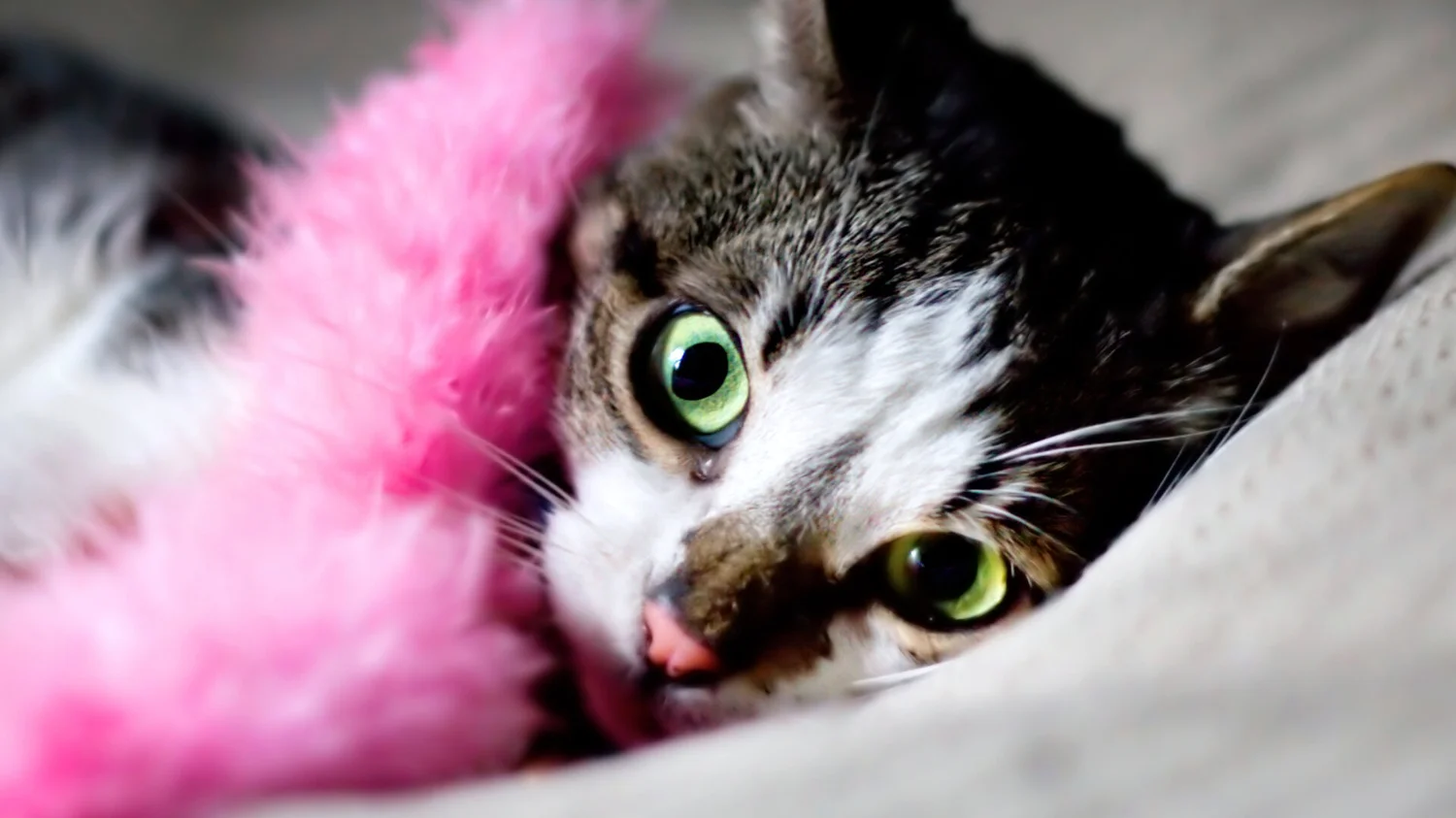
Have you ever noticed your cat crying while carrying a toy in its mouth and wondered why? It’s a behavior that can seem strange or even a little sad.
You might worry if your furry friend is upset or in pain. But there’s more to this habit than meets the eye. Understanding why your cat cries and carries toys can help you connect with them better and meet their needs.
Keep reading, and you’ll discover surprising reasons behind this behavior that will change how you see your cat forever.
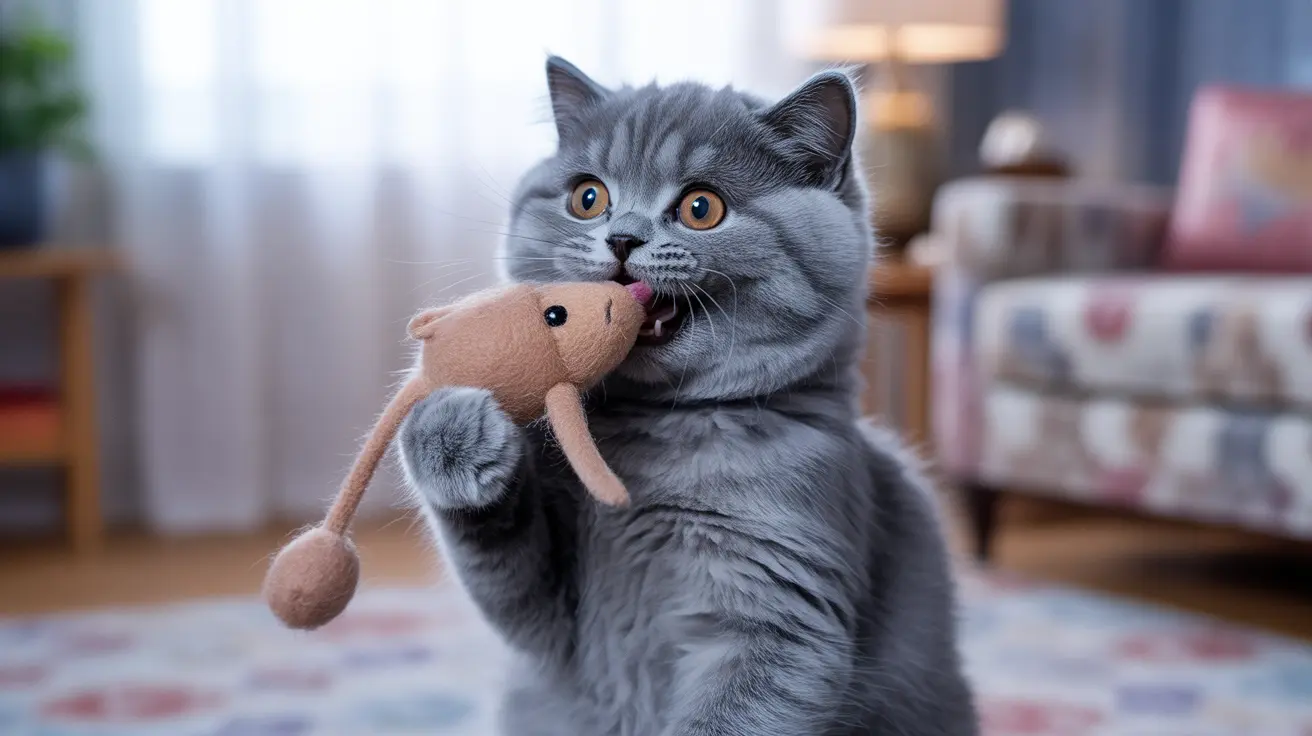
Credit: www.petscare.com
Cat Crying Behavior
Cats use crying to communicate many feelings and needs. Understanding why your cat cries helps you care for them better. Crying can mean happiness, pain, or a need for attention. Observing when and how your cat cries gives clues about their mood.
Common Vocalizations
Cats make different sounds to express themselves. Meowing is the most common cry. Some cats purr while crying, showing contentment or seeking comfort. Hissing or growling means fear or anger. Chirping or chattering often happens when a cat is excited or alert.
When Crying Signals Distress
Some cries show your cat is in trouble. Loud, continuous crying may mean pain or discomfort. A cat might cry after injury or illness. Sudden changes in crying patterns can signal stress. Watch for other signs like hiding, loss of appetite, or lethargy.
Crying For Attention
Cats often cry to get your focus. They may want food, play, or cuddles. Some cats learn that crying brings rewards. This behavior is common in cats that feel lonely or bored. Responding with gentle care helps build trust and reduces anxiety.
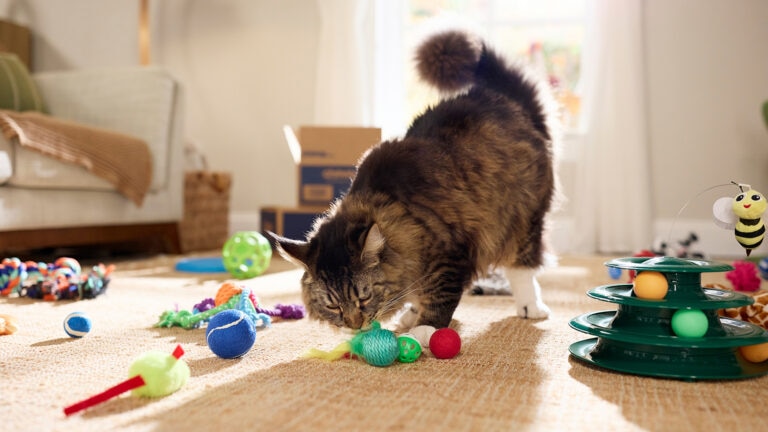
Credit: www.chewy.com
Reasons Behind Carrying Toys
Cats carrying toys around might seem puzzling at first, but understanding the reasons behind this behavior can help you connect better with your furry friend. This action isn’t random; it often reflects deep-seated instincts, emotional needs, or a desire for interaction. Let’s look into the main reasons why your cat might be crying and carrying toys.
Instinctual Hunting Drive
Even indoor cats retain their natural hunting instincts. Carrying toys mimics the way wild cats catch and transport prey. When your cat grabs a toy and walks around with it, it’s acting out a natural behavior rooted in survival skills.
Have you noticed your cat’s intense focus before picking up a toy? That’s their hunting mode kicking in. This behavior helps satisfy their need to chase and capture something, which keeps their mind sharp and body active.
Comfort And Security
Sometimes, toys become more than just playthings—they turn into comfort objects. Cats may carry their favorite toy to feel safe, especially in new or stressful environments. It’s similar to how children hold onto a blanket or stuffed animal.
If your cat cries while carrying a toy, it could be seeking reassurance. This small act helps soothe anxiety and provides a sense of security. Have you noticed your cat clutching a toy when meeting new people or visiting unfamiliar places?
Seeking Interaction
Cats are social creatures and sometimes use toys to get your attention. Carrying a toy and crying can be your cat’s way of inviting you to play or interact. It’s their way of saying, “Look at me! Let’s have some fun!”
When your cat brings you a toy, consider it an invitation to bond. Responding by engaging in play strengthens your relationship and keeps your cat mentally and physically stimulated. What games does your cat enjoy the most when you join in?
Emotional Triggers
Cats often cry and carry toys to express feelings like hunger, stress, or a need for attention. These actions trigger emotional responses linked to play and comfort. Understanding these signs helps build a stronger bond with your pet.
Cats, like humans, are complex creatures with a range of emotions. If you’ve ever caught your cat crying and carrying toys around the house, you might wonder what emotional triggers are at play. Understanding these triggers can help you provide a more nurturing environment for your feline friend.Loneliness And Boredom
Cats are social animals, and even the most independent ones can feel lonely. If you’re away for extended periods, your cat might resort to carrying toys as a form of self-soothing. Consider how much interaction your cat gets on a daily basis. Interactive toys or puzzle feeders can provide mental stimulation. Leaving a window open for bird-watching or playing soft music might also help.Stress And Anxiety
Changes in the environment, such as new furniture or a new pet, can trigger stress. A cat might cry and carry toys as a coping mechanism. Have you recently made any changes that could be unsettling for your cat? Creating a safe space with familiar scents can ease anxiety. Using pheromone diffusers can also create a calming atmosphere.Bonding With Owners
Cats often mimic behaviors they see in their human companions. If your cat cries and carries toys, it might be trying to engage with you or seek attention. Do you notice this behavior more when you’re busy or distracted? Take a moment to play with your cat. Engaging in interactive play not only strengthens your bond but also satisfies your cat’s emotional needs. Understanding why your cat cries and carries toys can deepen your connection. What steps will you take to meet your cat’s emotional needs today?Health-related Causes
Health issues can make cats cry and carry toys more than usual. Understanding these health-related causes helps you care better for your pet. Sometimes, crying and toy-carrying signal discomfort or changes in the cat’s brain. Watching your cat closely can show if health problems are at play.
Pain Or Discomfort
Cats often hide pain but may cry to show distress. Carrying toys might soothe them or distract from discomfort. Pain from injuries or illness can make cats restless and vocal. Look for signs like limping, licking one spot, or changes in eating habits. These clues suggest your cat may need a vet check-up.
Cognitive Changes In Older Cats
Older cats can develop cognitive dysfunction syndrome, similar to dementia in humans. This condition causes confusion, anxiety, and changes in behavior. Crying and carrying toys might be a way to find comfort or reduce stress. You may notice your cat getting lost or forgetting routines. Regular vet visits can help manage these changes and improve your cat’s quality of life.
How To Respond To Your Cat
Understanding how to respond when your cat cries and carries toys can deepen your connection and improve their well-being. It’s important to observe their behavior carefully and respond in ways that meet their emotional and physical needs. Your reaction can either calm your cat or unintentionally encourage more crying, so choosing the right approach matters.
Providing Enrichment
Cats often carry toys because they want to engage in play or feel comforted. You can add interactive toys like feather wands or puzzle feeders to keep their minds busy. Setting aside daily playtime helps release their energy and reduces attention-seeking crying.
Consider rotating toys regularly to keep your cat curious and interested. A bored cat is more likely to cry or carry toys to get your attention. Have you noticed how your cat’s mood changes after a fun play session?
Recognizing When To Visit A Vet
Persistent crying paired with carrying toys might signal health issues or stress. If your cat suddenly starts this behavior or shows other signs like appetite loss or lethargy, it’s time to consult your vet. Health problems can cause discomfort that your cat tries to communicate through vocalizations and unusual actions.
Don’t ignore changes in behavior, even if they seem minor. Sometimes what looks like a quirky habit can be a sign of pain or anxiety. How often do you check for subtle shifts in your cat’s daily routine?
Building Stronger Bonds
Respond to your cat’s cries and toy-carrying by giving gentle attention and affection. Sitting quietly with them or softly talking can reassure your cat without encouraging excessive noise. Your calm presence helps them feel safe and understood.
Try to learn what specific toys or actions your cat prefers and use those moments to connect. This shows your cat that you are attentive to their unique personality. Could spending a few extra minutes of focused time each day change your cat’s behavior?

Credit: www.reddit.com
Frequently Asked Questions
Why Does My Cat Cry While Carrying Toys?
Cats cry while carrying toys to communicate. They might feel anxious, seek attention, or express maternal instincts. It’s a way to share their “prey” with you or other pets. Understanding their mood helps address this behavior effectively and strengthens your bond.
Is Toy Carrying A Sign Of Hunting Instincts?
Yes, carrying toys mimics natural hunting behaviors. Cats treat toys as prey, practicing skills and instincts. This behavior is normal and healthy, providing mental and physical stimulation. It helps cats stay engaged and satisfy their natural predatory urges safely indoors.
How Can I Stop My Cat From Crying With Toys?
To reduce crying, provide interactive play and attention. Ensure your cat feels secure and stimulated. Use toys that engage their hunting instincts without causing frustration. Avoid punishing crying; instead, reward calm behavior to encourage quiet, positive interactions with toys.
Does Carrying Toys Indicate Loneliness In Cats?
Carrying toys can indicate loneliness or boredom. Cats may seek comfort or companionship by treating toys as friends or prey. Increasing playtime and social interaction can reduce this behavior. Providing enrichment and attention helps your cat feel happier and less isolated.
Conclusion
Cats cry and carry toys for many reasons. They might want attention or feel playful. Sometimes, it shows they feel safe and happy. Understanding your cat’s behavior helps build a stronger bond. Watch for other signs to know what your cat needs.
Giving love and care keeps your cat content. Every cat is unique, so observe and enjoy their quirks. Caring for a cat means patience and love every day.



Leave a Reply