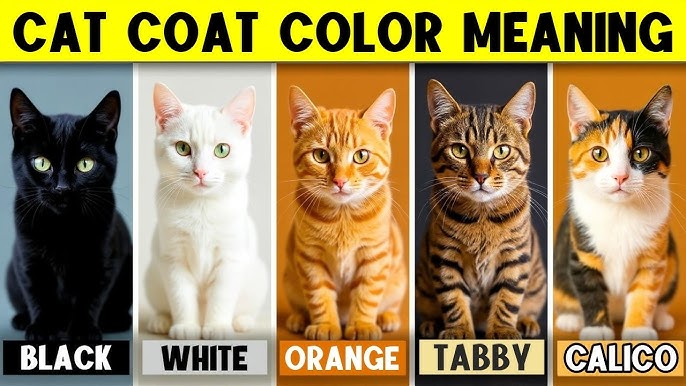
Have you ever wondered why cats come in so many shapes, sizes, and colors? You might think all cats are just cats, but there’s a fascinating story behind the variety you see.
Understanding why there are different breeds of cats can change the way you see your furry friend. It reveals how nature, history, and even human choices have shaped these unique creatures. Keep reading, and you’ll discover surprising facts that make each breed special—and maybe even find the perfect cat for you.
Cat Breed Diversity
Cats come in many breeds, each with unique looks and traits. This variety is called cat breed diversity. It exists because cats adapted to different places and humans shaped some breeds. Understanding this diversity helps us appreciate each cat’s special qualities and history.
Natural Vs. Man-made Breeds
Natural breeds developed on their own in certain regions. These cats adapted to local conditions without human interference. For example, the Maine Coon grew thick fur for cold winters.
Man-made breeds result from careful breeding by humans. Breeders select traits like color, size, or personality. This process creates new breeds with specific features. The Siamese cat’s pointed colors come from this type of breeding.
Role Of Geography And Climate
Geography shapes cat breeds by isolating groups in different places. Mountains, islands, and deserts create unique environments. Cats adapt to survive these conditions.
Climate affects traits like fur length and color. Cats in cold areas often have thick coats. Cats in warm places usually have short, light fur. These adaptations help cats stay comfortable and healthy.

Credit: www.threads.com
Historical Roots Of Cat Breeds
The variety of cat breeds you see today didn’t appear overnight. Their origins are deeply tied to human history and how people have interacted with cats over thousands of years. Understanding these historical roots helps you appreciate why cats look and behave so differently across breeds.
Ancient Domestication
Cats were first domesticated around 9,000 years ago, primarily in the Near East. Early humans welcomed cats for their hunting skills, especially to protect food supplies from rodents.
This practical relationship gradually evolved into companionship. Unlike dogs, cats maintained much of their wild nature, which is why some breeds still show strong hunting instincts today.
Have you ever noticed your cat’s sudden burst of energy chasing a toy? That instinct traces back to those early days when survival depended on it.
Cultural Influences On Breeding
Different cultures shaped cat breeds to meet their needs and tastes. Ancient Egyptians, for example, prized sleek, elegant cats like the Egyptian Mau, while Japanese breeders developed the distinctive bobtail.
In Europe, cats were bred for fur quality and specific traits, leading to breeds like the Persian with its long, luxurious coat. Breeding often reflected social status, with some cats becoming symbols of wealth and prestige.
Think about how your preferences influence your choices today—whether you prefer a playful Bengal or a calm British Shorthair. Culture still plays a huge role in the cats we cherish.
Genetics Behind Breed Differences
The diversity of cat breeds is fascinating. It is rooted deeply in genetics. Understanding these genetic differences can explain why each breed is unique. From their fur patterns to their playful behaviors, genetics play a crucial role.
Inherited Traits And Variations
Every cat carries unique genetic codes. These codes influence their physical and behavioral traits. Some cats have long fur due to inherited genes. Others may have a particular eye color. Breeds like the Siamese have distinct traits. These are passed down through generations.
Inherited traits can also affect a cat’s personality. For example, some breeds are naturally more vocal. Others are known for their calm demeanor. Genetic variations create these differences.
Genetic Mutations And Their Effects
Genetic mutations can lead to new cat breeds. These mutations occur naturally over time. Sometimes, they result in a new trait. For example, the Sphynx cat lacks fur due to a mutation. This feature makes them unique.
Mutations can affect a cat’s health too. Certain breeds might be prone to specific conditions. Understanding these mutations helps breeders and vets. They can ensure the health and well-being of these cats.

Credit: www.petbook-magazine.com
Purposeful Breeding Practices
Purposeful breeding practices shaped the variety of cat breeds we see today. Breeders focus on specific traits to create cats that meet certain standards or needs. This careful selection helps maintain or enhance unique features in cats.
These practices involve choosing cats with particular looks or behaviors. Over time, this leads to distinct breeds with special characteristics. The goal is to preserve qualities that appeal to owners or serve functional purposes.
Selection For Appearance
Breeders select cats based on physical traits like coat color, pattern, and body shape. These features define a breed’s unique look. For example, the Siamese cat has a slender body and striking blue eyes.
Appearance traits can include:
- Fur length and texture
- Eye color and shape
- Body size and posture
- Distinctive markings
This focus on looks helps create visually striking breeds. It also meets breed standards set by cat associations worldwide.
Breeding For Temperament And Abilities
Temperament plays a key role in breeding decisions. Some breeds are calm and affectionate, while others are active and playful. Breeders aim to produce cats with consistent behavior traits.
Abilities can also be a focus. Certain breeds excel in hunting, companionship, or adaptability to indoor life. For example, the Maine Coon is known for its friendly nature and hunting skills.
Breeding for temperament and abilities includes:
- Choosing cats with friendly or social behavior
- Enhancing traits like intelligence or agility
- Maintaining a breed’s typical energy level
This ensures cats fit well into homes or specific roles. It helps owners find cats that match their lifestyle and preferences.
Famous Cat Breeds And Their Stories
Famous cat breeds have unique stories that explain their traits and looks. These stories come from different parts of the world. Each breed has a special history that makes it stand out. Understanding these tales helps us appreciate cats even more. Here are some well-known breeds and their backgrounds.
Origins Of The Siamese
The Siamese cat comes from Thailand, once called Siam. It was a royal cat, loved by kings and queens. People admired its sleek body and striking blue eyes. The breed’s distinct color points make it easy to recognize. Siamese cats are known for being vocal and social. Their story reflects their noble and lively nature.
History Of The Maine Coon
The Maine Coon is a large, fluffy cat from the United States. It began in the state of Maine, where it adapted to cold weather. Its thick fur and bushy tail helped it survive. Some say it descended from ship cats or even raccoons. Maine Coons are friendly and playful, making them great pets. Their history shows strength and charm combined.
Development Of The Persian
Persian cats trace back to ancient Persia, now Iran. They became popular in Europe in the 1600s. Breeders focused on their long, soft fur and flat faces. Persians are calm, sweet, and love quiet homes. Their elegant look makes them a favorite in cat shows. This breed’s development highlights beauty and grace over centuries.
Impact Of Breed Differences Today
The impact of breed differences today goes far beyond just looks. These differences shape how cats live, interact, and even how you care for them. Understanding the specific needs and traits of each breed can make your relationship with your feline friend much smoother and more fulfilling.
Health Considerations
Different breeds come with unique health risks. For example, Persian cats are prone to respiratory issues due to their flat faces, while Maine Coons can face hip dysplasia. Knowing these risks helps you watch for early signs and schedule timely vet visits.
It’s important to tailor your cat’s diet and exercise to their breed’s needs. Some breeds need more activity to stay healthy, while others may require special diets. Have you ever adjusted your cat’s routine based on their breed’s health profile?
Behavioral Traits And Compatibility
Breed differences also affect personality and behavior. Siamese cats tend to be vocal and social, loving constant interaction, while British Shorthairs are more reserved and independent. Choosing a breed that fits your lifestyle can prevent frustration for both you and your cat.
Think about your daily routine and living space before picking a breed. Active breeds may not thrive in small apartments, and calm breeds might get stressed in busy homes. Have you noticed how your cat’s breed influences their habits and your connection?
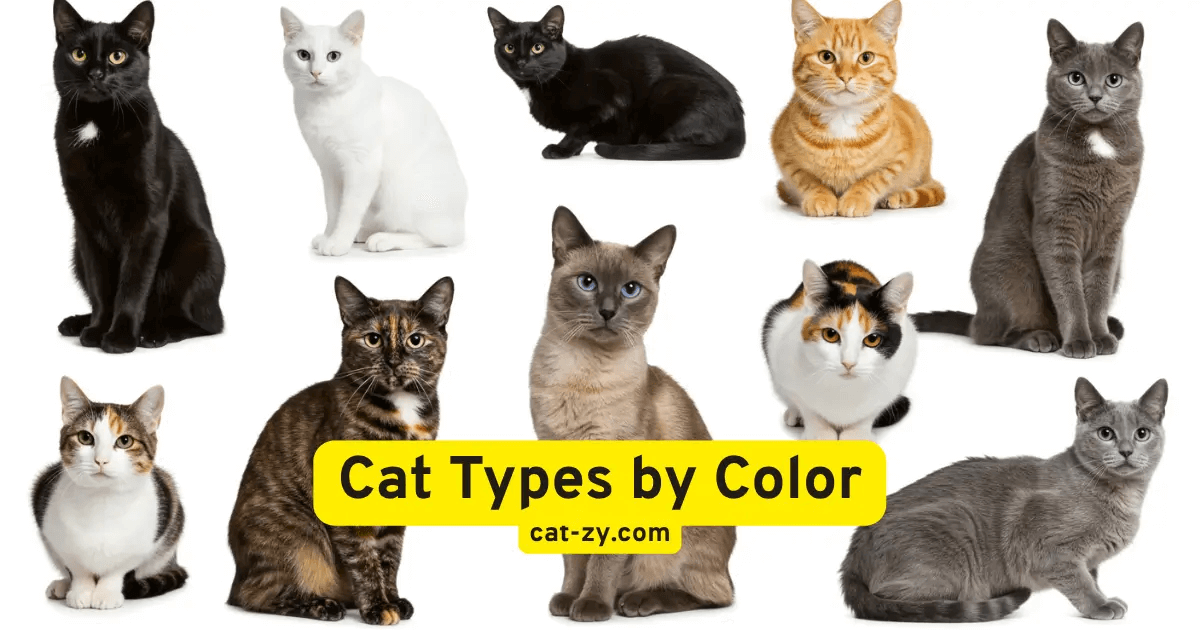
Credit: medium.com
Frequently Asked Questions
Why Do Cats Have Different Breeds?
Cats have different breeds due to selective breeding by humans. Breeders choose traits like size, coat, and personality. This creates unique breeds adapted for various purposes and preferences.
How Do Cat Breeds Develop Over Time?
Cat breeds develop through natural mutations and human intervention. Breeders select specific traits to enhance. This leads to distinct physical and behavioral characteristics in each breed.
What Influences The Traits Of Cat Breeds?
Genetics mainly influence cat breed traits. Environmental factors and breeding choices also play roles. These factors combine to produce diverse appearances and temperaments among cats.
Are All Cat Breeds Genetically Different?
Yes, each cat breed has unique genetic markers. These differences define breed-specific traits. However, all domestic cats share a common ancestor.
Conclusion
Different cat breeds exist because of nature and human care. Each breed has unique looks and traits. This variety helps cats adapt to many homes and climates. People choose breeds that fit their lifestyle and preferences. Knowing about breeds helps us appreciate cats more.
Every cat, no matter the breed, deserves love and care. Diversity in cats makes the world more interesting and full of joy.


Leave a Reply