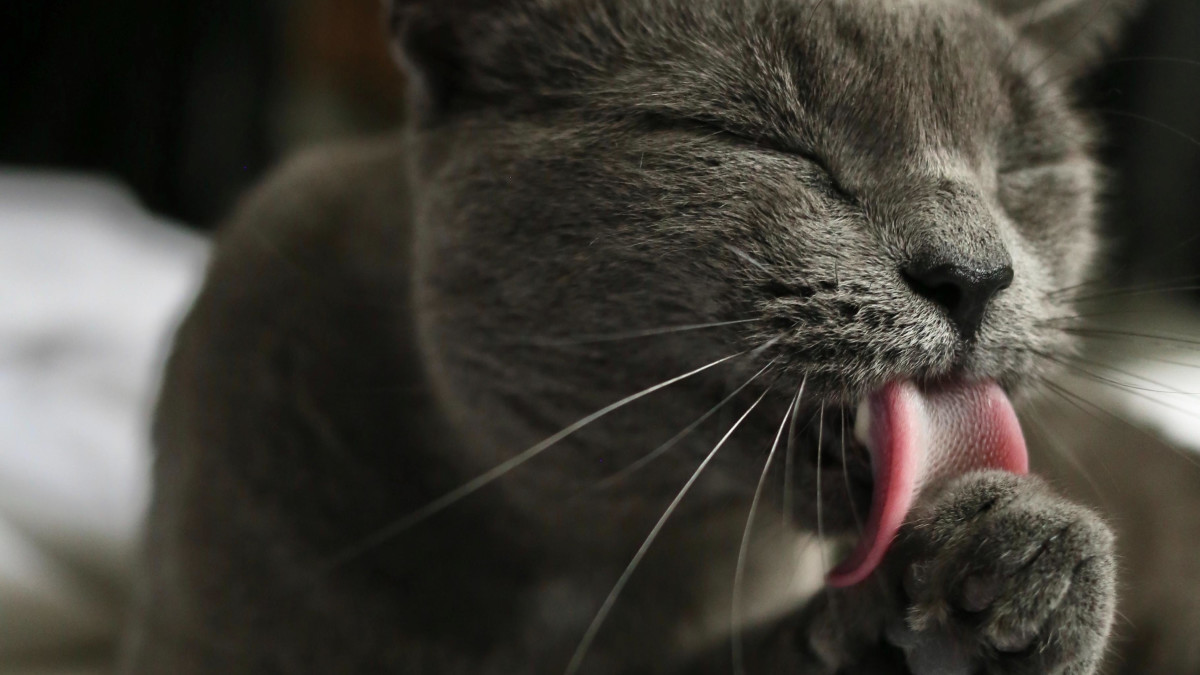
Have you ever caught your cat grooming herself nonstop and wondered why she can’t seem to stop? You might be concerned or curious about what this behavior means.
Grooming is normal for cats, but when it happens constantly, it can signal something important about your furry friend’s health or emotions. Understanding why your cat spends so much time cleaning herself can help you keep her happy and healthy.
Keep reading to discover the surprising reasons behind your cat’s endless grooming and what you can do about it.
Normal Grooming Habits
Understanding your cat’s normal grooming habits can help you tell when her behavior is healthy or when it might be a sign of stress or illness. Cats are naturally clean creatures, and grooming is an essential part of their daily routine. Observing how and how often your cat grooms herself gives you important clues about her well-being.
How Cats Groom Themselves
Cats use their tongues, teeth, and paws to keep clean. Their tongues have tiny, hook-like structures that act like a comb, removing dirt and loose fur. You might notice your cat licking her fur in sections, then using her paws to wipe her face and head.
This grooming process isn’t just about cleanliness. It helps regulate body temperature and reduces stress. Have you ever seen your cat suddenly stop and start licking again? This back-and-forth is her way of making sure every spot is well cared for.
Frequency And Duration Of Grooming
Most cats spend around 30 to 50% of their waking hours grooming. That might seem like a lot, but grooming is as natural as eating or sleeping for them. You may notice your cat grooming more after meals or naps, which helps keep her fur fresh and comfortable.
However, the exact time your cat spends grooming can vary. Some cats groom briefly but often, while others have longer grooming sessions less frequently. Does your cat’s grooming seem excessive or hurried? That could be a sign she’s anxious or dealing with a skin problem.

Credit: medium.com
Health-related Causes
Cats groom themselves to stay clean and comfortable. Sometimes, constant grooming signals health problems. Understanding these health-related causes can help you spot issues early. Watch your cat for signs of discomfort or changes in behavior. Early care can prevent serious problems and keep your cat happy.
Skin Irritations And Allergies
Skin irritations make cats lick and scratch often. Allergies from food, dust, or plants cause itching. Cats try to soothe their skin by grooming more. Look for redness, bumps, or hair loss on your cat. These signs show your cat may have a skin problem.
Parasites And Fleas
Parasites like fleas cause intense itching. Fleas hide in fur and bite the skin. Your cat feels itchy and grooms nonstop. Check for tiny black dots or flea dirt in fur. Parasite control is important to stop this behavior.
Pain Or Discomfort
Pain from injuries or arthritis can cause grooming changes. Cats lick sore spots to ease discomfort. Over-grooming may damage the skin and fur. Notice if your cat grooms one area a lot. Pain might be the reason behind this habit.
Behavioral Reasons
Cats groom themselves often to feel calm and safe. This behavior also helps them remove dirt and loose fur. Sometimes, grooming can be a way to cope with stress or boredom.
Cats are known for their meticulous grooming habits, but when your feline friend is constantly grooming herself, it might be more than just keeping clean. There are various behavioral reasons behind this behavior that can provide insights into your cat’s mental and emotional state. Understanding these reasons can help you ensure your cat’s well-being and happiness.Stress And Anxiety
Cats, much like humans, can experience stress and anxiety. A new environment, a change in routine, or the introduction of a new pet can trigger these feelings. When cats feel anxious, they might resort to grooming as a self-soothing mechanism. This repetitive action can be calming for them, much like how a person might fidget or bite their nails. If you’ve noticed your cat grooming more since a recent change, consider what might be causing her stress and see if you can alleviate it.Boredom And Lack Of Stimulation
Imagine being in a room with nothing to do; you’d likely find a way to entertain yourself. Cats are no different. If they lack stimulation or don’t have enough toys or interaction, they might start grooming excessively out of sheer boredom. Providing your cat with engaging toys or spending more time playing with her can help reduce this behavior. Keep your cat mentally and physically active, ensuring she has plenty of opportunities to explore and play.Territorial Marking
Cats are territorial creatures, and grooming can be a way for them to mark their territory. They have scent glands around their face and body, and by grooming, they spread their scent onto their fur. This behavior is especially common in multi-cat households, where each cat wants to assert their presence. If your cat is grooming frequently, she may be trying to establish her territory, especially if there’s a new pet in the house. Observe if she is also rubbing against furniture or objects, which can indicate territorial behavior. Understanding the behavioral reasons behind your cat’s constant grooming is crucial. It allows you to address any underlying issues and ensure your cat is happy and healthy. Have you noticed any of these behaviors in your cat? What steps might you take to help her feel more comfortable and secure?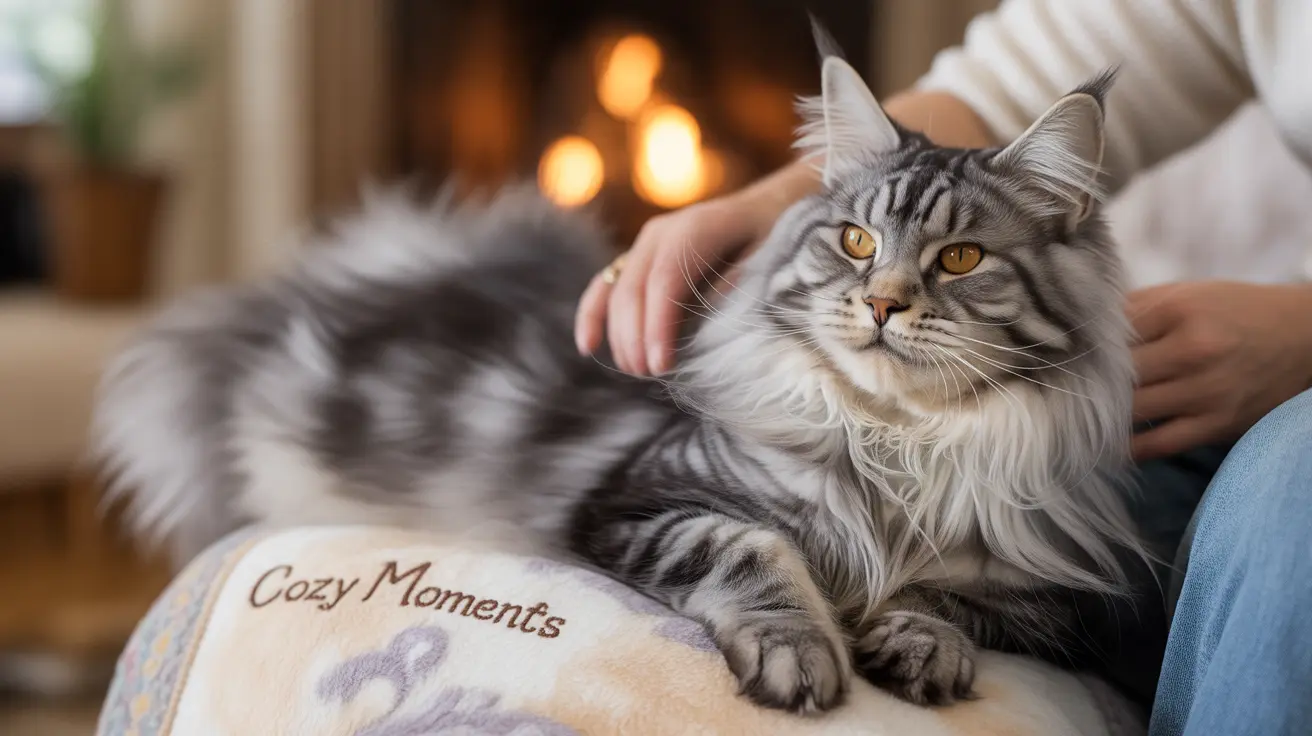
Credit: www.petscare.com
Environmental Factors
Cats groom themselves to stay clean and comfortable. Their environment plays a big role in how often they groom. Changes around them can cause extra licking or scratching. Understanding these factors can help you know why your cat grooms so much.
Changes In Surroundings
A new home or room can make a cat nervous. New smells, sounds, or people cause stress. This stress leads to more grooming as a way to calm down. Even moving furniture or new pets can affect your cat’s behavior.
Exposure To Irritants
Cats react to dust, chemicals, or strong scents in the air. These irritants can make their skin itchy. Grooming helps your cat try to soothe the itch or remove the irritant. Watch for perfumes, cleaning sprays, or pollen that might bother your cat.
Climate Effects
Hot weather makes cats lick more to cool down. Cold weather can dry their skin, causing itching. Grooming helps them manage these changes. Humidity and seasonal shifts also affect how often your cat cleans herself.
When Grooming Becomes Excessive
Grooming is a natural and necessary part of your cat’s daily routine. It keeps their coat clean, removes loose fur, and helps regulate body temperature. But what happens when this normal behavior crosses the line into excessive grooming?
Excessive grooming can signal that something is wrong. It might start as a harmless habit but quickly turn into a problem that affects your cat’s health and comfort. Recognizing when grooming becomes too much is key to helping your feline friend.
Signs Of Overgrooming
- Bald patches:Noticeable hair loss in certain spots on your cat’s body.
- Red or irritated skin:Areas that look inflamed or raw from constant licking or biting.
- Frequent licking or biting:Your cat spends a lot more time grooming than usual, often focusing on the same spot.
- Behavior changes:Your cat may seem restless, anxious, or stressed, which often accompanies overgrooming.
Have you ever caught your cat obsessively licking one area for what seems like hours? That’s a clear warning sign you shouldn’t ignore.
Potential Health Risks
Overgrooming can lead to serious health problems if left unchecked. Constant licking can cause skin infections, wounds, and even create sores that take a long time to heal.
In some cases, excessive grooming may indicate underlying issues like allergies, parasites, or stress-related conditions. Your cat might be trying to soothe pain or irritation without the ability to tell you what’s wrong.
Ignoring these signs can worsen your cat’s condition, leading to discomfort and costly treatments down the line.
When To Seek Veterinary Help
If you notice your cat grooming excessively with the signs mentioned above, it’s time to consult your vet. Early intervention can identify the root cause and prevent further damage.
Your vet might perform skin tests, check for fleas, or discuss your cat’s diet and environment to find triggers. Don’t wait until your cat’s skin is damaged or their behavior changes drastically.
Ask yourself: Is my cat’s grooming normal or a sign of distress? Your vigilance can make a big difference in your cat’s well-being.
Managing And Reducing Excessive Grooming
Excessive grooming in cats can be challenging for both you and your pet. It might lead to skin problems or indicate deeper issues. Managing and reducing this behavior requires a careful look at your cat’s environment, health, and emotional well-being.
Improving Environmental Enrichment
Is your cat bored or understimulated? Cats need mental and physical activities to stay happy. Adding interactive toys, scratching posts, and puzzle feeders can keep your cat engaged and distracted from over-grooming.
Try rotating toys regularly to maintain your cat’s interest. Play sessions with you also build trust and reduce grooming caused by boredom or loneliness. Have you noticed your cat’s grooming less after more playtime?
Addressing Medical Issues
Sometimes, excessive grooming signals an underlying health problem. Skin allergies, parasites, or pain can make your cat lick or scratch more than usual. A visit to the vet is essential to rule out or treat these causes.
If your cat suddenly starts grooming excessively, consider whether there have been changes in diet or environment that might trigger allergies. Medication or special shampoos may be necessary to soothe irritated skin. Don’t ignore subtle signs; early treatment can prevent worsening symptoms.
Stress Reduction Techniques
Stress and anxiety often lead cats to over-groom. Changes at home, new pets, or loud noises can upset their routine. Creating a calm, safe space with hiding spots can help your cat feel secure.
Using pheromone diffusers or calming collars might ease anxiety. Regular, gentle interaction also reassures your cat. Ask yourself what recent changes might have stressed your cat and how you can restore a peaceful environment.

Credit: www.reddit.com
Frequently Asked Questions
Why Does My Cat Groom Herself So Often?
Cats groom themselves often to stay clean and remove dirt. Grooming also helps regulate their body temperature and reduce stress. It’s a natural behavior essential for their health and comfort.
Can Excessive Grooming Harm My Cat?
Yes, excessive grooming can cause skin irritation and hair loss. It may indicate stress, allergies, or health issues. If your cat grooms excessively, consult a vet for proper diagnosis and treatment.
How Does Grooming Benefit My Cat’s Health?
Grooming removes dirt, loose fur, and parasites. It stimulates blood circulation and promotes healthy skin. Grooming also helps cats bond with their environment and reduce anxiety.
Is My Cat Grooming More Due To Stress?
Stress can increase grooming behavior in cats. It acts as a coping mechanism to calm their nerves. Identify and reduce stress triggers to prevent over-grooming and maintain your cat’s well-being.
Conclusion
Cats groom themselves to stay clean and healthy. It helps remove dirt and loose fur. Grooming also calms them and shows comfort. Sometimes, too much grooming means stress or health issues. Watch your cat’s habits closely. Help by keeping their environment calm and safe.
Regular vet visits catch problems early. Understanding your cat’s grooming helps you care better. Keep your furry friend happy and clean. Simple care makes a big difference.

Leave a Reply