
Have you ever noticed your cat biting himself while grooming and wondered why he does it? It can be worrying to see your furry friend nibbling or even scratching their own skin.
You might ask yourself if this is normal or if something is wrong. Understanding why your cat bites himself during grooming can help you keep him healthy and happy. You’ll discover the common reasons behind this behavior and learn how to tell if your cat needs help.
Keep reading to find out what’s really going on when your cat bites himself.
Normal Grooming Behavior
Cats spend a lot of time grooming themselves. This behavior is natural and healthy. Grooming helps cats keep clean, cool, and calm. Biting during grooming is often a normal part of this process. Understanding why cats bite themselves gently can help you know your pet better.
How Cats Groom Themselves
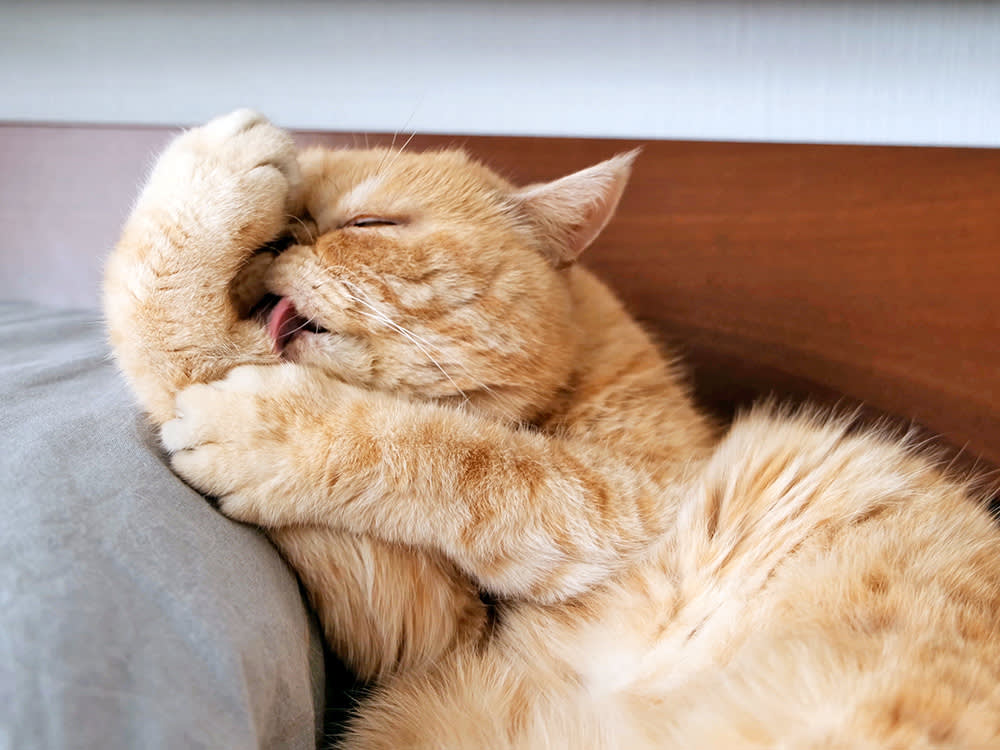
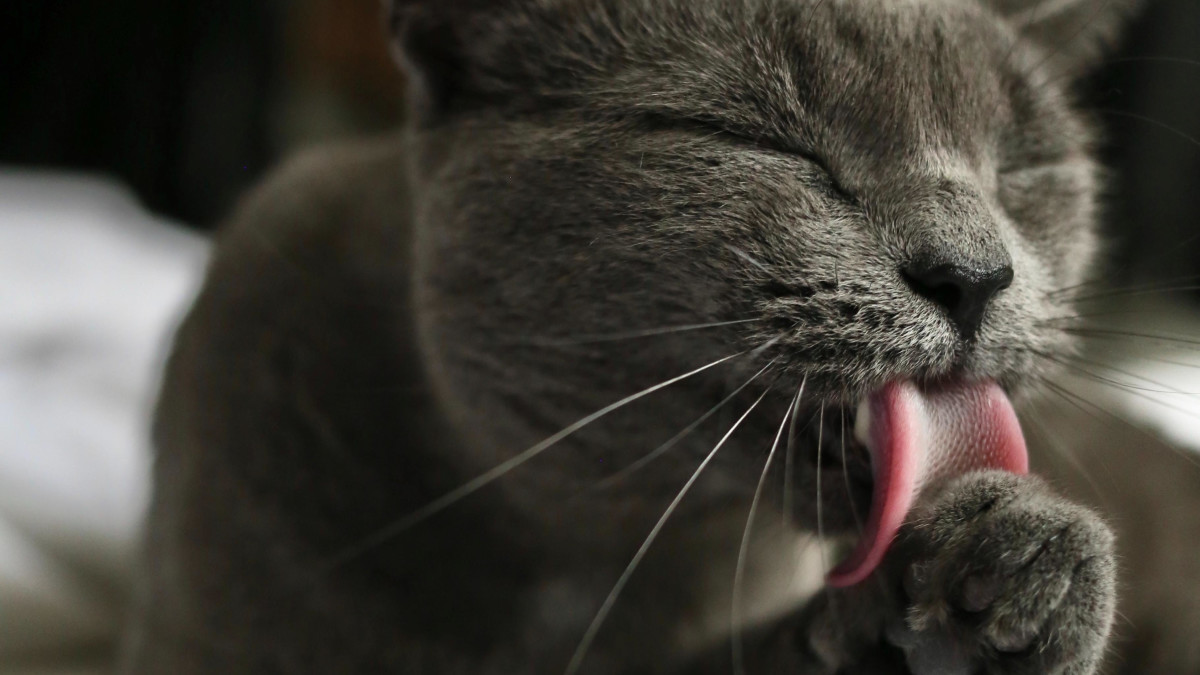
Cats use their tongue and teeth to clean their fur. Their tongues have tiny, rough surfaces that remove dirt and loose hair. Cats also bite gently to reach spots their tongues cannot clean well. They often lick first, then nibble softly on specific areas.
When Biting Is Gentle
Gentle biting feels soft, not painful. It does not cause wounds or bleeding. Cats use this light bite to pull out loose fur or remove small debris. If your cat’s skin looks healthy after grooming, the biting is likely normal.
Purpose Of Grooming Bites
- Remove loose or tangled fur
- Clean hard-to-reach places
- Stimulate blood flow to the skin
- Help with itchy or irritated spots
- Show self-care and comfort
Credit: www.kinship.com
Signs Of Excessive Biting
Excessive biting during grooming is a sign that your cat might be uncomfortable or stressed. Cats usually groom themselves to stay clean. But too much biting can cause problems. It is important to spot these signs early. This helps protect your cat’s health and comfort.
Identifying Overgrooming
Overgrooming means your cat spends too much time licking or biting. Watch for repeated biting in the same area. Your cat may focus on one spot more than usual. This behavior is different from normal grooming. It can signal pain, allergies, or stress.
Skin Damage And Hair Loss
Check your cat’s skin for red or irritated patches. Hair loss in small or large spots is a warning sign. The skin might look raw or swollen. Sometimes scabs or sores appear from constant biting. These signs show that biting is harmful, not just normal grooming.
Behavioral Changes
Your cat’s mood may change with excessive biting. It might seem more anxious or restless. Your cat could hide more or avoid playing. Sudden changes in behavior often link to discomfort or pain. These signs show your cat needs help and care.
Common Medical Causes
Noticing your cat biting himself during grooming can be worrying. Often, this behavior points to underlying medical issues that need your attention. Understanding these causes helps you act quickly to keep your feline friend comfortable and healthy.
Fleas And Parasites
Fleas are a top reason cats bite themselves. These tiny pests cause intense itching and irritation, pushing your cat to chew at the affected spots. Parasites like mites or ticks can also lead to similar discomfort.
If you see your cat scratching or biting frequently, look for signs like small black dots (flea dirt) or redness on the skin. Treating these parasites promptly can stop the biting and prevent further problems.
Allergic Reactions
Just like humans, cats can suffer from allergies. Your cat might react to certain foods, pollen, or even cleaning products. Allergies often cause itchy skin, making your cat bite or lick excessively.
Watch for swelling, redness, or hair loss in specific areas. Pinpointing the allergen often means adjusting diet or environment, which can greatly reduce the biting behavior.
Skin Infections
Bacterial or fungal infections on your cat’s skin can cause discomfort and lead to biting. These infections often arise from wounds, constant licking, or an existing skin condition.
Look for sores, scabs, or unusual odors. Your vet can diagnose and treat infections, helping your cat stop the painful biting and heal faster.
Pain Or Discomfort
Sometimes biting signals that your cat is in pain. Issues like arthritis, dental problems, or injuries might make certain areas sore. Your cat may bite or lick those spots to try easing the discomfort.
Notice if the biting happens more in one area or if your cat shows other signs of pain like limping or hiding. Getting a vet’s help can uncover hidden problems you might miss.
Psychological Factors
Cats often bite themselves during grooming due to psychological reasons. These behaviors go beyond simple cleaning. They can signal stress, boredom, or even mental health issues. Understanding these factors helps in managing your cat’s habits better.
Stress And Anxiety
Stress makes cats anxious and unsettled. They might bite their skin to soothe themselves. Changes in environment or loud noises can trigger stress. This biting can become a coping mechanism. It helps them feel a bit calmer for a short time.
Boredom And Lack Of Stimulation
Cats need mental and physical activity daily. Without enough play or attention, they get bored. Boredom can lead to self-biting as a way to pass time. This behavior fills the void left by missing stimulation. Interactive toys and regular playtime reduce this issue.
Compulsive Disorders
Some cats develop compulsive behaviors. These repeat actions feel uncontrollable to them. Self-biting can become a compulsive habit. It might cause skin damage or hair loss. Veterinary advice is important to treat this condition properly.
Environmental Triggers
Environmental triggers like dust, pollen, or strong smells can irritate a cat’s skin. This discomfort often causes cats to bite themselves while grooming. Watching for changes in their surroundings helps identify these triggers quickly.
Cats are sensitive creatures, and environmental triggers can significantly impact their grooming habits. Sometimes, these changes can lead to behaviors like biting themselves during grooming sessions. Understanding these triggers can help you create a more comfortable environment for your feline friend.Changes In Surroundings
Cats often thrive in stable environments. A new piece of furniture or rearranged room can unsettle them. Have you noticed your cat biting himself more after moving things around? It could be his way of expressing discomfort with his altered surroundings. Pay attention to his favorite spots and try to keep those areas consistent.New Pets Or People
The introduction of new pets or people can stress your cat. This stress might manifest as over-grooming or biting. Imagine how you’d feel if a stranger suddenly moved into your home. Your cat might feel the same. Monitor interactions and give your cat time to adjust. Offering separate spaces for your cat and new arrivals can ease this transition.Lack Of Safe Spaces
Every cat needs a sanctuary where they feel safe. If your home lacks these safe havens, your cat might resort to biting himself during grooming as a comfort mechanism. Think of these spaces as your cat’s personal hideaway. Ensure your cat has access to quiet areas where he can retreat and relax without interruptions. By recognizing and addressing these environmental triggers, you can help reduce your cat’s stress and promote healthier grooming habits. What changes can you make today to create a more soothing environment for your cat?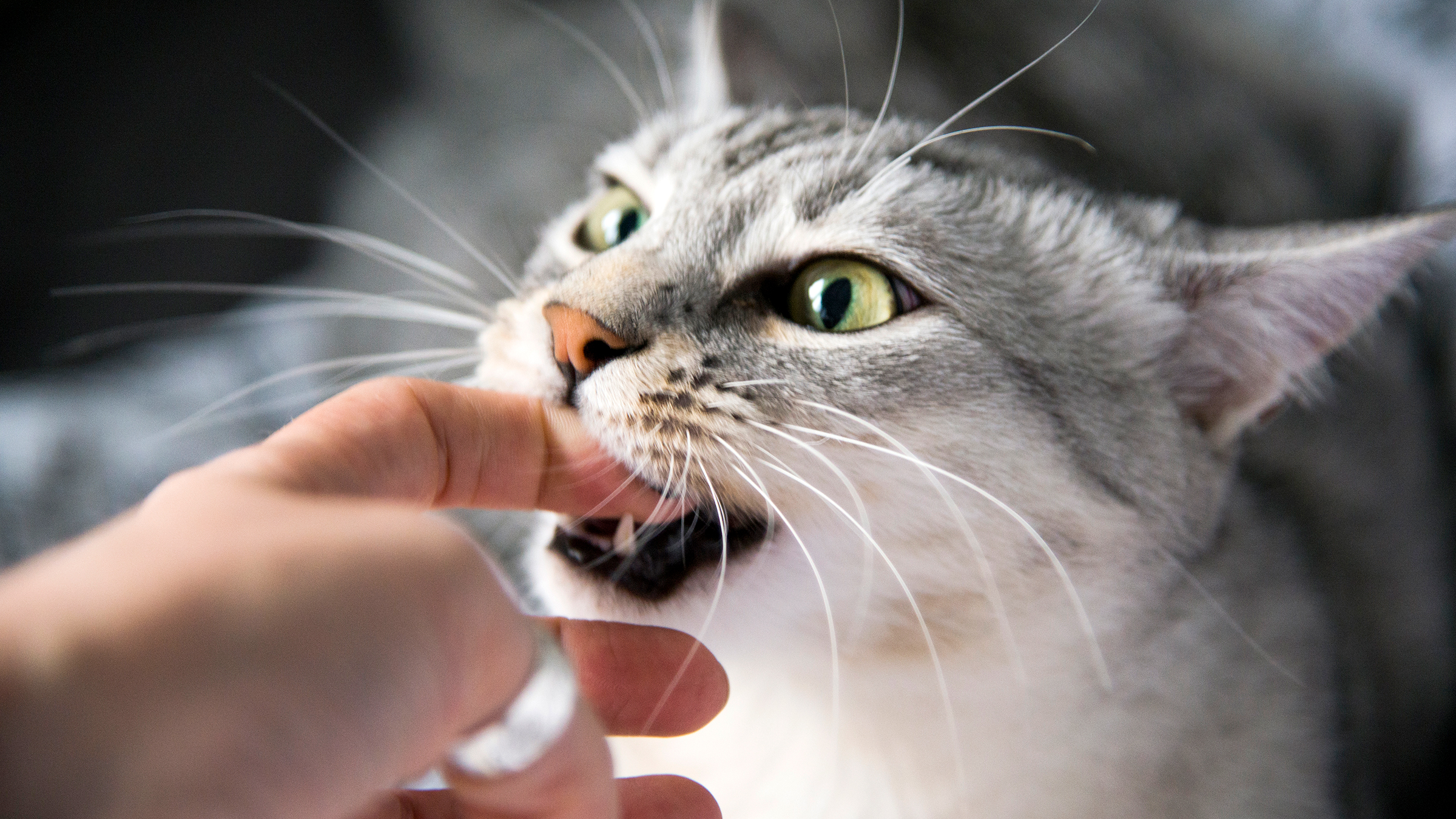
Credit: www.goodrx.com
When To See A Vet
Noticing your cat biting himself during grooming can be worrying. It’s important to know when this behavior signals a problem that needs professional attention. Ignoring the signs might allow an underlying issue to worsen, so understanding when to visit a vet is crucial for your cat’s well-being.
Assessing Severity
Look closely at your cat’s skin where the biting happens. Is there redness, swelling, or open sores? These signs mean the problem is more than just normal grooming.
Consider how often your cat bites himself. Occasional nibbling is normal, but constant or aggressive biting is a red flag. Also, watch for changes in behavior like restlessness or hiding.
Diagnostic Tests
Your vet may perform skin scrapings to check for parasites like mites or fleas. Blood tests can identify allergies or infections that cause itching and discomfort.
Sometimes, allergy testing or fungal cultures are needed to pinpoint the exact cause. Don’t hesitate to ask your vet about what tests they recommend and why.
Treatment Options
Treatment depends on the diagnosis. Parasite infestations require specific medications, while allergies might need diet changes or antihistamines.
In some cases, your vet may suggest soothing shampoos or topical creams to reduce irritation. Remember, timely treatment can prevent further pain and complications for your cat.
Home Remedies And Care
Cats may bite themselves during grooming due to itchiness, allergies, or skin irritation. Checking their skin and keeping it clean helps reduce discomfort and prevents harm. Observing their behavior closely can reveal if a vet visit is needed.
Cats are known for their meticulous grooming habits, but what happens when your furry friend starts biting himself during the process? While occasional nibbling is normal, excessive biting might indicate an underlying issue. Thankfully, there are simple home remedies and care tips you can employ to alleviate your cat’s discomfort and ensure a happy grooming experience.Improving Grooming Habits
Regular brushing can significantly reduce the chances of your cat biting himself. By removing loose fur and preventing tangles, you minimize skin irritation. Choose a brush that’s comfortable for your cat and incorporate it into a daily routine. Also, pay attention to the products you use. Some shampoos or conditioners might irritate your cat’s skin. Opt for hypoallergenic products specifically designed for cats to prevent any adverse reactions.Reducing Stress
Stress can exacerbate grooming-related biting. Creating a calm environment for your cat can make a world of difference. Consider providing a quiet, cozy space with familiar scents where your cat can retreat and relax. Interactive playtime is another effective stress-reliever. Engaging your cat with toys and games not only strengthens your bond but also distracts from any stress-induced grooming habits.Using Protective Gear
If your cat still struggles with excessive biting, protective gear like soft Elizabethan collars can be beneficial. These collars prevent your cat from reaching certain areas, allowing any irritated spots to heal. You might also explore using protective clothing. Some cats are comfortable wearing lightweight shirts or suits designed to deter licking and biting. Just make sure your cat feels comfortable and not restricted. Taking these steps can make a noticeable difference in your cat’s grooming behavior. Have you tried any of these techniques, or do you have your own tips? Share your experiences and let’s help our feline friends stay comfortable and content!
Credit: www.reddit.com
Preventing Self-biting
Preventing self-biting in cats is crucial for their health and happiness. Self-biting can cause wounds, infections, and stress. Taking simple steps can reduce or stop this behavior. Focus on your cat’s overall well-being through regular care and attention.
Regular Vet Checkups
Schedule regular visits to the vet to check your cat’s health. Vets can spot allergies, skin problems, or parasites causing discomfort. Early treatment prevents worsening of biting and scratching. Keep vaccinations and parasite control up to date for protection.
Environmental Enrichment
Provide toys, scratching posts, and interactive play to keep your cat busy. Boredom often leads to excessive grooming and biting. Create a stimulating environment with climbing areas and hiding spots. Rotate toys regularly to maintain interest and reduce stress.
Proper Nutrition
Feed a balanced diet to support your cat’s skin and coat health. Nutrient deficiencies can cause itching and irritation. Include omega-3 fatty acids and vitamins recommended by your vet. Fresh water should always be available to keep your cat hydrated.
Frequently Asked Questions
Why Does My Cat Bite Himself While Grooming?
Cats bite themselves during grooming to remove dirt, loose fur, and parasites. This behavior helps keep their coat clean and healthy.
Is It Normal For Cats To Bite Their Skin When Grooming?
Yes, gentle biting is normal and part of grooming. However, excessive biting might indicate irritation or skin problems.
Can Biting During Grooming Cause Harm To My Cat?
Occasional biting usually doesn’t harm cats. Excessive biting can cause wounds, infections, or hair loss, needing veterinary attention.
What Causes A Cat To Bite Aggressively While Grooming?
Aggressive biting may result from fleas, allergies, skin infections, or stress. Identifying the cause helps provide proper treatment.
Conclusion
Cats bite themselves during grooming for many reasons. Sometimes, they clean hard-to-reach spots or remove dirt. Other times, stress or skin problems cause them to bite more. Watching your cat’s behavior helps spot problems early. If biting seems painful or too frequent, a vet visit is wise.
Healthy grooming keeps cats happy and comfortable. Understanding this habit helps you care better for your pet. Keep observing and caring for your cat’s needs every day.


Leave a Reply