Have you ever felt your cat’s tongue scraping your skin, their tiny teeth nibbling you, and wondered, “Why does my cat aggressively groom me?” It might feel strange or even a little painful, but this behavior means more than just a messy kitty habit. Understanding why your furry friend grooms you so intensely can help you strengthen your bond and keep both of you happy.
Keep reading to discover the surprising reasons behind this unusual behavior and what it really says about your relationship with your cat.

Credit: basepaws.com
Cat Grooming Behavior
Cats spend a lot of time grooming themselves. Grooming is a natural behavior that keeps their fur clean and healthy. It also helps them stay calm and relaxed. Sometimes, cats groom their owners too. This might feel strange, especially if the grooming seems rough or aggressive. Understanding cat grooming behavior helps explain why your cat might lick or nibble you with extra energy.
Normal Grooming Patterns
Cats lick their fur to remove dirt and loose hair. They use their tongues to spread natural oils. This keeps their coat shiny and smooth. Grooming also cools them down and reduces stress. Cats usually groom several times a day. They may focus on certain spots like their face, neck, and belly. Grooming is a quiet and gentle process most of the time. It helps cats feel safe and comfortable in their space.
Social Grooming In Cats
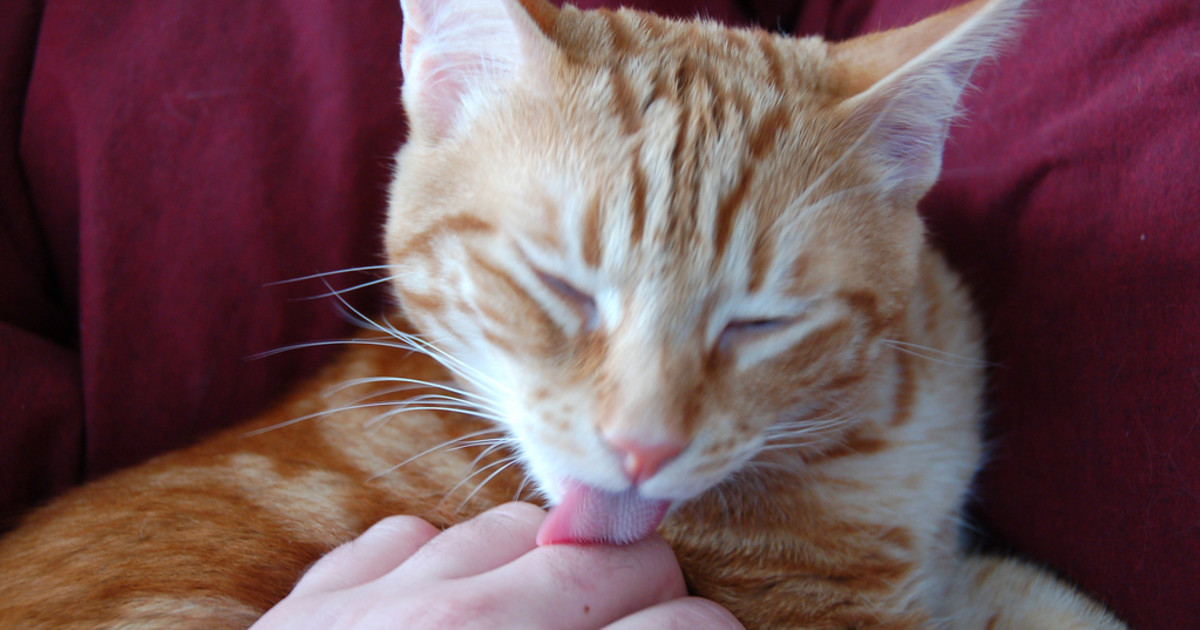
Social grooming is when cats groom each other or humans. It shows trust and friendship. Cats groom their family members to bond and share scents. This behavior creates a sense of belonging. Your cat grooming you means they see you as part of their group. Sometimes the grooming feels intense. The cat might lick hard or nibble your skin. This is their way of showing affection and care. Social grooming also calms cats and helps reduce tension between them.
Reasons For Aggressive Grooming
Cats may groom aggressively to show affection or mark their scent on you. Stress, anxiety, or health issues can also cause this behavior. Understanding your cat’s mood helps manage their grooming habits.
Understanding why your cat might be aggressively grooming you can be both puzzling and enlightening. Cats are known for their unique ways of communicating, and when they groom you with a little too much enthusiasm, they might be trying to tell you something important. Let’s explore some common reasons behind this behavior and what it might mean for your relationship with your feline friend.Marking Territory
Cats have scent glands in their mouths, and by grooming you, they might be marking you as part of their territory. This behavior is a sign of affection and trust. Your cat sees you as a member of their family and wants to make sure everyone knows it.Seeking Attention
Sometimes, aggressive grooming is simply your cat’s way of saying, “Hey, pay attention to me!” If you’ve been busy or distracted, your cat might use grooming as a way to grab your focus. Consider if you’ve been spending enough quality time with your furry friend lately.Stress And Anxiety
Just like humans, cats can experience stress and anxiety. Aggressive grooming might be a coping mechanism for them. Changes in their environment, like a new pet or moving homes, can trigger this response. Have there been any recent changes in your household that might be affecting your cat?Health Issues
In some cases, aggressive grooming can be a sign of underlying health issues. Cats might groom excessively if they’re experiencing skin irritations or allergies. It’s crucial to observe if this behavior is accompanied by other symptoms, such as changes in appetite or energy levels. If you’re concerned, a visit to the vet might be in order. Understanding your cat’s needs and behaviors can strengthen your bond and improve their well-being. If your cat’s grooming habits seem out of the ordinary, take a moment to assess what they might be trying to communicate.Signs Of Overgrooming
Noticing your cat grooming you aggressively might seem sweet at first, but it can signal something deeper. Overgrooming isn’t just about cleanliness; it can be a sign of stress, discomfort, or even health issues. Recognizing the signs early can help you protect both your skin and your cat’s well-being.
Physical Symptoms
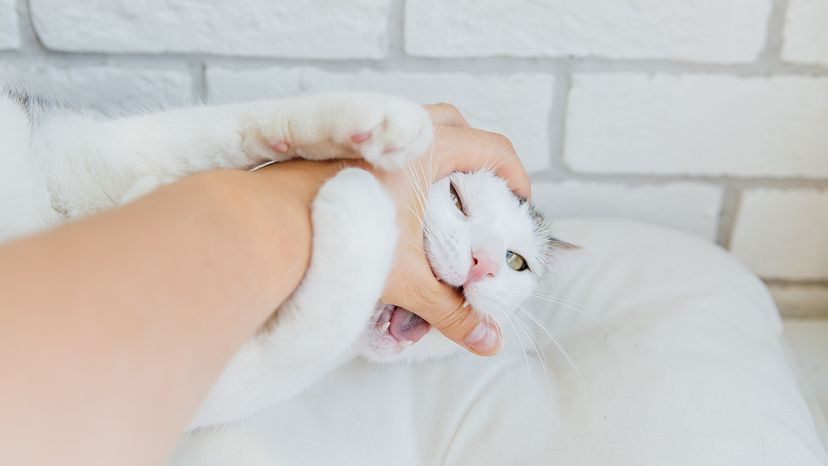
When your cat grooms you aggressively, your skin might start to show clear signs of irritation. Look for redness, small scratches, or even tiny scabs where your cat licks or nibbles frequently. Sometimes, the area might feel sore or tender to touch, which is a strong indicator that the grooming has gone beyond normal.
Have you noticed patches where the fur feels thinner or even missing? Your cat’s rough tongue can sometimes cause tiny abrasions, leading to discomfort for you. Pay attention to any swelling or unusual bumps, as these could mean your skin is reacting to constant licking.
Behavioral Changes
Your cat’s attitude might shift along with the grooming habits. If your feline friend suddenly becomes more clingy or obsessed with licking you, it could signal anxiety or a need for comfort. You might see them following you more often or insisting on grooming at unusual times.
On the flip side, your cat might grow restless or irritable if you try to stop the grooming. This behavior can show that the licking is linked to stress relief or a coping mechanism. Have you noticed your cat grooming you more after loud noises or changes in the environment? These behavioral changes are clues that overgrooming is more than just a habit.
Credit: animals.howstuffworks.com
How To Respond To Aggressive Grooming
Knowing how to respond to aggressive grooming helps keep your cat and you happy. Aggressive grooming may feel painful or uncomfortable. Handling it calmly makes a big difference. You can teach your cat to be gentle. It takes patience and clear signals from you.
Setting Boundaries
Show your cat which areas are off-limits. Pull away gently when your cat bites or scratches. Use a firm but soft voice to say “no” or “stop.” Avoid sudden movements that may scare your cat. Let your cat know that rough grooming is not okay.
Provide a safe spot for your cat to relax alone. This helps your cat calm down and feel secure. Consistency in your reactions helps your cat learn faster.
Redirecting Behavior
Offer toys or treats as distractions during grooming attempts. Use interactive toys to engage your cat’s attention elsewhere. Move your hand away if your cat becomes too rough. Reward gentle licking or grooming with praise or treats.
Try using a soft brush to groom your cat. This can satisfy your cat’s grooming urge without hurting you. Redirecting aggressive behavior into play helps reduce stress.
Providing Enrichment
Keep your cat busy with fun activities. Provide scratching posts, climbing trees, and puzzle feeders. These reduce boredom and lower aggressive behavior. Regular play sessions help your cat release energy positively.
Introduce new toys or rotate old ones to keep interest high. A tired cat is less likely to groom aggressively. Enrichment improves your cat’s mood and strengthens your bond.
When To Consult A Veterinarian
Aggressive grooming by your cat may signal a deeper issue. Knowing when to consult a veterinarian ensures your cat’s health and your safety. Early intervention can prevent stress and injury for both of you.
Identifying Medical Causes
A vet can check for skin problems like allergies or infections. Pain or discomfort may cause your cat to groom aggressively. Hormonal imbalances and neurological issues can also trigger this behavior. A physical exam and tests help find these problems.
Behavioral Therapy Options
Veterinarians can suggest behavioral therapies for your cat. They may recommend environmental changes to reduce stress. Training techniques can redirect your cat’s grooming habits. Medication might be prescribed to calm anxiety or compulsive behaviors.

Credit: www.reddit.com
Preventing Aggressive Grooming
Aggressive grooming by your cat can be stressful for both of you. Preventing this behavior helps keep your bond strong and peaceful. Simple steps can reduce your cat’s stress and redirect its energy in positive ways.
Creating A Calm Environment
Stress often causes aggressive grooming. A quiet, safe space can soothe your cat. Keep loud noises and sudden changes to a minimum. Soft bedding and cozy hiding spots make your cat feel secure. Use calming scents like lavender or chamomile. Avoid overcrowding your home with too many pets or people. These small changes help your cat relax and feel less anxious.
Regular Play And Interaction
Active play helps your cat release energy. Use toys like feather wands or laser pointers. Play sessions of 10 to 15 minutes several times a day work best. This keeps your cat mentally and physically satisfied. Gentle petting and praise also build trust. Avoid rough play that might excite your cat too much. Regular interaction reduces frustration and the urge to groom you aggressively.
Frequently Asked Questions
Why Is My Cat Aggressively Grooming Me?
Cats groom aggressively to show affection and mark you with their scent. It’s a bonding behavior that signals trust and comfort. Sometimes, it can be a sign of stress or overstimulation. Understanding your cat’s mood helps manage this behavior effectively.
Can Aggressive Grooming Mean Stress In Cats?
Yes, aggressive grooming can indicate stress or anxiety in cats. They may use grooming to self-soothe or cope with changes. If your cat grooms you too forcefully, watch for other stress signs and create a calm environment to reduce anxiety.
How Can I Stop My Cat’s Aggressive Grooming?
Redirect your cat’s attention with toys or gentle petting to reduce aggressive grooming. Set boundaries by gently moving away when grooming becomes too intense. Providing regular playtime and stress relief can help minimize this behavior.
Is Aggressive Grooming Harmful To Cats Or Owners?
Aggressive grooming is usually harmless but can irritate your skin. For cats, excessive grooming may cause hair loss or skin issues. Monitor the behavior and consult a vet if grooming seems compulsive or damaging to either party.
Conclusion
Aggressive grooming by your cat shows strong feelings. It can mean love, stress, or a need for attention. Watch your cat’s body language to understand better. Gently redirect your cat if grooming gets too rough. Patience helps build a calm, happy bond with your pet.
Keep learning about your cat’s habits and moods. This way, you create a safe space for both of you. Caring for your cat’s needs strengthens your friendship every day.


Leave a Reply