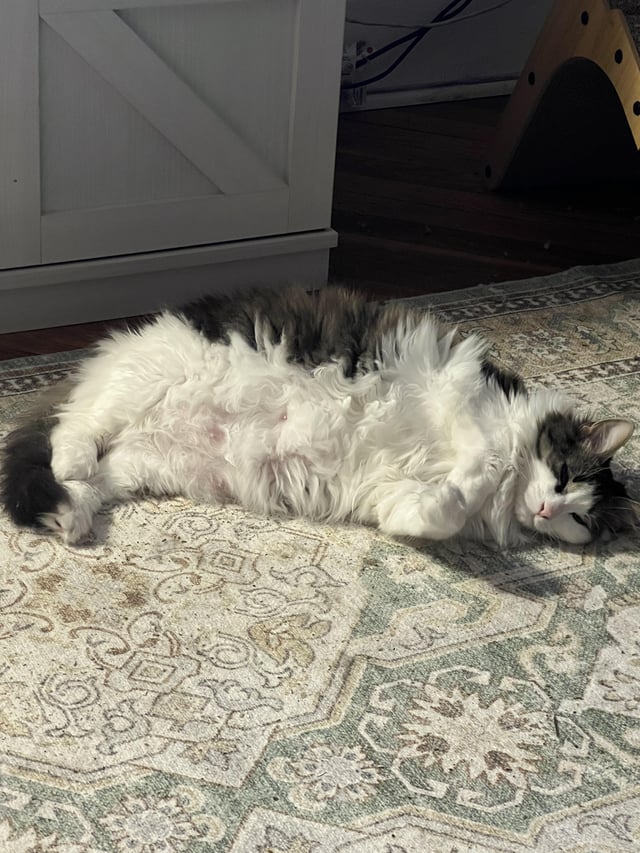
Have you ever noticed your cat licking or biting its fur more than usual? This behavior, called over grooming, can be more than just a quirk.
It might be a sign that your furry friend is stressed, uncomfortable, or even in pain. Understanding what over grooming means and why it happens can help you keep your cat happy and healthy. You’ll discover the key signs to watch for, the possible causes, and what you can do to help your cat feel better.
Keep reading to learn how to protect your pet from the hidden dangers of over grooming.
What Is Over Grooming
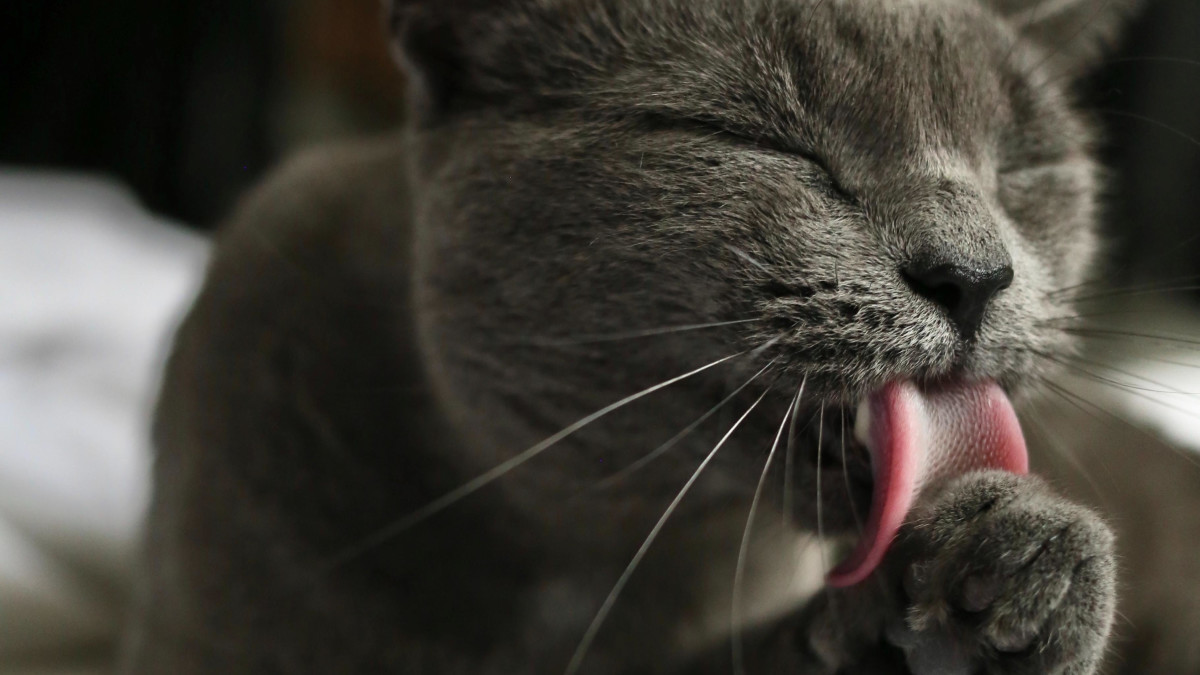
Over grooming in cats is a behavior where a cat grooms itself too much. Cats usually groom to clean their fur and skin. It helps them stay healthy and comfortable. But too much grooming can cause problems.
When a cat over grooms, it can lead to hair loss, skin irritation, and sores. This behavior can be a sign of stress, anxiety, or health issues. Knowing what over grooming looks like helps cat owners take quick action.
What Does Over Grooming Look Like?
Over grooming often shows as bald patches on the cat’s body. The cat may lick or bite the same spot repeatedly. The skin might become red or inflamed. Sometimes the cat’s fur looks uneven or patchy.
Why Do Cats Over Groom?
- Stress or anxiety
- Allergies or skin problems
- Parasites like fleas
- Pain or discomfort
- Boredom or lack of stimulation
Is Over Grooming Dangerous?
Yes. Over grooming can cause wounds and infections. It can also make your cat feel very uncomfortable. Treating the cause quickly is important to keep your cat healthy.
Common Causes
Over grooming in cats happens when they lick or chew themselves too much. It can cause hair loss and skin damage. Many different things can lead to this behavior. Understanding common causes helps in finding the right solution. Some causes are physical, while others relate to behavior or environment.
Stress And Anxiety
Cats feel stress from changes in their environment or routine. New pets, moving homes, or loud noises can upset them. Over grooming often acts as a way to cope. It helps them calm down but can harm their skin over time.
Allergies And Skin Issues
Allergies to food, dust, or pollen cause itching. Cats scratch and groom to relieve irritation. Skin problems like dryness or rashes also lead to over grooming. These conditions make the skin uncomfortable and sensitive.
Parasites And Infections
Fleas, mites, or ticks cause intense itching. Cats bite or lick to remove these pests. Bacterial or fungal infections worsen the irritation. Over grooming may result from the ongoing discomfort.
Behavioral Factors
Some cats groom excessively due to boredom or habit. Lack of playtime or attention triggers this. It becomes a repetitive action, similar to a nervous tic. Identifying these patterns helps in managing the behavior effectively.
Recognizing The Signs
Over grooming in cats can be a sign of underlying issues. Recognizing these signs early helps in addressing the problem effectively. Cats may over groom due to stress, allergies, or skin problems. It’s crucial to observe any changes in your cat’s grooming habits. Let’s explore some key signs of over grooming in cats.
Bald Patches And Hair Loss
Notice any bald spots on your cat’s body? This may indicate over grooming. Cats often remove hair by excessive licking, leading to these patches. Frequent bald spots demand immediate attention. They can signal underlying health concerns.
Redness And Irritation
Look for redness on your cat’s skin. This may suggest irritation from over grooming. Irritated skin is often sore and uncomfortable. Cats may lick or chew to ease the discomfort, worsening the condition.
Excessive Licking Or Chewing
Observe your cat’s grooming routine closely. Excessive licking or chewing is a telltale sign. Cats may focus on certain areas repeatedly. This behavior can lead to skin damage and infections. It’s essential to identify the cause and seek help.
Changes In Behavior
Behavioral changes often accompany over grooming. Your cat may become more withdrawn or anxious. It might avoid interactions or hide frequently. These changes can be distressing for both you and your pet. Understanding these signs can guide you in helping your cat. Monitoring your cat’s behavior is key to early detection.
Credit: pethelpful.com
Health Risks Of Over Grooming
Over grooming in cats can cause serious health problems. It is more than just a bad habit. Cats that groom too much can hurt their skin and affect their emotional well-being. Understanding these risks helps cat owners take better care of their pets.
Skin Damage And Infections
Excessive grooming often leads to skin damage. Cats may create bald spots or raw areas on their fur. These open wounds can become infected easily. Bacteria and fungi find a way into broken skin. Infections cause redness, swelling, and pain. Cats may lick even more due to irritation. This creates a cycle of damage and infection that worsens over time.
Emotional Impact On Cats
Over grooming can signal stress or anxiety in cats. It may be a way to cope with fear or boredom. This behavior can affect their mood and social life. Cats may become withdrawn or aggressive. They might avoid interaction with people or other pets. Chronic stress lowers their immune system. It also reduces their overall quality of life.
Treatment Options
Over grooming in cats can be distressing for both you and your feline friend. Finding the right treatment is essential to stop the behavior and help your cat heal. Treatment options vary depending on the cause, so understanding each approach helps you make informed decisions.
Veterinary Diagnosis
Before starting any treatment, a thorough veterinary exam is crucial. Your vet will check for skin infections, allergies, parasites, or pain that might cause over grooming. They may also run tests to rule out medical conditions hidden beneath the surface.
Have you noticed if your cat licks only certain spots or all over? This detail can guide the vet in pinpointing the problem.
Medications And Topicals
If your cat’s skin is infected or inflamed, your vet might prescribe antibiotics or antifungal medicines. Anti-inflammatory creams or sprays can reduce itching and discomfort quickly. In some cases, calming supplements or medications help ease anxiety-driven grooming.
Applying topical treatments regularly can be challenging, but it makes a big difference when done consistently. Try using gentle wipes or sprays that your cat tolerates well to avoid added stress.
Environmental Changes
Your cat’s environment plays a big role in their behavior. Adding more toys, scratching posts, or cozy hiding spots can reduce stress and boredom. Simple changes like keeping a routine, providing quiet spaces, or using pheromone diffusers often calm anxious cats.
Ask yourself: Does your cat have enough mental and physical stimulation every day? Small adjustments here can prevent over grooming from becoming a habit.
Behavioral Therapy
Sometimes, over grooming is a sign of emotional distress. Working with a cat behaviorist can identify triggers and teach you ways to redirect your cat’s attention. Reward-based training and interactive play sessions help your cat focus on positive activities instead of excessive licking.
Have you tried engaging your cat in new play routines or puzzle feeders? These can keep their mind busy and reduce the urge to over groom.

Credit: www.reddit.com
Preventing Over Grooming
Preventing over grooming in cats is important for their health and happiness. Over grooming can cause skin problems and hair loss. Taking steps early helps avoid these issues and keeps your cat comfortable.
Understanding what causes over grooming helps you protect your cat. Stress, health problems, and boredom often lead to this behavior. Addressing these areas can reduce the risk of over grooming and improve your cat’s quality of life.
Reducing Stress
Stress is a common cause of over grooming in cats. Create a calm and safe environment for your cat. Use quiet spaces and familiar scents to help them relax. Avoid sudden changes and loud noises that may scare your cat.
Provide hiding spots where your cat feels secure. Calm pets groom less and feel more comfortable daily.
Regular Vet Checkups
Regular vet visits catch health problems early. Skin infections, allergies, and parasites can cause over grooming. Your vet can diagnose and treat these issues quickly.
Keep up with vaccinations and parasite control. A healthy cat is less likely to groom excessively.
Proper Nutrition
Good food supports healthy skin and fur. Feed your cat balanced meals with essential nutrients. Omega-3 fatty acids help keep the coat shiny and skin moist.
A proper diet strengthens the immune system. Strong immunity lowers the chance of skin irritation and itching.
Interactive Play And Enrichment
Boredom leads to over grooming. Give your cat plenty of toys and activities. Play with your cat daily to use up excess energy.
Use puzzle feeders, scratching posts, and climbing trees. These keep your cat busy and mentally stimulated. Engaged cats groom less and feel happier overall.
Credit: www.preventivevet.com
Frequently Asked Questions
What Causes Over Grooming In Cats?
Over grooming in cats often results from stress, allergies, skin infections, or parasites. Behavioral issues like anxiety or boredom can also trigger this excessive grooming habit. Identifying the root cause helps in managing and treating the condition effectively.
How Can I Tell If My Cat Is Over Grooming?
Look for bald spots, red or irritated skin, and excessive licking or chewing. Over grooming usually causes hair loss and skin damage in localized areas. Monitoring your cat’s grooming behavior can help detect this problem early.
Is Over Grooming Harmful To Cats?
Yes, over grooming can cause skin infections, wounds, and hair loss. It may lead to discomfort and pain for your cat. Prompt intervention is necessary to prevent further physical and psychological harm.
Can Stress Cause Over Grooming In Cats?
Stress is a common cause of over grooming in cats. Changes in environment, new pets, or lack of stimulation can increase anxiety. Reducing stressors and providing enrichment often helps reduce excessive grooming.
Conclusion
Over grooming in cats can signal stress or health issues. Watch your cat’s behavior closely and act quickly. Providing comfort and care helps reduce over grooming. Regular vet visits keep your cat healthy and happy. Understanding your cat’s needs strengthens your bond.
Keep their environment calm and safe to prevent stress. Small changes can make a big difference for your pet. Stay patient and attentive to your cat’s signals. Over grooming is manageable with the right care and love.


Leave a Reply