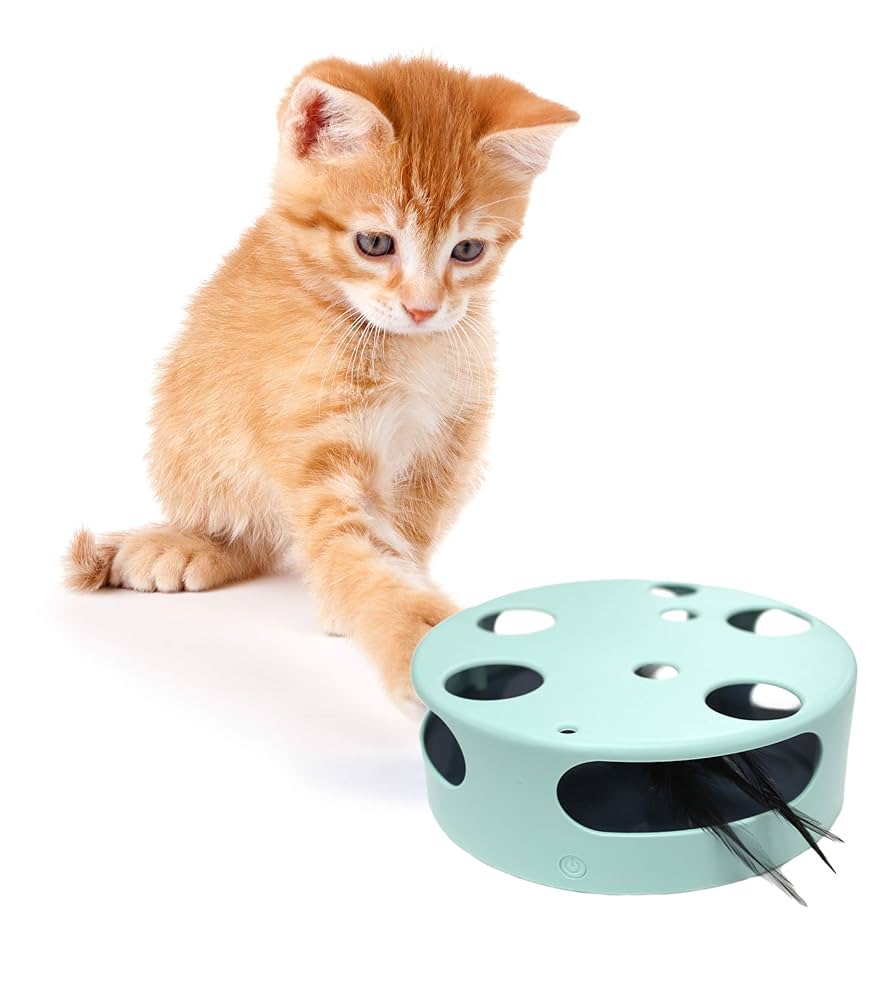
Have you ever found your cat’s toys scattered all over your home—in the kitchen, under the couch, or even in the bathroom? It can feel like your furry friend is playing a secret game that only they understand.
But why does your cat leave toys in such random places? Understanding this curious behavior can help you connect better with your pet and create a happier environment for both of you. Keep reading to discover the surprising reasons behind your cat’s toy-hiding habits and what they really mean.
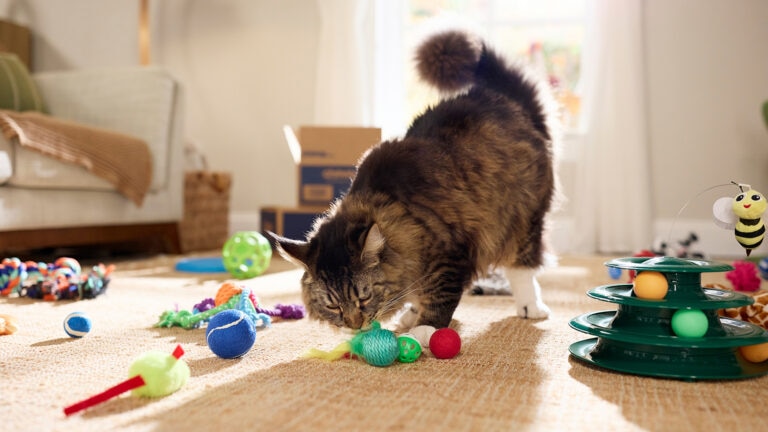
Credit: www.chewy.com
Cat Play Behavior
Understanding your cat’s play behavior can reveal a lot about why they leave toys scattered around your home. Cats don’t just play for fun—they express deep-rooted instincts and communicate in ways unique to their nature. Observing where and how your cat places their toys can offer clues about their mindset and needs.
Instinctual Hunting Habits
Cat play often mimics hunting behaviors. Your cat might leave toys in random spots as if they were caught prey. This is a natural way for them to practice stalking, capturing, and “killing” without the risks of real hunting.
Think about how your cat might drop a toy mouse near your sofa or by the door. They’re following a natural sequence: catch, kill, and stash. This behavior is deeply ingrained and helps satisfy their predatory instincts, even in a domestic setting.
Territory Marking
Toys left in various places can also serve as a way to mark territory. Cats use scent glands in their paws and cheeks to leave their scent on objects.
When your cat spreads toys around, they’re subtly marking areas they consider theirs. This can be especially true if you have multiple pets or a busy household. Have you noticed toys near entryways or favorite resting spots? Those might be your cat’s way of saying, “This is my space.”
Seeking Attention
Sometimes, your cat leaves toys out simply to get your attention. They quickly learn that placing toys where you’ll see them can lead to interaction, playtime, or treats.
If your cat drops a toy right by your laptop or on your bed, they might be inviting you to join their game. This behavior can be a gentle nudge to remind you that they want engagement. Have you ever found a toy in your shoes or on your pillow? That’s your cat’s way of saying, “Look at me!”
Toy Placement Patterns
Cats often place their toys in different spots around the house. This behavior shows unique patterns in how they handle their playthings. Understanding these patterns helps us learn more about cat habits and feelings. Cats do not just throw their toys everywhere without reason. Their toy placement has meaning and purpose.
Strategic Toy Stashing
Cats sometimes hide toys in special places. These spots are safe and quiet. Cats may want to keep their toys away from other pets or people. Stashing toys is a way cats protect their favorite items. It also shows their natural hunting instincts.
Random Scattering
Some cats scatter toys all over the floor. This looks like random mess but it is not. Scattering toys mimics how cats catch prey in the wild. They “spread out” their catch to enjoy playing with many items. This pattern shows their playful and curious nature.
Safe Zones For Toys
Cats often place toys in areas they feel safe. These safe zones are calm and familiar. Cats return toys to these spots after playing. It gives them comfort and a sense of control. Owners can notice these zones and add more toys nearby.
Emotional Reasons
Cats often leave their toys in random places for emotional reasons. These actions show how they feel inside. Understanding these feelings helps you connect better with your pet. Cats express love, fight boredom, and handle stress by moving their toys around.
Expressing Affection
Sometimes cats leave toys near you to show love. They want to share their favorite things. This is their way of saying, “I trust you.” Leaving a toy close means they feel safe and happy with you.
Relieving Boredom
Cats get bored easily without enough play. Moving toys around keeps their mind busy. They create little games by hiding or dropping toys. This behavior helps them stay active and entertained.
Stress And Anxiety
Stress makes cats act differently. Leaving toys scattered can be a sign of anxiety. It helps them feel more in control. Toys act like comfort objects during uneasy moments.
Environmental Influences
Environmental factors play a big role in why your cat leaves toys scattered around your home. The way your space is set up and the social dynamics in it influence your cat’s behavior more than you might realize. Understanding these influences can help you create a more harmonious space for both you and your furry friend.
Household Layout Impact
Your home’s layout affects where your cat decides to drop its toys. Cats often choose spots that feel safe or where they spend most of their time. If you have cozy corners, sunny windowsills, or quiet rooms, expect toys to appear there.
Open spaces might encourage your cat to carry toys further, while cluttered areas could limit their movement. Have you noticed if toys pile up near your cat’s favorite resting spot? This behavior shows how physical space guides their play and resting habits.
Interactions With Humans
Cats often leave toys in places where they get attention from you. If your cat drops a toy near you during your work or relaxation time, it might be a subtle way to engage you in play. This is their way of saying, “Look what I brought you!”
Think about moments when your cat’s toy delivery led to extra petting or playtime. These interactions reinforce the habit and encourage your cat to repeat it. How often do you join in when your cat presents a toy?
Presence Of Other Pets
Other pets in the home change how and where cats leave their toys. If your cat lives with dogs or other cats, they might stash toys away from the others to keep them safe. This behavior is a form of resource guarding, common in multi-pet households.
Sometimes toys become a way to mark territory or show ownership. Have you seen your cat retrieve toys from shared spaces or hide them in private spots? These actions reflect their need to manage social dynamics around playthings.
How To Respond
Cats often leave toys around to show their hunting skills or share their catch with you. Understanding this habit helps build a stronger bond and keeps playtime fun. Respond by praising their behavior or joining in the play to encourage positive interaction.
Cats often leave their toys in odd places, sparking curiosity. Understanding this behavior helps in responding effectively. Cats show affection through play, and toys are a part of that. How should you respond to this quirky habit? Here are some ways to engage with your cat positively.Encouraging Positive Play
Engage your cat with interactive toys daily. Use feather wands or laser pointers. This keeps them active and entertained. Rotate toys regularly to maintain interest. New toys stimulate their curiosity. Encourage play that mimics hunting. This satisfies their natural instincts. Reward them with treats after playtime. It reinforces good behavior and strengthens your bond.Managing Toy Clutter
Organize toys in a designated area. Use baskets or bins for storage. Rotate toys weekly to avoid clutter. This also keeps playtime exciting. Limit the number of toys available at once. It prevents overwhelming your cat. Clean toys regularly to ensure hygiene. Dirty toys can harbor germs. Dispose of damaged toys immediately. Safety should always be a priority.Using Toys For Bonding
Playtime is a bonding opportunity. Spend quality time with your cat. Use toys to create interactive games. Try fetch or hide-and-seek. Pay attention to your cat’s preferences. Some cats prefer different toy types. Adjust playtime to suit their mood. This builds trust and understanding. Celebrate small victories in play. It boosts your cat’s confidence and happiness.
Credit: www.amazon.com

Credit: www.reddit.com
Frequently Asked Questions
Why Do Cats Leave Toys In Random Places?
Cats leave toys scattered as part of their natural hunting behavior. It mimics catching prey and storing it. They also seek attention or show ownership by marking toys in different spots around your home.
Is Leaving Toys A Sign Of Cat Boredom?
Yes, cats may leave toys around when bored. They use toys to entertain themselves and explore. Providing interactive playtime can reduce this behavior and keep your cat mentally stimulated.
Does Cat Age Affect Toy Placement Habits?
Older cats might leave toys less frequently due to lower energy levels. Younger cats are more active and playful, often spreading toys around. Age influences how and where cats choose to leave their toys.
Can Leaving Toys Indicate Cat Stress Or Anxiety?
Sometimes, yes. Cats under stress may scatter toys to self-soothe or distract themselves. Observe other behaviors too. If your cat seems anxious, consult a vet for advice.
Conclusion
Cats leave toys in random places for many simple reasons. They like to show off their finds or keep them safe. Sometimes, it’s about marking their territory or just playing freely. This behavior reflects their natural instincts and playful nature.
Watching where your cat leaves toys can help you understand them better. It also adds a bit of fun to your daily routine. Enjoy these little quirks—they make your cat unique and lovable.




Leave a Reply