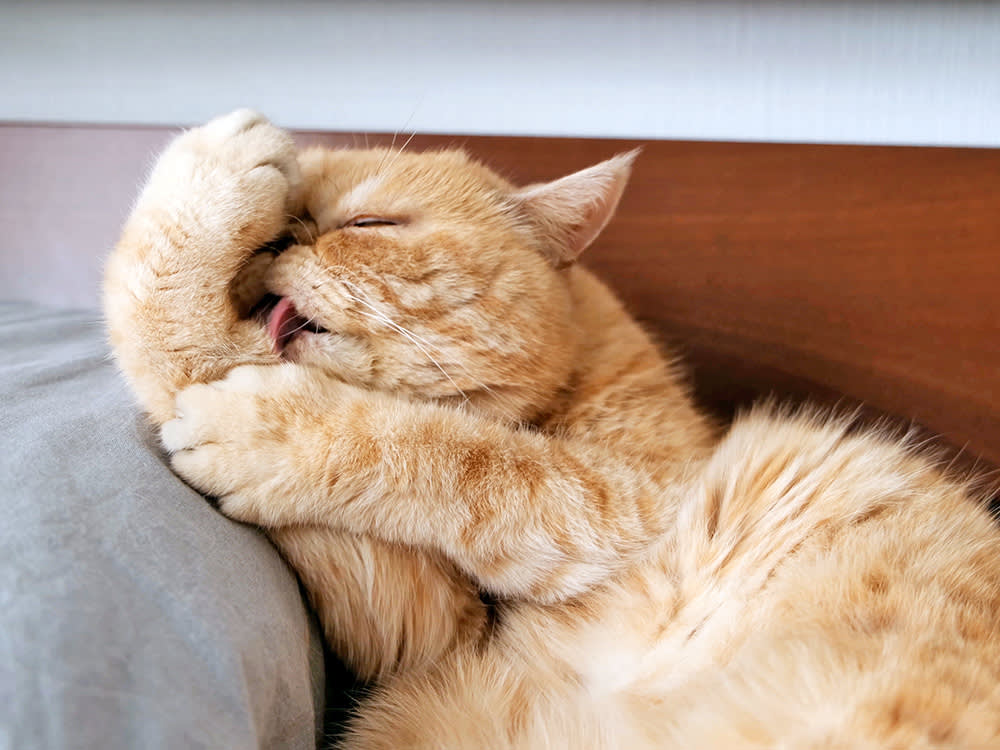
Have you ever watched your cat spend hours licking its fur and wondered, “Why does my cat groom so much?” It might seem like just a simple habit, but there’s more to it than meets the eye. Your cat’s grooming isn’t random—it’s a powerful way they stay healthy, feel comforted, and even communicate with you.
Understanding why your feline friend grooms so often can help you spot when something might be wrong and strengthen the bond you share. Keep reading to discover the surprising reasons behind your cat’s grooming ritual and what it means for their well-being.
Cat Grooming Basics
Understanding the basics of cat grooming can give you a clearer picture of why your feline friend spends so much time licking and cleaning themselves. Grooming is more than just keeping clean; it plays a vital role in their health and well-being. Let’s dive into how cats groom and how often they do it.
How Cats Groom
Cats use their tongues like tiny brushes. Their tongues have tiny, hook-like structures called papillae that help remove loose fur and dirt. This action also spreads natural oils across their coat, keeping it shiny and waterproof.
Besides licking, cats use their teeth to nibble and remove tangles or debris. They also use their paws to clean their faces and ears by licking their paws first, then rubbing the areas gently.
Have you noticed your cat sometimes grooming another cat or even you? This social grooming helps strengthen bonds and reduces stress. It’s their way of showing care and trust.
Frequency Of Grooming
Most cats groom themselves several times a day, often totaling up to 50% of their waking hours. This might seem like a lot, but it’s normal behavior. Younger cats and those with long hair tend to groom more frequently to avoid matting.
If your cat suddenly grooms less or more than usual, it could indicate health issues like skin problems or stress. Watching their grooming habits closely helps you spot problems early.
Does your cat seem obsessed with grooming one spot? That might mean irritation or pain in that area. Observing these details gives you clues about their health without needing a vet visit immediately.
)
Credit: www.northroadvet.com.au
Health Benefits Of Grooming
Cats spend a surprising amount of time grooming themselves, but this habit goes far beyond just looking neat. Grooming plays a crucial role in maintaining their overall health. Understanding these benefits can help you appreciate why your feline friend is so dedicated to their cleaning routine.
Skin And Coat Care
Grooming helps cats keep their skin healthy by removing dirt, oils, and dead hair. This constant maintenance prevents matting and reduces the risk of skin infections. Have you noticed how your cat’s coat often looks shinier and softer after a grooming session? That’s because grooming stimulates natural oils that protect the fur and skin.
Temperature Regulation
Your cat’s grooming routine also helps control their body temperature. When cats lick their fur, the saliva evaporates, providing a cooling effect—similar to how sweating works in humans. This is especially important during hot weather, but it also helps cats stay warm by spreading their fur evenly when it’s cold.
Parasite Control
Regular grooming acts as a frontline defense against pests like fleas and ticks. Cats use their tongues to detect and remove these parasites before they can cause serious problems. If you see your cat grooming intensely in one spot, it might be their way of trying to deal with an itch caused by a parasite. Have you checked your cat for signs of fleas lately?
Emotional And Social Reasons
Cats groom for more than just cleanliness. Their grooming habits often reveal deep emotional and social needs. Understanding these reasons can help you connect better with your feline friend and notice subtle changes in their behavior.
Stress Relief
Grooming acts like a natural stress reliever for cats. When your cat feels anxious or unsettled, they often lick their fur to calm themselves down. Have you noticed your cat grooming more after a loud noise or a new visitor?
This repetitive action helps release endorphins, which reduce stress. If your cat suddenly starts grooming excessively, it might be their way of coping with something stressful in their environment.
Bonding With Other Cats
Cats often groom each other to build and strengthen social bonds. This mutual grooming, known as allogrooming, is a sign of trust and friendship. If you have multiple cats, watch how they take turns licking each other’s fur—it’s their way of saying “you’re part of my family.”
Even if your cat is alone, they might groom as a way to seek social comfort. Have you ever felt calmer after a friendly touch? Grooming serves a similar purpose for cats.
Marking Territory
Grooming also helps cats mark their territory. When they lick themselves, they spread their unique scent over their fur. This scent tells other cats, “This space belongs to me.”
You might find your cat grooming more after meeting a new cat or exploring outside. It’s their way of reinforcing boundaries without confrontation. Do you think your cat feels the need to protect their space?
Credit: www.pumpkin.care
When Grooming Becomes Excessive
Cats are known for their meticulous grooming habits. Their frequent licking not only keeps them clean but also helps in reducing stress. However, there are times when grooming can become excessive, signaling underlying issues. Recognizing when your cat’s grooming habits shift from normal to excessive is crucial for their well-being.
Signs Of Overgrooming
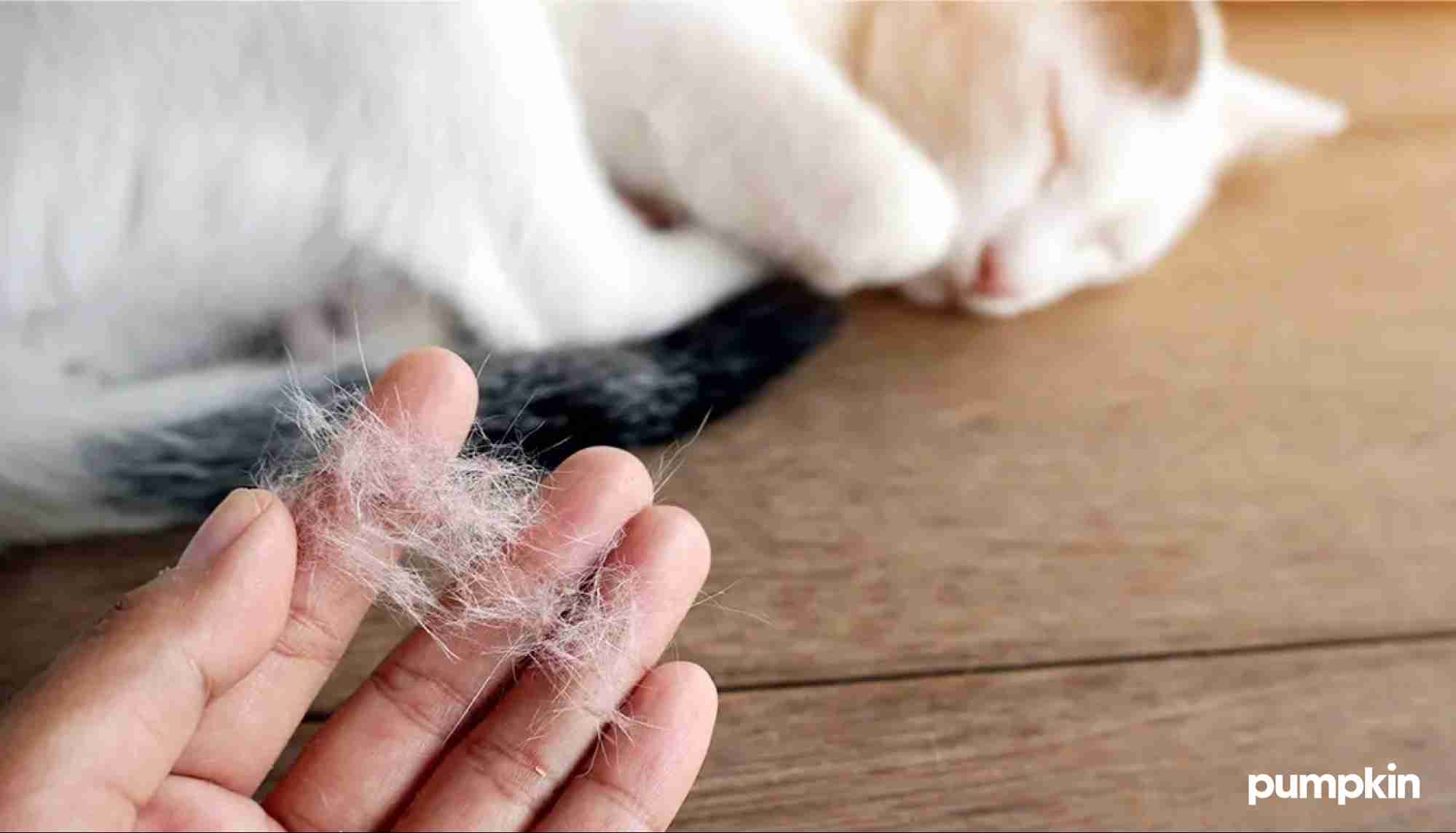
Excessive grooming can be identified through visible signs. Look for bald patches or thinning fur, which can indicate your cat is licking too much. If you notice inflamed skin or open sores, it’s time to consider that your cat may be overgrooming.
Changes in your cat’s grooming routine, such as increased frequency or intensity, are also key indicators. Pay attention to how often and how long your cat grooms itself. If it’s more than usual, it’s worth investigating further.
Medical Conditions
Health issues can trigger overgrooming in cats. Allergies, whether from food or the environment, can lead to itchy skin and excessive licking. Parasites like fleas or mites might also cause discomfort, prompting your cat to groom more than usual.
Sometimes, pain from underlying conditions such as arthritis can cause cats to lick excessively at painful areas. If you suspect a medical issue, consulting a veterinarian is essential. Early diagnosis can prevent more serious health problems down the line.
Behavioral Causes
Stress and anxiety are common behavioral causes of overgrooming. Changes in the household, such as moving or introducing a new pet, can unsettle your cat. Cats often groom to soothe themselves, so increased stress can lead to increased grooming.
Boredom is another factor. A lack of stimulation or play can result in your cat turning to grooming as a way to pass the time. Ensuring your cat has plenty of toys and interaction can help alleviate this behavior.
Is your cat grooming excessively because of a behavioral issue or a medical condition? Observing your cat’s habits and consulting with a vet can provide clarity. Understanding the root cause is key to helping your feline friend return to healthy grooming habits.
Helping Your Cat Groom Healthy
Helping your cat groom in a healthy way means supporting their natural habits while watching out for any signs that something might be wrong. Grooming isn’t just about cleanliness; it’s also a way for your cat to relax and feel comfortable. You can make a big difference by understanding what your cat needs to keep this routine safe and beneficial.
Creating A Comfortable Environment
Your cat’s grooming can be affected by how comfortable they feel in their surroundings. Make sure their favorite spots are quiet, cozy, and free from sudden noises or disturbances. Cats often groom more when they feel safe, so adding soft bedding and gentle lighting can encourage a calm grooming session.
Have you noticed your cat avoiding certain areas? Sometimes, uncomfortable furniture or drafts can make them restless. Adjust these elements to see if their grooming habits improve.
Regular Vet Checkups
Frequent grooming might hide health problems like skin issues or parasites. Regular vet visits help catch these problems early before they become serious. Your vet can also check for allergies or infections that cause excessive licking or scratching.
Think about scheduling a checkup if your cat suddenly grooms much more than usual. It’s often a sign they need medical attention rather than just extra comfort.
Managing Stress And Anxiety
Stress can cause your cat to groom excessively or stop grooming altogether. Changes in your home, new pets, or loud noises can all trigger anxiety. To help, keep a steady routine and offer plenty of attention and playtime to distract your cat from stress.
Have you tried pheromone diffusers or calming treats? These can sometimes reduce anxiety and balance grooming behaviors. Notice what relaxes your cat and make those a regular part of their day.

Credit: www.latimes.com
Frequently Asked Questions
Why Do Cats Groom Themselves So Frequently?
Cats groom often to keep their fur clean, remove parasites, and regulate body temperature. Grooming also reduces stress and strengthens their bond with other cats.
Can Excessive Grooming Harm My Cat’s Health?
Yes, too much grooming can cause hair loss and skin irritation. It may indicate stress, allergies, or medical issues requiring a vet’s attention.
How Does Grooming Benefit A Cat’s Skin And Fur?
Grooming spreads natural oils, keeping fur soft and shiny. It also removes dirt and dead skin cells, promoting healthy skin and coat.
Is Grooming A Sign Of Cat Stress Or Anxiety?
Yes, cats may groom excessively when stressed or anxious. Observing behavior and environment can help identify triggers and reduce their stress.
Conclusion
Cats groom a lot to keep clean and healthy. Grooming helps them remove dirt and loose fur. It also cools them down on hot days. Sometimes, grooming shows they feel safe and calm. Too much grooming can mean stress or health issues.
Watch your cat’s habits to spot any problems early. Understanding why cats groom helps you care for them better. Their grooming is a natural, important part of their daily life. Keep your cat happy by supporting this healthy habit.

Leave a Reply