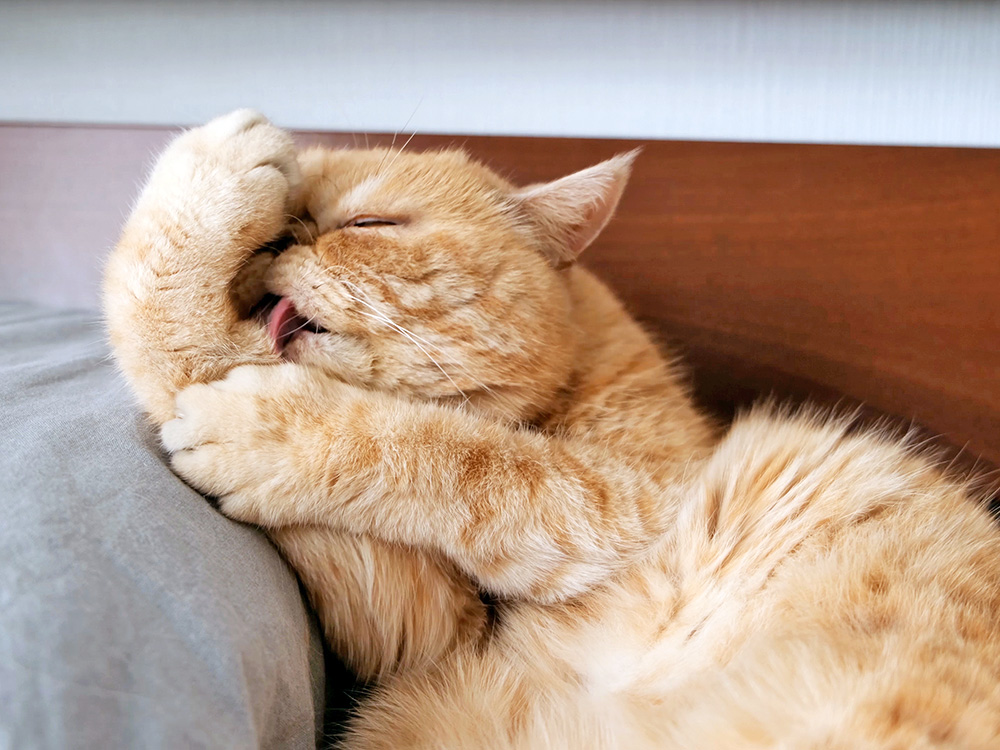
Have you ever noticed your cat suddenly stop grooming itself? It can be worrying to see your usually clean and tidy feline friend neglect their self-care.
You might wonder if something is wrong or if this change means a bigger problem. Understanding why your cat stops grooming is important for their health and happiness. You’ll discover the common reasons behind this behavior and what you can do to help your furry companion feel better.
Keep reading to find out how to keep your cat comfortable and healthy.

Credit: www.reddit.com
Common Grooming Habits In Cats
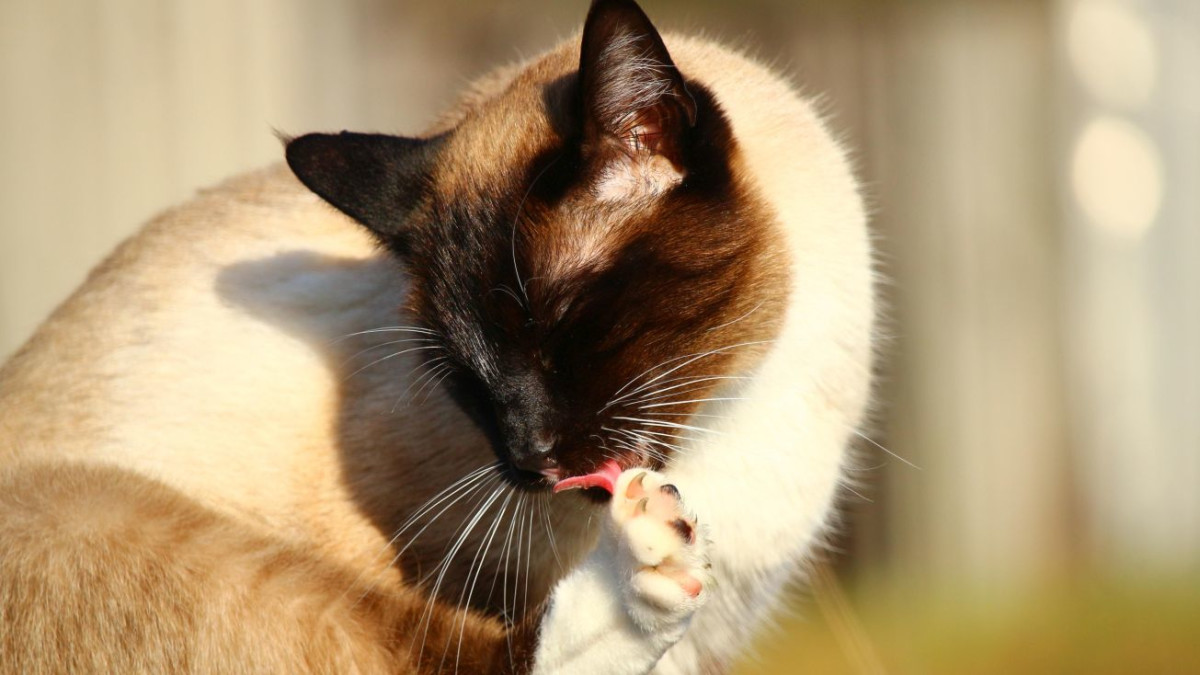
Cats are known for their meticulous grooming habits, which play a big role in their daily routine. Understanding these habits helps you recognize when something might be off. You might wonder why your usually tidy cat suddenly stops grooming itself.
Normal Grooming Frequency
Most cats spend about 30-50% of their waking hours grooming. This means your cat could be licking, nibbling, or brushing its fur several times a day. Grooming sessions often last a few minutes but happen regularly throughout the day.
Some cats groom more frequently than others, depending on factors like age, health, and personality. Younger cats tend to groom more often, while older cats might slow down. Have you noticed any changes in how often your cat cleans itself?
Benefits Of Self-grooming
Self-grooming helps cats stay clean and remove loose fur, dirt, and parasites. It also distributes natural oils, keeping their coat shiny and healthy. Beyond cleanliness, grooming is a way for cats to relax and reduce stress.
Grooming stimulates blood flow and can even help regulate body temperature. When your cat grooms, it’s not just about looking good—it’s about feeling good too. If your cat stops grooming, it could signal discomfort or stress that needs your attention.
Physical Health Issues
Cats usually groom themselves to stay clean and healthy. When a cat stops grooming, it can signal physical health problems. These issues often make grooming painful or difficult. Understanding these health concerns helps in spotting when your cat needs help.
Skin Conditions And Allergies
Skin problems cause discomfort that stops cats from grooming. Dry, itchy, or inflamed skin can make grooming painful. Allergies to food or the environment also cause skin irritation. Cats with fleas or mites may stop grooming due to constant itching. Untreated skin issues can worsen quickly without care.
Dental Problems
Dental pain can affect a cat’s ability to groom. Issues like tooth decay or gum disease cause mouth pain. Cats may avoid grooming to reduce discomfort. Difficulty chewing food may also indicate dental problems. Regular dental checks keep cats comfortable and grooming well.
Arthritis And Mobility Challenges
Arthritis makes joint movement painful and stiff. Older cats often struggle to reach certain body parts. This limits their grooming routine. Mobility problems from injury or illness also reduce grooming ability. Providing gentle care and support helps cats stay clean despite mobility issues.
Emotional And Behavioral Factors
Cats are known for their grooming habits. They spend hours keeping their fur clean. But sometimes, they stop grooming themselves. This can be due to emotional and behavioral factors. Understanding these factors is crucial for cat owners. It helps in identifying the cause and finding a solution.
Stress And Anxiety
Stress can affect a cat’s grooming habits. Loud noises or new pets can cause stress. Cats may stop grooming if they feel anxious. Observe their behavior closely. Look for signs like hiding or aggressive behavior. Reducing stress can help improve their grooming habits.
Depression In Cats
Cats can suffer from depression. It might seem surprising, but it’s true. A depressed cat may lose interest in grooming. Other signs include lethargy and loss of appetite. If depression is suspected, a vet can provide guidance. They may suggest therapy or medication.
Changes In Environment
Changes can unsettle a cat. Moving to a new home or rearranging furniture might upset them. Cats are creatures of habit. Any change can disrupt their routine. This may lead them to stop grooming. Try to maintain a stable environment for them.
Age-related Changes
As cats grow older, their grooming habits often change. Age affects their body and behavior. These changes can cause a cat to stop grooming itself as often as before. Understanding these shifts helps pet owners care better for senior cats.
Senior Cat Grooming Patterns
Older cats tend to groom less frequently. Their fur may look dull or messy. They might miss spots while cleaning. This change is normal but can also signal health issues. Watching a senior cat’s grooming habits helps spot problems early.
Impact Of Aging On Flexibility
Aging reduces a cat’s flexibility. Joints become stiff and sore. This makes reaching certain body parts hard. Pain may stop a cat from grooming well. Arthritis is common and affects movement. Less grooming can lead to skin problems or mats in fur.
External Influences
External influences can significantly impact your cat’s grooming habits. If your cat suddenly stops grooming itself, it might be reacting to factors outside its body. Understanding these influences can help you spot issues early and support your cat’s health better.
Parasites And Infections
Parasites like fleas, ticks, or mites irritate your cat’s skin, making grooming uncomfortable or even painful. You might notice your cat scratching excessively or developing bald patches. Sometimes, infections follow these infestations, causing inflammation that discourages your cat from grooming.
If you see your cat avoiding its usual grooming routine, check for signs like redness, scabs, or unusual odors. Have you ever noticed your cat suddenly restless or scratching more than usual? These could be clues pointing to parasites or infections.
Recent Medical Treatments
After medical treatments such as surgery or medication, your cat may stop grooming due to discomfort or side effects. Pain, sedation, or restricted movement can make self-grooming difficult.
Consider if your cat has recently visited the vet or started new medication. You might find your cat licking the treated area less because it hurts, or it could be too weak to groom thoroughly. Have you observed any changes after a vet visit?
Environmental Allergens
Allergens like pollen, dust, or certain cleaning products can irritate your cat’s skin and cause it to avoid grooming. These allergens may lead to itchy skin, rashes, or sneezing, making grooming uncomfortable.
Think about any recent changes at home—new plants, air fresheners, or cleaning agents. Has your cat been rubbing against furniture or scratching more? These behaviors might indicate an allergic reaction affecting its grooming habits.
When To Seek Veterinary Help
Cats usually groom themselves daily to stay clean and healthy. When a cat stops grooming, it may signal a health problem. Knowing when to seek veterinary help can protect your pet. Early care can prevent serious issues and improve your cat’s comfort.
Warning Signs To Watch For
- Mattes or clumps in the fur
- Strong odor from the coat
- Visible skin wounds or redness
- Excessive scratching or licking
- Changes in behavior or appetite
- Sudden weight loss or gain
- Difficulty walking or moving
- Lethargy or hiding more than usual
Diagnostic Tests And Procedures
The vet will start with a physical exam. They check the skin, coat, and overall health. Blood tests help spot infections or organ problems. Skin scrapings find parasites or fungal infections. X-rays or ultrasounds may be needed to see internal issues. Sometimes, a biopsy of skin tissue is required for a clear diagnosis.
Treatment Options
Treatment depends on the cause behind the grooming stop. Parasites need topical or oral medicines. Skin infections require antibiotics or antifungal drugs. Pain or arthritis may need anti-inflammatory drugs. Nutritional support helps improve coat health. Regular baths or grooming may be recommended. Follow the vet’s instructions closely for best results.
Supporting Your Cat’s Grooming Needs
Supporting your cat’s grooming needs is crucial when you notice your feline friend has stopped grooming itself. Cats rely on grooming not only for cleanliness but also for comfort and health. Understanding how you can assist your cat will help maintain their well-being and strengthen your bond.
Regular Brushing Techniques
Brushing your cat regularly helps remove loose fur and prevents matting, especially if your cat’s grooming has declined. Use a brush suited for your cat’s coat type—soft bristle brushes for short-haired cats and slicker brushes for long-haired breeds work well.
Start brushing gently and observe your cat’s reaction. If your cat enjoys it, increase the duration gradually. Make brushing a calm routine, perhaps after playtime, so your cat associates it with positive moments.
Creating A Stress-free Environment
Stress can cause a cat to stop grooming. Look at your cat’s surroundings—are there loud noises, new pets, or changes in routine? Small adjustments like providing quiet spaces and consistent schedules can make a big difference.
Consider adding calming elements such as pheromone diffusers or cozy hiding spots. Ask yourself: Does your cat have a safe place to retreat? Helping your cat feel secure can encourage them to resume grooming.
Diet And Nutrition Tips
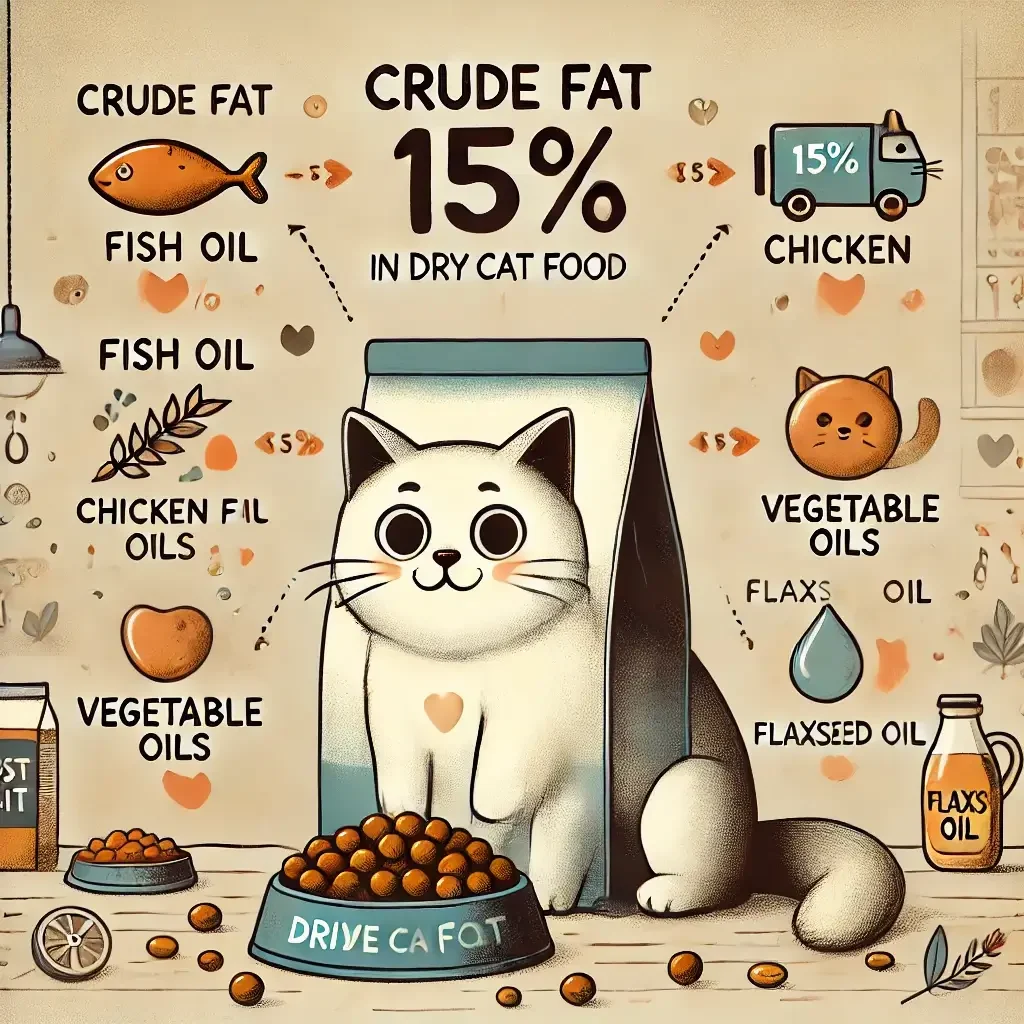
Nutrition plays a key role in your cat’s skin and coat health. Feeding a balanced diet rich in omega-3 and omega-6 fatty acids can improve fur quality and reduce itching or irritation that might stop grooming.
Consult your vet about supplements or diet changes if your cat’s coat looks dull or patchy. Have you checked if your cat’s food meets all their nutritional needs? Proper diet supports not just grooming but overall vitality.
Credit: pethelpful.com

Credit: weareallaboutcats.com
Frequently Asked Questions
Why Does My Cat Suddenly Stop Grooming Itself?
Cats may stop grooming due to illness, pain, or stress. Skin infections, arthritis, or dental issues can cause discomfort. Behavioral changes or anxiety might also reduce grooming habits. Observing other symptoms and consulting a vet helps identify the cause and ensure proper care.
Can Stress Cause A Cat To Stop Grooming?
Yes, stress can disrupt a cat’s grooming routine. Changes in environment, new pets, or loud noises increase anxiety. Stress leads to neglecting self-care, which affects coat health. Reducing stressors and providing a calm space encourages normal grooming behaviors.
How Do Health Issues Affect A Cat’s Grooming Habits?
Health problems like arthritis, obesity, or dental pain hinder grooming. Cats may avoid difficult-to-reach spots due to discomfort. Skin infections or parasites also cause grooming changes. Regular vet check-ups help detect and treat these conditions early.
Is It Normal For Older Cats To Groom Less Often?
Yes, older cats often groom less due to joint pain or reduced flexibility. Aging affects their ability to clean hard-to-reach areas. Providing gentle grooming assistance supports their hygiene and comfort as they age.
Conclusion
A cat stopping grooming itself can signal health issues. Stress, pain, or illness often cause this change. Watch your cat closely for other signs. Regular grooming keeps cats clean and healthy. A visit to the vet may be needed. Early care helps your cat feel better fast.
Remember, attention and love support your pet’s well-being. Keep grooming habits in mind to catch problems early. Your cat relies on you for care and comfort.

Leave a Reply