Are you curious about which domestic cats are big enough to make a real impression? If you love cats but want one that stands out with its size and presence, you’re in the right place.
Big cat breeds aren’t just about looks—they come with unique personalities and traits that might surprise you. Keep reading to discover some of the most impressive large domestic cat breeds that could be the perfect match for your home and heart.
Large Cat Breeds
Large cat breeds often surprise people with their impressive size and gentle nature. These cats combine strength with friendliness, making them great companions for those who want a pet with both presence and personality. If you’ve ever wondered which domestic cats grow big but stay affectionate, these breeds are worth knowing.
Maine Coon
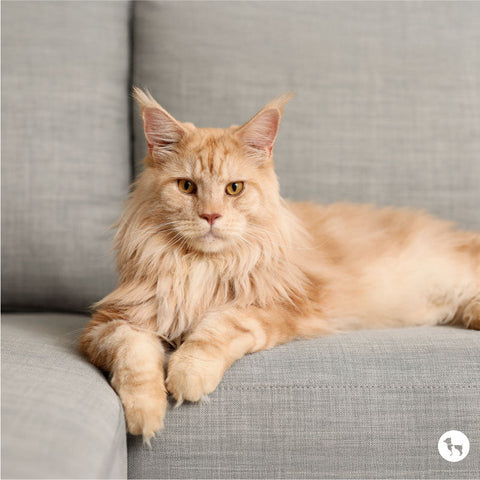
The Maine Coon is one of the largest domestic cat breeds, known for its sturdy build and tufted ears. They can weigh up to 18 pounds or more, yet they move with surprising grace. Many owners say Maine Coons feel like a small dog—always ready to follow you around or play fetch.
Savannah Cat
Savannah Cats are a mix of domestic cats and wild African servals, which gives them a striking look and tall, lean frame. They often grow taller than average cats, sometimes reaching 17 inches at the shoulder. Their curious and active nature means they need plenty of space to explore.
Norwegian Forest Cat
With a thick, water-resistant coat, Norwegian Forest Cats are built for cold climates and grow large to match. They have strong muscles and can weigh between 12 to 16 pounds. If you want a cat that looks like it stepped out of a fairy tale, this breed might catch your eye.
Ragdoll
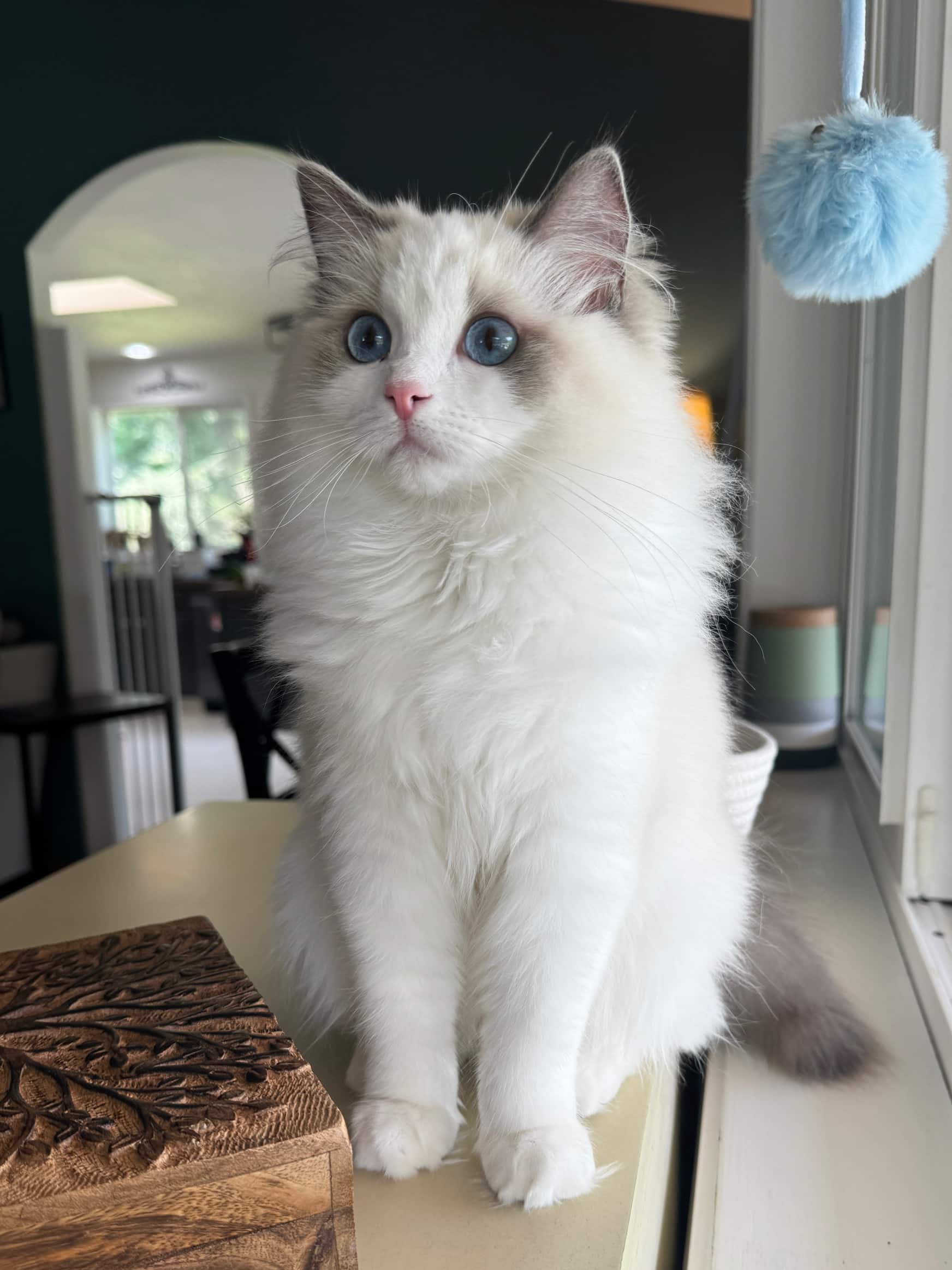
Ragdolls get their name from their tendency to go limp when you hold them, but don’t let that fool you—they’re large and robust. These cats can easily weigh 15 to 20 pounds. They are known for their calm demeanor and love being close to their humans.
Siberian Cat
Siberians are muscular and agile, with a thick triple coat that protects them in harsh weather. They usually weigh between 15 and 20 pounds, making them one of the larger domestic breeds. Their playful and affectionate nature makes them a favorite among families.
Which of these big breeds fits your lifestyle best? Size isn’t everything, but these cats show that big can also mean loving and loyal.

Credit: worldanimalfoundation.org
Physical Traits Of Giant Cats
Giant domestic cats are impressive with their large size and striking looks. Their physical traits set them apart from regular cats. These features make them stand out in any room or home. Understanding these traits helps cat lovers appreciate their unique beauty and care needs.
Size And Weight
Giant cats can weigh between 15 to 25 pounds or more. They often have a muscular and sturdy build. These cats appear much larger than typical house cats. Their long bodies and big paws add to their size. Some breeds grow very tall, reaching up to 16 inches at the shoulder.
Coat And Colors
Their coats vary from short to long and fluffy. Common coat colors include brown, black, white, and gray. Many have patterned fur such as spots or stripes. Thick fur helps them stay warm in cooler climates. Their coat texture can be soft and silky or dense and plush.
Distinctive Features
- Large, expressive eyes that capture attention
- Broad heads with strong jaws
- Long, tufted ears in some breeds
- Thick, bushy tails that balance their size
- Strong legs built for powerful movement
These features give giant cats a wild, majestic look. They blend beauty and strength in one package.
Temperament And Behavior
Big domestic cat breeds often have gentle and calm temperaments. They enjoy social time and can be playful yet relaxed. These cats usually adapt well to family life and show loyal behavior.
Understanding the temperament and behavior of big domestic cat breeds is crucial for anyone considering welcoming one of these gentle giants into their home. These cats can vary greatly in personality, interaction styles, and activity levels, making each breed unique in its own way. Let’s dive into what you can expect from these charming felines.Personality Traits
Big cat breeds often have distinct personality traits that set them apart. Many, like the Maine Coon, are known for their gentle and affectionate nature. They are often described as “dog-like” due to their loyalty and companionship. Some breeds, such as the Ragdoll, are famous for their laid-back demeanor. These cats enjoy being held and will often go limp in your arms, living up to their name. However, not all big cats are the same—some may be more independent and prefer their own space.Interaction With Humans
Big domestic cats are generally known for their sociable nature. They often enjoy interacting with humans and can become quite attached to their owners. These cats may follow you around the house or greet you at the door, eager for some attention. A personal experience: I once owned a Norwegian Forest Cat who would always wait by the window for me to return home, chirping excitedly when I walked through the door. Such behaviors make these cats wonderful companions. However, it’s important to understand that each cat is an individual, and their level of interaction can vary. Spending time with your cat to understand their preferences is key.Activity Levels
Despite their size, many big domestic cats are quite playful and active. Breeds like the Bengal are known for their high energy and love for climbing and exploring. Providing plenty of toys and opportunities for exercise can help keep them happy and healthy. On the other hand, some breeds like the British Shorthair are more laid-back and prefer lounging over high-energy activities. Understanding your cat’s activity level can help you create a suitable environment that caters to their needs. Consider this: Does your home have enough space for a large cat to roam and play? Providing the right environment can greatly enhance your cat’s quality of life. In conclusion, knowing the temperament and behavior of big domestic cat breeds can help you better understand and care for your feline friend. Whether you’re drawn to a playful Bengal or a cuddly Ragdoll, there’s a perfect match for every cat lover.
Credit: www.moneycontrol.com
Care Tips For Big Cats
Big domestic cats like Maine Coons, Norwegian Forest Cats, and Ragdolls need special care to keep them healthy and happy. Their size means they have unique needs compared to smaller cats. Paying attention to their diet, exercise, and grooming can make a big difference in their quality of life.
Diet And Nutrition
Big cats require a balanced diet rich in protein to support their muscle mass. Choose high-quality cat food formulated for large breeds or active cats.
Watch their weight carefully. Overfeeding can lead to obesity, which puts extra strain on their joints.
- Provide fresh water at all times.
- Include wet food to help with hydration.
- Consult your vet about supplements like omega-3 for coat health.
Exercise Needs
Large cats need daily physical activity to avoid boredom and maintain muscle tone. You can create play routines with toys like feather wands or laser pointers.
Consider vertical space like cat trees or shelves to encourage climbing. This helps with their natural instincts and keeps them agile.
- Schedule short, frequent play sessions.
- Introduce puzzle feeders to stimulate their minds.
- Rotate toys regularly to maintain interest.
Grooming Requirements
Big cats often have longer fur that can mat easily, so regular grooming is essential. Brushing at least two to three times a week prevents tangles and reduces shedding.
Check for skin issues or parasites during grooming sessions. This is your chance to spot health problems early.
- Use a wide-toothed comb for thick fur.
- Trim nails every few weeks to avoid damage.
- Clean ears and eyes gently to prevent infections.
Have you noticed how your big cat reacts to different toys or grooming tools? Adjusting to their preferences makes care easier and more enjoyable for both of you.
Choosing The Right Giant Cat
Choosing the right giant cat breed is more than picking a pet—it’s about matching a majestic companion to your lifestyle. These large domestic cats need specific care, space, and attention to thrive. Understanding what fits your home and family is key to a happy, healthy relationship with your new feline friend.
Living Space Considerations
Big cats need room to move freely. Unlike smaller cats, they often require larger spaces to stretch, play, and rest comfortably. If you live in a small apartment, a giant breed like the Maine Coon or Norwegian Forest Cat might feel cramped and stressed.
Think about vertical space too—tall cat trees and climbing shelves can help your big cat stay active. Do you have a secure outdoor area? Some giant breeds enjoy supervised outdoor time, which can enrich their daily routine.
Compatibility With Families
Giant cats often have gentle, patient personalities that can be great with children. However, their size means they can accidentally knock things over or overwhelm small kids during play. Teaching children how to handle a large cat respectfully benefits everyone.
If you have other pets, consider how a big cat will fit in. Some large breeds are social and enjoy company, while others prefer being the only pet. Ask yourself if your household’s energy level matches the cat’s personality and activity needs.
Health Factors
Large cats sometimes face unique health challenges, such as joint issues or heart conditions. Regular vet check-ups and a proper diet tailored for their size can prevent many problems. Research breed-specific health concerns; for example, Maine Coons are prone to hypertrophic cardiomyopathy, a heart condition.
Are you prepared for potential health care costs? Knowing what to expect helps you provide the best care without surprises. Your giant cat’s health depends on your commitment to monitoring and proactive care.

Credit: www.aol.com
Frequently Asked Questions
What Are The Largest Domestic Cat Breeds?
The largest domestic cat breeds include Maine Coon, Savannah, and Ragdoll. They are known for their size, strength, and friendly nature. These cats often weigh between 15 to 25 pounds and have a muscular build, making them stand out among typical house cats.
How Big Can Maine Coon Cats Get?
Maine Coon cats can grow up to 40 inches long, including their tail. They often weigh between 13 to 18 pounds, with some males reaching over 20 pounds. Their large size, tufted ears, and bushy tails make them one of the most recognizable big cat breeds.
Are Big Domestic Cats Friendly Pets?
Yes, many big domestic cat breeds are very friendly and social. Breeds like the Ragdoll and Maine Coon are known for their gentle and affectionate nature. They often enjoy interacting with people and other pets, making them excellent family companions.
Do Big Cats Require Special Care?
Big domestic cats may need more space and a balanced diet to maintain health. Regular grooming is important for long-haired breeds like the Maine Coon. Providing mental stimulation and exercise helps keep these large cats active and happy.
Conclusion
Big domestic cat breeds offer unique charm and gentle companionship. They often have calm, friendly personalities that suit families well. These cats need space to stretch and play comfortably. Choosing a large breed means enjoying their impressive size and loving nature.
Remember to provide good care and attention for a happy pet. Big cats can bring joy and warmth to any home. Consider their needs carefully before bringing one inside. Size matters, but heart matters more.

Leave a Reply