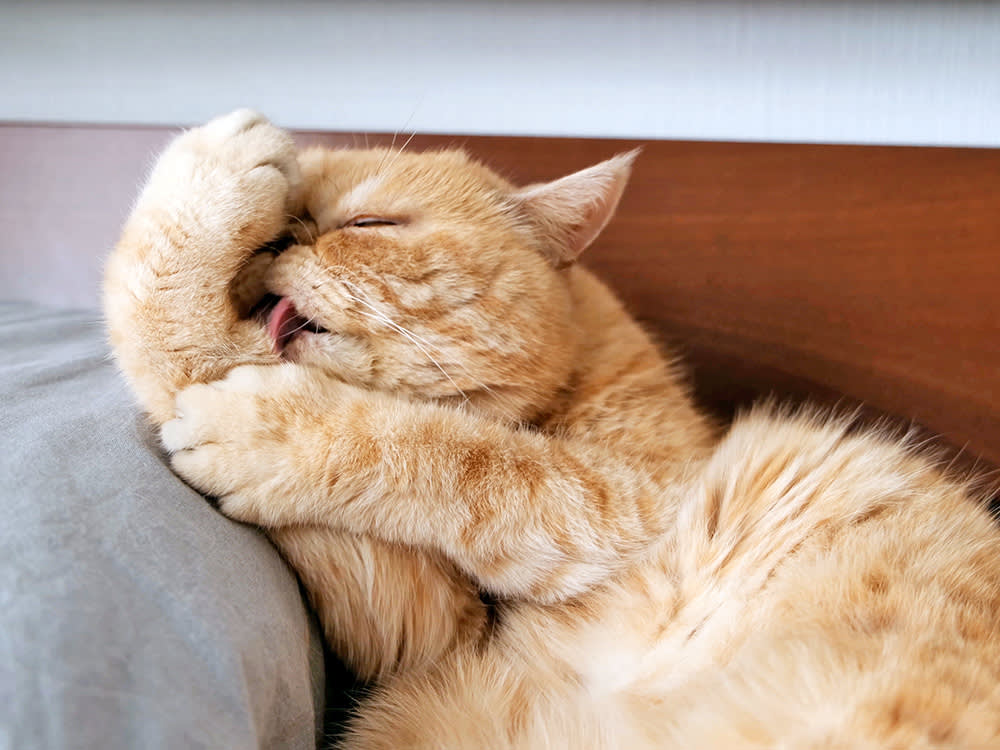
Have you ever noticed your cat licking itself more than usual? When your furry friend spends hours grooming, it might seem normal, but sometimes this behavior goes too far.
Over grooming can be a sign that something is bothering your cat, and understanding why this happens is key to keeping your pet happy and healthy. You’ll discover the surprising reasons behind your cat’s over grooming and learn how you can help your beloved companion feel better.
Keep reading to find out what your cat is really trying to tell you.

Credit: pennypaws.com
Signs Of Over Grooming
Noticing signs of over grooming in your cat can be worrying. It’s important to recognize these early to help your furry friend feel comfortable again. Over grooming often points to underlying issues that need your attention.
Bald Patches And Redness
One clear sign of over grooming is the appearance of bald patches on your cat’s coat. These areas might look irritated or red, showing that the skin is damaged from constant licking or scratching.
If you see patches where fur is missing, check if the skin looks inflamed. This can indicate your cat is hurting itself, which needs immediate care.
Excessive Licking Patterns
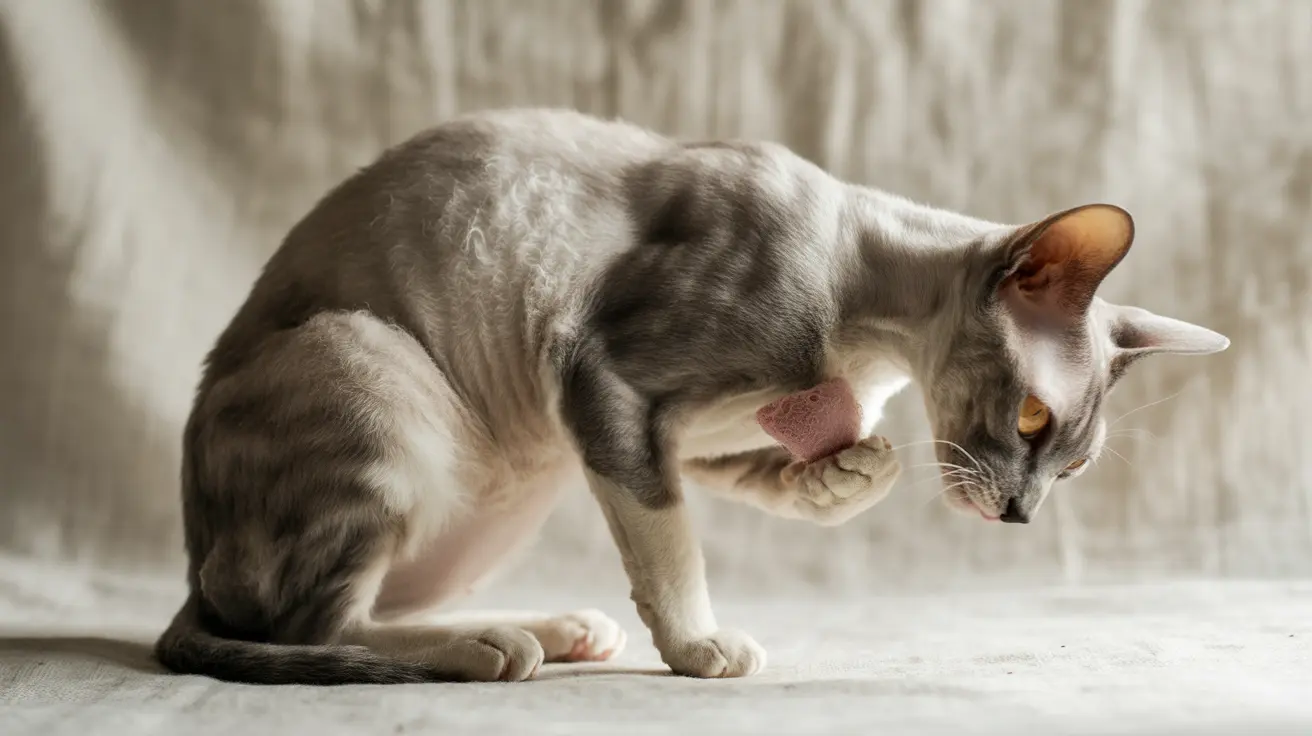
Pay close attention to how often and where your cat licks. Over grooming usually means your cat is licking the same spot repeatedly and for long periods.
You might notice your cat spending more time grooming than usual, sometimes even ignoring food or play. This behavior can be a sign of stress or discomfort.
Behavioral Changes
Changes in behavior often accompany over grooming. Your cat may become more withdrawn, irritable, or restless.
Have you seen your cat hiding more or reacting sharply when touched? These shifts can signal that something is bothering them physically or emotionally.
Common Medical Causes
Skin allergies, parasites, or pain often cause cats to over groom themselves. Stress and medical issues like infections can also lead to excessive licking. Identifying these causes helps protect your cat’s health and comfort.
Understanding why your cat might be over-grooming is crucial for its health and well-being. Often, the underlying reasons are medical, and identifying them can lead to effective solutions. Let’s explore some common medical causes that might be prompting your feline friend to groom excessively.Fleas And Parasites
Fleas and other parasites are a frequent culprit. They can cause intense itching and irritation, leading your cat to groom obsessively in an attempt to find relief. You might notice tiny black specs or live fleas in your cat’s fur. Regular flea treatments and maintaining a clean environment can help manage this issue.Allergies And Skin Conditions
Cats can suffer from allergies just like humans. These can be due to food, pollen, or even dust mites, resulting in itchy skin and excessive grooming. Skin conditions such as dermatitis or fungal infections also cause discomfort. A visit to the vet can help identify the specific allergen or skin issue and provide appropriate treatment.Pain Or Injury
Cats may over-groom an area that is painful or injured. This behavior is often a self-soothing mechanism to cope with discomfort. If you notice your cat focusing on one particular spot, it could indicate an underlying injury or joint pain. Observing your cat’s behavior and consulting a veterinarian can help identify and address the root cause. Have you ever noticed a change in your cat’s grooming habits? Understanding these medical reasons can be the first step in ensuring your pet’s health and happiness.Stress And Anxiety Factors
Stress and anxiety are common reasons why cats may start over grooming themselves. Just like people, cats react to changes and emotional discomfort in ways that sometimes seem puzzling. Over grooming can be a cat’s way of coping with stress, a behavior that signals something is off in their environment or emotional state.
Environmental Changes
Have you recently moved to a new home or rearranged your furniture? Cats are creatures of habit and sudden changes in their surroundings can unsettle them deeply. This disruption often leads to increased grooming as a way to self-soothe.
Even small changes like new people visiting or loud noises can trigger this behavior. Watch for signs such as your cat spending more time licking its fur or creating bald patches. Creating a calm, predictable environment can help reduce this stress.
Separation Anxiety
Does your cat over groom when you leave the house? Separation anxiety is a real challenge for many cats. When left alone, some cats may obsessively groom to fill the void left by their favorite human.
This behavior may intensify if the absence is longer than usual or if your cat has experienced a recent loss. Try leaving comforting items like a piece of your clothing or interactive toys to keep them engaged and less anxious.
Boredom And Lack Of Stimulation
Is your cat grooming excessively because they’re bored? Cats need mental and physical stimulation to stay happy and healthy. Without enough playtime or interesting activities, they might turn to over grooming as a way to pass the time.
Providing toys, puzzle feeders, or regular play sessions can make a big difference. Have you noticed your cat becoming restless or looking for things to do around the house? Adding enrichment to their daily routine could reduce stress-driven grooming significantly.

Credit: www.purina.com
Diet And Nutritional Issues
Diet plays a crucial role in your cat’s grooming habits. Poor nutrition or food-related problems can lead to excessive licking and biting. Understanding how what your cat eats affects its skin and coat can help you spot the root cause of over grooming.
Food Allergies
Food allergies can trigger itching and discomfort, causing your cat to groom itself excessively. Common allergens include beef, dairy, chicken, and grains. If your cat suddenly starts over grooming, consider whether a recent diet change might be the culprit.
Watch for symptoms like redness, hair loss, and persistent scratching. These signs often point to an allergic reaction rather than a behavioral issue. You might try an elimination diet, removing suspect ingredients one at a time to see if symptoms improve.
Nutritional Deficiencies
Deficiencies in key nutrients can weaken your cat’s skin and coat, leading to irritation and over grooming. Essential fatty acids, vitamins A and E, and zinc are critical for maintaining healthy skin. If your cat’s diet lacks these, it can cause dry, flaky skin and constant licking.
Consider the quality of your cat’s food. Is it balanced and complete? Sometimes, homemade diets or low-quality commercial foods miss important nutrients. Adding supplements or switching to a premium formula might stop the over grooming and improve your cat’s overall health.
When To See A Vet
Noticing your cat grooming itself more than usual can be worrying. But how do you know when it’s time to take your furry friend to the vet? Understanding the signs that point to a serious problem can help you act quickly and protect your cat’s health.
Identifying Serious Symptoms
Excessive grooming sometimes leads to bald patches, red or irritated skin, and open sores. If you see your cat scratching until it bleeds or if it seems restless and uncomfortable, these are red flags.
Also, watch for behavioral changes like hiding, loss of appetite, or sudden aggression. These can indicate underlying pain or stress that needs professional attention.
Diagnostic Tests
Your vet might start with a thorough physical exam to check your cat’s skin and coat condition. They often recommend skin scrapings or allergy tests to find parasites or allergens causing the problem.
Sometimes, blood tests or biopsies are needed to rule out infections or autoimmune diseases. Knowing exactly what’s wrong helps your vet tailor the best treatment plan.
Treatment Options
Treatment depends on the cause. It may involve medicated shampoos, antibiotics, or anti-inflammatory drugs to soothe the skin and stop irritation.
If allergies are the issue, your vet might suggest dietary changes or allergy shots. Behavioral causes may require environmental enrichment or calming supplements.
Remember, ignoring over grooming can lead to more serious health issues. Have you noticed any of these signs in your cat? A timely vet visit could make all the difference.
Preventing Over Grooming
Preventing over grooming in cats is key to keeping them healthy and happy. Over grooming can cause skin damage and discomfort. It often stems from stress, parasites, or boredom. Taking steps to reduce these triggers helps stop this behavior early. Here are ways to create a better environment for your cat and keep them calm and engaged.
Creating A Calm Environment
Cats need quiet and safe spaces to relax. Loud noises and sudden movements stress cats out. Provide cozy spots with soft bedding where they can hide. Keep their environment stable with a regular routine. Use calming scents or diffusers designed for pets. These help reduce anxiety and lower over grooming risks.
Regular Parasite Control
Parasites like fleas irritate cats and cause itching. This itching leads to excessive licking and biting. Use vet-approved flea treatments regularly. Check your cat’s skin and fur often for signs of parasites. Keeping pests away helps stop the cycle of over grooming and skin damage.
Engaging Activities For Cats
Bored cats groom themselves too much to pass time. Provide toys that encourage play and exercise. Rotate toys to keep your cat interested. Spend time playing with your cat daily. Puzzle feeders and climbing trees also keep cats busy. Engaging activities reduce stress and limit over grooming.
Credit: www.petscare.com
Frequently Asked Questions
Why Does My Cat Groom Excessively?
Cats groom excessively due to stress, allergies, or skin irritations. Over grooming may indicate anxiety or health issues. Identifying the cause helps in providing proper treatment and comfort for your cat.
Can Over Grooming Harm My Cat’s Skin?
Yes, over grooming can cause skin damage. It leads to bald patches, redness, and sores. Persistent grooming may result in infections and discomfort, requiring veterinary care to prevent further damage.
How Can I Stop My Cat From Over Grooming?
To stop over grooming, address stress triggers and allergies. Provide a calm environment and consult a vet for medical advice. Using soothing products and regular playtime can also reduce excessive grooming behaviors.
Is Over Grooming A Sign Of Anxiety In Cats?
Yes, over grooming often signals anxiety in cats. Stressful situations or changes in routine may trigger this behavior. Managing stress and providing mental stimulation can help reduce anxiety-induced grooming.
Conclusion
Cats over groom for many reasons like stress, allergies, or pain. Watching your cat closely helps you spot when grooming is too much. A vet visit can find the cause and suggest the best care. Treating the problem improves your cat’s comfort and happiness.
Remember, healthy grooming keeps your cat’s coat shiny and skin safe. Take action early to help your cat feel better fast.

Leave a Reply