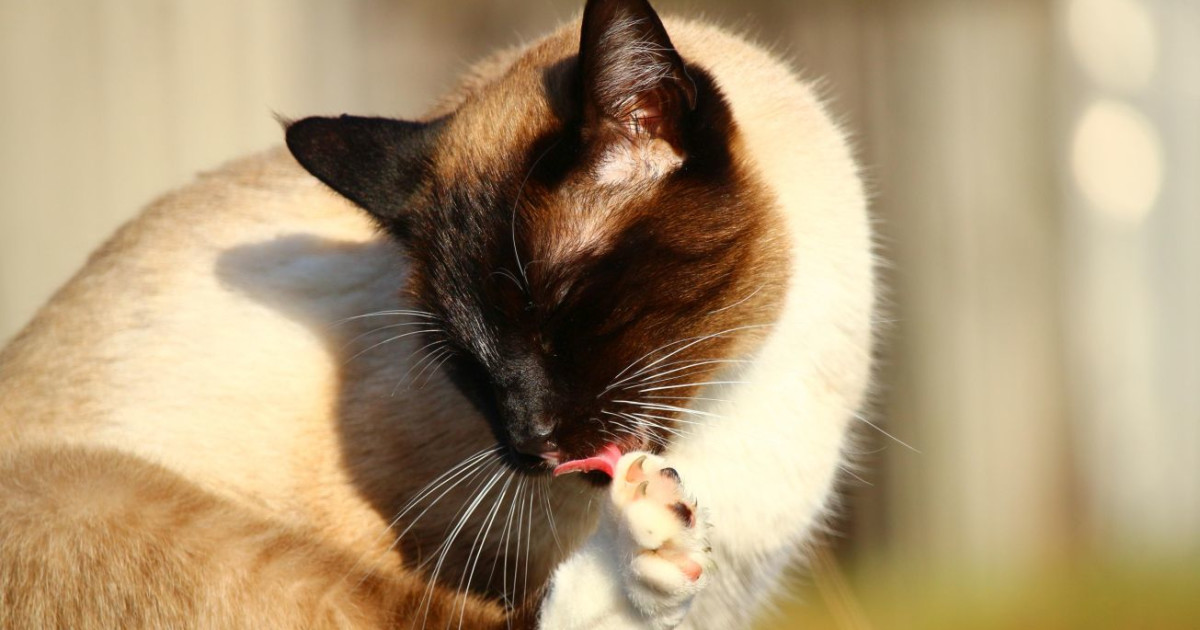
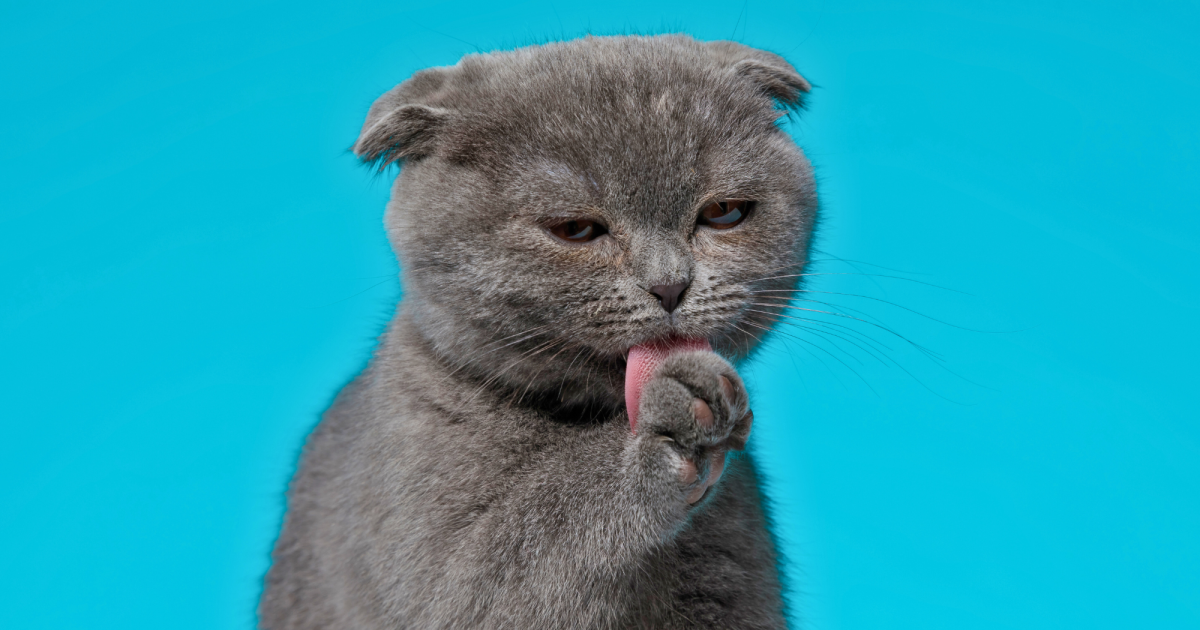
Have you noticed your cat spending more time than usual licking and grooming itself? It might seem like a harmless habit, but when your cat over-grooms almost continually, it could signal something serious.
You might wonder why your furry friend can’t seem to stop, and what it means for their health and happiness. Understanding this behavior is key to helping your cat feel comfortable and content again. Keep reading to discover the surprising reasons behind over-grooming and what you can do to support your beloved pet.

Credit: pennypaws.com
Signs Of Over-grooming
Recognizing the signs of over-grooming in your cat is crucial to addressing the issue early. Over-grooming can lead to discomfort, skin problems, and emotional distress for your furry friend. Paying close attention to both physical symptoms and behavioral changes helps you understand when your cat needs help.
Physical Symptoms To Watch
You might notice patches of missing fur or thinning hair, especially around the belly, legs, or neck. Red, irritated, or inflamed skin often shows where your cat has been licking excessively. Sometimes, small scabs or wounds appear, which can get infected if left untreated.
Have you ever seen your cat’s fur looking unusually dull or uneven? This can also be a sign of over-grooming, signaling that something is bothering your cat beneath the surface.
Behavioral Changes
Over-grooming often comes with shifts in how your cat acts. They might seem more restless or anxious than usual, pacing or hiding more often. Some cats become unusually aggressive or withdrawn, which can surprise owners who are used to a calm, social pet.
Have you caught your cat licking or biting the same spot repeatedly? This repetitive behavior is a red flag. It shows your cat is trying to cope with stress, pain, or boredom, and it’s important to identify the root cause quickly.
Common Medical Causes
Cats often groom themselves to stay clean. But sometimes, they groom too much. This can mean an underlying health problem. Common medical causes often lead to over-grooming. These causes affect the cat’s skin, comfort, and overall health.
Allergies And Skin Irritations
Allergies can make a cat’s skin itchy and sore. Food, pollen, or chemicals may trigger these reactions. Cats try to relieve discomfort by licking or scratching. This constant grooming can cause redness and hair loss.
Skin irritations may also come from contact with harsh substances. Shampoos, flea sprays, or cleaning products can irritate the skin. The cat’s response is often over-grooming to soothe the irritation.
Parasites And Infections
Parasites like fleas and mites cause severe itching. Even a few fleas can make a cat lick nonstop. Mites can burrow into the skin, causing irritation and wounds.
Bacterial or fungal infections often follow parasite bites or skin damage. Infections cause pain and itchiness. Cats groom excessively to try to ease the discomfort. Untreated infections may worsen the over-grooming behavior.
Pain And Discomfort
Pain from arthritis or injuries can make cats lick affected areas. Grooming is a way to comfort themselves. Constant licking may indicate hidden pain.
Internal issues like dental problems or stomach pain can also cause over-grooming. Cats show stress or discomfort through grooming. Over-grooming may be a sign to check for pain sources.
Psychological Triggers
Cats are known for their grooming habits. But over-grooming can signal deeper issues. Psychological triggers often play a significant role in this behavior. Understanding these triggers is crucial for a cat’s well-being.
Stress And Anxiety
Stress affects cats in various ways. Over-grooming is a common response. Changes in their environment can be a big factor. Loud noises or new pets can increase stress levels. Cats may groom to cope with anxiety. This behavior temporarily soothes them. Yet, it can lead to skin issues.
Boredom And Lack Of Stimulation
Boredom is a silent trigger for over-grooming. Cats need mental and physical stimulation. A lack of toys or interaction can make them restless. Over-grooming becomes a way to fill time. It is crucial to keep their environment engaging. Toys, playtime, and interaction can help. A stimulated cat is a happier cat.
Credit: pethelpful.com
Environmental Factors
Environmental factors play a big role in a cat’s grooming habits. Changes around the cat can cause stress or discomfort. This often leads to over-grooming as a way to cope. Understanding these factors helps address the root cause.
Changes In Routine
Cats are creatures of habit. Sudden changes in their daily routine can cause anxiety. New people, moving to a different home, or even different feeding times can upset them. This stress may show as almost constant grooming. It is their way to soothe themselves. Keeping a stable routine helps reduce this behavior.
Household Toxins
Certain chemicals and cleaning products can irritate a cat’s skin. Exposure to these toxins may cause itching or discomfort. The cat may lick or groom the irritated areas repeatedly. Common household toxins include:
- Strong detergents
- Air fresheners
- Insect sprays
Using pet-safe products and ensuring good ventilation can protect your cat. Watch for any skin reactions or changes in grooming habits.
When To See A Vet
If your cat is over-grooming almost continually, it’s a clear sign that something isn’t quite right. Knowing when to visit a vet can save your furry friend from discomfort and help address underlying problems early. Don’t wait until the behavior worsens or your cat shows signs of skin damage or distress.
Diagnosing Over-grooming Causes
A vet will start by examining your cat’s skin and fur for any signs of infection, parasites, or allergies. They might ask about your cat’s environment and daily routine to uncover stress factors or behavioral issues. Blood tests or skin scrapings can help identify more hidden problems like hormonal imbalances or fungal infections.
Have you noticed if your cat’s over-grooming happens after specific events or changes? Sharing these details with your vet can make a big difference in pinpointing the cause.
Treatment Options
Once the cause is clear, your vet will suggest a treatment plan tailored to your cat’s needs. This could include medication for infections or allergies, special shampoos, or even behavior modification techniques.
In some cases, vets recommend environmental changes to reduce stress, such as adding new toys or creating quiet spaces. Don’t hesitate to ask about follow-up visits to track your cat’s progress and adjust treatments if needed.
Preventive Measures
Preventive measures play a key role in stopping cats from over-grooming almost constantly. Over-grooming often signals stress, health issues, or discomfort. Taking steps to reduce triggers helps keep cats calm and healthy. These simple actions support your cat’s well-being and reduce excessive grooming habits.
Creating A Calm Environment
A peaceful home lowers your cat’s stress levels. Stress can lead to constant grooming as a self-soothing behavior.
- Provide quiet spaces where your cat can relax.
- Use soft bedding and hideaways for comfort.
- Keep a regular routine for feeding and playtime.
- Limit loud noises and sudden changes in the home.
- Offer interactive toys to distract from grooming urges.
Regular Health Checks
Regular vet visits catch health problems early. Skin allergies, parasites, or pain often cause over-grooming.
- Schedule routine check-ups at least once a year.
- Watch for signs like redness, bald spots, or wounds.
- Ask the vet about flea control and allergy tests.
- Monitor your cat’s behavior and grooming patterns closely.
Credit: pethelpful.com
Frequently Asked Questions
Why Does My Cat Groom Excessively All The Time?
Cats groom excessively due to stress, allergies, or skin irritations. Over-grooming can indicate anxiety or underlying health issues. Monitoring your cat’s behavior and consulting a vet helps identify the cause and provide appropriate treatment.
Can Allergies Cause A Cat To Over-groom Continuously?
Yes, allergies often trigger over-grooming in cats. Allergens irritate the skin, causing itching and discomfort. Cats lick or bite excessively to relieve symptoms, which worsens skin problems. Identifying and managing allergies is crucial to stop over-grooming.
How Does Stress Lead To A Cat’s Over-grooming Behavior?
Stress causes cats to over-groom as a coping mechanism. Changes in environment, new pets, or loud noises can trigger anxiety. This behavior helps them self-soothe but may result in hair loss or skin damage if persistent.
When Should I Take My Cat To The Vet For Over-grooming?
Visit a vet if over-grooming causes bald spots, sores, or bleeding. Persistent licking or biting can indicate infections, parasites, or psychological issues. Early diagnosis ensures effective treatment and prevents complications.
Conclusion
Cats groom to stay clean and healthy. Over-grooming can mean stress, allergies, or pain. Watch your cat’s behavior closely for signs of trouble. Give your pet a calm space to feel safe. Visit a vet if over-grooming lasts long or causes wounds.
Taking early action helps keep your cat happy. Remember, your care makes a big difference in their life. Simple steps can stop over-grooming and bring comfort. Keep loving your cat and watch them thrive.

Leave a Reply