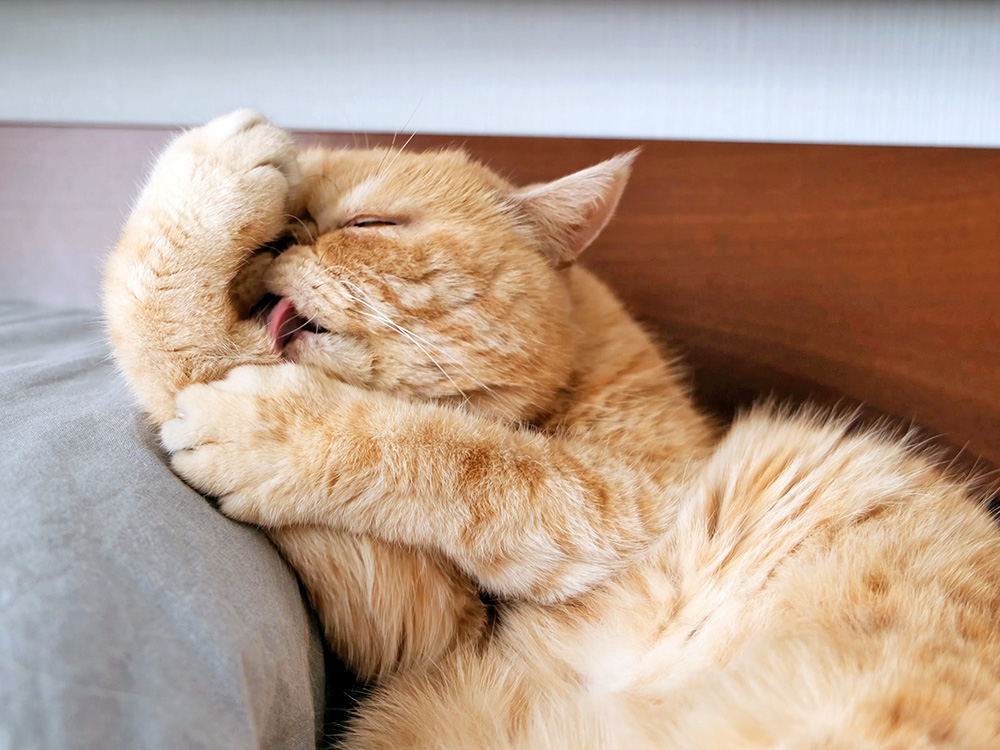
Have you ever noticed your cat spending hours licking its fur, almost like it’s in a never-ending cleaning routine? You might wonder, why does a cat constantly groom itself?
This behavior isn’t just about staying clean. It’s a window into your cat’s health, mood, and even its bond with you. Understanding why your feline friend grooms so much can help you spot when something’s wrong or simply appreciate their unique habits.
Keep reading to discover the surprising reasons behind your cat’s constant grooming and what it means for your furry companion.

Credit: petcube.com
Cat Grooming Basics
Cats spend a lot of time grooming themselves. This behavior keeps them clean, healthy, and comfortable. Grooming helps remove dirt, loose fur, and parasites. It also cools them down and reduces stress. Understanding how and why cats groom helps you care for your pet better.
How Cats Groom Themselves
Cats use their tongues to clean their fur. Their tongues have tiny, hook-like structures. These hooks catch loose hair and dirt. Cats lick their fur in long, careful strokes. They also use their teeth and paws to clean hard-to-reach spots. Grooming is not just about cleaning; it helps cats feel calm and safe.
Frequency Of Grooming
Cats groom themselves many times a day. Some cats spend up to 50% of their day grooming. The amount varies by age, health, and environment. Younger cats often groom more. Older or sick cats may groom less. Regular grooming helps cats keep their fur smooth and shiny.
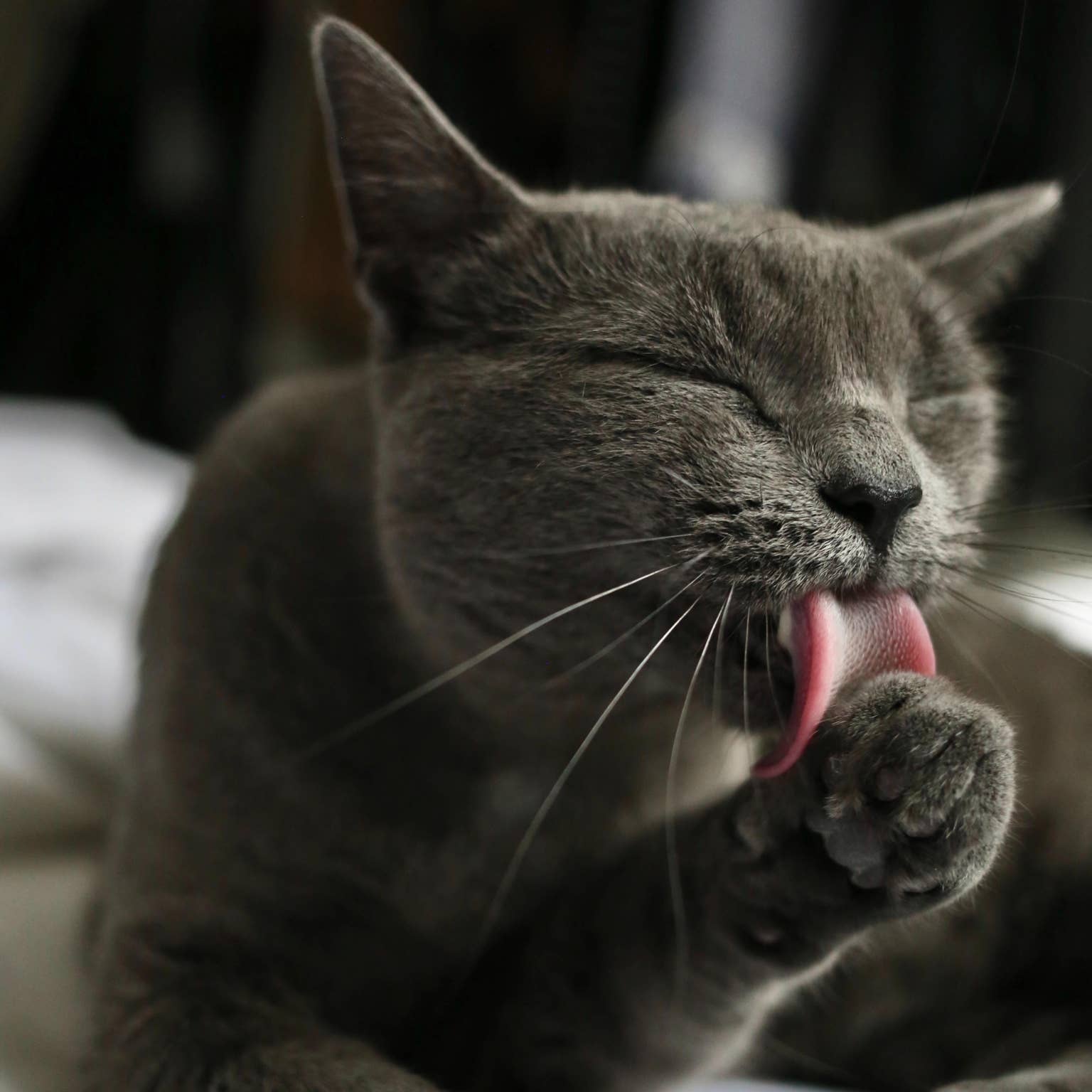
Credit: pethelpful.com
Health Benefits Of Grooming
Grooming is more than just a habit for cats. It plays a key role in keeping them healthy and comfortable. Cats spend a lot of time licking their fur and skin to support their overall well-being. This natural behavior helps maintain their health in several important ways.
Skin And Coat Care
Grooming removes dirt, debris, and loose hair from a cat’s coat. It helps spread natural oils across the fur. These oils keep the coat shiny and soft. Grooming also prevents mats and tangles, which can cause discomfort. Regular licking helps avoid skin infections by cleaning wounds and reducing bacteria. A well-groomed coat protects the skin from irritants and parasites.
Temperature Regulation
Cats use grooming to control their body temperature. Saliva on the fur cools the cat as it evaporates. Grooming helps remove excess fur during warmer months. This allows better air flow and heat loss. In colder weather, grooming fluffs up the fur to trap warmth. This natural temperature control helps cats stay comfortable in different climates.
Emotional And Behavioral Reasons
Cats may groom themselves constantly due to stress or anxiety. This behavior helps them feel calm and safe in their environment. Sometimes, boredom or lack of attention can also cause excessive grooming.
Cats constantly groom themselves for various reasons, and understanding the emotional and behavioral aspects can provide insights into their feline world. These reasons are often intertwined with their mental well-being and social interactions. Let’s dive into how grooming serves as more than just a cleanliness routine for your furry friend.Stress And Anxiety Relief
Cats, much like humans, can experience stress and anxiety. Grooming helps them find comfort and calm during tense moments. Imagine a time when your cat was exposed to a new environment or loud noises. You might have noticed them retreating to a quiet corner and starting to groom themselves. This ritual helps release endorphins, providing a soothing effect. Observing this behavior in your pet can be a clue to their emotional state. If grooming becomes excessive, it might indicate a deeper issue, prompting a conversation with your vet.Social Bonding And Communication
Grooming isn’t just a solo activity for cats; it’s also a social one. When cats groom each other, it’s a sign of trust and affection. Think about how your cat interacts with other pets or even with you. When they lick or groom you, they’re showing affection and marking you as part of their group. This behavior strengthens the bond between cats and their companions. Cats also use grooming to communicate. It’s not just about cleanliness; it’s a way to express emotions and build relationships. Next time your cat grooms you or another pet, recognize it as a form of feline communication.When Grooming Becomes Excessive
Grooming is a natural and healthy behavior for cats, helping them stay clean and comfortable. However, when grooming becomes excessive, it can signal a problem that needs your attention. Understanding when your cat’s grooming habits cross the line is crucial for their wellbeing.
Signs Of Over-grooming
Excessive grooming can lead to noticeable changes in your cat’s appearance and behavior. Look out for these signs:
- Bald patches:Areas where fur is missing or thinning are a clear red flag.
- Red or irritated skin:Over-grooming often causes inflammation or soreness.
- Constant licking or biting:If your cat can’t seem to stop licking the same spot, it’s a warning sign.
- Restlessness or anxiety:Excessive grooming is sometimes linked to stress, making your cat uneasy.
Have you noticed your cat spending hours licking or biting one area? This behavior isn’t just a quirk; it might be a call for help.
Possible Medical Causes
Excessive grooming often points to underlying health issues that need addressing. Some common medical causes include:
- Parasites:Fleas, ticks, or mites can make your cat itchy, triggering over-grooming.
- Allergies:Food or environmental allergies can cause skin irritation that your cat tries to soothe.
- Infections:Bacterial or fungal infections can lead to discomfort and excessive licking.
- Pain or discomfort:Joint or muscle pain might cause your cat to focus on one spot.
Have you ever considered that your cat’s grooming might be a way of coping with pain or irritation? A vet visit can uncover hidden problems early, saving your cat from unnecessary suffering.
Tips To Manage Excessive Grooming
Excessive grooming in cats can signal stress or health problems. Managing this behavior helps keep your cat healthy and happy. Small changes at home often reduce over-grooming. Careful observation and timely action make a big difference.
Creating A Calm Environment
Stress triggers excessive grooming in cats. Make your home quiet and peaceful. Provide safe spaces where your cat can relax without disturbance. Use soft bedding and cozy hideouts. Keep loud noises and sudden movements to a minimum. Regular playtime with gentle toys helps reduce anxiety. Maintain a consistent daily routine to give your cat a sense of security.
When To See A Vet
Over-grooming might result from medical issues. Look for signs like bald patches or redness. Skin infections, allergies, or parasites can cause discomfort. A veterinarian can diagnose underlying problems. Early treatment prevents worsening symptoms. Schedule a vet visit if grooming seems obsessive or causes injury. Your vet may suggest medication or special shampoos to ease symptoms.

Credit: medium.com
Frequently Asked Questions
Why Does My Cat Groom Itself So Often?
Cats groom often to clean their fur, remove dirt, and regulate body temperature. It also reduces stress and strengthens bonds with other cats.
Can Excessive Grooming Indicate A Health Problem?
Yes, excessive grooming may signal allergies, skin infections, or parasites. Consult a vet if grooming causes hair loss or skin damage.
How Does Grooming Benefit A Cat’s Skin And Coat?
Grooming distributes natural oils, keeping the coat shiny and healthy. It removes dead hair and prevents matting, promoting skin health.
Does Grooming Help Cats Reduce Stress And Anxiety?
Yes, grooming soothes cats and lowers anxiety. It provides comfort and helps them feel safe in their environment.
Conclusion
Cats groom themselves to stay clean and healthy. Grooming helps remove dirt and loose fur. It also cools them down on hot days. Sometimes, cats groom to feel calm and safe. If grooming seems too much, it might mean stress or health issues.
Watch your cat’s habits closely. Understanding grooming helps you care for your pet better. Keep their fur healthy and their mood happy. A well-groomed cat is usually a happy cat.

Leave a Reply