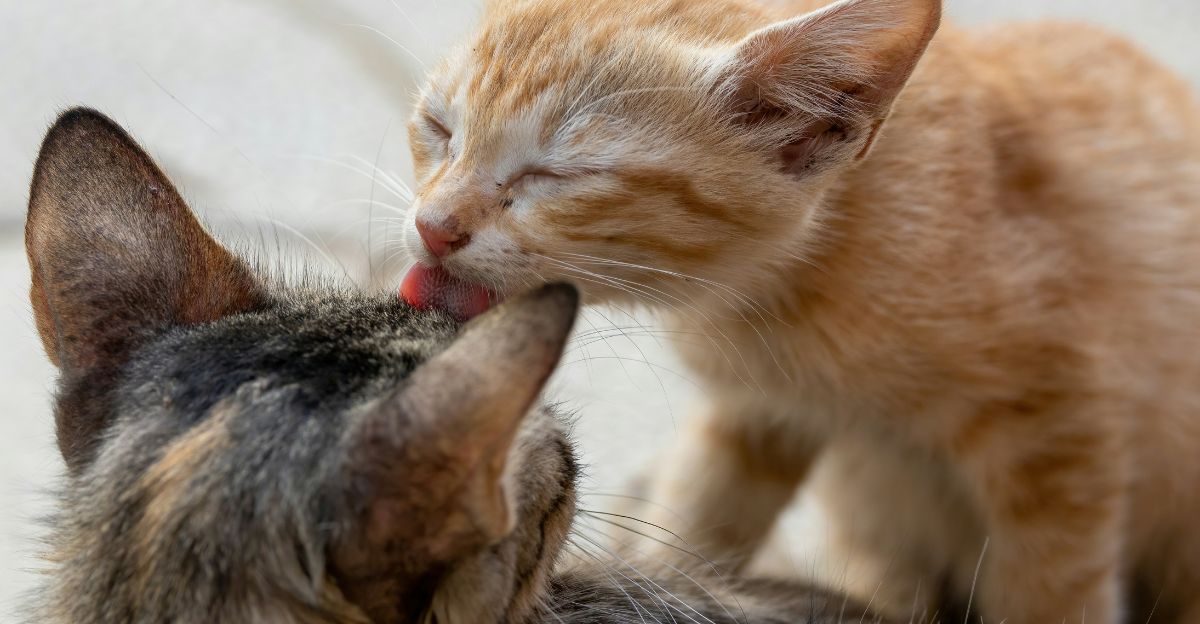
Have you ever watched two cats gently licking each other and wondered why they do it? If you’re curious about this sweet behavior, you’re not alone.
When cats groom each other, it’s more than just cleaning – it’s a powerful way they connect and communicate. Understanding why your cats share this special bond can help you see your furry friends in a whole new light. Keep reading to discover the surprising reasons behind this adorable habit and how it affects your cats’ happiness and well-being.
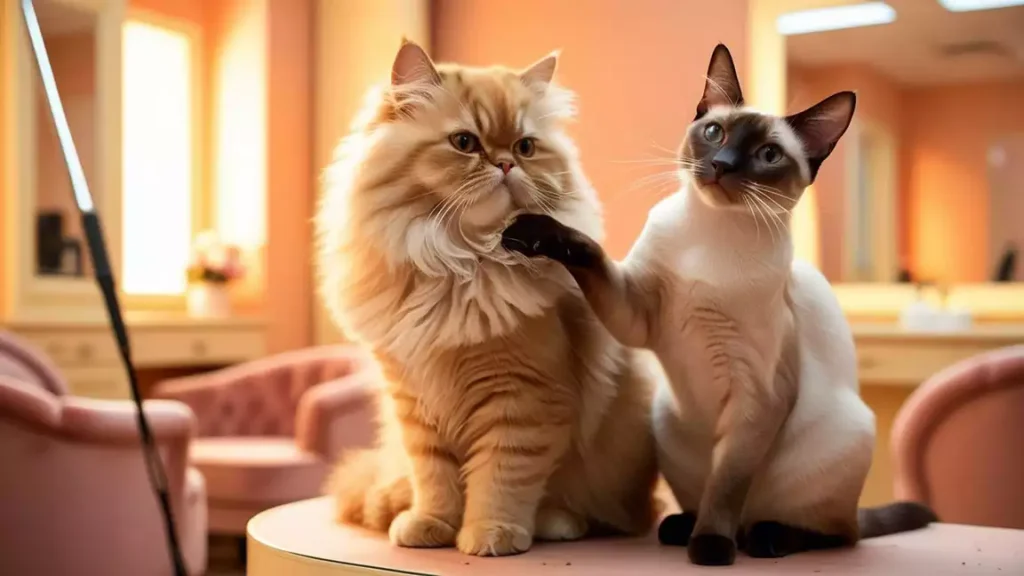
Credit: catgroomerla.com
Social Bonds
Cats grooming each other is more than just a cleaning routine; it’s a powerful way they connect and communicate. This behavior helps build trust and shows mutual care among feline friends. Understanding the social side of grooming can give you a clearer picture of your cat’s relationships and emotional world.
Strengthening Relationships
When cats groom one another, they are actively strengthening their bond. This action lowers stress and promotes feelings of safety. Have you noticed your cats pause and clean each other’s faces or ears? That’s a sign they feel comfortable and loyal to each other.
Grooming sessions often happen after play or rest, reinforcing positive experiences together. It’s a way your cats say, “I trust you” without words. If you see your cats grooming, you’re witnessing a meaningful friendship in action.
Family And Group Dynamics
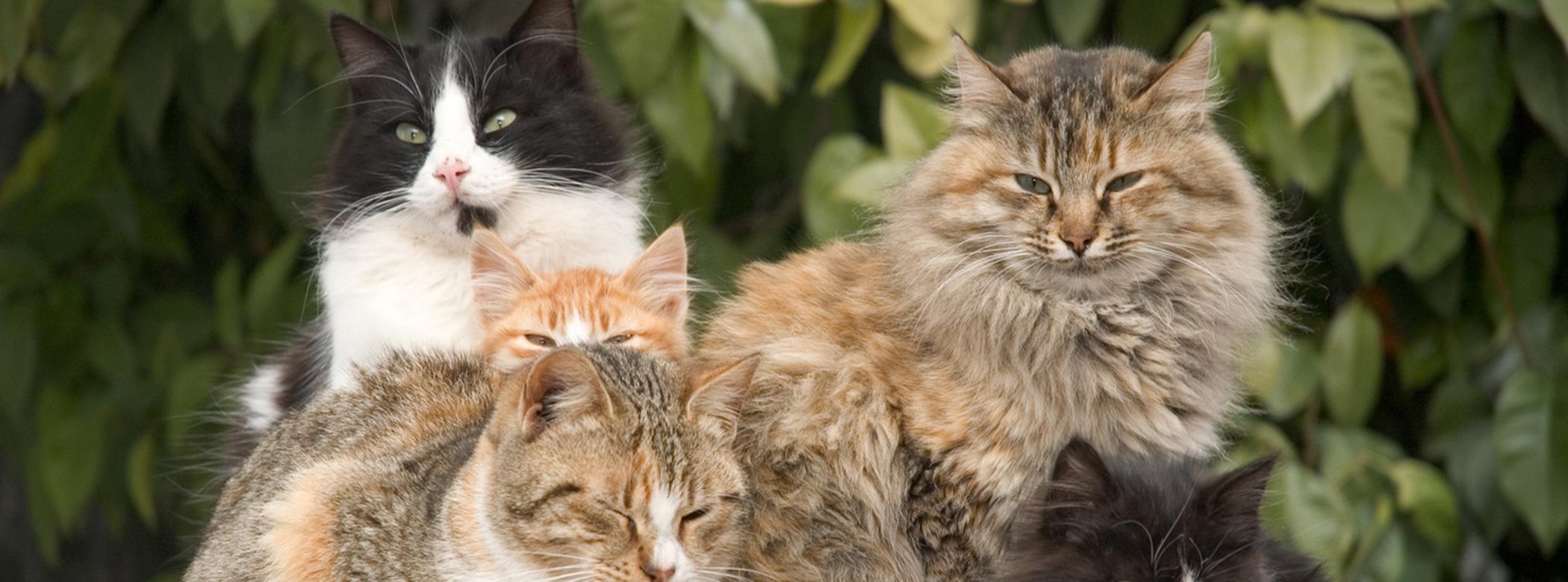
Social grooming plays a key role in how cats interact within their family or group. It helps establish and maintain a peaceful social order by reducing tension. In multi-cat households, grooming can prevent conflicts and strengthen the sense of belonging.
Mother cats groom their kittens to keep them clean and calm, while siblings groom each other to build lifelong alliances. If your cats share grooming duties, it often means they accept each other as part of their family circle. What kind of social connections does your cat have with others in the home?

Credit: catgroomerla.com
Mutual Hygiene
Mutual hygiene is a common reason why cats groom each other. It helps them stay clean and healthy. This behavior strengthens their bond too. Cats use grooming to reach places they cannot clean alone. Their tongues help remove dirt and loose fur effectively.
Reaching Difficult Areas
Cats cannot always reach certain parts of their bodies. Areas like the head, neck, and behind the ears are hard to reach. When cats groom each other, they help clean these spots. This keeps every part of their fur neat and free from dirt.
Keeping Fur Clean And Healthy
Mutual grooming removes dirt and parasites from the fur. It also helps spread natural oils across the coat. These oils keep the fur soft and shiny. Clean fur reduces the chance of skin problems. Grooming together helps cats maintain good health.
Stress Relief
Cats often groom each other as a way to handle stress. This behavior helps them feel safe and calm. Grooming lowers tension and creates a peaceful space. It shows trust and friendship among cats.
Calming Effects
Grooming releases soothing hormones in cats. These hormones help reduce stress and promote relaxation. When cats lick each other, they share comfort and warmth. This simple act helps slow their heart rate. It also lowers stress chemicals in their body.
Reducing Anxiety Together
Mutual grooming creates a strong bond between cats. It helps them face worries as a team. Cats feel less alone when groomed by a friend. This lowers their anxiety and fear. Grooming also distracts cats from stressful moments. It builds a sense of security and peace.
Territorial Marking
Cats often groom each other as a way to mark their territory. This behavior is more than just keeping clean—it’s a form of communication. Through grooming, cats share important scent signals that tell others, “This is our space.”
Sharing Scent
When cats groom each other, they transfer their unique scents. This mix of smells creates a shared group scent that’s recognizable to all members.
Imagine walking into a room and immediately knowing who belongs there. Cats do the same by combining their scents. This helps reduce conflicts and keeps peace within their territory.
Establishing Group Identity
Grooming strengthens the bond among cats by establishing a clear group identity. It tells outsiders that these cats belong together.
You might notice your cats grooming each other more when new animals enter the home. This is their way of reinforcing their social group and marking their shared territory.
Have you ever seen your cats grooming each other after you bring home a new pet? It’s their way of saying, “We’re a team, and this is our place.”
Play And Affection
Cats groom each other to show trust and care. This behavior helps build strong bonds and keeps their fur clean. Grooming also reduces stress and makes cats feel safe together.
Cats often groom each other to show playfulness and affection. This behavior is a social bonding activity that strengthens their relationships. It is more than just keeping clean. It also plays a vital role in their social lives.Expressing Care
Cats groom each other to show care. This act of grooming is called allogrooming. It helps them feel connected and cared for. When cats groom each other, they express affection. This behavior strengthens their bond. It shows that they trust and care for one another. Grooming is a gentle way to nurture their friendship.Strengthening Play Bonds
Grooming helps build strong play bonds among cats. Play is important for their mental and physical health. When cats groom each other, it often leads to playful interactions. Grooming sessions can turn into fun games. This shared activity helps them communicate and understand each other better. It also helps them develop trust and cooperation.When Grooming Goes Wrong
Grooming between cats usually strengthens their bond and keeps them clean. But sometimes, it can take a wrong turn and cause stress or injury. Understanding when grooming becomes a problem helps you protect your cats and maintain a peaceful home.
Signs Of Over-grooming
Over-grooming is more than just a little extra licking. It can lead to bald spots, red skin, or even sores. Watch for these signs in your cats:
- Hair loss in patches or large areas
- Excessive licking or biting at the same spot
- Visible redness, swelling, or scabs
- Restlessness or irritability after grooming sessions
Have you noticed your cat obsessively licking one area? That might be a red flag. Sometimes, stress or allergies trigger this behavior.
Dealing With Aggressive Grooming
Not all grooming is gentle. Some cats may groom others too roughly, causing discomfort or even fear. If you see biting or scratching during grooming, it’s time to intervene.
Here’s how you can help:
- Separate the cats temporarily to prevent injury
- Observe if one cat is consistently the aggressor or victim
- Provide plenty of toys and distractions to reduce stress
- Consult a vet or behaviorist if aggression continues
I once had two cats where one kept biting the other’s neck during grooming. After separating them for a day and slowly reintroducing them, their bond improved without aggression.
Are your cats grooming each other or showing signs of tension? Understanding the difference can help you keep their relationship healthy.

Credit: basepaws.com
Frequently Asked Questions
Why Do Cats Groom Each Other Frequently?
Cats groom each other to build social bonds and trust. It helps reduce stress and strengthens their group unity. This behavior is called allogrooming and is common among cats living together or closely bonded.
Does Grooming Mean Cats Are Friends?
Yes, grooming indicates friendship and affection between cats. It shows mutual trust and comfort. Cats groom only those they feel safe with, reinforcing their social connection.
Can Grooming Improve A Cat’s Health?
Grooming helps remove dirt and loose fur, promoting cleanliness. It also distributes natural oils across their coat, keeping fur healthy and shiny. Additionally, grooming reduces stress, benefiting overall well-being.
Why Do Cats Groom Each Other More In Groups?
Group grooming strengthens social hierarchy and group harmony. It reduces tension and promotes cooperation among cats. This collective behavior helps maintain peaceful coexistence in multi-cat households.
Conclusion
Cats groom each other to show care and build trust. This behavior helps keep their fur clean and healthy. Grooming also strengthens bonds between cats in the same group. It creates a sense of safety and comfort for them. Watching cats groom each other reveals their social nature.
It’s a simple, natural way they connect and support one another. Understanding this helps pet owners appreciate their cats’ actions more. It shows how cats communicate without words. Such moments highlight the gentle side of these independent animals.

Leave a Reply