Have you noticed your older cat isn’t grooming like it used to? You might be wondering why your furry friend suddenly looks less tidy or even a bit scruffy.
Grooming is a big part of a cat’s daily routine, and when it stops, it can signal something important about their health and happiness. Understanding why your cat has slowed down on self-cleaning can help you take better care of them and keep them comfortable.
Keep reading to discover the surprising reasons behind this change and what you can do to help your beloved pet feel their best again.
Changes In Physical Health
As cats grow older, their bodies go through changes that can affect how well they groom themselves. Physical health issues often make it harder for senior cats to keep up with their usual cleaning habits. Understanding these health changes can help you support your cat’s grooming needs better.
Arthritis And Joint Pain
Arthritis is common in older cats and causes stiffness and pain in their joints. This discomfort can make bending and reaching difficult, especially in spots like their back and hind legs. You might notice your cat avoiding grooming these areas, leading to matted fur and skin problems.
Have you seen your cat hesitate before stretching or twisting during grooming? This could be a sign of joint pain. Providing a comfortable resting area and gentle massages can sometimes ease their discomfort and encourage grooming.
Dental Issues
Dental problems often go unnoticed but can greatly affect your cat’s grooming routine. Pain from inflamed gums or broken teeth can make your cat reluctant to use their tongue aggressively for cleaning. This might result in less frequent or less thorough grooming sessions.
If your cat suddenly stops grooming, check their mouth for bad breath, drooling, or difficulty eating. Regular dental check-ups and cleanings can prevent these issues and keep your cat comfortable enough to groom properly.
Obesity Impact
Extra weight can limit your cat’s flexibility, making it harder to reach certain areas while grooming. Obese cats may skip cleaning parts of their body because bending is uncomfortable or impossible. This often leads to greasy or tangled fur, which can irritate their skin.
Helping your cat maintain a healthy weight not only improves their overall health but also supports their grooming habits. Have you noticed your cat struggling with movement or grooming after gaining weight? Small changes in diet and gentle exercise can make a big difference.
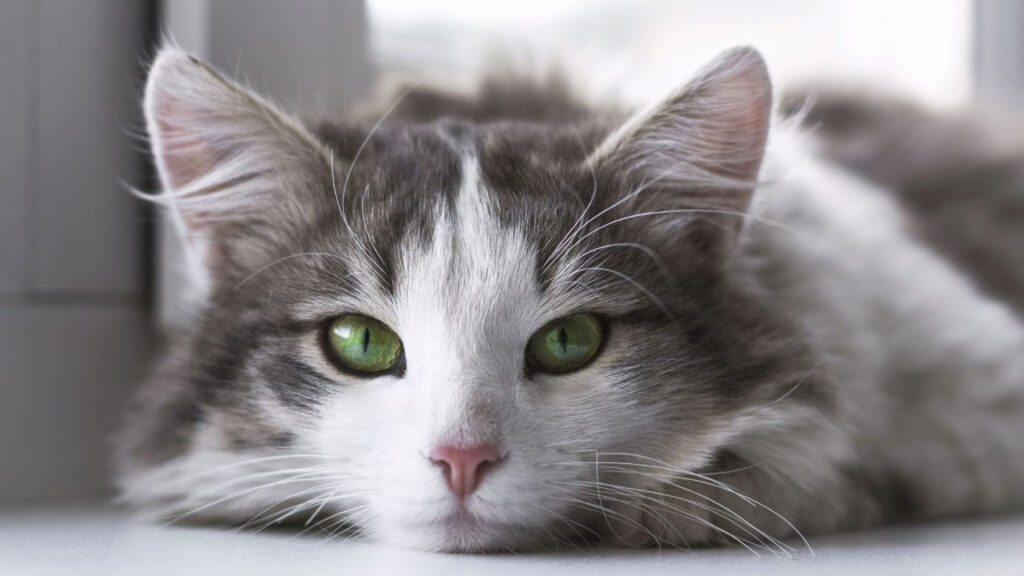
Credit: alexthecatgroomer.com
Cognitive And Neurological Factors
Older cats may stop grooming due to changes in their brain and nervous system. These changes affect how they think and move. Understanding these factors helps explain their grooming habits.
Cognitive Decline
As cats age, their brain function can slow down. Memory and focus become weaker. This decline makes grooming harder to remember or less important. Cats might seem confused or less interested in cleaning themselves. Simple tasks can feel overwhelming to them.
Neurological Disorders
Some older cats develop neurological problems. These include nerve damage or brain diseases. Such conditions affect coordination and movement. Cats may struggle to reach certain body parts. Pain or weakness can stop them from grooming. Neurological disorders also reduce their energy and motivation.
Behavioral And Emotional Shifts
As cats age, their grooming habits often change, and understanding the behavioral and emotional reasons behind this shift is crucial. Older cats might stop grooming due to changes in their mental state rather than just physical limitations. These emotional and behavioral shifts can deeply affect their desire and ability to keep themselves clean.
Stress And Anxiety
Stress can make your older cat withdraw and neglect their grooming routine. Changes in their environment, such as new pets or moving to a different home, can trigger anxiety. When anxious, cats often prioritize survival instincts over grooming, causing their coat to become unkempt.
Have you noticed your cat hiding more or acting restless? These signs may indicate stress that interferes with self-care. Helping your cat feel safe and secure can encourage them to resume grooming.
Depression In Cats
Just like humans, cats can experience depression, especially as they age and face health issues or loss of a companion. Depressed cats often lose interest in activities they once enjoyed, including grooming. This lack of self-care can signal emotional distress.
If your cat seems lethargic and uninterested in their surroundings, it might be time to consult a vet. Understanding your cat’s emotional health is key to restoring their grooming habits and overall well-being.
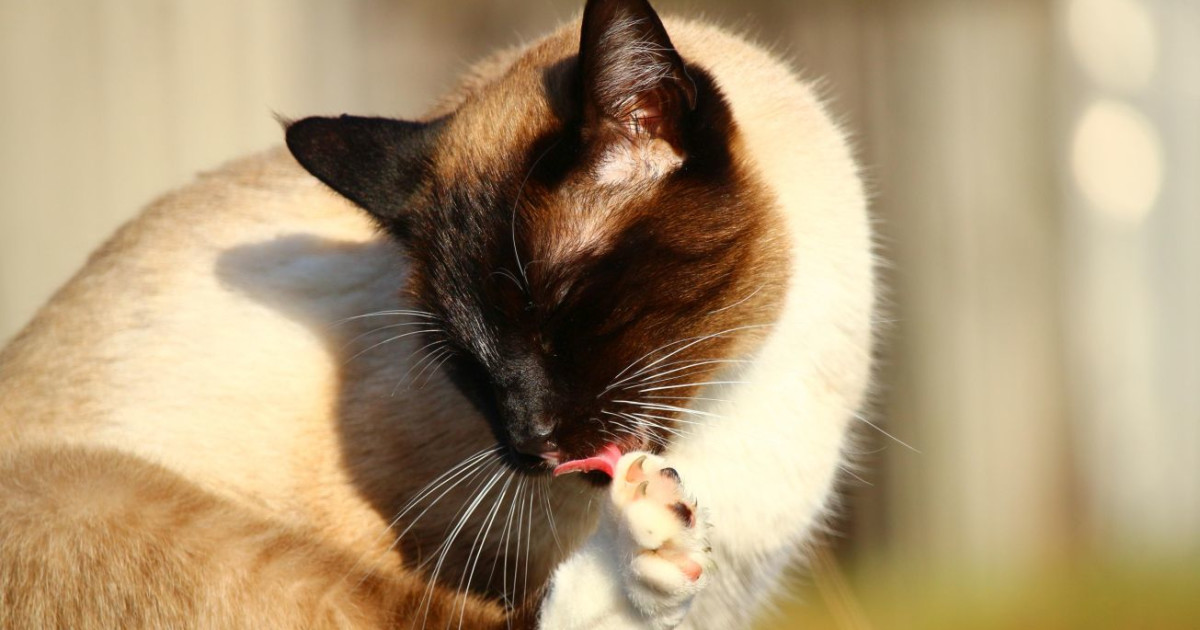
Credit: pethelpful.com
Environmental Influences
Older cats may stop grooming due to changes in their surroundings. The environment plays a big role in their habits. New sights, sounds, or smells can make cats anxious or stressed. This stress can reduce their desire to clean themselves. Even small shifts in daily life can affect their grooming routine.
Changes In Living Space
Moving to a new home or rearranging furniture can unsettle older cats. They rely on familiar places for comfort. New layouts can confuse them or make them feel unsafe. This discomfort may lead to less grooming. Cats might hide more or avoid areas where they usually clean themselves.
Introduction Of New Pets
Bringing new animals into the home changes the social balance. Older cats may feel threatened or stressed by newcomers. This stress lowers their energy for grooming. They might spend more time watching the new pets or hiding. The change can disrupt their usual self-care habits.
When To Seek Veterinary Help
Older cats may stop grooming due to pain, arthritis, or illness. Notice if fur looks messy or skin seems irritated. Visit a vet to check for health problems and get proper care.
When your older cat stops grooming itself, it can be concerning. While some changes in grooming habits might be due to aging, there are times when a visit to the vet is essential. Understanding when to seek veterinary help can make a significant difference in your cat’s health and comfort.Signs Of Serious Health Issues
If your cat has stopped grooming entirely, it could be a sign of serious health problems. Look for other symptoms like weight loss, lethargy, or changes in appetite. These can indicate underlying conditions such as arthritis, dental disease, or even depression. You might notice your cat’s fur becoming matted or dirty. This isn’t just about appearance; matted fur can lead to skin infections. Pay attention to any abnormal behavior, as cats are excellent at hiding pain.Grooming Assistance Options
While waiting for your vet appointment, there are ways you can help your cat with grooming. Use a soft brush to gently remove loose fur and tangles. This not only helps with hygiene but can also be a bonding experience for you and your cat. Consider using grooming wipes, especially if your cat struggles with mobility. These can help keep your cat’s coat clean without needing a full bath. Ensure that grooming is a calm and stress-free experience for your cat. Have you noticed any other changes in your cat’s behavior? Engaging with your cat during these times can provide comfort and reassurance. Sometimes, a little extra attention goes a long way in maintaining their well-being.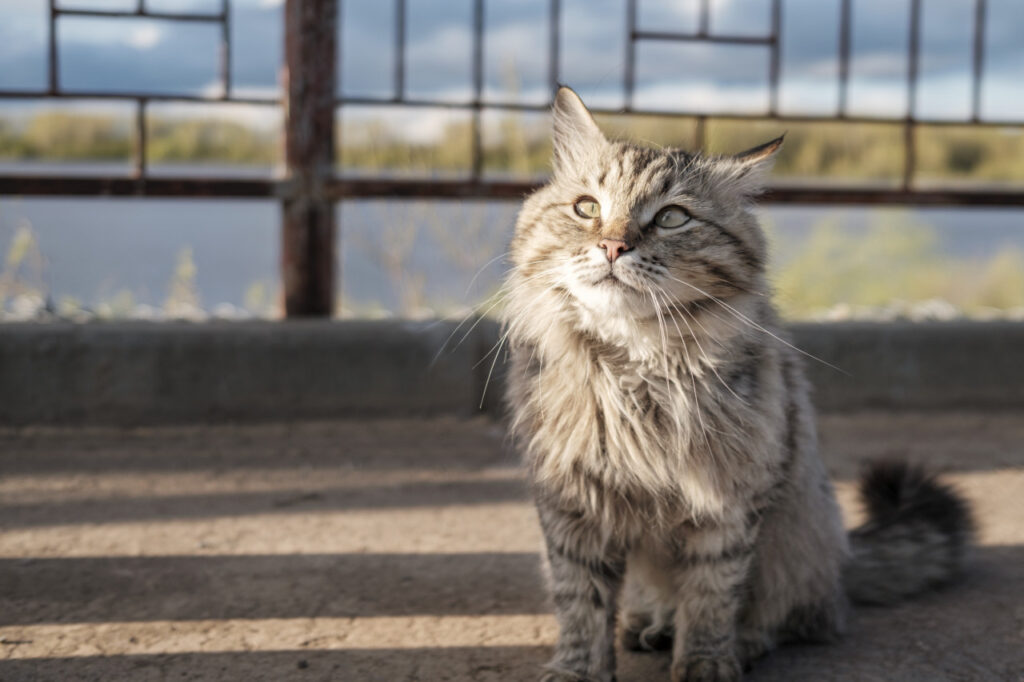
Credit: alexthecatgroomer.com
Frequently Asked Questions
Why Do Older Cats Stop Grooming Themselves?
Older cats may stop grooming due to arthritis, dental pain, or reduced mobility. Aging can cause discomfort, making self-cleaning difficult. Health issues like obesity or cognitive decline also affect grooming habits.
How Does Arthritis Affect Cat Grooming?
Arthritis causes joint pain and stiffness, limiting cats’ movement. This pain makes it hard for cats to reach certain body parts, leading to less grooming and unkempt fur.
Can Dental Problems Stop Cats From Grooming?
Yes, dental pain can discourage cats from grooming. Sore teeth or gums make licking painful, reducing grooming frequency and causing poor coat condition.
When Should I Worry About My Cat’s Grooming Habits?
If grooming declines suddenly or fur looks matted, consult a vet. Changes in grooming can indicate health problems needing prompt attention.
Conclusion
Older cats may stop grooming due to health or age issues. Pain, arthritis, or dental problems can make grooming hard. Lack of grooming leads to matted fur and skin problems. Watch your cat closely for changes in behavior or coat condition.
Regular vet visits help catch problems early. Help your cat stay clean by brushing gently. Love and care can improve their comfort and happiness. Keep your older cat healthy and comfortable every day. Small actions make a big difference for aging pets.




Leave a Reply