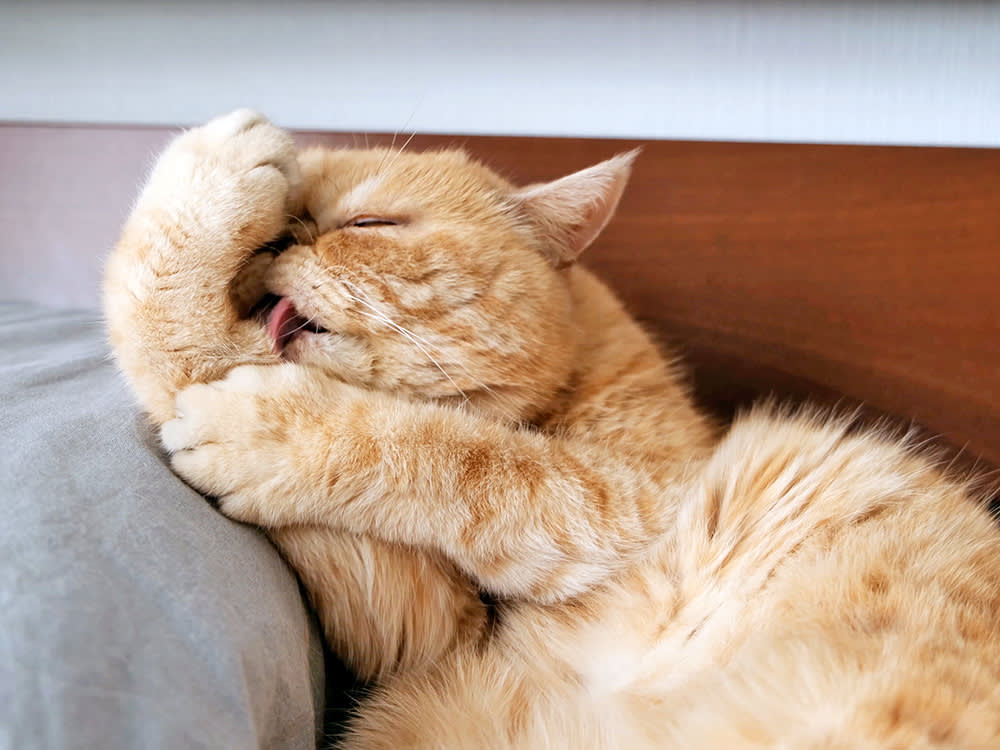
Have you noticed your old cat isn’t grooming like it used to? It can be worrying when your furry friend starts looking unkempt or messy.
Grooming is more than just keeping clean—it’s a sign of health and happiness for cats. When they stop, something might be wrong. You want to understand why this happens and what you can do to help your beloved pet feel comfortable again.
Keep reading to discover the common reasons behind this change and how you can support your aging cat’s well-being.
Credit: pethelpful.com
Signs Of Poor Grooming In Senior Cats
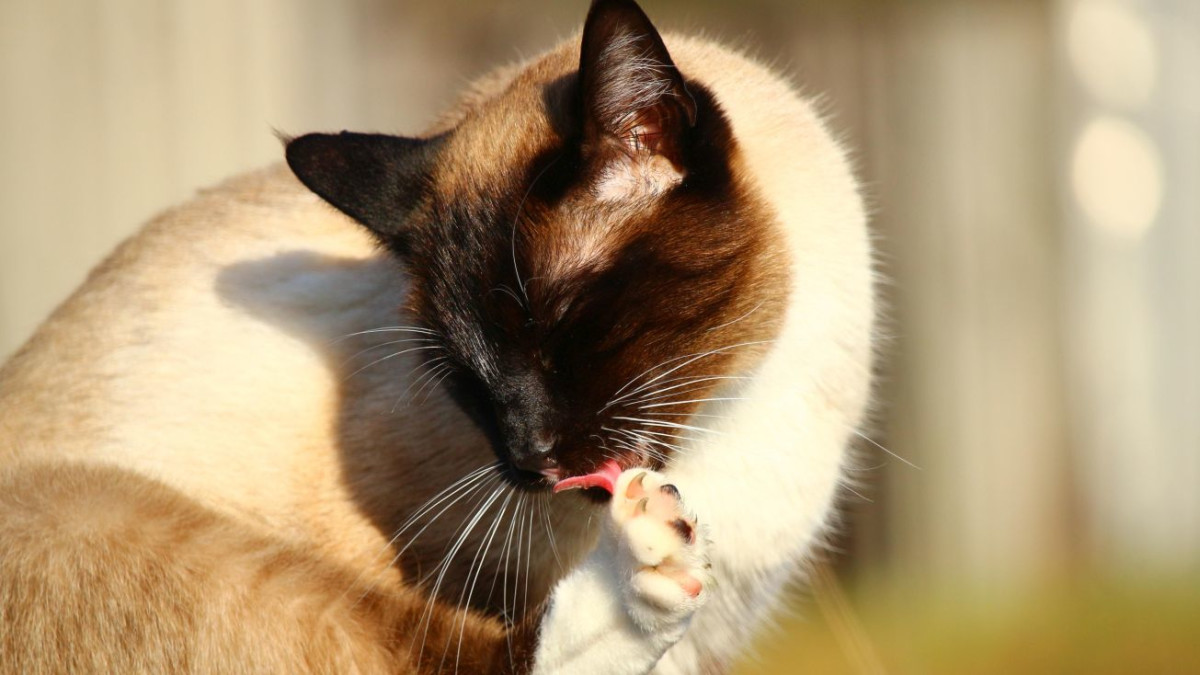
Recognizing the signs of poor grooming in senior cats is crucial for keeping your furry friend healthy and comfortable. As cats age, they may stop grooming themselves properly due to various health or mobility issues. Noticing these signs early can help you provide the care they need before problems worsen.
Changes In Coat Appearance
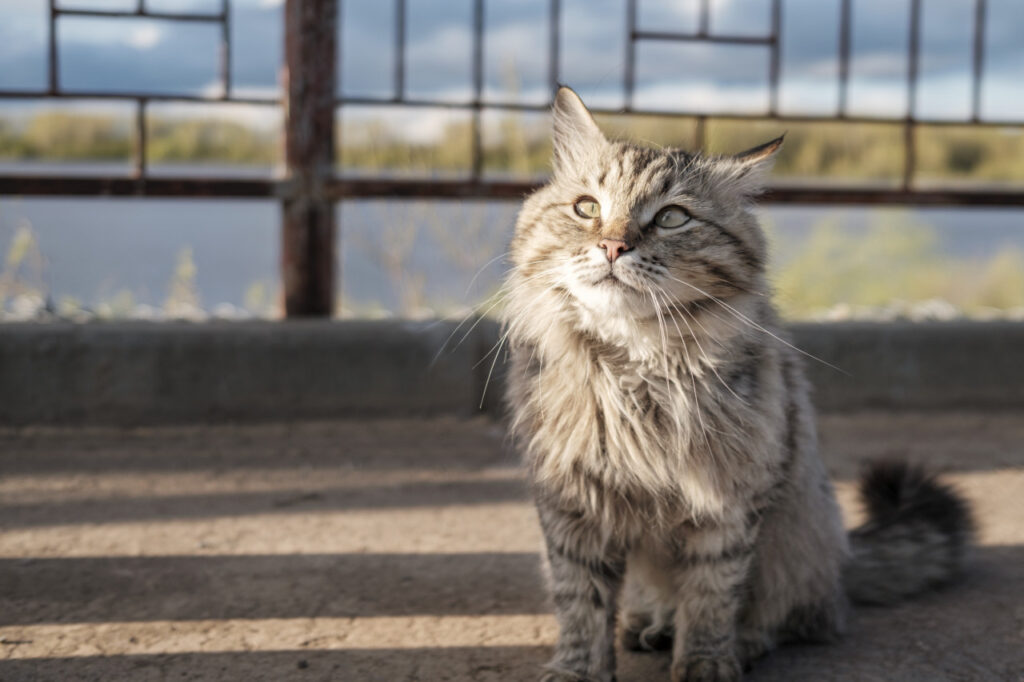
Your cat’s coat can tell you a lot about their grooming habits. A dull, greasy, or uneven coat often signals that your cat isn’t grooming as well as before.
Have you noticed patches where the fur looks thinner or lacks its usual shine? These changes might mean your cat is struggling to maintain their grooming routine.
Increased Shedding
Shedding is normal, but excessive hair loss can indicate grooming problems. When your senior cat stops licking and cleaning their fur, loose hairs don’t get removed properly.
Are you finding more fur on your furniture or clothes than usual? This can be a sign that your cat’s grooming has declined and they might need your help.
Presence Of Mats And Tangles
Mats and tangles are uncomfortable and can cause skin irritation or infections. Older cats may have difficulty reaching certain areas, leading to knots in their fur.
If you find mats forming, especially around the neck, armpits, or behind the ears, it’s time to step in with gentle brushing or seek professional grooming assistance.
Credit: www.purina.com
Physical Challenges Affecting Grooming
As cats grow older, their grooming habits often change due to physical challenges. These challenges can make it harder for your feline friend to keep up with their usual cleaning routine. Understanding these physical barriers can help you provide better care and comfort for your aging cat.
Arthritis And Joint Pain
Arthritis is common in older cats and causes joint pain and stiffness. Grooming requires flexibility and movement, especially in reaching tricky spots like behind the ears or under the legs. If your cat winces or avoids these areas, arthritis might be the reason.
Have you noticed your cat grooming less after resting or struggling to jump onto their favorite perch? These are signs joint pain is affecting their grooming routine. You can help by gently brushing your cat or using special arthritis-friendly supplements recommended by your vet.
Dental Problems
Painful teeth or gum disease can make your cat less willing to lick themselves. Grooming involves a lot of tongue work, and mouth pain might discourage this behavior. If your cat is drooling, eating less, or avoiding grooming, dental issues could be the cause.
Regular dental check-ups can prevent this problem, but if your cat already shows signs of dental pain, ask your vet for treatment options. Improving your cat’s oral health often leads to a noticeable boost in their grooming habits.
Declining Mobility
Older cats may experience weaker muscles and less balance, making it harder to reach all parts of their body. This decreased mobility means some areas go ungroomed, causing mats or dirty spots on their fur. You might find your cat sitting in one place longer, too tired to complete their grooming.
Helping your cat with gentle brushing or trimming mats can keep them comfortable and clean. Could adjusting your cat’s environment, like adding ramps or softer bedding, encourage more movement and easier grooming?
Health Issues Impacting Grooming Habits
As cats age, you might notice a decline in their grooming habits. This change often signals underlying health problems rather than simple laziness. Understanding how certain health issues affect your cat’s grooming can help you spot trouble early and provide the care they need.
Kidney Disease And Its Effects
Kidney disease is common in older cats and can drastically affect their grooming behavior. When kidneys don’t function well, cats may feel lethargic and nauseous, leaving them less motivated to clean themselves.
Dehydration caused by kidney problems can also lead to dry, flaky skin, making grooming uncomfortable or painful for your cat. Have you ever noticed your senior cat avoiding their usual grooming routine? It might be a sign to check their kidney health with a vet.
Diabetes And Skin Conditions
Diabetes in cats can cause a range of skin issues, including infections and slow healing wounds. These skin problems make grooming painful and less effective.
High blood sugar levels can lead to excessive thirst and urination, which can leave your cat feeling weak and tired. This fatigue often results in less frequent grooming sessions, contributing to a messy or matted coat.
Cognitive Decline And Behavior Changes
Just like humans, cats can experience cognitive decline as they age. This condition can cause confusion, forgetfulness, and changes in behavior that affect their grooming habits.
Your cat may forget to groom regularly or lose interest in self-care altogether. Have you observed your older cat acting differently or seeming disoriented? These signs might be linked to cognitive issues impacting their grooming routine.
Credit: alexthecatgroomer.com
Behavioral Factors Behind Grooming Decline
Understanding why older cats stop grooming themselves involves several behavioral factors. Cats are known for their meticulous grooming habits. A decline in grooming can indicate underlying issues. Exploring these behavioral factors can offer insights into this change.
Stress And Anxiety
Stress can alter a cat’s grooming behavior. Changes in the household can cause anxiety. New pets or family members might stress an old cat. This anxiety can lead to less grooming.
Cats thrive on routine and predictability. Any disruption can make them anxious. Stress-related grooming decline is common in older cats.
Changes In Routine Or Environment
Older cats dislike changes in their routine. Moving to a new home can confuse them. Even rearranging furniture might unsettle them. These changes can decrease their grooming frequency.
Environmental changes can also affect their grooming habits. Noise pollution or construction work nearby can stress them. Keeping their environment stable helps maintain their grooming behavior.
How Owners Can Support Senior Cats
Supporting your senior cat as they stop grooming themselves is crucial for their comfort and health. Older cats often face challenges that make self-care difficult, but your help can make a big difference. Let’s look at practical ways you can assist your furry friend to maintain their well-being and happiness.
Regular Vet Checkups
Regular visits to the vet help catch health issues early. Problems like arthritis, dental pain, or kidney disease can make grooming painful or tiring for your cat.
Discuss your cat’s grooming habits with the vet. They may suggest treatments or supplements that ease discomfort and improve mobility.
Have you noticed your cat avoiding certain movements? Sharing these observations can guide your vet to tailor care that supports grooming ability.
Assisted Grooming Techniques
Helping your cat with grooming doesn’t mean taking over completely. Use gentle brushes designed for cats to remove loose fur and dirt.
Try breaking grooming sessions into short, calm intervals. This reduces stress and makes grooming a bonding experience rather than a chore.
Keep grooming tools within easy reach and set a routine that your cat expects. Consistency can reduce anxiety and make your cat more cooperative.
Creating A Comfortable Environment
Older cats may struggle to reach high or awkward places where they used to groom. Provide soft, warm bedding in low, accessible spots around the house.
Ensure food, water, and litter boxes are easy to reach without climbing or jumping. This helps reduce overall strain and supports your cat’s independence.
Have you tried adding non-slip mats or ramps? These small changes can encourage movement and make your cat feel safer while grooming.
When To Seek Veterinary Help
Knowing when to seek veterinary help is crucial if your older cat stops grooming itself. Grooming issues can signal underlying health problems that need prompt attention. Acting early can prevent discomfort and more serious conditions for your feline friend.
Warning Signs To Watch For
Look for sudden changes in your cat’s coat, such as excessive matting or bald patches. Notice if your cat seems lethargic or is hiding more than usual. Persistent bad odor or skin inflammation are also clear signals that something isn’t right.
Has your cat stopped using the litter box or is eating less? These behaviors often accompany grooming neglect and could indicate pain or illness. Keep track of any unusual behavior and don’t hesitate to share these observations with your vet.
Treatment Options For Grooming Issues
Treatment depends on the cause your vet identifies. It might include medication for arthritis, which can make grooming painful, or addressing dental problems that reduce your cat’s willingness to clean itself.
Sometimes, special shampoos or topical treatments are needed for skin infections or allergies. Your vet may also recommend regular professional grooming sessions to keep your cat comfortable and clean.
What small changes can you notice in your cat’s routine that might hint at grooming problems? Staying alert helps catch these issues early and keeps your cat healthy and happy longer.
Frequently Asked Questions
Why Do Old Cats Stop Grooming Themselves?
Old cats may stop grooming due to arthritis, dental issues, or obesity. These health problems make grooming painful or difficult. Aging also reduces their flexibility, causing less thorough cleaning. Regular vet check-ups can help identify and treat underlying causes, improving their grooming habits and overall well-being.
Can Health Problems Cause Grooming Decline In Senior Cats?
Yes, health issues like arthritis, dental disease, and obesity often reduce grooming in older cats. Pain and discomfort limit their movement and grooming ability. Detecting these problems early allows treatment, helping cats maintain hygiene and comfort as they age.
How Does Arthritis Affect An Old Cat’s Grooming?
Arthritis causes joint pain and stiffness in older cats, making grooming difficult. Cats may avoid cleaning hard-to-reach areas due to discomfort. Managing arthritis with medication and supportive care can improve their grooming behavior and quality of life.
Does Reduced Grooming Indicate Serious Illness In Old Cats?
Reduced grooming can signal serious health issues like kidney disease or diabetes in elderly cats. It’s important to observe other symptoms and consult a veterinarian promptly. Early diagnosis ensures better treatment outcomes and maintains your cat’s comfort.
Conclusion
Old cats may stop grooming due to pain or tiredness. Their health can affect how well they clean themselves. Watching your cat closely helps catch problems early. Regular vet visits keep them comfortable and healthy. You can help by gently brushing and checking their fur.
Small changes make a big difference for aging cats. Caring for them shows love and keeps them happy. Remember, older cats need extra attention and kindness. Their grooming habits tell you about their well-being. Stay patient and supportive as they age gracefully.



Leave a Reply