
Have you ever wondered why cats that have been breeding suddenly stop? If you’re a cat owner or breeder, this can be confusing and even worrying.
Understanding the reasons behind this change is important for your cat’s health and happiness. You’ll discover the key factors that cause breeding cats to quit. By knowing what to look for, you can take better care of your feline friend and avoid common mistakes.
Keep reading to learn the surprising reasons your cat might be giving up on breeding—and what you can do about it.

Credit: dremmanuelfontaine.com
Breeding Basics In Cats
Understanding the basics of cat breeding is essential, especially when you notice a cat that has been breeding suddenly stops. Breeding involves several natural cycles and behaviors that can sometimes confuse even experienced owners. Knowing these basics helps you identify whether your cat’s change in breeding activity is normal or signals a problem.
Common Breeding Patterns
Cats typically come into heat multiple times a year, often every two to three weeks during their breeding season. These cycles are called estrus cycles, and each one lasts about 4 to 7 days.
During estrus, female cats show clear signs like loud vocalizing, increased affection, and restlessness. You might see your cat rubbing against objects more or adopting a specific mating position.
Male cats respond by becoming more territorial and seeking out females. Their behavior changes can include increased roaming and aggressive encounters with other males.
Signs Of A Successful Breeding Cycle
After a mating event, several signs indicate a successful breeding cycle. One of the first signs is a change in the female’s behavior—she may become calmer and less vocal than during estrus.
Physical changes also occur, such as a slight swelling of the abdomen and sometimes morning sickness. However, these signs can be subtle, so regular observation is key.
Have you noticed any shifts in your cat’s behavior or body after breeding? Tracking these changes can help you understand her reproductive health better and decide when to seek veterinary advice.
Health Factors Affecting Breeding
Health plays a major role in a cat’s ability to continue breeding. Various factors can influence reproductive performance and may cause cats to stop breeding. Understanding these health elements helps in caring for breeding cats and recognizing when they need rest or medical attention.
Several health issues can lower fertility or make breeding unsafe for the cat. Breeders must watch for signs of illness or physical decline that affect breeding capacity. Good health supports strong offspring and the wellbeing of the mother cat.
Impact Of Age And Physical Condition
Age significantly affects a cat’s breeding ability. Young cats may not be fully mature, while older cats often experience decreased fertility. As cats age, hormone levels drop, leading to fewer or no heat cycles.
Physical condition also matters. Cats that are underweight, overweight, or weak may struggle to breed. Poor nutrition and lack of exercise reduce energy and affect reproductive organs. Maintaining a healthy weight and strong body supports ongoing breeding.
Common Illnesses That Halt Breeding
Illnesses can stop breeding by harming the cat’s body or reproductive system. Common problems include:
- Infections such as feline leukemia virus (FeLV) and feline immunodeficiency virus (FIV).
- Reproductive tract infections causing inflammation or pain.
- Chronic diseases like kidney failure or diabetes affecting overall health.
- Stress-related conditions that disrupt hormonal balance.
Ill cats need rest and treatment before they can safely breed again. Ignoring health problems risks the cat’s life and the health of her kittens.
Behavioral Changes Post-breeding
Breeding can bring noticeable changes in a cat’s behavior. These shifts are often subtle at first but can deeply affect how your cat interacts with you and others. Understanding these behavioral changes post-breeding helps you support your cat through this transition.
Stress And Anxiety Effects
Breeding is a physically and emotionally demanding process for cats. Afterward, many cats show signs of stress and anxiety, such as increased hiding, vocalizing more than usual, or restlessness.
Your cat might also become less playful or show a reluctance to engage in activities they once enjoyed. These behaviors often signal that your cat is dealing with lingering stress.
Have you noticed your cat acting differently after breeding? Providing a calm, predictable environment can help reduce their anxiety. Try offering quiet spaces and gentle attention to ease their stress.
Shifts In Social Dynamics
After breeding, a cat’s social behavior can change significantly. They may become more territorial or less tolerant of other pets and even humans.
This shift happens because their priorities and instincts evolve post-breeding. Your cat might seek more solitude or display protective behaviors toward their kittens or resting areas.
Watch how your cat interacts with family members and other pets during this time. Adjusting your approach to social interactions can help maintain harmony in your home.
Environmental Influences
Cats may stop breeding due to environmental changes, stress, or health issues. These factors disrupt their natural instincts.
Cats often stop breeding due to various environmental influences. Understanding these factors helps in managing their breeding habits. Environmental changes can affect their health and behavior significantly.Changes In Living Conditions
Cats are sensitive to changes in their environment. A move to a new home or a sudden rearrangement can cause stress. This stress can lead to a halt in breeding activities. Cats need stability for optimal breeding conditions. Loud noises or new pets in the house can also impact their comfort. A calm and familiar environment encourages regular breeding cycles.Role Of Nutrition And Diet
Diet plays a crucial role in a cat’s reproductive health. Poor nutrition can lead to a decrease in breeding success. Cats need a balanced diet rich in proteins and essential nutrients. Lack of proper nutrition affects hormone levels, impacting fertility. Ensuring access to high-quality food supports their overall health. A healthy diet contributes to consistent breeding patterns.Hormonal And Reproductive Issues
Cats that stop breeding often face hormonal and reproductive challenges. These issues affect their ability and desire to reproduce. Understanding these problems helps explain why breeding may cease.
Hormonal Imbalances
Hormones control a cat’s reproductive cycle and behavior. Imbalances can disrupt heat cycles or prevent ovulation. Common causes include stress, age, and illness.
Low hormone levels may reduce fertility and mating interest. Excess hormones can lead to irregular cycles or health problems. Hormonal tests help identify these issues early.
Complications In Reproductive Organs
Reproductive organ problems often stop cats from breeding. Infections, cysts, or tumors can damage ovaries or the uterus. These conditions cause pain and reduce reproductive ability.
Scar tissue or blockages may prevent successful mating or pregnancy. Sometimes, repeated breeding causes wear and tear on organs. Veterinary care is essential to diagnose and treat these complications.
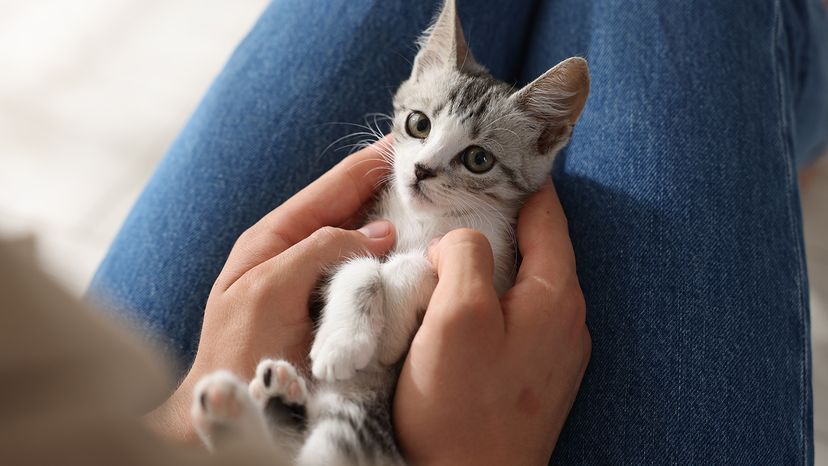
Credit: animals.howstuffworks.com
Impact Of Breeding Frequency
The frequency of breeding greatly affects a cat’s willingness and ability to continue reproducing. Cats bred too often face physical and emotional challenges. These challenges often lead to a natural decline in their breeding activity. Understanding how breeding frequency impacts a cat helps in ensuring their health and well-being.
Overbreeding Consequences
Breeding a cat too many times in a short period can cause serious harm. It strains her body and weakens her immune system. Overbreeding can lead to:
- Chronic fatigue and stress
- Lowered fertility rates
- Increased risk of infections
- Poor care for kittens
These consequences make a cat less likely to want or be able to breed again.
Recovery Period Importance
A proper recovery period is vital after each litter. It allows the cat’s body to heal and regain strength. Without rest, health problems may worsen. Recovery time supports:
- Replenishment of nutrients
- Restoration of energy levels
- Repair of reproductive organs
- Improved mothering ability
Giving cats enough time between pregnancies helps maintain their breeding potential and overall health.
Genetic And Inherited Factors
Genetic and inherited factors play a crucial role in why cats that have been breeding might stop. These factors influence the overall health, fertility, and longevity of breeding cats. Understanding these elements helps you manage breeding practices more responsibly and keep your cats healthy.
Inherited Health Problems
Many health issues in cats are passed down through generations. Conditions like hypertrophic cardiomyopathy, kidney disease, or hip dysplasia can reduce a cat’s ability to breed successfully.
For example, a friend’s breeding cat developed a hereditary heart condition that made pregnancy risky. This forced them to retire the cat from breeding early. Have you checked the health background of your breeding cats to avoid similar surprises?
Regular genetic testing can spot these problems early. It allows you to make informed decisions and protect your cats from passing on serious diseases.
Breeding Line Considerations
Not all breeding lines are created equal. Some lines carry genes that reduce fertility or cause early breeding cessation.
Think about your breeding line like a family tree. If the ancestors stopped breeding early, chances are the same might happen with your cat. This is why researching the lineage and breeding history is vital.
Keeping detailed records and tracking the success of each line helps you spot patterns. This insight can guide you to choose lines with better reproductive health, improving your breeding program’s longevity.
Owner And Breeder Role
Owners and breeders play a crucial role in why cats stop breeding. Their choices and actions directly affect the cat’s health and willingness to continue breeding. Proper care and thoughtful decisions can extend a cat’s breeding life. Poor care or rushed decisions often lead to early retirement from breeding.
Handling And Care Practices
Good handling keeps cats comfortable and healthy. Gentle touch and calm environments reduce stress. Regular health checks catch problems early. Balanced diets support reproductive health. Clean living spaces prevent infections. Avoiding overbreeding protects the cat’s body and mind. Rest periods between litters help recovery. Paying attention to signs of fatigue is vital.
Decision-making In Breeding Continuation
Breeders decide when to stop breeding based on many factors. Health issues like infections or injuries may require stopping. Age plays a big role; older cats may face risks. Behavior changes, such as loss of interest, signal retirement time. Ethical breeders prioritize the cat’s well-being over profits. Breeding only when the cat is strong and ready ensures better outcomes. Consultations with veterinarians guide these tough decisions.

Credit: www.reddit.com
Frequently Asked Questions
Why Do Breeding Cats Suddenly Stop Reproducing?
Breeding cats may stop due to age, health issues, or stress. Hormonal imbalances and poor nutrition also affect fertility. Regular vet check-ups can identify causes early.
Can Stress Cause Cats To Quit Breeding?
Yes, stress negatively impacts a cat’s reproductive cycle. Changes in environment, loud noises, or new pets can cause stress, leading to breeding cessation.
How Does Age Affect A Cat’s Breeding Ability?
Older cats have reduced fertility and may stop breeding naturally. Breeding is most successful between 1 and 6 years of age.
What Health Problems Cause Cats To Stop Breeding?
Common issues include infections, hormonal disorders, and reproductive tract diseases. Early diagnosis and treatment improve chances of resuming breeding.
Conclusion
Cats that stop breeding often face health or emotional challenges. Stress, age, and poor care play big roles. Understanding their needs helps owners provide better support. Watching for signs of tiredness or illness is key. Giving cats rest and proper food improves their well-being.
Each cat is unique, so patience matters most. Caring owners make a big difference in a cat’s life. This knowledge helps keep cats happy and healthy over time.



Leave a Reply