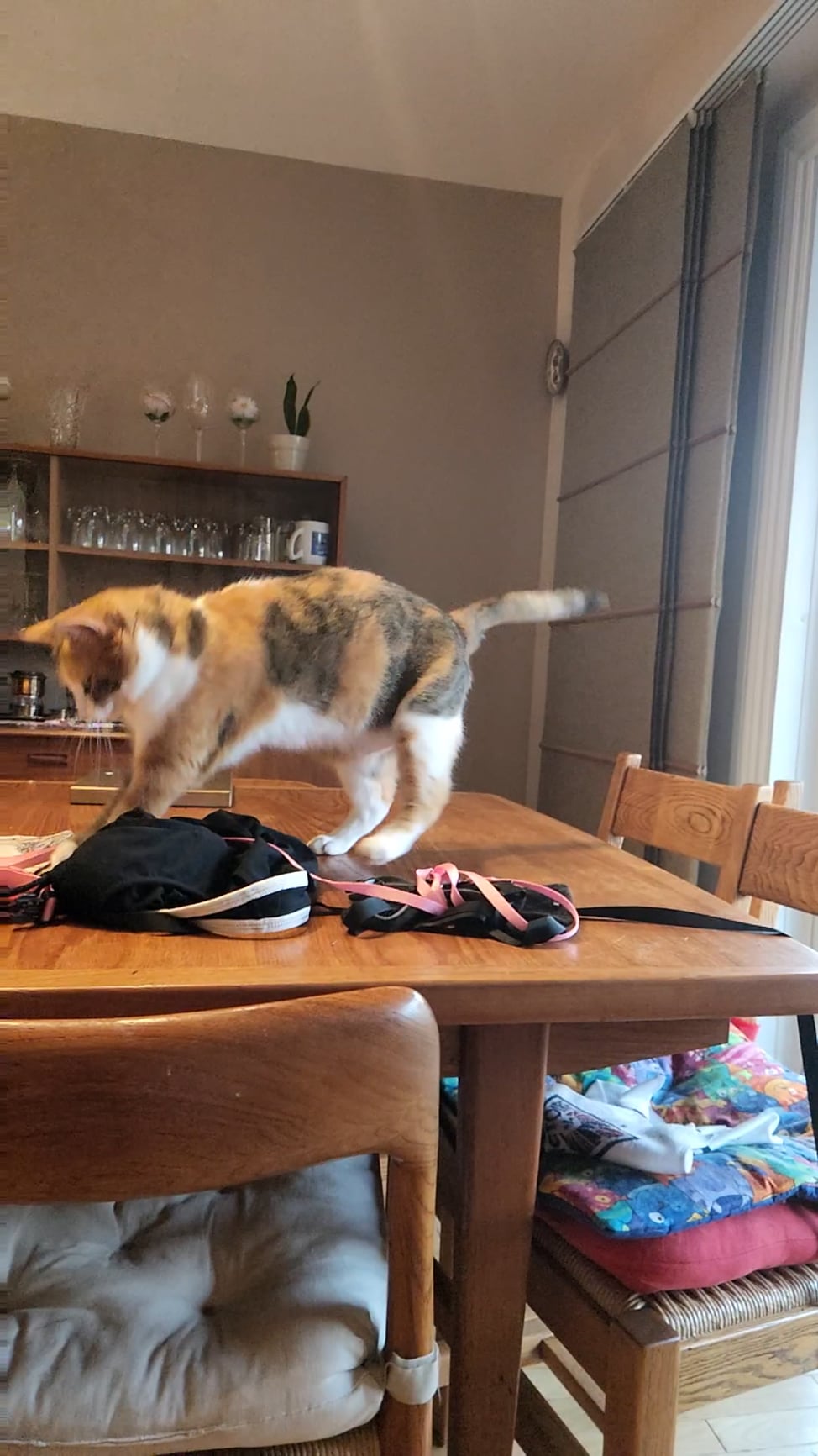
Have you ever watched your cat play with a toy and noticed it suddenly shaking its head? It might seem strange or even funny, but there’s a reason behind this quirky behavior.
Understanding why your cat does this can help you connect better with your furry friend and keep playtime fun and safe. Keep reading to discover the surprising reasons behind your cat’s head-shaking and what it means for their health and happiness.
Cat Play Behavior
Cats have a unique way of showing their excitement and engagement during playtime. Watching your cat shake its head while playing with toys might seem curious, but it’s part of their natural behavior. Understanding this can deepen your connection with your furry friend and help you choose the best toys to keep them happy and active.
Common Play Patterns
Cats often mimic hunting behaviors when they play. You might notice them stalking, pouncing, and shaking their heads vigorously. This shaking is similar to how they would handle prey in the wild, helping them practice important survival skills.
Have you ever seen your cat suddenly freeze before lunging at a toy? That’s a typical part of their play pattern, showing intense focus. These actions allow your cat to release energy and satisfy their natural instincts.
Role Of Toys In Play
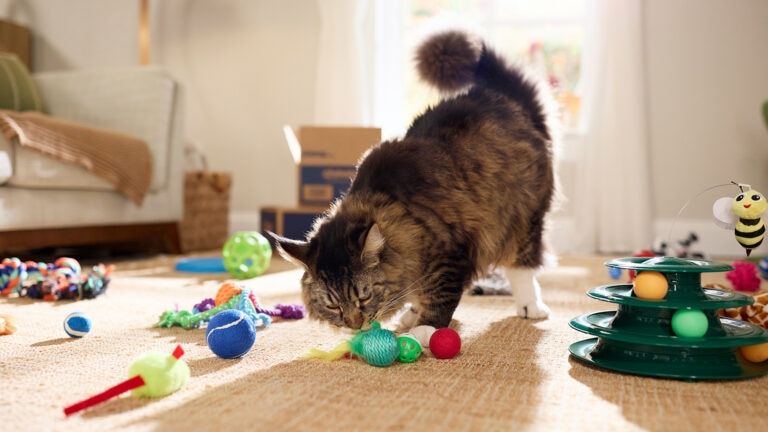
Toys are more than just fun distractions; they stimulate your cat’s senses and encourage healthy activity. Toys that mimic prey, like feathers or small moving objects, invite your cat to shake their head and “catch” the toy.
Choosing the right toy can make a big difference. Interactive toys that move unpredictably keep your cat engaged longer and trigger natural hunting behaviors. When your cat shakes its head, it’s a sign they’re fully immersed in the play, which is great for their mental and physical well-being.
Credit: www.pawzroad.com
Head Shaking Explained
Cats shaking their heads while playing with toys is a common sight. This behavior might seem odd at first. Yet, it has a clear purpose rooted in their nature. Understanding why cats shake their heads helps us appreciate their playful moments more.
Natural Instincts At Work
Head shaking is a natural action for cats. It comes from their wild ancestors. In the wild, cats shake their heads to catch and control prey. This movement helps them secure their catch. When playing, domestic cats show the same instinct. Toys become stand-ins for prey. Shaking the head mimics the way cats handle real animals.
Mimicking Hunting Actions
Playing with toys lets cats practice hunting skills. Head shaking is part of this practice. It helps cats simulate biting and killing prey. This action keeps their reflexes sharp. It also satisfies their need to hunt. Even indoor cats show this hunting behavior. Their toys become targets to bite and shake. This keeps their mind and body active and healthy.
Physical Causes
Cats shake their heads to clear their ears and remove any dirt or moisture. This action helps keep their senses sharp while playing. It also mimics natural hunting behavior, sharpening focus on their toy.
Cats are curious creatures, and their quirky behaviors often leave us pondering. One such behavior is the head shaking they exhibit when playing with toys. This action can be fascinating and puzzling at the same time. Understanding the physical causes behind this can shed light on your furry friend’s playful antics.Ear Irritation And Sensitivity
Cats have incredibly sensitive ears. Sometimes, the movement of toys near their ears can cause a tickling sensation. This might lead them to shake their heads to alleviate the feeling. Imagine a feather toy brushing lightly against your cat’s ear. The ticklish and unfamiliar sensation can prompt a quick shake. It’s similar to how you might react if something brushes against your face unexpectedly.Balance And Coordination
Playing is not just about fun; it’s a workout for your cat’s senses and reflexes. Shaking their heads might be a way to maintain balance and improve coordination while they leap and pounce. Consider the dynamic movements involved in catching a fast-moving toy. Cats need to recalibrate their balance swiftly, and a head shake can help in adjusting their focus. Have you noticed your cat shaking its head more vigorously with certain toys? This might indicate they’re testing their physical limits, honing their skills while having fun. It’s a reminder of their wild instincts and an essential part of their growth and agility. Understanding these behaviors can enhance your play sessions, ensuring your cat stays entertained and healthy. So, next time your cat shakes its head, you’ll know there’s more to it than meets the eye.Emotional Triggers
Cats often shake their heads while playing with toys due to strong emotional reactions. These emotional triggers influence their behavior and help express feelings. Understanding these triggers can explain why this shaking happens during playtime.
Excitement And Stimulation
Play excites cats and increases their alertness. Toys mimic prey, sparking their hunting instincts. Head shaking shows their intense focus and energy. This action helps them release built-up excitement. It reflects joy and active engagement with the toy.
Frustration Or Overstimulation
Sometimes play causes frustration for cats. If a toy is hard to catch, they may shake their heads. This gesture helps manage stress and disappointment. Overstimulation can also cause quick head shakes. It signals that the cat needs a short break or less intense play.
When To Worry
Watching your cat shake its head while playing can be amusing and perfectly normal. However, sometimes this behavior signals a problem that needs your attention. Knowing when to worry helps you protect your cat’s health before minor issues become serious.
Signs Of Ear Infection
Ear infections are a common cause of head shaking in cats. If you notice your cat scratching at its ears more than usual or shaking its head vigorously, it could be a sign of discomfort.
Look for redness, swelling, or a foul smell coming from the ears. You might also see dark discharge or your cat tilting its head to one side. These symptoms often indicate an infection that requires a vet’s care.
Other Health Concerns
Not all head shaking is due to ear problems. Sometimes, it can signal allergies, mites, or even dental pain. If your cat’s behavior changes suddenly or if it seems lethargic, these signs deserve attention.
Have you noticed your cat rubbing its face against furniture or pawing at its mouth? These actions might point to irritation or discomfort beyond the ears. When in doubt, a quick checkup can save your cat from unnecessary suffering.

Credit: www.reddit.com
Enhancing Playtime
Enhancing playtime for your cat makes the experience more fun and fulfilling. Cats shake their heads during play to mimic hunting behaviors. This natural instinct helps them stay active and sharp. Creating the right environment and selecting proper toys can boost their enjoyment and safety.
Choosing The Right Toys
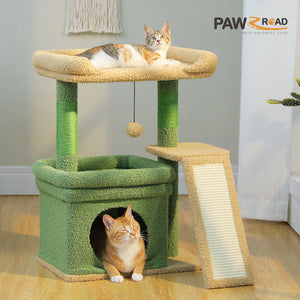
Select toys that match your cat’s size and energy. Lightweight toys are easier to shake and carry. Toys with feathers or strings mimic prey, encouraging natural play. Avoid small parts that can be swallowed accidentally. Rotate toys often to keep your cat interested.
Safe Play Practices
Supervise your cat during play to prevent accidents. Remove toys with loose pieces that could cause choking. Check toys regularly for damage and replace worn-out ones. Use interactive play sessions to build trust and exercise your cat. Always store toys safely after playtime to avoid hazards.
Credit: www.pawzroad.com
Frequently Asked Questions
Why Do Cats Shake Their Heads While Playing?
Cats shake their heads to mimic hunting behavior. It helps them practice catching and killing prey. This action also shows excitement and engagement with their toys.
Is Head Shaking Normal In Cats During Play?
Yes, head shaking is a normal behavior. It reflects natural instincts and helps cats release energy. However, excessive shaking may indicate health issues.
Can Head Shaking Mean A Health Problem In Cats?
Occasional head shaking is normal, but constant shaking may signal ear infections or mites. Consult a vet if shaking persists or worsens.
How Does Head Shaking Benefit Cats When Playing?
Head shaking improves a cat’s coordination and focus. It simulates real prey movements, enhancing their hunting skills and mental stimulation.
Conclusion
Cats shake their heads during play to show excitement and focus. This behavior helps them feel like hunters chasing prey. It also keeps their senses sharp and their muscles ready. Watching this can be fun and tells you your cat feels happy and active.
Understanding why cats do this makes playtime more enjoyable for both of you. Keep offering safe toys to encourage healthy play habits. Your cat’s head shaking is just part of their natural, playful spirit.

Leave a Reply