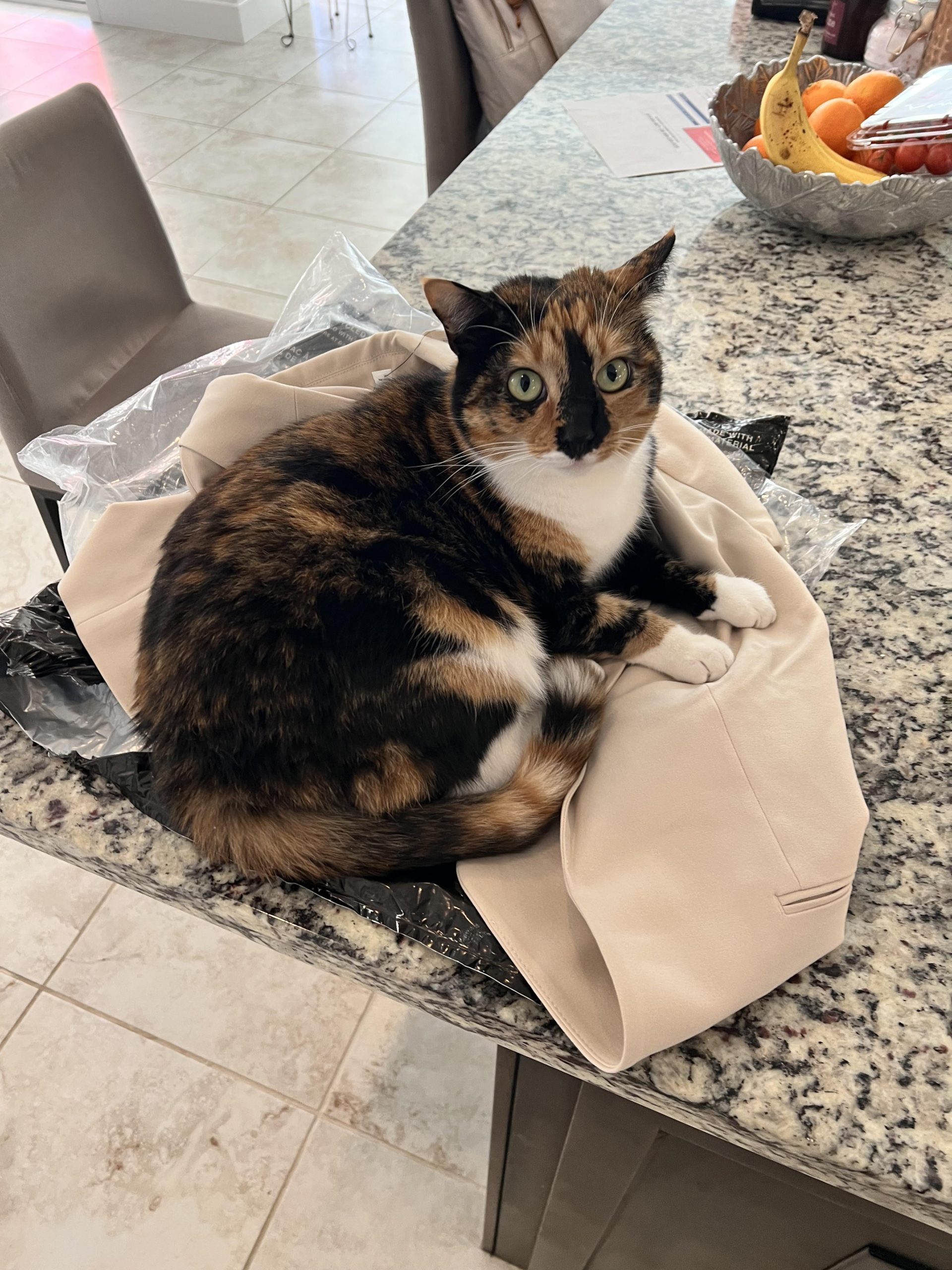
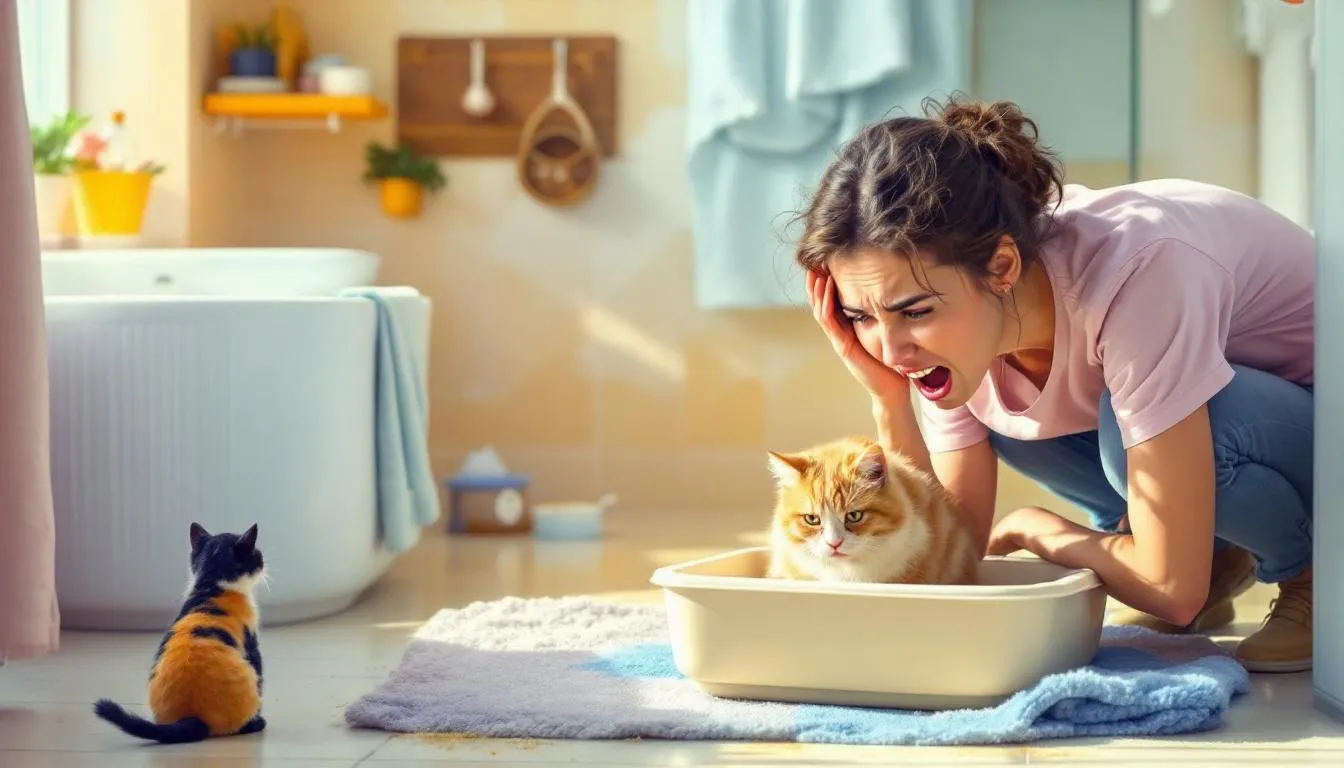
Have you ever come home to find your cat peeing outside of their litter box? It’s frustrating, confusing, and can feel like your furry friend is acting out.
But before you get upset, it’s important to understand why this happens. Your cat isn’t trying to annoy you—they might be trying to tell you something. You’ll discover the surprising reasons behind this behavior and learn simple steps to fix it.
Keep reading to find out how you can bring peace back to your home and keep your cat happy.

Credit: www.reddit.com
Common Causes Of Litter Box Avoidance
Understanding why your cat avoids the litter box is key to fixing the problem quickly. Several factors can make your feline friend choose an alternative spot for peeing. Let’s look into the most common causes of litter box avoidance so you can identify and address the issue effectively.
Medical Issues
Health problems are often the first thing to rule out. Urinary tract infections, bladder stones, or kidney issues can cause discomfort, prompting your cat to pee outside the box.
If you notice sudden changes in your cat’s bathroom habits, a vet visit is essential. Ignoring medical causes can lead to more serious problems and continued litter box issues.
Stress And Anxiety
Cats are sensitive creatures, and stress can trigger litter box avoidance. Changes like a new pet, moving, or loud noises might make your cat anxious.
Have you noticed your cat acting nervous or hiding more than usual? These signs often accompany stress-related bathroom changes.
Litter Box Cleanliness
A dirty litter box is a major turn-off for cats. They prefer a clean, odor-free space to do their business.
Try scooping the litter at least once a day and washing the box weekly. This simple habit can keep your cat coming back to their box.
Litter Type Preferences
Not all cats like the same kind of litter. Some prefer fine-grained clumping litter, while others avoid scented or rough textures.
Experiment with different litters to see what your cat prefers. Changing the litter can make a big difference in their willingness to use the box.
Territorial Behavior
Cats mark their territory with urine, especially in multi-cat homes. If your cat feels threatened or challenged, they may pee outside the box to assert dominance.
Providing multiple litter boxes and safe spaces can reduce territorial conflicts. Have you set up enough areas for each cat?
Changes In Environment
Even small changes like a new litter box location or a different brand of litter can confuse your cat. They thrive on routine and familiarity.
Keep the litter box in a quiet, consistent spot and avoid sudden changes. Your cat will feel more secure and likely return to using the box.
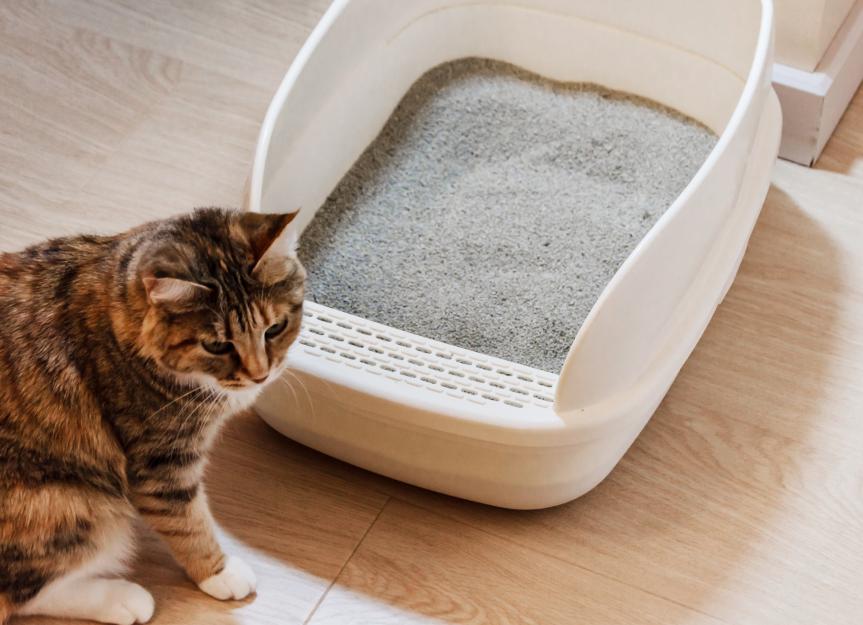
Credit: www.petmd.com
Identifying Medical Problems
Cats peeing outside the litter box can signal health issues like urinary tract infections or bladder problems. Early identification of these medical concerns helps ensure prompt treatment and comfort for your pet.
When your cat starts peeing outside the litter box, it’s easy to feel frustrated or worried. Before jumping to conclusions about behavioral issues, it’s crucial to consider that there might be an underlying medical problem. Cats often use changes in their bathroom habits to signal discomfort or illness. Identifying and addressing these health concerns can be the key to solving the litter box problem and ensuring your furry friend stays happy and healthy.Urinary Tract Infections
Urinary tract infections (UTIs) are a common culprit when cats begin to urinate outside their litter box. If your cat seems to be straining or crying out while urinating, a UTI might be the cause. Frequent trips to the litter box with little output could also be a red flag. Consult your vet, as untreated UTIs can lead to more severe complications.Kidney Disease
Kidney disease is prevalent in older cats and can drastically affect their bathroom habits. If your cat is drinking more water than usual or peeing more frequently, kidney issues might be to blame. Regular vet check-ups can help catch kidney problems early, ensuring your cat receives the proper treatment.Diabetes
Diabetes in cats can lead to increased thirst and urination, which might result in accidents outside the litter box. Keep an eye out for weight loss, increased appetite, or lethargy. These symptoms, along with changes in urination, warrant a vet visit to rule out diabetes.Other Health Concerns
Various other health issues can cause your cat to avoid the litter box. Bladder stones, arthritis, or even gastrointestinal problems might be at play. If your cat seems in discomfort or pain, it’s essential to consult a vet to pinpoint the issue. They can recommend appropriate tests and treatments to get your cat back to their litter box routine. It’s essential to observe your cat’s behavior closely and act swiftly when you notice changes. After all, addressing health issues not only resolves the litter box problem but also ensures your cat’s overall well-being. Have you noticed any unusual behavior in your pet recently? It’s always better to be safe and get a professional opinion.Addressing Stress Factors
Stress plays a big role in why your cat might start peeing outside the litter box. Cats are sensitive creatures, and even small changes in their environment can make them anxious. Understanding and addressing these stress factors can help you bring back peace to both your cat and your home.
New Pets Or People
Introducing a new pet or person can shake up your cat’s world. Your cat might feel threatened or unsure about the newcomer’s intentions. This uncertainty often leads to marking behaviors, like peeing outside the litter box.
Try giving your cat quiet, separate spaces during introductions. Let them approach new pets or people at their own pace. Have you noticed your cat acting differently after someone new visits? That could be a clue.
Loud Noises And Disruptions
Loud noises such as fireworks, construction, or even a noisy vacuum can scare your cat. These sudden disruptions cause stress and confusion, prompting your cat to avoid the litter box as a form of protest or anxiety.
Consider creating a calm, quiet zone with familiar scents and soft bedding. Using white noise machines or calming diffusers might help reduce the impact of external sounds. What noises seem to upset your cat the most?
Changes In Routine
Cats thrive on routine, and sudden changes can unsettle them. Moving furniture, changing feeding times, or rearranging the litter box can trigger stress-related accidents. Even small adjustments might feel like big disruptions to your cat.
Keep daily schedules consistent and introduce changes slowly. Observe if your cat’s accidents coincide with recent shifts in their routine. Could a recent change in your home be the cause?
Separation Anxiety
Cats can develop separation anxiety when left alone for long periods or after their favorite person leaves. This anxiety may cause them to urinate outside the litter box as a way to cope with loneliness or stress.
Spend quality time with your cat before leaving and provide engaging toys or puzzles to distract them. Gradually increase the time you’re away to help your cat adjust. How does your cat behave when you prepare to leave the house?
Improving Litter Box Setup
Improving your cat’s litter box setup can make a huge difference if your feline friend is peeing outside the box. Sometimes, small changes in the environment can solve what feels like a big problem. Let’s look at key areas you can adjust to make your cat more comfortable and encourage better litter box habits.
Choosing The Right Litter
Not all cat litters are created equal. Some cats prefer fine, clumping clay, while others might like natural, unscented options like corn or pine. Have you noticed your cat avoiding the box after you changed the litter brand? That’s a clear sign to switch back or try something new.
Pay attention to texture and scent. Cats have sensitive noses and paws, so a strong fragrance or rough texture could be off-putting. Try offering a few boxes with different litters to see which one your cat chooses naturally.
Optimal Number Of Boxes
Think about how many litter boxes you have compared to the number of cats. The general rule is one box per cat, plus one extra. If you have two cats, that means three boxes.
More boxes can reduce competition and stress, which often cause accidents. Have you ever shared a bathroom with a roommate who hogged the space? Cats feel the same way about their litter boxes.
Proper Box Placement
Where you put the litter box matters. It should be in a quiet, low-traffic area where your cat feels safe. Avoid noisy spots near washing machines or busy hallways.
Also, don’t place the box near your cat’s food or water dishes. Cats instinctively avoid eliminating close to their eating areas. Try different locations if your cat keeps avoiding the box.
Regular Cleaning Tips
Keep the litter box clean by scooping at least once a day. Cats hate dirty boxes, and a smelly or unclean box is a common reason for peeing elsewhere.
Wash the box with mild soap and water weekly. Avoid strong-smelling cleaners that can deter your cat. Have you checked your cat’s box today?
Behavioral Solutions
Behavioral issues often cause cats to pee outside their litter box. Understanding and addressing these behaviors helps stop the problem. Patience and consistency are key. Small changes can lead to big improvements in your cat’s habits.
Positive Reinforcement
Reward your cat when it uses the litter box correctly. Use treats or gentle petting to encourage good behavior. Avoid punishment, as it can increase stress and worsen the problem. Praise helps build a positive connection with the litter box.
Deterring Outside Elimination
Make unwanted areas less attractive for your cat. Place aluminum foil, double-sided tape, or plastic mats where the cat pees. These textures discourage cats from returning. Clean the spots thoroughly to remove any lingering smells.
Using Pheromone Products
Pheromone sprays and diffusers calm cats and reduce stress. These products mimic natural cat scents that promote comfort. Place them near the litter box or problem spots. Regular use can improve your cat’s confidence and litter box use.
Consulting A Behaviorist
Seek help from a cat behavior expert if problems persist. A behaviorist can identify hidden causes and design a plan. They provide tailored advice for your cat’s unique situation. Professional support increases the chance of long-term success.
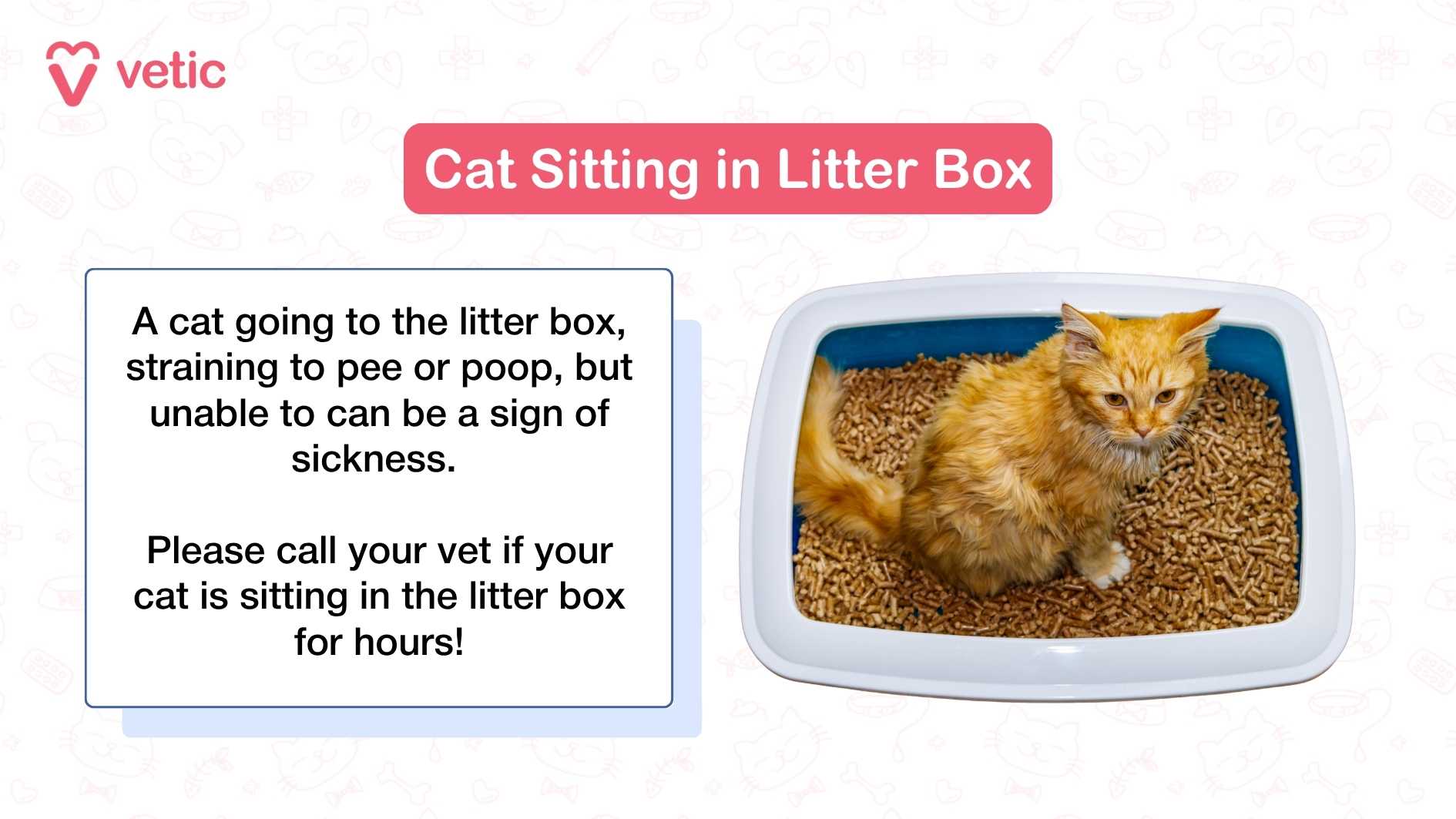
Credit: vetic.in
When To Visit The Vet
Noticing your cat peeing outside the litter box can be frustrating, but it might be more than just a behavioral issue. Sometimes, it signals an underlying health problem that needs immediate attention. Understanding when to visit the vet can save your cat from discomfort and prevent serious complications.
Signs Of Urgent Medical Attention
Watch out for sudden changes in your cat’s bathroom habits paired with signs like:
- Straining or crying while urinating
- Blood in the urine
- Frequent attempts to urinate with little output
- Excessive licking of the genital area
- Sudden aggression or hiding behavior
These symptoms could point to infections or blockages that require immediate care. If your cat shows any of these, don’t wait—contact your vet right away.
Diagnostic Tests
Once at the vet, several tests can help pinpoint the cause:
- Urinalysis:Checks for infection, crystals, or blood in the urine.
- Blood Tests:Evaluate kidney function and detect systemic issues.
- X-rays or Ultrasound:Look for bladder stones or abnormalities.
- Cytology:Examines cells in urine for inflammation or cancer.
These tests provide a clear picture of what’s troubling your cat and guide the vet in recommending the best treatment.
Treatment Options
Treatment varies depending on the diagnosis but often includes:
- Antibiotics:For urinary tract infections.
- Dietary Changes:Special food to dissolve crystals or prevent stone formation.
- Medications:To reduce inflammation or manage pain.
- Fluid Therapy:To flush out the urinary tract.
- Surgery:In rare cases, to remove bladder stones or correct anatomical issues.
Your vet will tailor the treatment to your cat’s specific needs. Have you noticed any subtle signs in your cat that might need a vet’s attention? Sometimes, early action can make all the difference.
Frequently Asked Questions
Why Do Cats Avoid The Litter Box Sometimes?
Cats may avoid the litter box due to stress, dirty litter, or medical issues. Changes in environment or litter type can also cause avoidance. Ensuring cleanliness and consulting a vet helps resolve the issue quickly.
Can Health Problems Cause Cats To Pee Outside The Box?
Yes, urinary tract infections, bladder stones, and kidney issues can cause inappropriate urination. If your cat pees outside the box suddenly, visit a vet immediately for diagnosis and treatment.
How Does Stress Affect A Cat’s Litter Habits?
Stress from new pets, changes at home, or loud noises can cause cats to avoid the litter box. Providing a calm environment and extra attention helps reduce anxiety and improves litter box use.
Does Litter Box Size Impact Where Cats Pee?
Yes, a litter box that is too small or uncomfortable may discourage cats from using it. Providing a spacious, clean box encourages proper litter habits and reduces accidents.
Conclusion
Cats peeing outside the litter box can be frustrating and confusing. Many reasons cause this behavior, such as stress, health problems, or litter box issues. Watching your cat closely helps you spot changes early. Clean the litter box often and keep it in a quiet place.
Visit the vet to rule out medical problems. Patience and care improve your cat’s habits over time. Understanding your cat’s needs builds a stronger bond. Small changes can make a big difference in their behavior. Keep trying, and your cat will feel comfortable again.

Leave a Reply