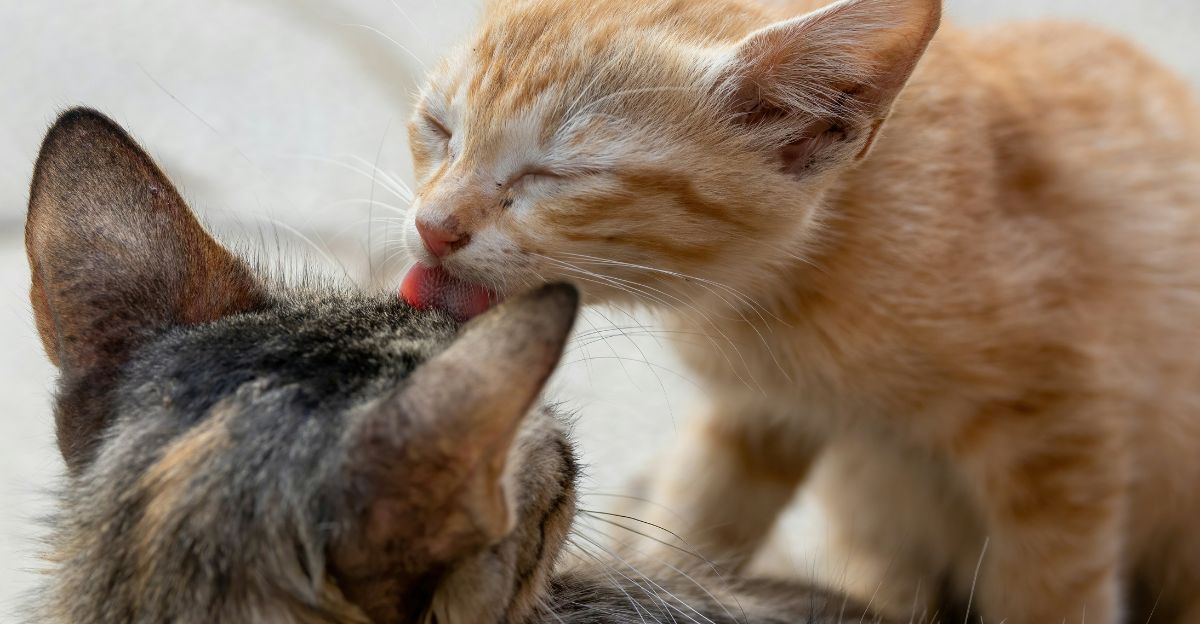
Have you ever noticed your cat nibbling gently at its fur while grooming? It might seem strange or even a little worrying.
But why do cats nibble while grooming, and what does it mean for your furry friend? Understanding this simple behavior can help you connect better with your cat and ensure they stay happy and healthy. Keep reading, and you’ll discover surprising reasons behind those tiny bites—and what you can do to support your cat’s grooming routine.

Credit: www.kinship.com
Cat Grooming Basics
Understanding cat grooming basics helps you see why your feline friend might nibble during their cleaning routine. Grooming is more than just keeping clean—it’s a behavior deeply rooted in their instincts and social interactions. Recognizing these habits will give you insight into your cat’s unique ways of caring for themselves and others.
Self-grooming Habits
Cats spend a large part of their day grooming themselves. They use their tongues to lick their fur, removing dirt and loose hair while spreading natural oils for a healthy coat. Sometimes, you’ll notice your cat nibbling gently on certain spots—this is often to remove stubborn debris or untangle fur mats.
Have you ever watched your cat pause and nibble on a specific area repeatedly? This focused nibbling can be a sign they’re targeting an itchy spot or trying to soothe irritation. If the nibbling seems excessive, it might be worth checking for fleas or skin issues.
Social Grooming Behavior
Grooming isn’t just a solo activity; cats also groom each other as a way to bond and show trust. When your cat nibbles gently on another cat or even your hand, it’s often a social gesture. This nibbling is softer than biting and serves to strengthen relationships within their social group.
If your cat nibbles you while grooming, consider it a compliment. They view you as part of their family circle, and this behavior signals affection and acceptance. Have you noticed if your cat’s nibbling changes depending on their mood or your interaction?
Nibbling As A Grooming Tool
Cats use nibbling as a key part of their grooming routine. This gentle biting helps them keep clean and healthy. Nibbling is not just play or affection; it serves important purposes during grooming. It allows cats to reach areas their tongues cannot clean fully. This behavior also helps in maintaining their skin and fur condition.
Removing Dirt And Parasites
Cats nibble to remove stuck dirt and small parasites from their fur. Their teeth can catch tiny debris that brushing alone misses. This action helps prevent skin infections by cleaning out hidden irritants. Nibbling also targets fleas and ticks that hide close to the skin. This makes grooming more effective and thorough.
Stimulating Blood Flow
Nibbling stimulates blood flow beneath the skin. This increases circulation and promotes healthier skin. Better blood flow helps skin cells get more oxygen and nutrients. It also supports faster healing of minor wounds or scratches. The gentle pressure from nibbling acts like a natural massage for cats.
Communication Through Nibbling
Cats nibble gently during grooming to show affection and trust. This nibbling also helps strengthen their social bonds. It’s a soft way for cats to communicate care and comfort.
Cats have a unique way of communicating with the world around them, and nibbling during grooming is one of their subtle yet expressive behaviors. While it might seem like a simple act of self-cleaning, there’s more to it than meets the eye. Cats often use nibbling as a form of communication, conveying different messages to their fellow feline friends and even to their human companions.Expressing Affection
Nibbling can be a gentle sign of affection from your cat. When they groom each other or even you with little nibbles, they’re showing trust and love. It’s their way of saying, “I care about you.” Think of it as a cat’s version of a warm hug. Have you noticed your cat nibbling on your hand after a petting session? It’s not just about grooming; it’s a heartfelt connection.Setting Boundaries
Cats are known for their independence, and sometimes nibbling is their way of setting boundaries. If your cat nibbles a bit harder during grooming, it might be a gentle request for some personal space. It’s crucial to pay attention to these cues. A firm nibble can mean, “That’s enough for now.” Understanding this behavior can help strengthen your bond with your cat. Wouldn’t you appreciate someone who respects your boundaries too? Recognizing these subtle signs can turn a simple grooming session into a deeper understanding of your feline friend. So next time your cat nibbles you, ask yourself—what is your cat trying to tell you?Play And Exploration
Cats use nibbling as a way to explore their world and express playfulness. This behavior often starts in kittenhood and can continue into adulthood. Nibbling helps cats learn about their environment and bond with others. It is a gentle form of interaction, not meant to harm.
Juvenile Behavior In Adults
Adult cats sometimes keep kitten-like habits, including nibbling. This is a sign of comfort and trust. They may nibble their owners or other cats in a soft, playful way. This behavior reminds them of their early days with their mother and siblings.
Nibbling As A Form Of Play
Nibbling acts as a playful activity for cats. It helps them practice hunting skills without real danger. Cats often nibble during grooming sessions to add fun and interaction. This gentle nibble is a way to engage and connect with their companions.
Health And Comfort Signals
Cats nibbling during grooming is more than just a quirky habit. It’s a form of communication that signals health and comfort. Understanding these signals can help you notice when your cat feels secure or when something might be wrong.
Soothing Anxiety
Nibbling often acts as a calming ritual for cats. If your cat seems a bit restless or nervous, gentle nibbling on their fur or your skin can help ease their anxiety. This behavior releases endorphins, which makes them feel more relaxed and safe.
Have you seen your cat nibble softly when they’re in a new environment or after a loud noise? That’s their way of self-soothing. Recognizing this can help you provide a comforting space or reduce stress triggers for your pet.
Indications Of Skin Issues
Sometimes, nibbling points to discomfort caused by skin problems. Cats may chew or nibble on areas that itch or hurt due to allergies, parasites, or infections. If you notice frequent nibbling in a particular spot, check for redness, swelling, or hair loss.
Ignoring this behavior could mean missing early signs of skin conditions. You might want to consult your vet if nibbling turns into persistent biting or scratching. Catching these issues early improves your cat’s comfort and prevents complications.

Credit: www.reddit.com
When Nibbling Becomes Excessive
Nibbling during grooming is normal for cats, but when it becomes excessive, it could signal an underlying issue. You might notice your cat biting or chewing the same spot repeatedly, leading to redness or hair loss. Understanding when nibbling crosses the line helps you protect your cat’s health and comfort.
Identifying Stress-related Behavior
Excessive nibbling often points to stress or anxiety. Cats may over-groom to soothe themselves when they feel threatened or bored. Watch for other signs like hiding, changes in appetite, or increased vocalization that could confirm stress.
Has your cat’s environment changed recently? New pets, loud noises, or even rearranged furniture can trigger stress. Keeping a consistent routine and providing safe spaces can help reduce this behavior.
Seeking Veterinary Advice
If nibbling causes wounds or hair loss, a vet visit is crucial. Your vet can check for skin infections, allergies, or parasites that might make your cat uncomfortable. Sometimes, underlying medical issues are mistaken for behavioral problems.
Don’t hesitate to ask your vet about behavior modification strategies or possible medications. Early intervention can prevent further discomfort and help your cat return to healthy grooming habits.

Credit: www.reddit.com
Frequently Asked Questions
Why Do Cats Nibble Themselves While Grooming?
Cats nibble to remove dirt, loose fur, and parasites. This helps keep their coat clean and healthy. Nibbling also stimulates blood flow and promotes skin health.
Is Nibbling A Sign Of Cat Affection?
Yes, cats nibble gently on owners or other cats to show affection. It’s a bonding behavior that expresses trust and comfort.
Can Nibbling Indicate Cat Stress Or Illness?
Excessive nibbling might signal stress, allergies, or skin conditions. If your cat nibbles too much, consult a vet to rule out health issues.
How Often Do Cats Nibble During Grooming?
Cats nibble sporadically as part of their regular grooming routine. This behavior varies based on their mood, coat type, and cleanliness needs.
Conclusion
Cats nibble while grooming to clean and comfort themselves. This behavior helps remove dirt and loose fur. It also shows trust and affection when done on other cats or people. Nibbling can be a way to feel calm and safe.
Understanding this habit helps strengthen your bond with your pet. Watch your cat’s nibbling to know their mood better. Simple actions reveal much about your cat’s feelings. Keep observing and enjoy these small, caring moments together.


Leave a Reply