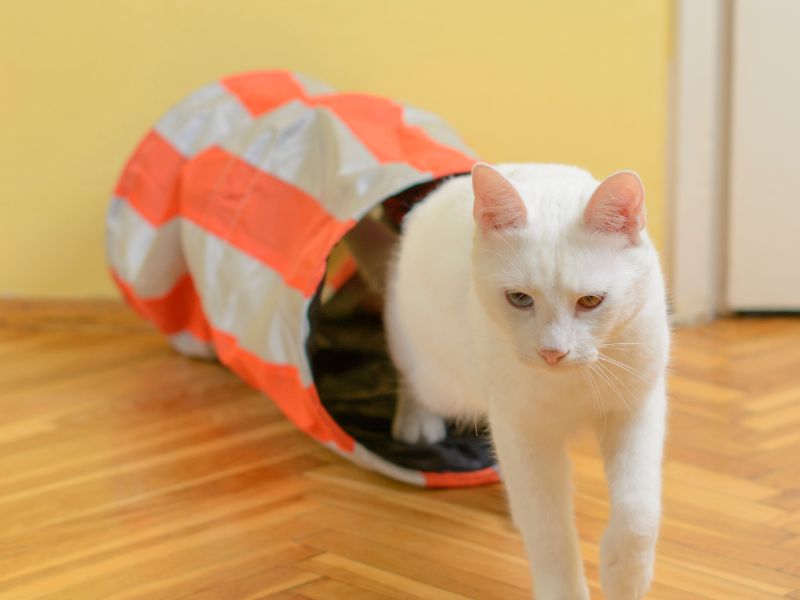
Have you ever noticed your cat curling up right on top of their toys instead of the cozy bed you bought them? It might seem strange, but there’s a good reason behind this quirky habit.
Understanding why your cat loves to lay on toys can help you connect better with your furry friend and make their favorite spots even more inviting. Keep reading, and you’ll discover surprising insights about your cat’s behavior that you didn’t expect.
This knowledge will change the way you see your pet’s playtime and naptime forever.
Credit: basepaws.com
Comfort And Security
Cats often choose toys as their resting spots because these objects offer comfort and a sense of security. Toys carry familiar smells and textures that help cats feel calm. Resting on toys makes cats feel cozy and safe in their environment.
Scent Marking Behavior
Cats have scent glands on their paws and face. When they lay on toys, they leave their scent behind. This scent marking tells other animals that this spot belongs to them. It also creates a familiar area that smells like the cat, which helps reduce stress.
Feeling Safe And Protected
Toys act like little shields for cats. They provide a soft barrier between the cat and the floor or other surfaces. This makes cats feel protected while they rest. The toy’s size and shape can mimic a small friend, adding to the feeling of safety and warmth.
Play And Possession
Understanding why cats love to lay on their toys gives you a glimpse into their playful and possessive nature. Toys aren’t just objects to them; they are part of their personal space and identity. This connection combines play and possession, making their favorite toys cozy spots to rest.
Claiming Favorite Toys
Have you noticed your cat dragging a toy to a sunny corner or their bed? This behavior shows they claim these toys as their own. Laying on a toy is a way for cats to mark it with their scent and signal ownership.
When your cat curls up on a toy, it’s not just comfort—they are protecting their prized possession. This habit helps them feel secure and in control of their environment. Watching your cat guard their toy can reveal how much they value it.
Interactive Playtime Habits
Your cat’s relationship with toys changes during playtime. They often chase, pounce, and bat at toys, treating them like prey. After an energetic session, laying on the toy helps them transition from hunting mode to rest.
Think about how your cat treats a toy after playing: they carry it around or nestle on it. This shows a mix of excitement and attachment, almost like they’re keeping their “catch” close. You can enhance this bond by rotating toys to keep their interest alive.
Warmth And Texture
Cats often choose toys as their resting spots due to the warmth and texture these items offer. Toys can provide a cozy surface that feels comfortable and safe. The material of the toy plays a big role in attracting cats. They enjoy soft, warm places that make them feel relaxed and secure. Understanding these preferences helps explain why cats love to lay on their toys.
Seeking Cozy Surfaces
Cats look for places that keep their body heat. Toys often absorb and hold warmth well. This makes toys ideal for cats to snuggle on cold days. The shape of many toys also offers a slight cushion. This adds to the cozy feeling cats seek. A warm, soft surface can calm a cat and make it feel at home.
Preference For Soft Materials
Cats prefer toys made from soft, gentle materials. Fabrics like fleece or plush feel nice on their fur. Soft textures mimic the feeling of their mother’s fur. This can bring comfort and reduce stress. Hard or rough toys do not attract cats as much. Soft toys invite cats to rest and play at the same time.
Attention And Social Signals
Cats often lay on toys because they seek comfort and warmth from familiar objects. Their attention on toys also signals ownership and helps them feel safe. Socially, it shows their bond with the toy, which may carry their scent or remind them of playtime.
Cats have a fascinating way of communicating their needs and desires, often through subtle behaviors that might seem puzzling at first. One such intriguing behavior is their penchant for lounging on toys. This quirky habit isn’t just about comfort or play; it’s a complex mix of attention-seeking and social signaling.Attracting Human Interaction
Cats are master strategists when it comes to getting your attention. Lying on toys is no exception. By placing themselves where your eyes naturally wander, they ensure you notice them. Have you ever found your cat sprawled across their favorite toy just when you’re about to pick it up? This is their way of saying, “Hey, I’m here, and I want some love!” Your cat might also be associating their toys with you. If you often play with them using certain toys, they might lie on them to remind you of those shared moments.Communicating With Other Pets
Cats use toys to convey messages not only to you but also to other pets in the house. By lying on their toys, they might be marking their territory or asserting dominance. This behavior tells other pets, “This is mine, and I’m not sharing right now.” It’s a subtle but powerful way for cats to communicate their boundaries. Have you noticed your cat lying on a toy after another pet played with it? This might be their way of reclaiming their space and sending a clear signal to their furry housemate. Understanding these social cues can help you better interact with your cat and other pets. Next time your feline friend lounges on a toy, think about what they’re trying to tell you.Instinctive Hunting And Nesting
Cats have deep-rooted instincts that influence their behavior, especially when it comes to laying on toys. These instincts connect to their natural hunting and nesting habits. Understanding these can help you see why your cat chooses that stuffed mouse or feather wand as a favorite resting spot.
Mimicking Prey Capture
Your cat often treats toys like prey, even when playtime is over. Laying on a toy is similar to how a wild cat would pin down its catch. This behavior helps your cat feel in control and satisfied, even without a real hunt.
Have you noticed how your cat sometimes paws or bites the toy before settling on it? That’s their way of “capturing” it. It’s a small ritual that satisfies their hunting drive and provides mental stimulation.
Creating A Personal Nest
Cats love cozy, secure spots. When your cat lays on a toy, it’s not just for fun—it’s about making a comfortable, personal nest. The toy becomes a soft, familiar object that gives them a sense of safety.
Think about your cat’s favorite blanket or bed. Adding toys to their resting space adds warmth and scent, which makes the nest feel more like “theirs.” You might find your cat rearranging toys or curling up tightly around them. This shows how important these objects are for their comfort and peace of mind.

Credit: deziroo.com

Credit: www.catsessentials.com
Frequently Asked Questions
Why Do Cats Prefer Laying On Toys?
Cats find toys comforting due to their scent and texture. Toys provide warmth and a sense of security. Laying on toys also satisfies their natural instincts to claim belongings.
Do Toys Offer Cats Emotional Comfort?
Yes, toys act as emotional support for cats. They reduce stress and anxiety by providing familiarity. Cats associate toys with play and relaxation, enhancing their emotional well-being.
Can Toys Help Cats Feel Safe At Home?
Toys create a safe and familiar environment for cats. They mark toys with their scent, making the space feel secure. This behavior helps cats relax and feel protected indoors.
Are Certain Toys Better For Cats To Lay On?
Soft, plush toys are preferred for comfort and warmth. Lightweight toys that retain scent are also favored. Cats choose toys that mimic prey or have appealing textures.
Conclusion
Cats often choose toys as cozy spots to rest. Toys carry their scent, making them feel safe. Soft textures and shapes invite comfort and warmth. Sitting on toys also helps cats mark their space. This behavior shows trust and relaxation around their belongings.
Understanding this habit can deepen your bond with your cat. Enjoy watching your pet find joy in simple things. It’s a small but meaningful part of their daily life.



Leave a Reply