Have you ever wondered why your cat seems to instinctively know how to use the litter box? It’s almost like they just get it, without any complicated training.
Understanding this natural behavior can help you create a happier, cleaner home for both you and your furry friend. You’ll discover the surprising reasons behind your cat’s litter box habits and learn how to make the experience even easier for them—and for you.
Keep reading to unlock the secrets of your cat’s clever litter box skills.
Cat Instincts And Litter Box Use
Cats have a natural ability to use the litter box. This skill is deeply rooted in their instincts. Understanding these instincts helps explain why cats quickly learn to bury their waste. Their behavior is not random but a result of evolution and survival tactics.
Natural Behavior In The Wild
Wild cats avoid leaving strong scents near their living spaces. They bury their waste to hide their presence from predators. This habit keeps them safe and reduces the chance of attracting enemies. It also helps them avoid conflicts with other cats. The act of digging and covering waste is a natural behavior that domestic cats inherit.
Evolution Of Litter Habits
Over time, cats developed ways to keep their environment clean. This cleanliness supports their health and comfort. Domestic cats retain this instinct even when living indoors. The litter box mimics the natural places cats choose in the wild. It provides a soft, diggable surface similar to dirt or sand. This makes it easier for cats to follow their instinct to cover their waste.
Role Of Scent And Smell
Cats rely heavily on their sense of smell. It guides many behaviors, including litter box use. Their noses can detect subtle scents that humans cannot. These scents help cats understand their environment. The litter box becomes a familiar place through these smells.
Scent plays a key role in how cats mark and recognize territory. This helps them feel safe and secure. The smell of the litter box signals a private and clean spot. Cats instinctively seek such places for elimination.
How Cats Detect Territory
Cats use scent glands on their face, paws, and tail. They rub these glands on surfaces to leave a scent mark. This marking tells other cats, “This is my space.” The litter box carries the cat’s own scent. This makes it an accepted spot for toileting.
Smell helps cats avoid areas marked by other animals. It keeps them away from potential threats. Familiar scents reduce stress and encourage routine habits. The litter box scent becomes a clear signal of safety.
Scent Marking And Privacy
Cats prefer private spots with their own scent. The litter box offers a clean, enclosed area. Cats cover their waste to hide the smell from predators. This natural behavior keeps their scent hidden but still marks territory.
Clean litter maintains a balance of familiar and fresh smells. Too strong or dirty odors can confuse cats. They may avoid the box if it smells wrong. Proper litter care supports their natural scent-marking and privacy needs.
Learning And Training
Cats learn to use the litter box through instinct and training. They naturally bury their waste, making the litter box a familiar spot. Gentle guidance from owners helps reinforce this behavior quickly.
Cats’ natural instinct to use the litter box is fascinating and often leaves us wondering about the learning and training involved. Understanding this process can shed light on how cats develop such a crucial habit. From early kitten stages to the influence of their mother cat, each step plays a vital role in shaping their behavior.Kitten Development Stages
In the first few weeks of life, kittens are primarily dependent on their mother. They learn basic skills by observing and mimicking her actions. Around three to four weeks old, kittens start exploring their surroundings, and this is when they begin to develop an interest in litter boxes. During this exploration phase, their curiosity leads them to the litter box, where they start digging and playing with the litter. This is a natural behavior that sets the foundation for litter training. As they grow, their instincts to bury waste become stronger, reinforcing their use of the litter box.Mother Cat’s Influence
A mother cat plays a crucial role in her kittens’ litter training. By setting an example, she teaches them the importance of hygiene and using a designated area for elimination. Her consistent use of the litter box provides a model for her kittens to follow. Have you ever noticed how a mother cat patiently grooms her kittens? This grooming behavior extends to their toilet habits, as she encourages them to use the litter box by gently guiding them. This nurturing approach ensures that the kittens associate the litter box with cleanliness and comfort. By observing and imitating their mother, kittens quickly learn the ropes of litter box use. This natural method of learning, combined with their inherent instincts, makes litter training almost effortless for most cats. As you care for your feline friend, understanding these developmental stages can enhance your training efforts and create a harmonious living environment.
Credit: soykitty.com
Environmental Factors
Environmental factors play a big role in how cats learn to use the litter box. Cats are very sensitive to their surroundings, and small changes can affect their bathroom habits. Understanding these factors can help you create the perfect setup that your cat feels comfortable with.
Litter Box Placement
Where you put the litter box matters a lot. Cats prefer quiet, private spots away from loud noises and heavy foot traffic. If your cat seems hesitant to use the box, consider moving it to a calmer area.
Think about your own bathroom habits—would you feel comfortable using a toilet in the middle of a busy room? Your cat feels the same way. Avoid placing the box near their food or water dishes, as cats like to keep these areas separate.
Type Of Litter And Texture
The type of litter you choose can make or break your cat’s willingness to use the box. Most cats prefer fine, clumping litter that feels soft under their paws. Rough or scented litters might deter them from using the box.
Try different textures if your cat is picky. Some cats dislike scented litter, while others avoid crystals or pellets because they don’t feel natural. Watching how your cat reacts when you change the litter can give you clues about what they prefer.
Common Issues With Litter Box Use
Many cats usually learn to use the litter box quickly. Still, some cats face problems that stop them from using it properly. These issues often confuse cat owners and can cause frustration. Understanding common causes helps in fixing the problem and keeping cats happy.
Stress And Anxiety Effects
Stress can make cats avoid the litter box. Changes in the home, like new pets or guests, may upset them. Loud noises or moving to a new house can also cause anxiety. Stressed cats might pee outside the box or scratch less in it. Recognizing stress signs helps in calming cats and improving litter box use.
Health Problems Impacting Behavior
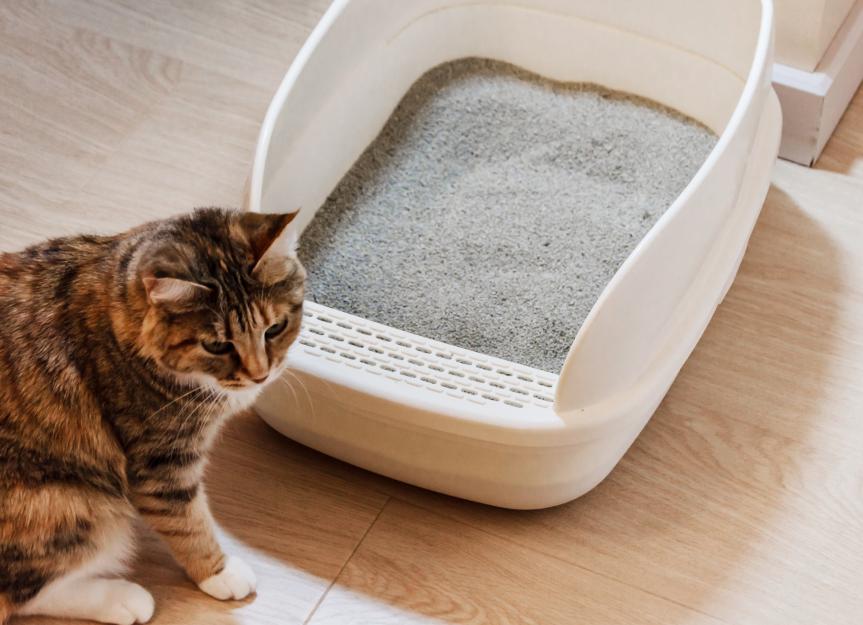
Health issues often affect a cat’s bathroom habits. Urinary tract infections cause pain and frequent urination. Arthritis or injuries make it hard to enter or exit the box. Kidney problems or diabetes can increase thirst and urination. If a cat suddenly stops using the box, a vet visit is important to check for illness.
Credit: www.petmd.com
Tips To Encourage Proper Litter Use
Encouraging your cat to use the litter box properly is key to keeping your home clean and your feline friend happy. Small changes in how you care for the litter box and interact with your cat can make a big difference. Here are some practical tips that can help you support your cat’s natural habits.
Cleaning And Maintenance
Keep the litter box fresh by scooping it daily. Cats prefer a clean spot, and a dirty box can discourage them from using it.
Wash the box with mild soap once a week to remove odors. Avoid strong-smelling cleaners because they might repel your cat.
Consider the type of litter you use. Some cats prefer fine-grained clumping litter while others like natural or unscented options. Experiment to find what your cat likes best.
Positive Reinforcement Techniques
Reward your cat immediately after they use the litter box. A gentle pet, a favorite treat, or kind words can make a big impact.
Observe your cat’s behavior and praise them when they approach or enter the box. This builds a positive connection.
If accidents happen, clean the area thoroughly to remove the scent and avoid punishment. Instead, guide your cat gently back to the box.
Have you noticed how your cat responds to praise or treats? Using these moments can strengthen their litter box habits effectively.

Credit: meowant.com
Frequently Asked Questions
Why Do Cats Instinctively Use Litter Boxes?
Cats have a natural instinct to bury their waste. This behavior helps them hide their scent from predators. It’s a survival tactic passed down from wild ancestors. Litter boxes simulate this natural environment, encouraging cats to use them consistently.
How Do Cats Learn To Use The Litter Box?
Most cats learn litter box use from their mother during kittenhood. The mother cat shows them how to dig and bury waste. This early training helps cats develop good bathroom habits naturally and quickly.
Can All Cats Be Trained To Use Litter Boxes?
Almost all cats can be trained to use litter boxes. Some may take longer due to past trauma or health issues. Patience, consistency, and a clean, accessible litter box are key for successful training.
What Types Of Litter Boxes Do Cats Prefer?
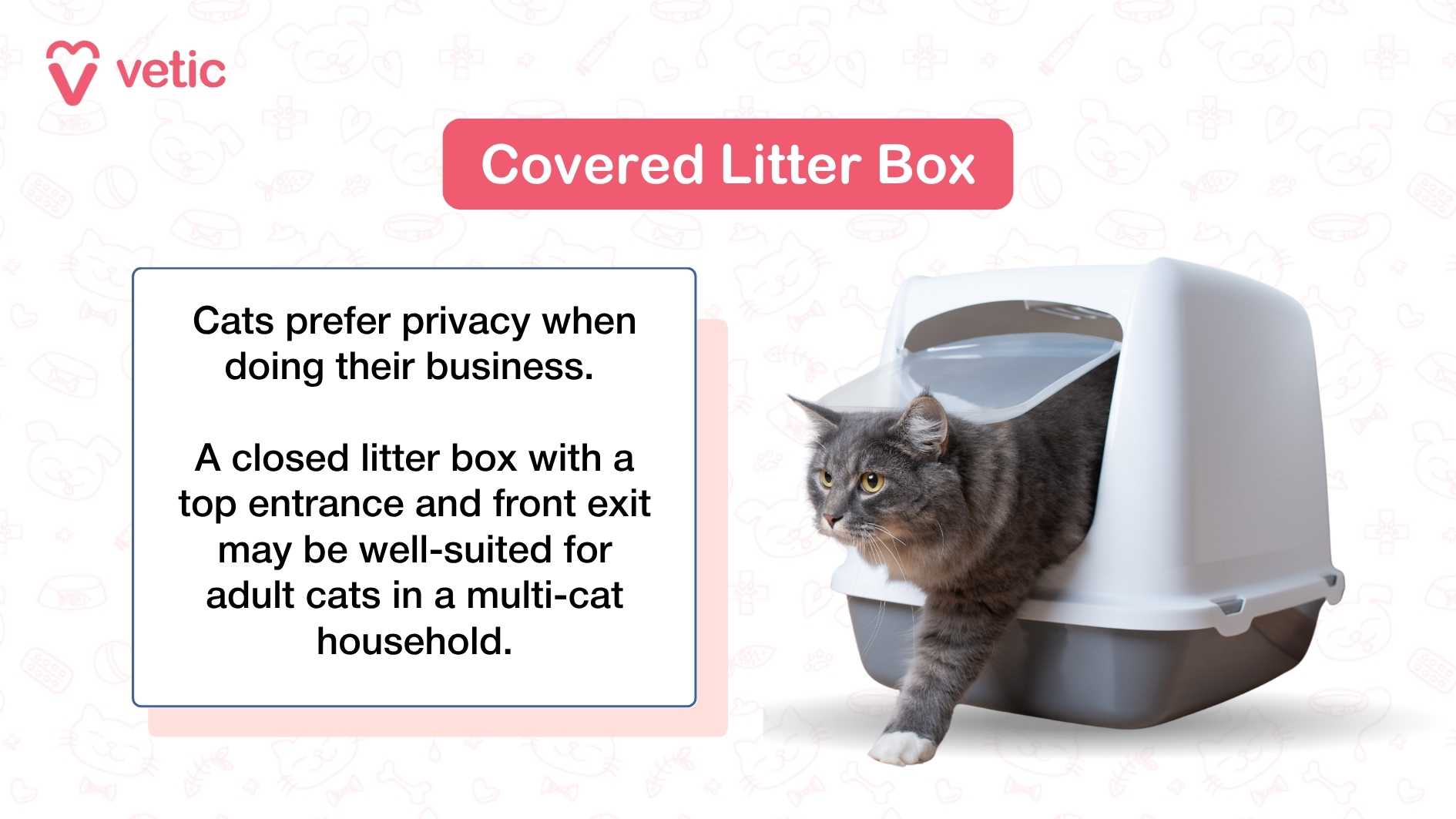
Cats prefer litter boxes that are clean, spacious, and quiet. Covered boxes can offer privacy but some cats dislike them. Using unscented, clumping litter often attracts cats more effectively.
Conclusion
Cats instinctively use the litter box because of their natural habits. They like to bury their waste to hide their scent. This behavior helps them stay clean and safe. Cats learn quickly from their mother or their environment. Providing a clean and quiet litter box makes training easier.
Understanding why cats use the litter box helps owners care better. A happy cat means a happy home. Simple steps can keep your cat comfortable and healthy. Trust your cat’s natural instincts—they know what to do.

Leave a Reply