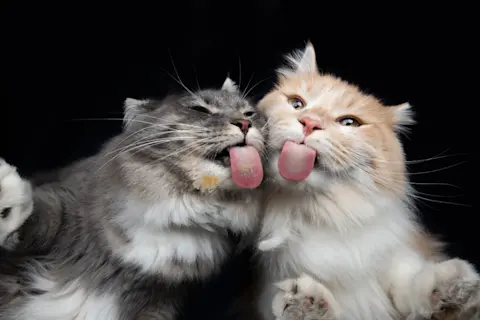
Have you ever noticed your cat gently holding your throat or giving a little bite while grooming you? It might seem strange or even a bit surprising at first.
But there’s a reason behind this behavior that goes beyond just playfulness. Understanding why your cat does this can help you build a stronger bond and make grooming time more enjoyable for both of you. Keep reading, and you’ll discover the secrets behind this curious action and what it really means for your relationship with your furry friend.
Grooming Behavior In Cats
Cats spend a significant part of their day grooming themselves and each other. This behavior is essential not only for cleanliness but also for bonding and communication. Understanding why cats sometimes hold throats or bite during grooming can help you better interpret their actions and respond appropriately.
Normal Grooming Actions
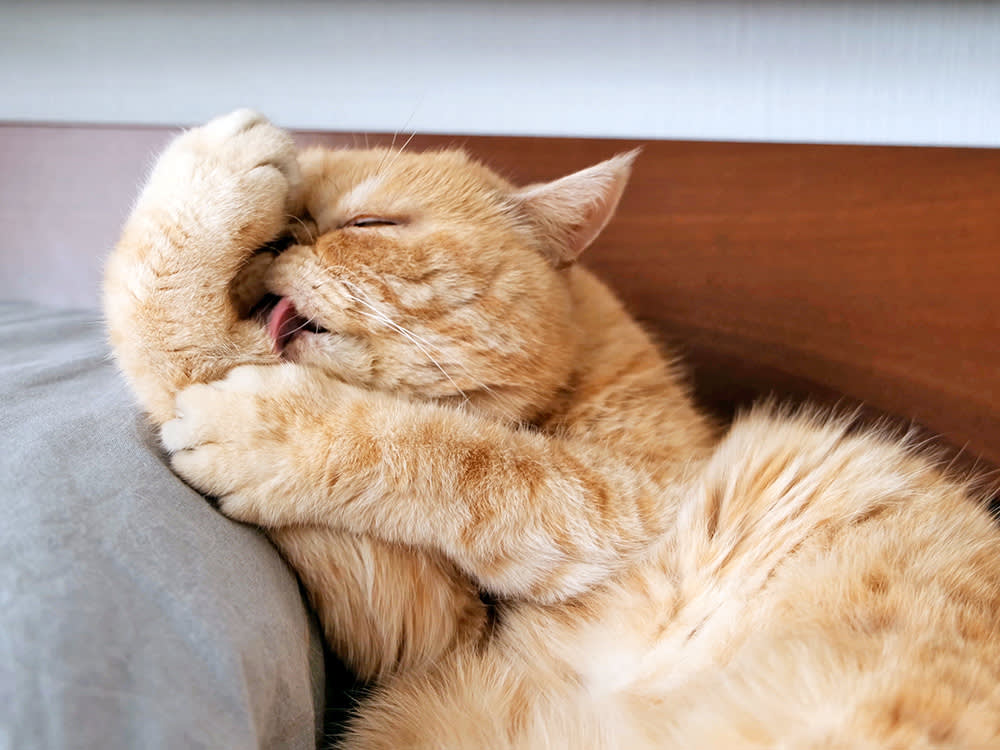
Grooming in cats usually involves gentle licking and nibbling. They use their tongues to clean fur and remove dirt, while their teeth help detangle knots. Holding the skin or fur gently with their mouths is common and shows trust, especially when grooming another cat or even their human.
You might notice your cat softly nibbling your hand or neck during petting. This usually means they feel comfortable and are including you in their grooming ritual. They often pause to lick or rub against you, reinforcing the bond.
When Grooming Turns Rough
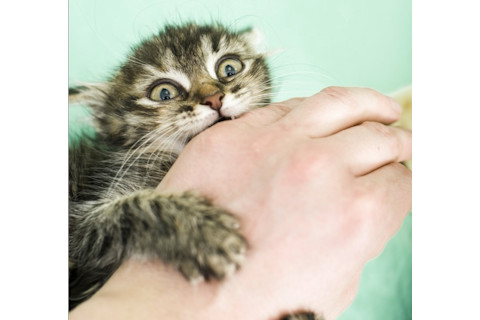
Sometimes, what starts as a gentle lick can turn into a firm bite or throat hold. This shift often happens if your cat feels overstimulated or if the grooming spot is sensitive. They may also do this as a way to communicate that they want you to stop or slow down.
Watch for signs like twitching tails, flattened ears, or sudden movements—they signal your cat’s mood is changing. If your cat bites during grooming, try redirecting their attention with a toy or giving them space. This helps prevent stress and keeps your interactions positive.
Credit: www.discovermagazine.com
Reasons Behind Throat Holding
Cats often hold throats or gently bite during grooming sessions, leaving many pet owners curious about this behavior. Understanding the reasons behind this action can help you better connect with your feline friend and respond appropriately. It’s not just about aggression or discomfort; these gestures carry deeper meanings tied to communication and bonding.
Showing Affection
When your cat holds your throat or gently bites you during grooming, it can be a sign of affection. Cats use gentle nibbles to express love, much like how they groom one another. This behavior helps strengthen the bond between you and your pet, showing trust and comfort.
Think about how your cat licks or nuzzles your hand—these throat holds are often an extension of that affectionate behavior. It’s their way of saying, “I care about you.” Have you noticed your cat doing this when they’re especially relaxed?
Establishing Dominance
Sometimes, throat holding can be a subtle way for your cat to assert dominance. In multi-cat households, this behavior helps establish social hierarchy without causing harm. Even with humans, your cat might use this gesture to show they feel in control.
However, dominance doesn’t always mean aggression. It’s more about communication and setting boundaries. If your cat holds your throat during grooming, observe their body language to see if they’re calm or tense.
Playful Interaction
Many cats incorporate throat holds into their playtime as part of a fun, interactive game. Playful biting and holding simulate hunting behavior and help them practice important skills. This is especially common in younger cats who are still learning about social cues.
If your cat’s throat holding is gentle and followed by purring or kneading, it’s likely a sign of playfulness rather than aggression. Have you tried redirecting this behavior with toys to keep play safe and enjoyable?
Why Cats Bite During Grooming
Cats bite or hold throats during grooming as a way to show affection or control. Sometimes, it helps them feel safe and calm. This behavior mimics how mother cats care for their kittens.
Why do cats sometimes bite during grooming sessions? Cats, with their unique behaviors, often communicate in ways humans might not understand. Biting during grooming can seem puzzling. Understanding why this happens can strengthen the bond with your feline friend.Communication Through Biting
Cats communicate in various ways. Biting is one of them. A gentle bite can express affection or assert boundaries. It might be their way of saying, “I’ve had enough.” Cats often use their mouths to interact with the world. Understanding this behavior helps in decoding their needs.Overstimulation Response
Cats have sensitive skin. Too much petting can cause overstimulation. This can lead to biting as a response. Pay attention to their body language during grooming. Flattened ears or twitching tails are signs of discomfort. Pause grooming if you notice these signals.Redirected Aggression
Cats might bite due to redirected aggression. This happens when they are stressed by something else. It could be an outside noise or another animal. During grooming, they might redirect this stress by biting. Ensure a calm environment to reduce such incidents. Understanding these behaviors makes grooming sessions enjoyable for both of you.Signs To Watch For
Watching your cat during grooming helps understand their feelings. Cats may bite or hold throats for many reasons. Some signs tell if they are playful, stressed, or annoyed. Observing these signs can keep grooming safe and pleasant.
Body Language Clues
- Tail flicking fast means irritation or excitement.
- Ears pinned back show fear or anger.
- Relaxed body and slow blinking show trust.
- Stiff posture means discomfort or tension.
- Purring can mean contentment or nervousness.
Vocalizations And Sounds
- Soft meows or chirps usually mean playfulness.
- Hissing signals fear or warning to stop.
- Growling shows anger or stress.
- Quiet purring often means calm and happy.
- Sudden loud yowls indicate pain or upset.
Managing Rough Grooming
Managing rough grooming is important for a calm and safe interaction between you and your cat. Cats may bite or hold throats during grooming because of excitement, overstimulation, or play instincts. Understanding how to guide their behavior helps reduce these rough moments.
Teaching your cat gentle grooming habits takes patience. Reward calm behavior and stop grooming when your cat becomes too rough. Consistent training helps them learn which actions are okay.
Training Gentle Behavior
Start grooming sessions in a quiet place with few distractions. Use soft strokes and watch your cat’s reactions closely. Stop immediately if they bite or hold your throat. Praise and pet your cat when they stay calm.
Use treats to encourage gentle behavior. Repeat short sessions daily to build good habits. Avoid forcing grooming for long times as this may cause aggression.
Providing Appropriate Toys
Give your cat toys that mimic prey to satisfy their hunting instincts. Toys like feather wands, soft mice, or balls keep them busy and reduce biting during grooming.
Rotate toys regularly to keep your cat interested. Play with your cat often to release energy in a positive way. This lowers the chance they will bite during grooming.
Credit: www.kinship.com
When To Seek Veterinary Advice
Knowing when to seek veterinary advice about your cat’s grooming behavior can protect your furry friend from potential harm. Grooming should be a calm and bonding time, but if throat holding or biting becomes frequent or aggressive, it’s important to understand the risks involved. Watching for warning signs early can help you intervene before minor issues turn serious.
Injury Risks
Cats holding or biting their own or another cat’s throat during grooming might cause injuries without you realizing it. Even gentle bites can lead to broken skin, infections, or swollen areas that need medical attention.
If you notice any of these signs, it’s time to call the vet:
- Open wounds or bleeding around the throat
- Swelling or redness that doesn’t go away quickly
- Excessive scratching or pawing at the throat area
- Changes in eating, drinking, or breathing
Ignoring these symptoms could lead to infections or more serious complications. Your vet can provide treatment and advice tailored to your cat’s specific needs.
Behavioral Concerns
Sometimes, aggressive grooming behaviors like biting or holding the throat can signal stress or anxiety. If your cat suddenly starts acting this way, consider what has changed in their environment.
Ask yourself:
- Has there been a new pet, person, or change at home?
- Is your cat showing signs of fear or discomfort elsewhere?
- Are these grooming sessions turning into fights?
Such behaviors might indicate underlying issues that a vet or animal behaviorist can help address. Early professional guidance can prevent escalation and improve your cat’s well-being.
Credit: www.petscare.com
Frequently Asked Questions
Why Do Cats Hold Throats During Grooming?
Cats hold throats gently to show trust and control. This behavior mimics motherly care, helping them bond and feel secure during grooming.
Is Biting Normal When Cats Groom Each Other?
Yes, light biting is normal. It helps remove dirt and loose fur. However, hard bites may signal discomfort or play aggression.
Do Cats Bite To Communicate During Grooming?
Yes, cats may bite softly to signal boundaries. It’s their way of saying “stop” or “be gentle” during grooming sessions.
How Can I Prevent Aggressive Biting In Cat Grooming?
Watch body language and stop if biting gets hard. Use distractions or gentle redirection to keep grooming calm and positive.
Conclusion
Cats hold throats or bite during grooming to show care and trust. This behavior helps them bond and feel safe. It also helps keep their fur clean and healthy. Understanding these actions can improve your relationship with your cat. Watch your cat’s body language to know when it enjoys grooming.
Respect their comfort and give them space when needed. This way, grooming stays a positive experience for both of you. Keep learning about your cat’s habits for a happy pet life.


Leave a Reply