Have you ever watched cats grooming each other and wondered why they do it? It’s more than just a cute behavior.
When cats clean one another, they are using biology to communicate, build trust, and stay healthy. Understanding this natural habit can help you see your feline friends in a whole new light. Keep reading to discover the surprising reasons behind this grooming ritual and how it benefits your cats every day.

Credit: www.reddit.com
Social Bonding
Cats grooming each other is more than just a hygiene habit. It plays a crucial role in their social lives. This behavior helps them build and maintain strong bonds within their group.
Strengthening Relationships
When cats groom each other, they show trust and affection. This act helps reduce tension and creates a sense of safety among them.
Have you noticed how your cats sometimes pause to groom one another after a play session? This moment is their way of saying, “You’re part of my circle.”
This bonding through grooming encourages cooperation and reduces conflicts. It’s like a silent agreement that they belong together.
Group Cohesion Benefits
Grooming serves as a social glue that keeps the cat group unified. It helps them work as a team to defend territory and share resources.
In multi-cat households, grooming can prevent jealousy and rivalry. It balances their social structure and keeps peace.
Think about how your cats behave more calmly when they groom each other. That’s group cohesion at work, making their environment less stressful for everyone.

Credit: www.youtube.com
Hygiene And Health
Grooming plays a vital role in keeping cats healthy and clean. When cats groom each other, they do more than just look cute—they actively work to protect their bodies from harmful elements. Understanding the biology behind this behavior can help you appreciate how your feline friends stay so well-maintained.
Removing Parasites
Cats often groom each other to remove parasites like fleas and ticks that are hard to reach alone. Their sharp teeth and flexible tongues are perfect tools for pulling out these unwelcome guests.
Have you noticed your cats focusing on each other’s neck and ears? These areas are favorite hiding spots for parasites. By grooming each other, cats reduce the risk of infestations that could lead to serious health issues.
Maintaining Cleanliness
Keeping fur clean is crucial for preventing infections and skin problems. Cats use grooming to remove dirt, dead skin, and loose hair, which helps their coats stay smooth and shiny.
When your cat licks another, it spreads natural oils that protect the skin and fur. This shared grooming helps maintain a healthy barrier against environmental irritants and keeps their fur waterproof.
Stress Reduction
Cats groom each other to reduce stress and build trust. This behavior releases calming hormones and strengthens social bonds. It helps them feel safe and relaxed in their group.
Cats are fascinating creatures with a unique set of behaviors that often leave us intrigued. One such behavior is mutual grooming, which plays a significant role in stress reduction. Cats are known to be meticulous groomers, and when they groom each other, it isn’t just about keeping clean. It’s a comforting ritual that helps reduce stress and strengthen social bonds. But how exactly does this work?Calming Effects
When cats groom each other, it releases endorphins, the body’s natural feel-good chemicals. This act of grooming has a soothing effect on both the groomer and the one being groomed. It’s similar to how a massage might relax you after a long day. The rhythmic motion of grooming is calming and can lower anxiety levels. This can be especially beneficial in multi-cat households where tension might arise. Next time you see your cats grooming each other, know that it’s their way of maintaining peace and tranquility.Comfort And Reassurance
Grooming is a form of reassurance among cats. It conveys a message of trust and safety, strengthening their social bonds. Cats often groom each other in areas that are hard to reach, like the head and neck, which requires a high level of trust. This behavior can also reflect a nurturing instinct. Imagine how comforting it must be for a cat to feel the gentle grooming strokes from a companion. It’s like getting a warm hug from a friend when you need it most. Have you ever noticed your cats grooming each other after a stressful event, like a visit to the vet? This is their way of comforting one another and easing the stress. It’s a beautiful reminder of the importance of connection and support.Biological Mechanisms
Understanding the biological mechanisms behind why cats groom each other reveals fascinating insights into their social behavior and survival instincts. This grooming, known as allogrooming, goes beyond cleanliness. It plays a crucial role in communication and bonding within a feline group.
Scent Sharing
Cats have scent glands located around their faces and bodies. When they groom each other, they transfer these scents, creating a shared group odor. This scent sharing helps cats recognize each other and reinforces their social bonds.
Have you noticed how your cats often groom in the same spot? It’s because they’re mixing their individual scents to form a collective identity. This biological process helps reduce tension and promotes harmony in multi-cat households.
Hormonal Influences
Grooming triggers the release of hormones like oxytocin, often called the “bonding hormone.” This hormone strengthens trust and affection between cats. When your cats groom each other, they’re not just cleaning—they’re building emotional connections.
Stress hormones like cortisol also decrease during grooming sessions. This calming effect explains why cats seek out grooming partners when they feel anxious or uneasy. Could encouraging grooming be a natural way to ease your cat’s stress?
Grooming Hierarchies
Cats don’t just groom each other to stay clean. Grooming hierarchies reveal a fascinating social structure within feline groups. Understanding these hierarchies helps you see how cats communicate, form bonds, and establish order.
Dominance And Submission
In cat groups, grooming often reflects who’s in charge. The dominant cat usually initiates grooming and chooses who to groom. Subordinate cats accept this attention as a sign of respect and submission.
You might notice a confident cat grooming a shy one, but rarely the other way around. This behavior keeps peace and reduces conflicts by clearly showing social ranks. Have you ever seen your cats groom each other and wondered who’s boss? This is likely the reason.
Reciprocal Grooming
Grooming isn’t just about hierarchy—it’s also a way cats build friendships. Reciprocal grooming means cats take turns cleaning each other, strengthening trust and cooperation. It’s their way of saying, “I’m here for you.”
This mutual grooming helps reduce stress and creates a feeling of safety. If you observe your cats, you might spot pairs that groom each other frequently, signaling a close bond. Could encouraging grooming between your cats improve their relationship?
Evolutionary Origins
Understanding why cats groom each other leads us back to their evolutionary roots. This behavior is not just about cleanliness; it carries deep biological significance shaped over thousands of years. Knowing these origins helps you appreciate the complex social bonds cats form through grooming.
Ancestral Behavior
Cats inherited grooming habits from their wild ancestors. Early felines used mutual grooming to strengthen social ties within their groups. This behavior helped them live and hunt together more effectively.
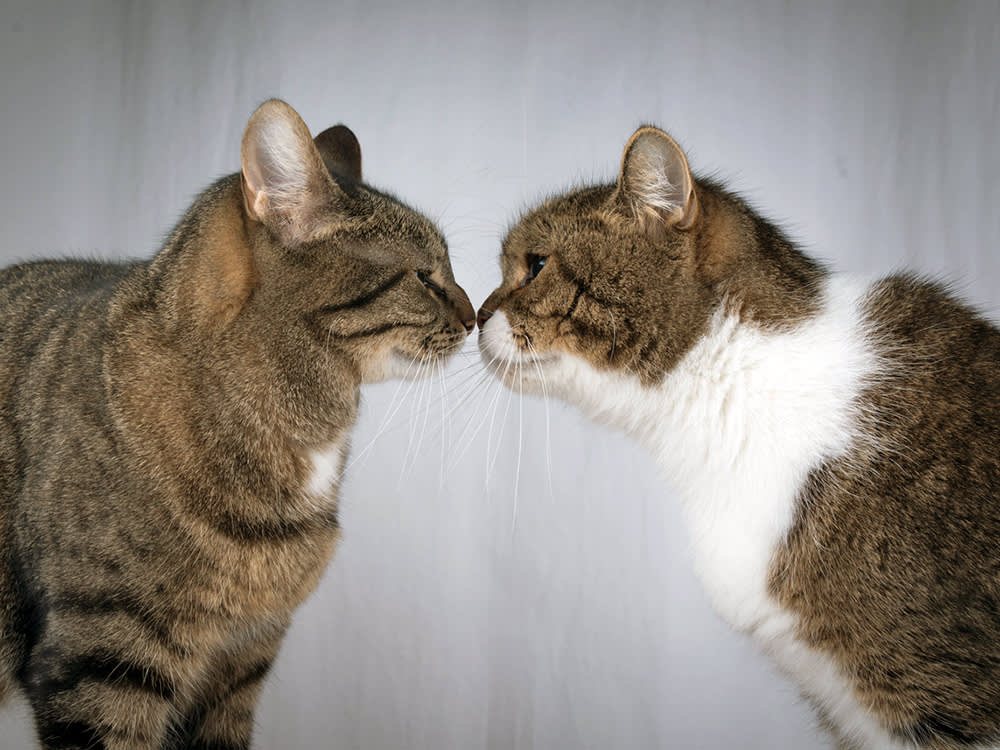
Grooming each other also served as a way to share scents, which marked group membership and reduced conflicts. Imagine your cat rubbing against a friend—this is a natural extension of those ancient rituals. This ancestral behavior still influences your cat’s daily interactions.
Survival Advantages
Mutual grooming provided clear survival benefits. It helped remove parasites and dirt in hard-to-reach areas, keeping cats healthier. Healthy cats had a better chance to reproduce and pass on their genes.
Grooming also reinforced alliances, which could protect against predators or rival groups. When you see cats grooming each other, you witness a survival strategy that has lasted through evolution. How does this change your view of your cat’s social world?
Credit: www.kinship.com
Frequently Asked Questions
Why Do Cats Groom Each Other Biologically?
Cats groom each other to strengthen social bonds and maintain group harmony. This behavior helps remove dirt and parasites. It also reduces stress and promotes trust among cats. Grooming supports their overall health and communication.
How Does Allogrooming Benefit Cats Biologically?
Allogrooming removes hard-to-reach dirt and parasites from cats’ fur. It also lowers stress by releasing feel-good hormones. This behavior enhances social bonds and cooperation within cat groups, boosting survival chances.
Do Cats Groom Each Other For Hygiene Or Social Reasons?
Cats groom each other for both hygiene and social reasons. Cleaning hard-to-reach areas keeps them healthy. Social grooming builds trust, reduces conflicts, and strengthens group bonds, essential for their well-being.
What Hormones Are Involved In Cats’ Mutual Grooming?
Mutual grooming triggers oxytocin release in cats. Oxytocin promotes bonding, reduces stress, and increases feelings of safety. This hormone helps maintain peaceful social interactions and emotional connections within cat groups.
Conclusion
Cats groom each other to stay clean and healthy. This behavior also builds trust and friendship. Grooming helps cats share their scent and feel safe. It reduces stress and keeps their fur in good shape. Understanding this shows how cats connect and care for each other.
Watching cats groom is a glimpse into their social world. It’s a simple act with deep meaning in cat biology.


Leave a Reply