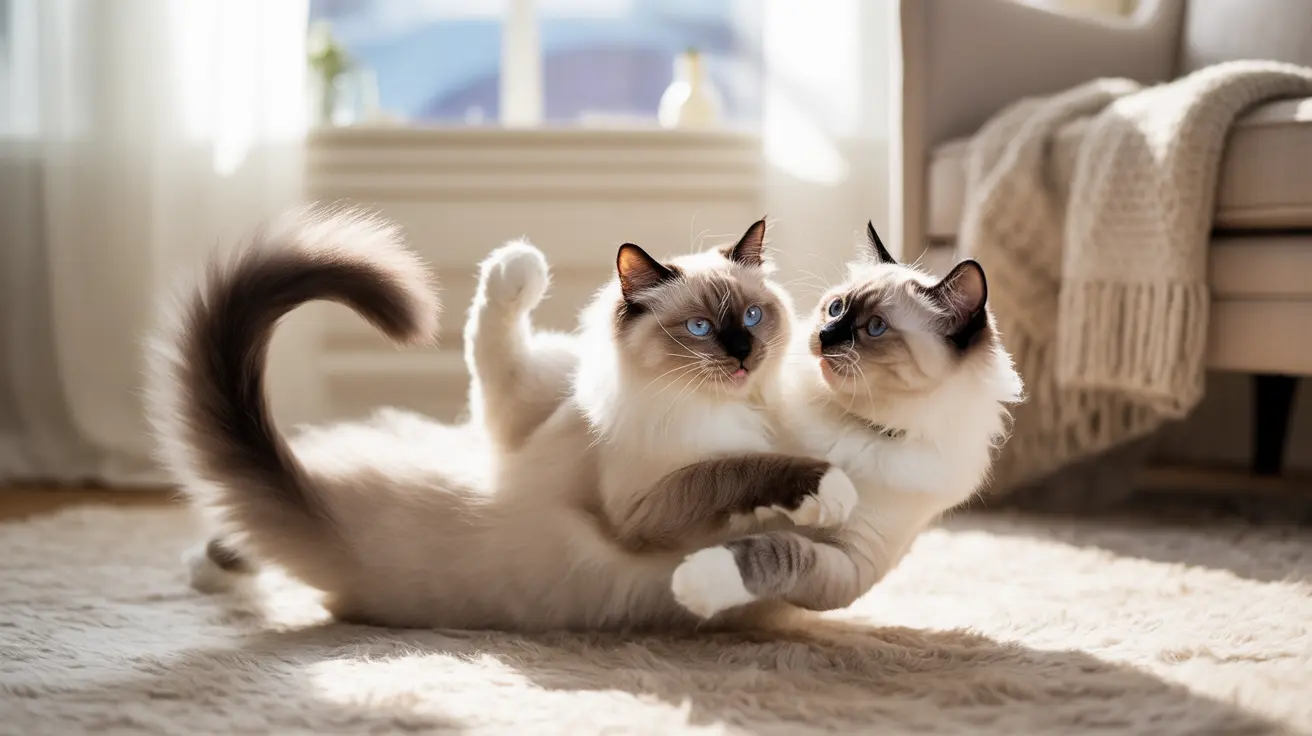
Have you ever watched your cat suddenly stop playing, only to start grooming itself? It might seem odd, but there’s a fascinating reason behind this behavior.
Understanding why cats groom while playing can help you connect better with your furry friend and even improve their well-being. If you want to uncover the secret signals your cat is sending during playtime, keep reading. This little insight could change the way you see your cat’s playful moments forever.
Cats And Play Behavior
Cats show a special kind of behavior when they play. Play is not just fun for them. It helps them learn and stay healthy. Watching a cat play can teach us a lot about how they think and feel. Grooming during play may seem odd, but it fits into their natural habits and social signals.
Typical Play Patterns
Cats often start play by stalking or chasing. They use their paws and teeth gently. Play mimics hunting, sharpening skills. After a burst of energy, cats might stop to groom. Grooming helps calm them down and clean off dirt. It also resets their focus to continue playing.
Role Of Social Interaction
Play is a way cats connect with others. Grooming during play can show trust and friendliness. Cats use grooming to say, “I feel safe with you.” This helps build bonds between playmates. Grooming also reduces tension, making play peaceful and fun.

Credit: basepaws.com
Grooming Habits In Cats
Cats are known for their meticulous grooming habits, which play a crucial role in their daily lives. Grooming goes beyond just keeping their fur clean—it reflects their physical and emotional state. Understanding why cats groom, even while playing, can give you insight into their behavior and well-being.
Daily Grooming Routine
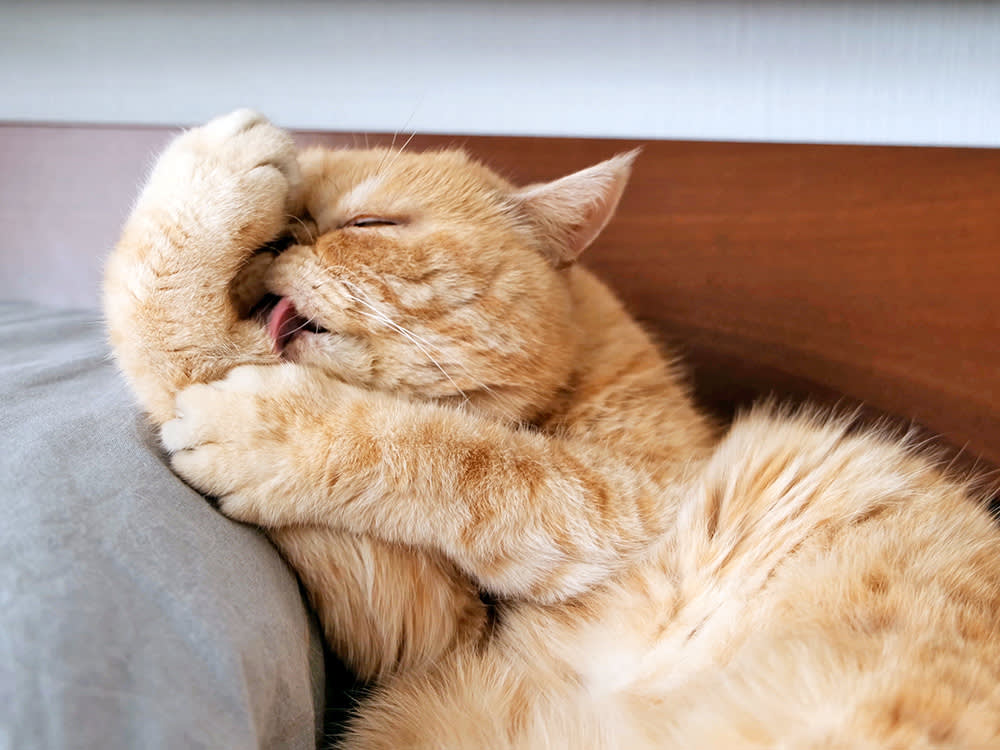
Most cats spend a significant part of their day grooming themselves. This routine helps remove dirt, loose fur, and parasites, keeping their coat healthy and shiny. You might notice your cat pausing during play to lick its paws or clean its face, which is part of this ongoing routine.
This grooming breaks up their activity and helps them stay comfortable. It’s like a quick reset that allows your cat to continue playing without feeling itchy or distracted. Have you observed your cat stopping to groom mid-play? It’s normal and actually beneficial.
Grooming As Stress Relief
Grooming also acts as a natural stress reliever for cats. When your cat feels a bit overwhelmed or excited during play, grooming helps calm its nerves and lowers anxiety. You might see your cat licking itself more after a burst of energetic play—this is their way of self-soothing.
This calming effect is similar to how humans might take deep breaths or stretch to relax. If your cat suddenly stops playing and starts grooming, it’s not random—it’s managing its feelings. How often have you noticed this behavior in your own cat?
Link Between Grooming And Play
Cats often groom themselves during play. This behavior connects two essential parts of their daily life: grooming and playing. Understanding this link helps explain why cats switch from playful to clean so quickly. It shows how grooming supports their emotional state and social signals during play.
Self-soothing Mechanism
Grooming acts as a calming tool for cats. Play can be exciting or stressful. Grooming helps cats relax and lower their stress levels. It clears their mind and body. This calming effect keeps cats balanced during active moments. Grooming after play resets their mood and helps them feel safe again.
Communication Signals
Cats use grooming to send messages to others. During play, grooming can signal friendliness or a break. It shows they are not aggressive. Grooming also helps cats bond with each other. It acts as a social tool to build trust. This helps keep play peaceful and fun for all cats involved.
Emotional States Reflected In Grooming
Cats grooming themselves while playing is more than just a cleanliness habit. It’s a window into their emotional world. Understanding what their grooming means can help you better connect with your furry friend and respond to their needs.
Anxiety And Comfort
When your cat suddenly pauses play to groom, it might be trying to calm itself. Grooming releases endorphins that soothe anxiety, making your pet feel more secure.
Have you noticed your cat licking its paws or face after a tense moment? This behavior acts like a reset button, helping them regain control and comfort. It’s their way of saying, “I’m okay now.”
Excitement And Energy Release
Grooming can also happen when cats are highly stimulated or excited during play. It’s a way to channel excess energy and prevent overstimulation.
Think about how you might take a deep breath or stretch after an intense activity. Your cat’s grooming serves a similar purpose—it helps manage their excitement so they don’t become overwhelmed.
Behavioral Benefits Of Grooming During Play
Cats groom during play to strengthen bonds and reduce stress. It helps them stay calm and comfortable. This behavior also promotes healthy skin and fur.
Cats have intriguing behaviors, especially during playtime. One such behavior is grooming. This activity isn’t just about cleanliness. Grooming during play holds significant behavioral benefits. It helps cats in maintaining balance and social harmony. Let’s explore these fascinating advantages.Maintaining Focus And Calmness
Cats often groom to keep themselves calm. During play, excitement levels soar. Grooming acts as a calming mechanism. It helps them refocus their energy. This behavior prevents overstimulation. A calm cat plays more effectively. By grooming, cats balance their emotions. This ensures a harmonious play session.Strengthening Social Bonds
Grooming strengthens social ties among cats. It is a part of their bonding ritual. When cats groom each other during play, it builds trust. This shared activity enhances their friendship. Social bonds reduce conflicts during play. Cats feel more secure with strong bonds. They are more likely to play cooperatively. Grooming is not just a solitary act. It is a shared experience in the feline world.
Credit: tryfurgo.com
Variations Among Different Cats
Cats show different grooming habits while playing. These habits vary by age, personality, and even breed. Understanding these differences helps explain why some cats groom more during play than others. Each cat’s unique traits influence their grooming frequency and style.
Age And Grooming Frequency
Kittens groom less while playing. They focus more on exploring and learning. Adult cats groom more often to stay clean and calm. Older cats may groom less due to less energy or health issues. Age impacts how much a cat grooms during activity.
Personality Influences
Some cats are naturally more anxious and groom to calm down. Playful and confident cats may groom less during play. Shy cats use grooming as a way to reset their mood. Personality shapes how and when cats groom themselves while active.
Tips For Cat Owners
Understanding why cats groom while playing can give you valuable clues about their mood and health. Grooming during play is often a way for cats to calm themselves or reset their energy. As a cat owner, knowing how to support this behavior can improve your pet’s well-being and strengthen your bond.
Encouraging Healthy Play
Offer a variety of toys that stimulate both physical and mental activity. Toys that mimic prey, like feather wands or laser pointers, keep your cat engaged and help them burn off excess energy.
Set aside regular playtimes each day. Consistency helps your cat feel secure and reduces stress, which can lower excessive grooming during play.
Notice how your cat reacts to different toys and play styles. Do they groom less when play is more interactive? Adjust your approach to fit their unique preferences.
Monitoring Grooming Behavior
Keep an eye on how often your cat grooms during and after play. Occasional grooming is normal, but excessive licking might signal stress or discomfort.
Look for signs like bald patches or redness on your cat’s skin. These could indicate over-grooming, which may require a vet’s attention.
Ask yourself: does your cat groom to calm down, or is it a sign of anxiety? Tracking these patterns can help you respond appropriately and create a more comfortable environment.
Credit: www.kinship.com
Frequently Asked Questions
Why Do Cats Groom Themselves During Play?
Cats groom while playing to stay clean and calm. Grooming helps remove dirt and loose fur. It also reduces stress and regulates their body temperature during activity.
Does Grooming Help Cats Bond While Playing?
Yes, grooming during play can strengthen social bonds. Cats often groom themselves or each other to show trust and affection. This behavior promotes a positive social environment.
Can Grooming Indicate Stress In Playful Cats?
Sometimes, excessive grooming during play shows stress. If a cat grooms too much, it might feel anxious or overwhelmed. Monitoring this helps identify emotional or health concerns.
How Does Grooming Affect A Cat’s Energy During Play?
Grooming refreshes cats and helps conserve energy. It cools their bodies and reduces sweat. This allows them to play longer without feeling tired.
Conclusion
Cats groom while playing to stay clean and calm. Grooming helps them relax and feel safe. It also shows trust and comfort during play. This behavior keeps their fur neat and free of dirt. Playing and grooming together helps cats bond with friends.
Watching this can teach us about their feelings and needs. Understanding why cats groom during play makes us better pet owners. It shows how cats stay happy and healthy every day. Simple actions tell big stories in a cat’s life.

Leave a Reply