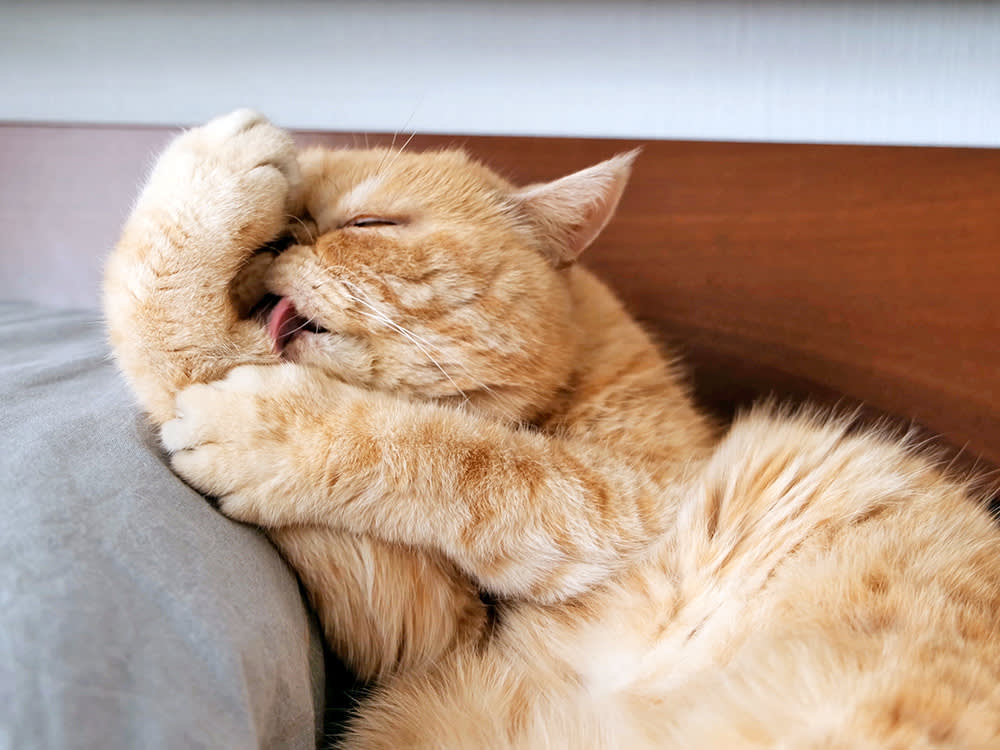
Have you ever watched your cat spend hours licking its fur and wondered, “Why do cats groom themselves so much?” It’s more than just a way to stay clean. Your cat’s grooming habits reveal important secrets about its health, mood, and even how it feels about you.
Understanding why cats groom themselves can help you take better care of your furry friend and strengthen your bond. Keep reading to discover surprising facts and insights that will change the way you see your cat’s daily routine.

Credit: medium.com
Reasons Cats Groom
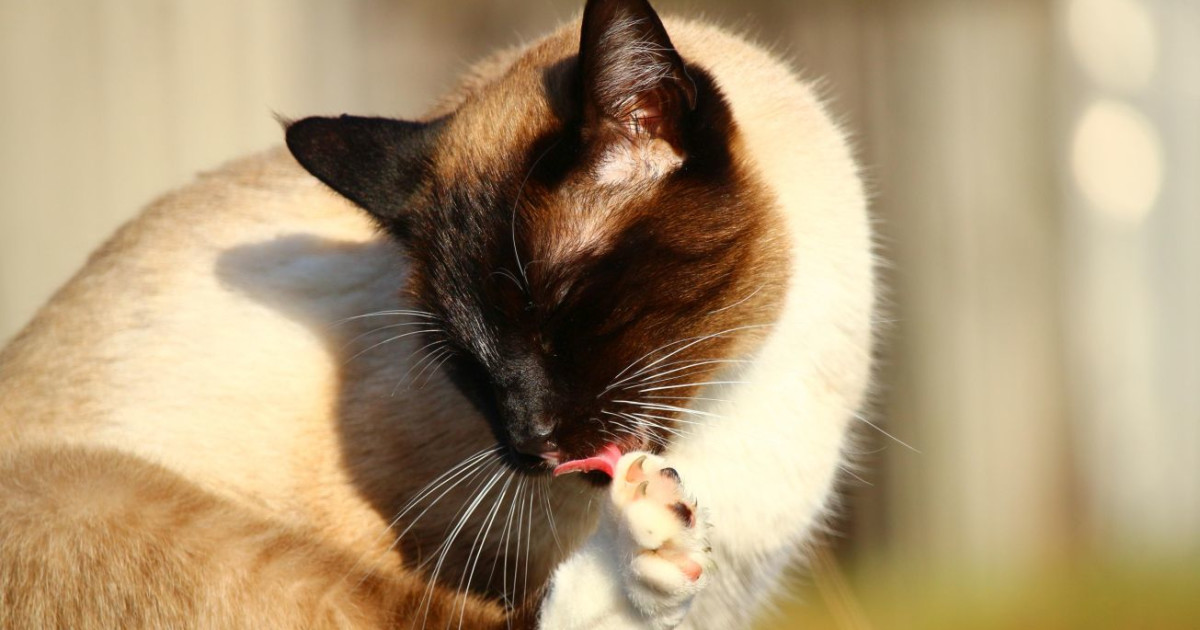
Cats spend a significant part of their day grooming themselves, but have you ever wondered why? Grooming is more than just keeping clean; it plays several important roles in a cat’s life. Understanding these reasons can help you better care for your feline friend and recognize what their grooming habits mean.
Maintaining Cleanliness
Cats groom to remove dirt, debris, and loose fur from their coats. This keeps their fur smooth and free of tangles, which helps prevent skin problems. You might notice your cat licking areas that seem clean to you, but for them, it’s about staying spotless and healthy.
Temperature Regulation
Grooming helps cats manage their body temperature. When they lick their fur, the saliva evaporates and cools them down, similar to how sweat works for humans. If your cat grooms more during warm days, it’s their natural way of staying comfortable without needing extra fans or air conditioning.
Scent Masking
Cats also groom to control their scent. By licking themselves, they spread their natural oils evenly and can mask their smell. This behavior has roots in the wild, where hiding their scent helped cats avoid predators or sneak up on prey. Have you noticed your cat grooming after coming inside from outside? It’s their way of resetting their scent.
Stress Relief
Grooming acts like a calming ritual for cats. When they feel anxious or stressed, licking themselves can help soothe their nerves. If your cat suddenly grooms excessively, it might be a sign they’re feeling uneasy or bored. Watching how your cat grooms can give you clues about their emotional state and needs.
Credit: pethelpful.com
How Grooming Benefits Cats
Cats groom themselves to keep clean and remove dirt from their fur. This habit also helps control body temperature and reduce stress. Regular grooming supports healthy skin and fur by spreading natural oils evenly.
Cats are known for their meticulous grooming habits, often spending hours each day on this activity. But have you ever wondered why they do it so diligently? Grooming serves more than just keeping your feline friend looking neat and tidy. It plays a crucial role in their overall health and well-being. Let’s explore how grooming benefits cats in various ways.Skin Health
Grooming helps maintain your cat’s skin health by stimulating the production of natural oils. These oils keep their skin moisturized, preventing dryness and flakiness. Have you noticed how your cat seems to glow after a grooming session? That’s because the grooming process distributes these oils evenly across their body, giving them a healthy shine. Cats also groom to soothe minor skin irritations. Their rough tongues act like a gentle exfoliator, removing dead skin cells and promoting circulation.Fur Maintenance
A cat’s coat is its pride, and grooming is essential for maintaining its quality. Regular grooming removes loose fur and reduces the risk of matting. If you’ve ever dealt with a shedding cat, you know how much fur they can leave behind. Grooming minimizes shedding by capturing loose hairs before they fall off. Cats also regulate their body temperature through their fur. By grooming, they ensure their coat remains in optimal condition to offer insulation during colder months and cooling in warmer seasons.Parasite Control
Grooming is a natural defense mechanism against parasites like fleas and ticks. Cats meticulously clean themselves to remove any unwanted guests. During grooming, cats can detect and eliminate parasites, reducing the risk of infestations. It’s like a daily check-up they perform on themselves. Have you ever seen your cat nibbling at their fur? That’s often their way of addressing an itchy spot that might be harboring parasites. This self-care routine helps keep their skin and fur healthy and pest-free. Engaging with your cat’s grooming habits can offer insight into their health. Next time you see them grooming, remember it’s not just vanity—it’s vital for their well-being. Do you notice any changes in their grooming behavior? It might be worth paying attention to.Unexpected Grooming Behaviors
Cats are known for their meticulous grooming habits, but some of their behaviors might surprise you. Grooming is not just about cleanliness; it can reveal a lot about a cat’s health and social life. Understanding these unexpected grooming behaviors can help you better care for your feline friend and notice when something might be wrong.
Overgrooming Signs
Have you noticed your cat licking itself more than usual? Overgrooming can lead to bald patches, redness, or sores on the skin. This behavior often signals stress, allergies, or even parasites.
Pay close attention if your cat suddenly spends hours grooming one spot. It might be a sign of discomfort or pain that needs a vet’s attention. Acting early can prevent more serious health issues.
Social Grooming Among Cats
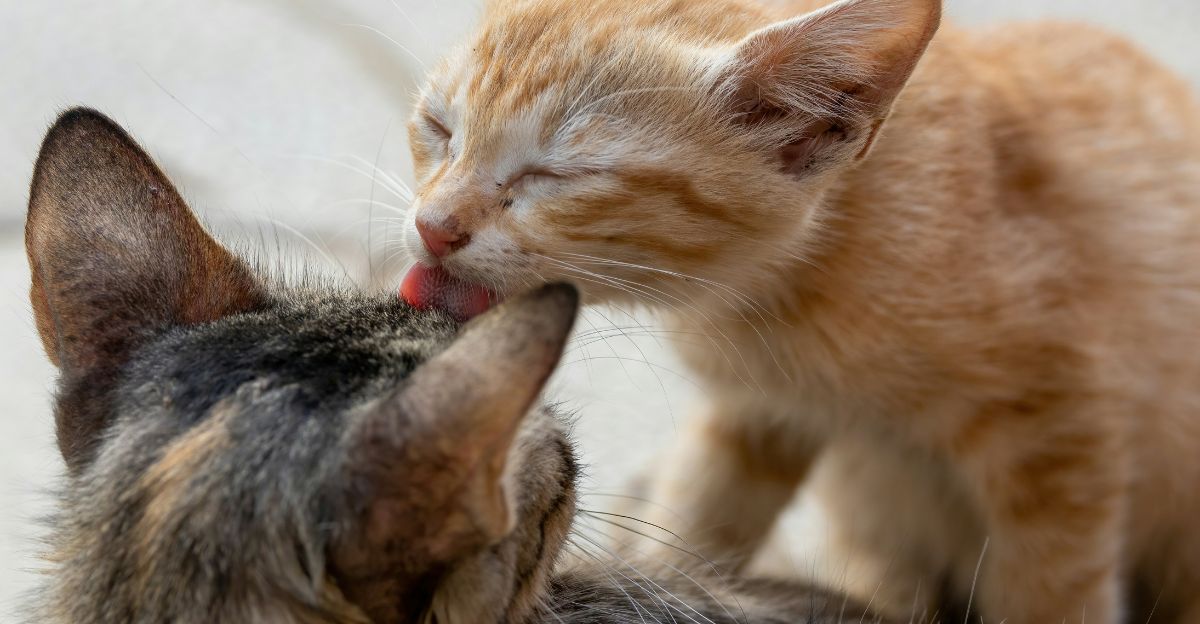
Did you know cats groom each other as a way to bond? Social grooming, or allogrooming, helps cats build trust and maintain group harmony. You might see cats licking each other’s heads, necks, or backs.
This behavior also helps distribute scents, which reassures cats that they belong together. If your cat grooms you, it’s a sign of affection and acceptance. How often does your cat include you in its grooming routine?
Cats Grooming And Human Interaction
Cats grooming themselves is more than just a hygiene routine; it plays a key role in how they interact with humans. Observing your cat’s grooming habits can reveal a lot about their comfort level and emotional state around you. These moments offer a unique way for cats and owners to connect on a deeper level.
Bonding Through Grooming
Have you noticed your cat licking your hand or face? This behavior mimics the grooming they do on themselves and other cats. It’s a clear sign they trust you and see you as part of their social group.
When cats groom themselves in your presence, it shows they feel safe. Cats avoid grooming when stressed, so calm grooming means they’re relaxed around you. This can help you understand your cat’s mood without them saying a word.
What Grooming Means For Owners
Pay attention to your cat’s grooming patterns. Excessive grooming might signal anxiety or a health issue, while a sudden stop could mean discomfort or illness. Knowing this helps you act quickly to keep your pet healthy.
Engage with your cat during grooming times by gently petting or talking to them. This strengthens your bond and makes grooming a shared, comforting experience. Have you tried brushing your cat after they groom themselves? Many cats enjoy this and it deepens your connection.
Scientific Insights On Grooming
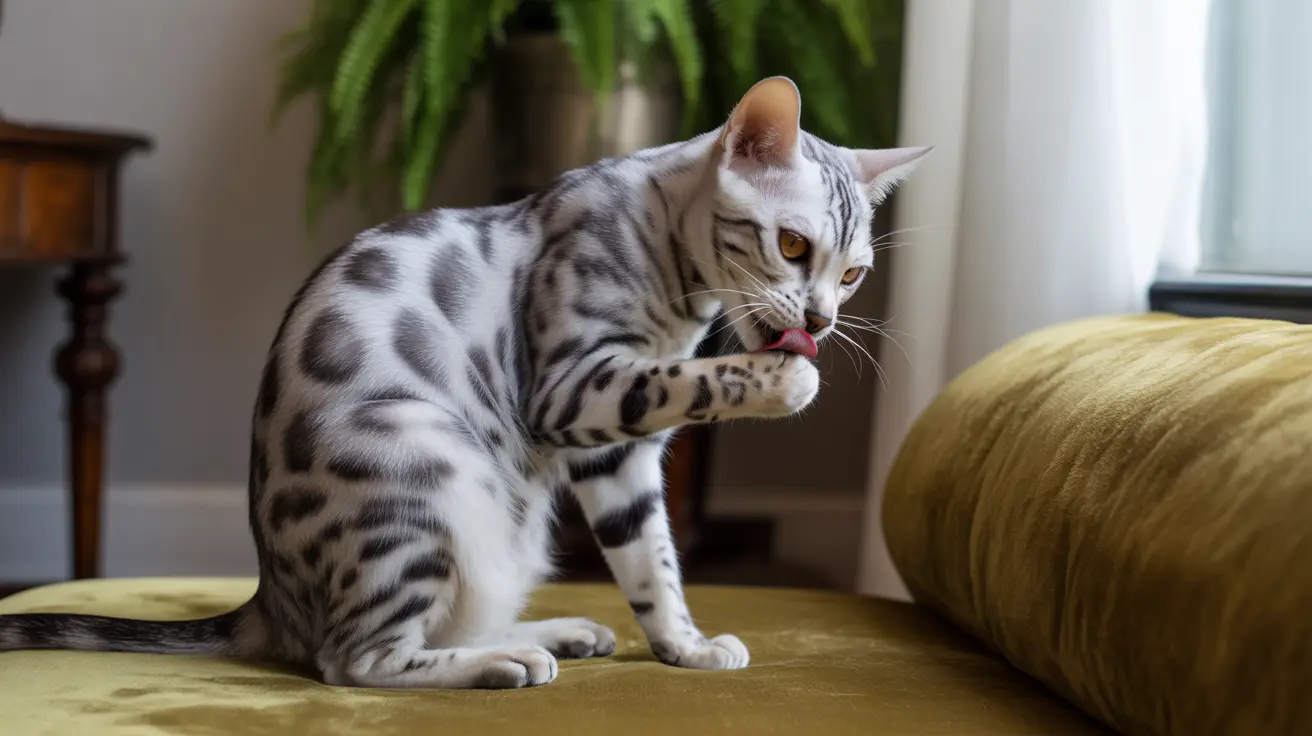
Cats grooming themselves is more than just keeping clean. Scientists study this behavior to understand how cats stay healthy and feel safe. Grooming helps cats control their body temperature and remove dirt or parasites. It also shows how cats manage stress and connect with their environment.
Studies On Grooming Patterns
Research shows cats groom several times a day. Each grooming session lasts a few minutes. Cats use their tongues to clean fur and skin thoroughly. Scientists observe that grooming increases after eating or waking up. This habit keeps their coat smooth and free from pests.
Patterns change depending on the cat’s age and health. Older cats may groom less often. Sick cats might stop grooming, which signals health problems. Grooming helps maintain a cat’s physical condition and comfort.
Grooming And Cat Emotions
Grooming also reflects a cat’s emotional state. Cats groom more when they feel relaxed and safe. Stress or anxiety can increase grooming, sometimes causing over-grooming. This behavior helps cats calm down and reduce tension.
Scientists use grooming as a clue to understand cat feelings. It shows how cats cope with changes or stress in their environment. Grooming is a natural way for cats to soothe themselves and feel secure.
Credit: www.petscare.com
Frequently Asked Questions
Why Do Cats Groom Themselves Regularly?
Cats groom themselves to stay clean and remove dirt. Grooming also helps regulate their body temperature and reduce stress. It keeps their fur smooth and free of parasites, promoting overall health.
How Does Grooming Benefit A Cat’s Health?
Grooming removes loose fur and prevents matting. It also spreads natural oils that keep the coat shiny. This habit helps cats avoid skin infections and controls fleas or ticks.
Can Grooming Show A Cat’s Emotional State?
Yes, cats groom more when stressed or anxious. Over-grooming can indicate health or emotional problems. Grooming is also a way cats soothe themselves and feel secure.
Do Cats Groom To Communicate With Others?
Cats use grooming to bond with other cats and humans. Social grooming strengthens relationships and reduces tension. It’s a sign of trust and affection in cats.
Conclusion
Cats groom themselves to stay clean and healthy. This habit helps remove dirt and loose fur. Grooming also cools them down and reduces stress. It keeps their skin healthy and free from bugs. Watching cats groom can be calming and interesting.
Understanding why cats groom helps us care for them better. This simple act shows how cats take care of themselves. It’s a natural and important part of their daily life.

Leave a Reply